The Smart Homeowner’s Guide to Conquering Paper Clutter
Turn overwhelming paper piles into a simple, sustainable system you can actually keep up with.
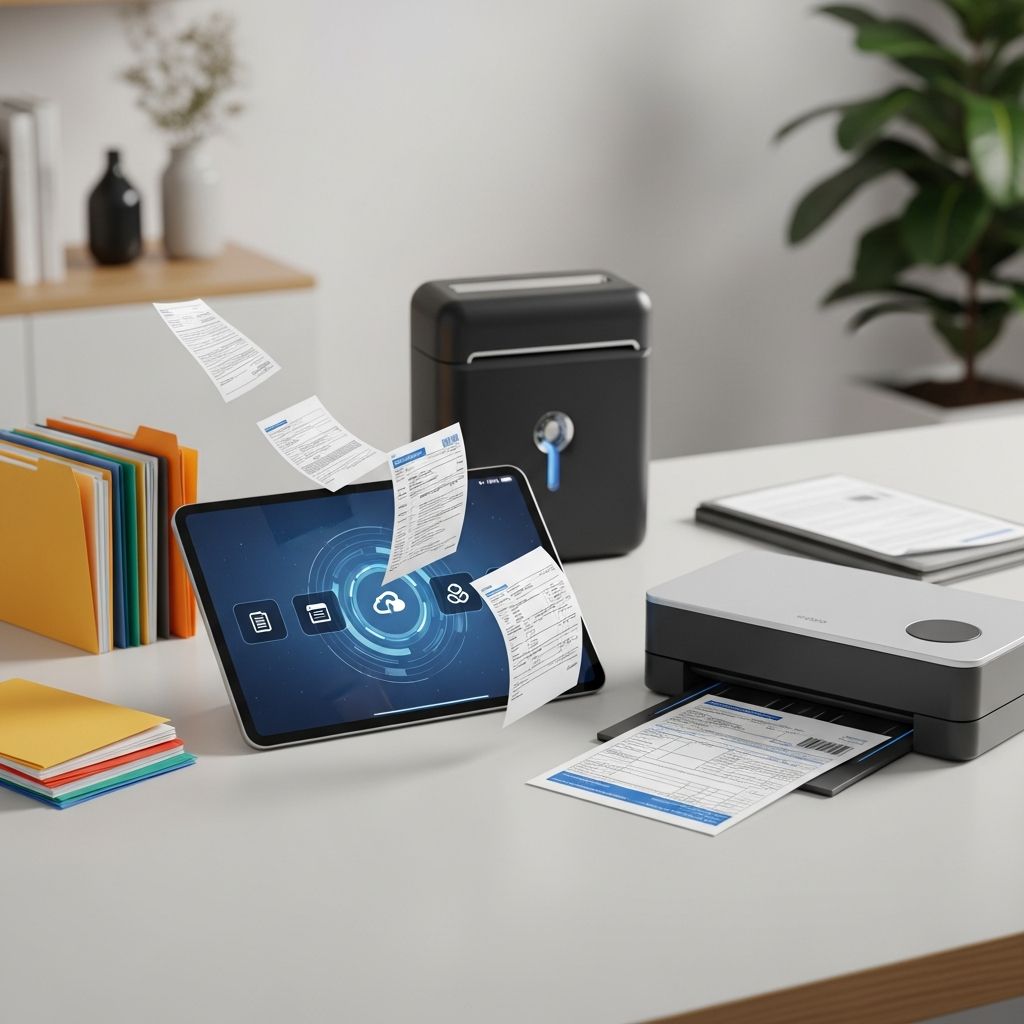
Paper clutter builds up quietly: a flyer on the counter, a bill by the sink, a school form on the table, and suddenly you are surrounded by teetering stacks. This guide walks you through a simple, realistic system to clear the chaos and keep it from returning.
Why Paper Clutter Feels So Overwhelming
Paper is easy to ignore until there is a deadline, a missed payment, or a form no one can find. Unlike clothes or dishes, every sheet might contain important information, which makes decision-making stressful and slow. The key to conquering paper clutter is reducing the number of decisions you make and giving every type of paper a clear “home.”
- Paper often mixes urgent items with trash, so piles feel emotionally loaded.
- Many households lack a default place for new papers, so surfaces become accidental storage.
- Without a repeatable routine, paper builds up faster than it is processed.
Step 1: Set Ground Rules Before You Sort
Before touching a single pile, decide in advance how you will make choices. Ground rules reduce decision fatigue and keep you from second-guessing yourself as you sort. Think of them as your personal “paper policy” for the whole house.
Helpful ground rules might include:
- Limit how much you keep: If it is available online or easily replaceable, you will not keep a physical copy.
- Define what is important: Tax records, legal documents, insurance policies, property records, and critical medical paperwork are always kept.
- Set time boundaries: Routine bills and statements may be kept for a set period (for example, one year) and then shredded.
- Protect privacy: Anything with sensitive information is shredded instead of tossed in regular trash.
Step 2: Gather and Contain All Loose Papers
To see the real scope of your paper, first collect it from every room. This means counters, nightstands, bags, junk drawers, and the car. Working from one central pile allows you to make consistent decisions and prevent shuffle-piles around the house.
Use simple containers to corral everything before sorting:
- Large basket or box for the “master” pile.
- Small bin for obvious recycling (flyers, old envelopes, outdated coupons).
- Secure bag or box for shredding.
Do not try to organize yet. At this stage you are only consolidating, not categorizing.
Step 3: Quick Triage – Trash, Shred, or Keep
Next, move through the master pile quickly with a three-way decision: recycle, shred, or keep for now. The goal is speed, not perfection. Removing the obvious clutter first reduces the emotional weight of the project and reveals the papers that truly need attention.
- Recycle: Ads, catalogs you will not order from, outer envelopes, duplicate printouts, old school newsletters.
- Shred: Items with full names, addresses, account numbers, or other personal data.
- Keep (for the moment): Anything that might involve money, legal issues, deadlines, or long-term reference value.
Work in timed bursts of 15–20 minutes. Short sessions reduce burnout and make it easier to finish the project over several days instead of giving up halfway through.
Step 4: Sort What Remains into Simple Categories
Once all obvious clutter is gone, start dividing the remaining papers into broad, easy-to-remember groups. Avoid overly detailed categories, which make filing complicated and discourage regular maintenance.
Suggested core categories
- Action now: Bills to pay, forms to sign, calls to make, time-sensitive notices.
- Short-term hold: Receipts for possible returns, current warranties, active project notes, upcoming event details.
- Permanent records: Tax returns, property records, legal documents, key medical and insurance files.
- Memories: Cards, letters, children’s artwork or school projects you truly want to preserve.
As you sort, write each category name on a sticky note and place it on a temporary folder or stack. This visual labeling keeps the process clear and reminds everyone in the household how papers are being grouped.
Step 5: Build a Simple Home Paper “Command Center”
With your categories defined, you can design a home command center: a single, reliable spot where all incoming paper lands. This is the heart of your new system and should be located where paper naturally enters your home, such as near the front door or kitchen.
Elements of an effective paper command center
- Vertical sorter or wall rack: One slot per category (Action, Short-term, To File, Kids, etc.).
- Shredder or shred bag: Close by to handle sensitive junk mail immediately.
- Recycling bin: Near the mail drop zone so unwanted items never reach the counter.
- Basic tools: Pens, highlighters, paper clips, and sticky notes for quick labeling.
The command center should feel as easy to use as dumping paper on the counter. If it is simpler to toss a paper into a labeled slot than to leave it on a random surface, the system will support itself.
Step 6: Create a Minimalist Filing System
For documents that must be kept beyond a few months, set up a streamlined filing system. The goal is not to archive every piece of information but to store only what you genuinely need in a way you can retrieve in under a minute.
| Category | Examples of Documents | Suggested Storage |
|---|---|---|
| Financial & Taxes | Tax returns, year-end statements, major purchase receipts | Labeled hanging folders in a fire-resistant file box |
| Home & Property | Deed, mortgage papers, repair records, appliance info sheets | Separate section within file box or binder |
| Insurance | Auto, home, health, life policy documents | Color-coded folders for quick access |
| Health & Medical | Immunization records, major test results, summaries of care | Individual folders per family member |
| Education & Work | Transcripts, certifications, employment contracts | Binder or slim file for each adult |
Use short, clear labels rather than complicated codes. If someone else in your household can find a document without your help, the system is user-friendly enough.
Step 7: Go “Mostly Paperless” Where It Makes Sense
Complete paperlessness is not realistic for most households, but reducing the total flow of paper makes your system easier to maintain. Focus on the categories that produce the most incoming sheets: bills, banking, receipts, and statements.
- Switch to electronic statements and online billing for utilities, banking, and insurance.
- Use a secure digital storage system (cloud drive or encrypted folder) for scanned copies of non-critical documents.
- Scan or photograph receipts you only need short-term, such as warranty or return receipts.
As you add digital storage, mirror your physical categories with simple digital folders. This keeps your brain using the same structure whether you are at the file box or on your computer.
Step 8: Handling Kids’ Papers and Artwork
Children can generate more paper in a week than adults do in a month. Instead of saving everything, design a small, intentional path for schoolwork and artwork from backpack to long-term memory box.
A simple kids’ paper flow
- Landing spot: A tray or basket by the door where all school papers are emptied after school.
- Weekly review: Together, choose a few favorite pieces to keep and recycle the rest.
- Temporary display: Use a cork board, clip rail, or fridge space with a fixed capacity.
- Long-term keepsakes: Store the best items in a labeled portfolio or slim bin for each child.
Involving kids in these choices teaches them how to prioritize, declutter, and respect limited space.
Step 9: Protecting Vital Documents
Some papers must be stored with extra care because replacing them is difficult or risky. These belong in a secure, protected location rather than in everyday household files.
- Birth certificates, passports, Social Security or national ID cards.
- Marriage, divorce, and adoption records.
- Property deeds, vehicle titles, and key legal agreements.
- Wills, powers of attorney, and health directives.
Keep these items in a fire-resistant, water-resistant container or a safe deposit box. Include a simple typed list inside that explains what is stored there and where digital backups (if any) are located.
Step 10: Make Maintenance Light and Automatic
A paper system only works if it is used regularly. Instead of relying on willpower, build maintenance into your week with small, predictable routines. Think of it as basic household hygiene, like doing dishes or laundry.
Low-effort paper routines
- Daily (5 minutes): Sort mail immediately, putting items into Action, Short-term, or recycling/shred.
- Weekly (15–20 minutes): Empty the Action and Short-term slots, pay bills, sign forms, and file any documents that have become long-term records.
- Seasonal (30–45 minutes): Review files, remove outdated statements, and shred anything past its retention period.
If you share a home, agree on who manages which parts of this routine and write it down. Clarity prevents future piles caused by “I thought you handled that.”
Helpful Tools and Storage Ideas
You do not need fancy products to control paper, but a few well-chosen tools make the system smoother and more pleasant to use. Choose items that match how you naturally behave: visual people tend to do better with open, vertical storage; out-of-sight storage works best for those who like clear surfaces.
- Wall-mounted file racks for mail and action items.
- Magazine holders or desktop sorters for frequently used reference materials.
- Portable file boxes for small spaces or apartments.
- Binders with sheet protectors for manuals, school information, or project plans.
Mindset Shifts That Make Decluttering Easier
Letting go of paper can bring up fear: fear of needing something later, of losing proof, or of making a financial mistake. Adopting a few mindset shifts can dramatically lighten this emotional load and speed up your decisions.
- “Information is replaceable more often than you think”: Many manuals, statements, and forms can be re-downloaded or requested.
- “Space is a resource, not an afterthought”: Every inch used by old paper is space that cannot serve current needs.
- “Less to manage is less to worry about”: Fewer documents mean faster access, quicker cleaning, and lower mental noise.
Frequently Asked Questions About Paper Clutter
How long should I keep bills and bank statements?
For routine household bills, many people keep paper copies for one year or less, especially if digital copies are available. Tax-related documents and supporting records are often kept for several years, depending on local regulations; when uncertain, consult a financial professional rather than relying on guesswork.
What if I am afraid of throwing away something important?
When in doubt, designate a small “question” folder. Place uncertain documents there, write a review date on the folder, and revisit it in a few months. Over time you will notice that most items in the folder never become necessary, which builds confidence in letting similar items go more quickly.
How can I start if my piles are out of control?
Begin with a single, clearly defined space such as the kitchen counter or home office desk. Complete the full process—gather, triage, sort, and set up a mini system—for that one area before moving on. Visible success in a small zone creates momentum and makes the rest of the house feel more manageable.
Do I need a scanner to manage paper clutter?
A scanner or scanning app is helpful but not mandatory. If you do not want to scan, focus on reducing what comes in and keeping only those papers that are required for legal, financial, or sentimental reasons. A well-designed physical filing system can function perfectly well on its own.
How do I get my family to use the system?
Involve household members from the start by letting them help name categories and choose locations for the command center. Keep instructions extremely simple—ideally one short sentence for what to do with new paper—and post a small reminder card near the mail drop zone until the routine becomes automatic.
Similar Articles




Read full bio of Sneha Tete