Smart Shopping for Above-Ground Pools: How to Choose, Install and Enjoy Your Backyard Oasis
A practical homeowner’s guide to picking, installing and caring for an above-ground pool that fits your yard, lifestyle and budget.
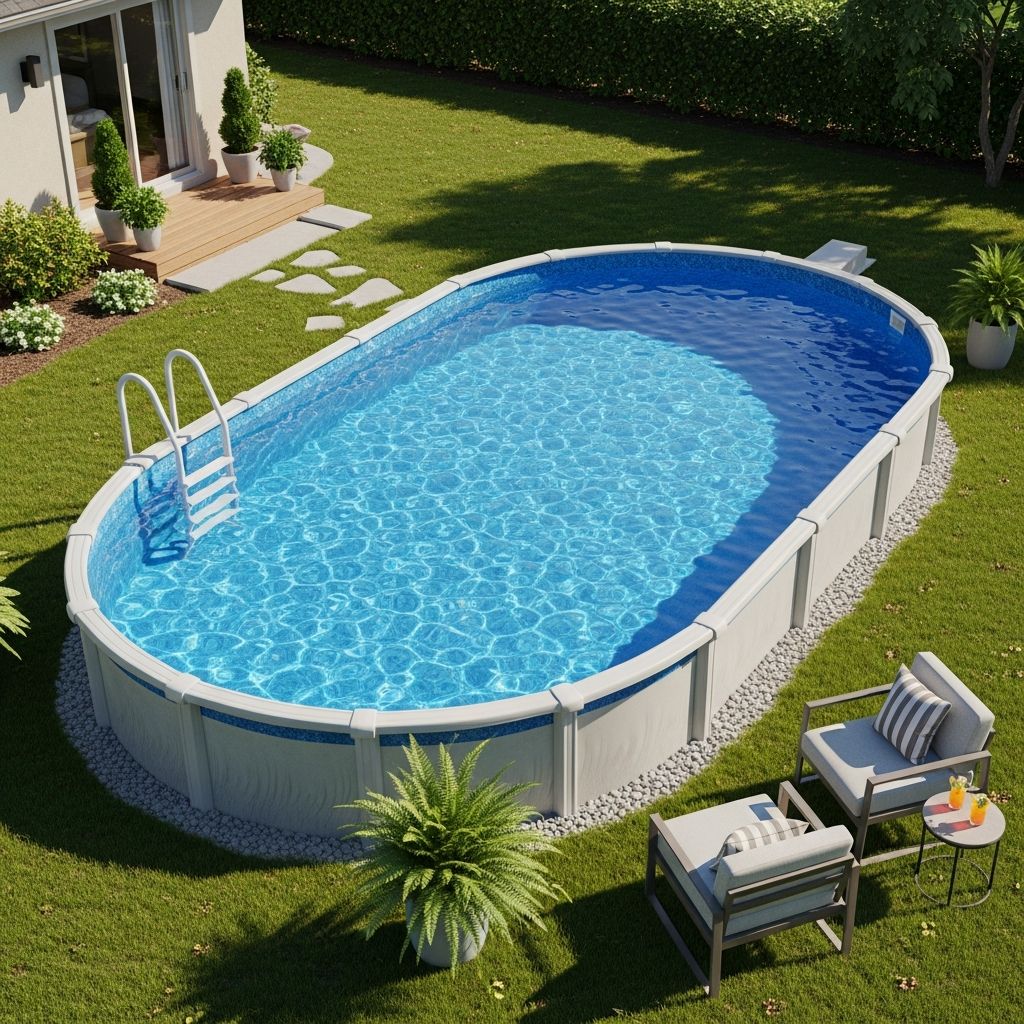
Above-ground pools offer a budget-friendly and flexible way to add summer fun to almost any backyard, but choosing the right model and setting it up correctly make all the difference in how long it lasts and how much you enjoy it.
Why Above-Ground Pools Are So Popular
Above-ground pools give homeowners a way to enjoy swimming and cooling off without the high cost and permanence of an in-ground pool. Installation is comparatively fast, many models can be set up by handy DIYers, and if you move or change your landscaping plan, certain pools can be relocated or removed entirely.
Because they sit on the surface rather than in a dug-out shell, above-ground pools are also easier to inspect, repair and upgrade over time, making them an appealing option for growing families or first-time pool owners.
Key Decisions Before You Buy
Before browsing specific brands or browsing sales, clarify how you expect to use the pool and what limitations your yard or local rules may impose. These early decisions will help you avoid choosing a size or type that becomes frustrating to live with a year later.
Think about who will use the pool, how long you plan to keep it in place, and how much regular maintenance you are prepared to handle during the swim season.
Questions to Ask Yourself
- How many swimmers will typically use the pool at the same time?
- Is the main purpose casual cooling off, energetic play, lap-style exercise or a mix of all three?
- What is the maximum footprint you can spare without sacrificing walkways, grass or play areas you care about?
- Do you prefer a temporary seasonal pool or a more permanent, multi-year structure?
- What is your realistic budget when you include accessories like a ladder, cover, pump and safety gear?
Choosing Size and Shape
Pool dimensions affect everything from how comfortable it feels to swim in, to how long cleaning takes, to whether the pool will even fit in your yard with proper clearances. Take accurate measurements of the available space and sketch the pool’s footprint before you purchase anything.
Always leave enough room for walking around the pool, safe placement of the pump and filter, and any fencing or deck space you plan to add later.
Common Above-Ground Pool Shapes
| Shape | Best For | Typical Pros | Typical Cons |
|---|---|---|---|
| Round | Families who want open play space and easy circulation | Even water pressure on walls, generally easier to install, simple to cover | May not use narrow yards efficiently, limited for lap-style swimming |
| Oval | Longer yards and users who like short laps or games | More usable swim length, fits alongside homes and fences better | More complex support structure, often higher cost for same water volume |
| Rectangular/Other | Exercise, tight or formal layouts, custom decks | Cleaner lines, efficient for swimming straight, deck integration | Usually more expensive and structurally demanding |
Depth and User Comfort
Most above-ground pools for family use are between 48 and 54 inches deep, which is enough to submerge and cool off, yet shallow enough for most adults to stand with their head well above water. Deeper models offer a more immersive feel but may be less comfortable for young children without floatation aids.
Instead of automatically choosing the deepest option, balance the desire for depth with safety, the age range of swimmers and how comfortable everyone is with water.
Pool Construction Types Explained
Above-ground pools come in several construction styles, and the right choice depends on how long you expect the pool to last, whether you want to disassemble it seasonally, and how much you are willing to invest up front. Understanding the main categories will help you interpret product descriptions and warranties.
In general, heavier-duty frames and thicker liners cost more initially but can survive weather, splashing and the occasional bump much better than ultra-cheap options.
Inflatable Ring and Soft-Sided Pools
- Construction: Flexible vinyl walls, sometimes with an inflatable top ring that rises as the pool fills.
- Advantages: Low purchase price, fast assembly, easy to drain and store at the end of the season.
- Limitations: More vulnerable to punctures and UV damage, often shallower and smaller, typically shorter expected lifespan.
Steel or Resin Frame Pools
- Construction: Rigid vertical supports and horizontal rails with a separate vinyl liner inside.
- Advantages: More stable and durable than inflatables, available in larger sizes, often compatible with aftermarket accessories and decks.
- Limitations: Requires more careful ground preparation, heavier to move, and may need corrosion-resistant hardware and coatings for long life.
Hybrid and Semi-Permanent Models
Some above-ground pools use a combination of steel, resin and composite materials for improved strength and weather resistance. These models are designed for many seasons of use and often support elaborate decks, hardscape surrounds and upgraded filtration equipment.
Because they are closer to permanent installations, review local building codes, potential permit requirements and property line setbacks before purchasing.
Picking the Right Pump and Filter
Clear, healthy pool water depends far more on the pump and filter system than on any single cleaning gadget. Oversizing or undersizing this equipment can lead to cloudy water, excessive energy use or constant maintenance headaches.
When evaluating pump and filter options, focus on matching the system to your pool’s water volume and your typical usage, not just the lowest price.
Understanding Pump Sizing
- The pump should be able to circulate the entire volume of pool water roughly once every 6 to 8 hours in most residential setups.
- A pump that is too small struggles to move enough water through the filter, making it hard to keep the pool clear.
- An oversized pump may waste power and strain the filtration system without providing extra benefit.
Filter Media Options
| Filter Type | How It Works | Maintenance Level | Common Use |
|---|---|---|---|
| Sand | Water passes through a bed of sand that traps dirt and debris. | Backwash periodically and replace sand every few years. | Popular for many above-ground pools due to simplicity. |
| Cartridge | Replaceable pleated cartridges capture particles as water flows through. | Rinse or replace cartridges as needed during the season. | Good for smaller pools or users who prefer not to backwash. |
| Diatomaceous Earth (DE) | Finely ground mineral coat on grids captures very fine particles. | More hands-on; requires careful cleaning and DE handling. | Often used where crystal-clear water is a top priority. |
Site Planning and Ground Preparation
Even the best pool will feel unstable or suffer premature damage if the ground underneath is not correctly prepared. Choosing the right location and creating a smooth, level base are crucial steps, especially for large-diameter pools where water weight is significant.
Take extra time at this stage, because fixing a leaning or uneven pool later is far more difficult and sometimes impossible without starting over.
Picking a Safe Location
- Look for a spot that is naturally flat or can be leveled without excessive digging.
- Stay clear of overhead power lines, buried utilities, tree roots and septic systems.
- Avoid placing the pool directly under large trees to reduce leaf litter and shade-related algae growth.
- Check local rules about setbacks from property lines, structures and fences, and whether a barrier is required.
Creating a Stable Base
Most above-ground pools sit on a combination of compacted soil, a prepared base layer like sand or foam, and sometimes a specialized underlayment designed to protect the liner from punctures. The goal is to have a smooth, level surface that does not shift dramatically when wet.
Use a long straight board and level—or a laser level if available—to verify that the entire pad is flat, not just the center, before placing any part of the pool frame on the ground.
Basic Above-Ground Pool Setup Overview
Every manufacturer provides its own detailed instructions, and those documents should always be followed carefully. However, it helps to understand the general sequence of steps beforehand so you can plan tools, helpers and time accordingly.
The actual water fill can sometimes be the fastest part; most of the effort goes into layout, leveling and carefully assembling the frame and liner.
Typical Installation Steps
- Confirm the chosen area is level, compacted and large enough for the pool and any necessary clearances.
- Lay out and assemble the bottom rails or frame pieces into the final shape, checking measurements as you go.
- Install vertical supports or legs according to the manufacturer’s sequence, ensuring everything remains plumb and aligned.
- Attach the pool wall (for metal-wall pools) or connect the soft side and frame sections until the structure is fully closed.
- Lay the liner carefully, smoothing wrinkles as much as possible before adding significant water.
- Begin filling the pool slowly while making final adjustments to the liner and checking that the walls remain straight and stable.
- Once the water level is high enough, install skimmer and return fittings, then connect the pump, filter and hoses.
- Complete filling, balance the water chemistry and add any required ladder, safety devices and covers.
Safety Features You Should Not Skip
Water safety is just as important for above-ground pools as for in-ground ones, especially when children, pets or elderly family members live or visit the home. A few key add-ons greatly reduce the risk of accidental access and injuries.
Some safety measures are mandated by local code, while others simply represent good practice for responsible pool ownership.
Essential Safety Measures
- Sturdy ladder or entry system: Choose a ladder rated for your pool’s depth and expected user weight, and secure it to prevent wobbling.
- Fence or barrier: In many areas a fence with self-closing, self-latching gate is required around any pool above a certain depth.
- Lockable or removable steps: Some ladder systems allow the outer steps to be lifted or locked to restrict unsupervised access.
- Pool cover: A well-fitted cover helps keep debris out and can act as one more barrier, but it should never be relied on as the only safety measure.
- Visible rules: Simple signs reminding swimmers about no diving, no running on wet surfaces and adult supervision go a long way.
Everyday Care and Seasonal Maintenance
Regular, light maintenance keeps an above-ground pool pleasant to use and prevents small issues from turning into expensive repairs. Getting into a simple weekly routine is usually easier than tackling major cleanups after problems accumulate.
Most above-ground pool owners can maintain clear water with a basic test kit, the right chemicals, a skimmer net and consistent filtration time.
Routine Pool-Care Checklist
- Test water at least weekly for sanitizer level, pH and alkalinity, adjusting as needed.
- Run the pump long enough each day to circulate the full pool volume through the filter.
- Skim floating debris, brush the walls and floor, and vacuum settled dirt as required.
- Clean or backwash the filter according to the manufacturer’s schedule.
- Inspect the liner and frame periodically for punctures, rust spots or loose hardware.
Opening and Closing the Pool
In climates with freezing winters, many owners choose to partially drain, winterize the plumbing and cover the pool until spring. Proper closing helps protect the liner, fittings and pump system from freeze damage and storm-related debris.
When reopening, remove the cover carefully to keep accumulated leaves and dirt from falling into the water, then focus on balancing chemistry, clearing any cloudiness and confirming that all fittings and hoses remain leak-free.
Enhancing Comfort and Enjoyment
Once the basics are handled, a few well-chosen accessories can transform a simple above-ground pool into a favorite hangout. Comfort upgrades also make it easier to spend more time in the water and less time battling minor annoyances.
Start with improvements that reduce maintenance or increase safety, then consider aesthetic details or fun add-ons that match how your household likes to relax.
Popular Add-Ons
- Foam or padded floor underlayment for a softer feel underfoot.
- A small deck or platform for safer entry and exit, plus space for towels and seating.
- Solar cover or heater to keep water more comfortable in cooler weather.
- LED lights, floating fountains or simple water features for evening enjoyment.
- Storage bins or benches to organize toys, test kits and cleaning tools.
Frequently Asked Questions About Above-Ground Pools
How long does a typical above-ground pool last?
Lifespan depends on materials, maintenance and climate, but many well-built steel or resin frame pools can provide several seasons of reliable use, while heavier-duty semi-permanent models can last significantly longer when cared for properly.
Can I install an above-ground pool myself?
Many homeowners successfully install their own pools, particularly smaller soft-sided or frame models, but doing so requires careful reading of the instructions, patience with ground leveling and at least one helper for handling walls and liners.
Do I need a permit for an above-ground pool?
Some jurisdictions require permits, inspections or mandatory fences for pools above a specified depth, so it is wise to check with local building or zoning officials before purchasing or beginning installation.
What is the easiest type of above-ground pool to maintain?
Smaller round pools with a correctly sized pump and a simple sand or cartridge filter are often the least demanding, provided the water chemistry is checked regularly and debris is removed before it accumulates.
Can I add a deck or landscaping around an above-ground pool?
Many people build partial or full-surround decks to create a more finished look and improve access, but any structure attached to or resting on the pool should be planned with proper supports and spacing so it does not stress the pool walls.
Similar Articles





Read full bio of Sneha Tete