Smart Storage Makeover: A Practical Guide to Organizing Every Room with Containers
Turn cluttered corners into calm, efficient spaces using the right storage containers and simple organizing strategies.
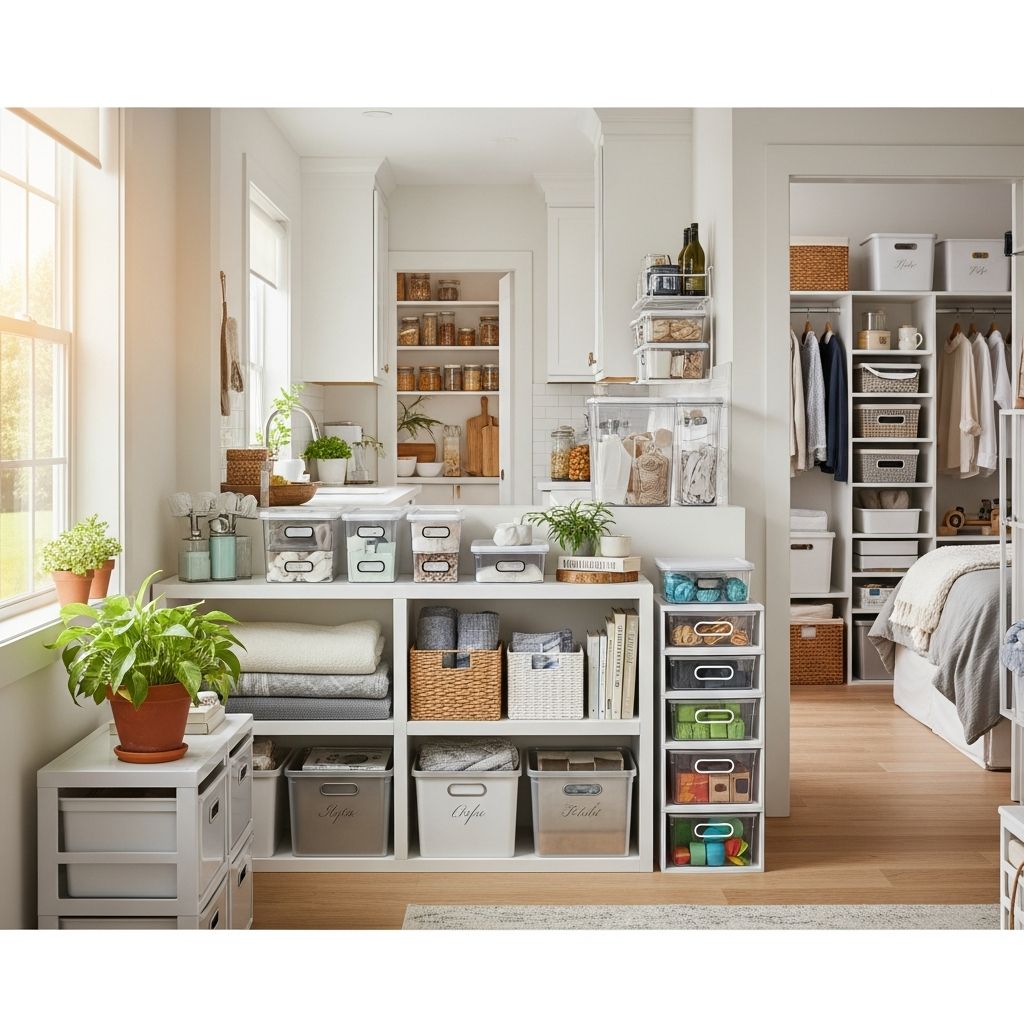
Thoughtful storage does more than hide clutter; it changes how a home feels and functions every day. The right containers, used with a clear strategy, can turn chaotic closets, pantries and drawers into calm, easy-to-maintain spaces that support your routines instead of fighting them.
Why Containers Matter More Than You Think
Storage containers are not just boxes and bins; they are tools that create boundaries, define categories and make it easier to see and use what you own. When chosen carefully, they prevent items from drifting into random piles, help limit overbuying and make cleaning dramatically faster.
Instead of treating containers as an afterthought at the end of a decluttering project, think of them as part of the design of your home. You are not simply finding places for things; you are designing systems that match your habits, your space and your budget.
Start with a Plan: Declutter Before You Contain
Before buying any new storage products, pause and focus on what truly needs to stay. Containers should fit the items that support your current life, not the clutter left over from past seasons and abandoned hobbies.
- Define the purpose of the space: Decide what each room or zone is for (for example: cooking, work, crafting, off-season storage) so you can remove everything that does not belong.
- Sort by broad categories: Group like with like on a table or the floor: papers, tools, linens, kids’ toys, pantry staples, and so on. This reveals duplicates and forgotten items quickly.
- Use simple decision rules: Keep what you use, love or need for legal/administrative reasons; donate or recycle what is still good but not useful to you; discard broken or expired items.
Once you know exactly what remains, you can choose containers that fit real quantities and real needs, avoiding the common trap of buying pretty bins that never quite work.
How to Choose the Right Storage Containers
Not every bin, basket or box works for every job. Matching container style to purpose helps your system stay functional long after the initial organizing burst of energy has faded.
Size, Shape and Visibility
- Use small containers for small items: Batteries, cords, craft supplies and hardware disappear in large bins. Break them into smaller, clearly labeled boxes or divided organizers.
- Reserve large bins for bulky categories: Seasonal decor, bedding and sports gear store best in bigger containers with sturdy sides and handles.
- Choose clear options when access is frequent: Transparent bins and canisters make it easy to spot what you need in pantries, toy areas and supply closets.
- Pick opaque containers for visual calm: In living spaces and bedrooms, solid or woven bins reduce visual noise and help the room feel more serene.
Material and Durability
- Plastic bins: Best for garages, basements and under-sink areas where moisture is possible. Look for stackable lids and reinforced corners.
- Fabric and woven baskets: Ideal for living rooms, bedrooms and entryways where appearance and texture matter more than heavy-duty durability.
- Metal organizers: Useful in utility areas, home offices and craft rooms where you want slim, strong storage that can hold weight without warping.
- Airtight canisters: Essential for pantry staples such as flour, sugar, grains and pet food to keep out pests and prolong freshness.
Matching Containers to Habits
Think about how quickly you want to be able to put something away. Lids, clasps and tight drawers look neat, but if family members will not bother to open them, consider open-top baskets or pull-out bins that are fast to use.
Room-by-Room Container Strategies
Each area of your home has different challenges. Instead of using the same solution everywhere, tailor your containers to the activities and clutter patterns of each room.
Kitchen and Pantry
The kitchen is the heart of many homes, but it is also where clutter piles up fastest. Containers can bring order to cabinets, drawers and pantry shelves.
- Group ingredients by use: Create bins for baking, breakfast, snacks, pasta and grains so you can grab entire categories at once.
- Use clear canisters for staples: Store flour, rice, cereal and coffee in see-through containers with airtight seals to make inventory quick and spills less likely.
- Add turntables and risers: Lazy Susans corral oils, vinegars and condiments; shelf risers let you see canned goods without stacking them precariously.
- Use slim bins in the fridge: Designate containers for produce, lunch prep, snacks and condiments to prevent lost leftovers and food waste.
| Category | Recommended Container | Why It Works |
|---|---|---|
| Dry baking goods | Airtight clear canisters | Protects from moisture and pests while making contents visible. |
| Snacks | Shallow open bins | Encourages kids and adults to grab and put back quickly. |
| Canned foods | Tiered shelf risers | Prevents items from getting lost at the back of deep shelves. |
| Spices | Low jars on a turntable | Keeps labels easy to read and bottles easy to reach while cooking. |
Bedroom and Closets
Closets can quickly turn into overstuffed caves. Containers here should make it effortless to maintain categories, rotate seasons and find daily essentials.
- Use shelf bins for soft items: Corral jeans, sweaters and workout clothes into labeled bins instead of loose stacks that topple over.
- Try drawer dividers: Small containers keep socks, underwear and accessories from becoming tangled piles.
- Store off-season items up high: Place rarely used clothing or accessories in lidded bins on top shelves, clearly labeled for easy rotation.
- Use under-bed storage: Slim rolling bins or zippered fabric bags hold out-of-season linens, shoes or spare blankets.
Bathroom and Linen Storage
Bathrooms combine tiny items, limited space and constant use. Thoughtful containers prevent drawers from turning into jumbled catchalls.
- Divide drawers: Use shallow trays or modular organizers for dental care, hair accessories, grooming tools and cosmetics.
- Use baskets for bulk items: Group extra toilet paper, tissues and back-up toiletries into bins in a cabinet or linen closet.
- Roll towels in baskets: Instead of stacking tall piles that topple, store rolled towels vertically in baskets or divided shelves.
- Use clear bins for medicine: Separate first-aid, cold and flu, and daily medications into labeled containers stored out of children’s reach.
Living Room and Shared Spaces
Shared spaces need storage that looks good and works hard. Containers here should blend with decor while still being practical.
- Choose lidded coffee table trunks: Use a storage coffee table or ottoman to hide blankets, games and controllers.
- Use matching bins on open shelves: Place remotes, cords, magazines and small electronics in neutral baskets or boxes for a cohesive look.
- Create a charging basket: Designate a single bin or caddy where all devices live while charging, including a built-in power strip.
- Add a library basket: Keep current books, library loans and returns in one place to avoid fines and lost items.
Kids’ Rooms and Play Areas
Children are more likely to tidy up when systems are simple and forgiving. Skip complicated lids and tiny containers in favor of broad categories and open bins.
- Sort by type, not set: Group dolls, blocks, vehicles and art supplies rather than trying to separate every small set.
- Use picture labels: Attach images as well as words so pre-readers can put items away in the right bin.
- Use soft bins for plush toys: Lightweight, flexible containers make it easy for kids to participate in cleanup.
- Limit container capacity: When a bin is full, it is a cue to declutter or rotate toys instead of continually adding more.
Entryway, Garage and Utility Spaces
The areas that catch dirt, shoes, mail and tools need especially robust container systems. Here, durability and clear labeling matter more than decorative details.
- Create a drop zone: Use a tray or shallow basket for mail and keys, hooks for bags and a small bin for loose pocket items.
- Assign a bin per person: In a mudroom or by the door, give each household member a basket for hats, gloves and small accessories.
- Use heavy-duty tubs for the garage: Label bins for camping gear, seasonal decor, sports equipment and car care supplies.
- Hang tools with accessories nearby: Pair wall-mounted racks with small containers for screws, nails and hardware.
Labeling: The Secret to Maintaining Order
Labels turn a random bin into a clear instruction. They tell every family member where things live and reduce the number of decisions required to put items away correctly.
- Keep wording simple: Use broad terms such as “Snacks,” “Office Supplies” or “Winter Gear” rather than long, detailed lists.
- Choose a consistent style: Matching label shapes, fonts or colors make your systems feel intentional and easier to scan.
- Use removable labels in flexible zones: For kids’ rooms, craft areas or hobby zones, opt for labels you can easily change as interests evolve.
- Label both sides when needed: For bins stored on high shelves or deep cabinets, label the front and top to avoid constant reshuffling.
Small Space Storage Tactics
Even the tiniest apartment or compact house can feel spacious with thoughtful container choices. In small spaces, vertical and hidden storage become essential.
- Go vertical: Stackable bins, wall-mounted shelves and over-the-door organizers free up floor and counter space.
- Use furniture with storage built in: Beds with drawers, benches with hidden compartments and side tables with shelves all add room for containers.
- Store seldom-used items higher: Use the top of closets and tall cabinets for rarely accessed bins, keeping daily essentials within easy reach.
- Standardize container sizes: Using the same style and size of bins helps them nest and stack efficiently in tight spaces.
Maintaining Your New Storage Systems
Organization is not a one-time project; it is a habit supported by good systems. Once your containers are in place, a few simple routines keep them working smoothly.
- Schedule quick resets: Spend ten minutes at the end of the day returning items to their containers in the most used areas.
- Review seasonally: At the start of each season, scan your bins and baskets for items to donate, discard or relocate.
- Adjust categories as life changes: When hobbies, jobs or family needs shift, revise your container categories and labels to match.
- Set limits: Let container capacity guide how much you keep. If a bin is consistently overflowing, declutter instead of adding more bins.
Frequently Asked Questions
How many storage containers do I really need?
It depends on the size of your home and how much you own, but a good rule is to finish decluttering first and then count how many natural categories appear. Start with one container per main category and only add more if you cannot reasonably separate items within that system. It is better to have a few well-used bins than dozens of half-empty containers that create more clutter.
Should I buy matching containers, or can I mix styles?
Matching containers create a clean, unified look that many people find calming, especially in open storage areas like pantries and living rooms. Mixing styles is perfectly acceptable, however, as long as the function is clear and the overall effect does not feel chaotic. Consider using one style per shelf or zone to maintain visual order while still using what you already own.
What if my family will not put things back where they belong?
When systems go unused, the problem is often complexity. Simplify by reducing the number of steps required to put things away: choose open bins without lids, large categories and containers placed exactly where items tend to land naturally. Involve household members in setting up the systems so they feel some ownership and understand the logic.
Are clear containers always better than solid ones?
Clear containers are helpful when you need to see what you have at a glance, such as food, craft supplies or kids’ toys. Solid or woven containers, however, are better in spaces where visual calm is a higher priority, like living rooms and bedrooms. Many homes use a balance of both, reserving clear bins for inside cabinets and solid bins for open shelves.
How do I keep containers from becoming hidden clutter?
First, resist the urge to buy containers before you know exactly what they will hold. Second, label everything and store containers where they are visible and accessible, not buried behind other items. Finally, commit to reviewing your storage once or twice a year so that bins remain active tools, not long-term hiding places for forgotten belongings.
Turning Containers into a Clutter-Free Lifestyle
Effective storage is less about perfection and more about consistency. By choosing containers that match your space, habits and priorities, you create a home where finding things is simple, tidying takes minutes and every room feels intentional rather than accidental.
Whether you are refreshing one shelf or rethinking your entire home, treat each container as a small promise to yourself: a clear, designated place for the items that truly support your daily life. Over time, those small promises add up to a home that feels lighter, calmer and far easier to enjoy.
Similar Articles







Read full bio of Sneha Tete