Smart & Thrifty Cleaning Hacks: A Fresh Home on a Tiny Budget
Turn everyday items into powerful cleaning tools and keep your home sparkling—without draining your wallet.
Budget-Friendly Cleaning Hacks for a Fresher Home
Keeping a home clean does not have to mean buying a cabinet full of expensive specialty products. With a few smart strategies and simple supplies, you can keep every room looking and smelling fresh while spending very little money. This guide walks through practical, realistic ways to clean efficiently, stretch what you already own, and build habits that make a clean house feel easy instead of overwhelming.
Why Budget Cleaning Hacks Matter
Cleaning on a budget is about more than saving money. It is also about reducing clutter, cutting harsh chemicals, and making daily upkeep more manageable. When your cleaning routine relies on a few multipurpose tools and simple ingredients, you waste less, store less, and clean faster.
- Save money by replacing multiple single-use products with a few versatile standbys.
- Reduce chemical exposure by choosing gentler ingredients when possible.
- Streamline storage with one compact cleaning caddy instead of dozens of bottles.
Core Supplies That Do It All
Before diving into room-by-room tips, start with a short list of budget-friendly supplies that can tackle most surfaces in your home. Having these on hand keeps you from buying new, specialized products for every new task.
Affordable Cleaning Staples to Keep at Home
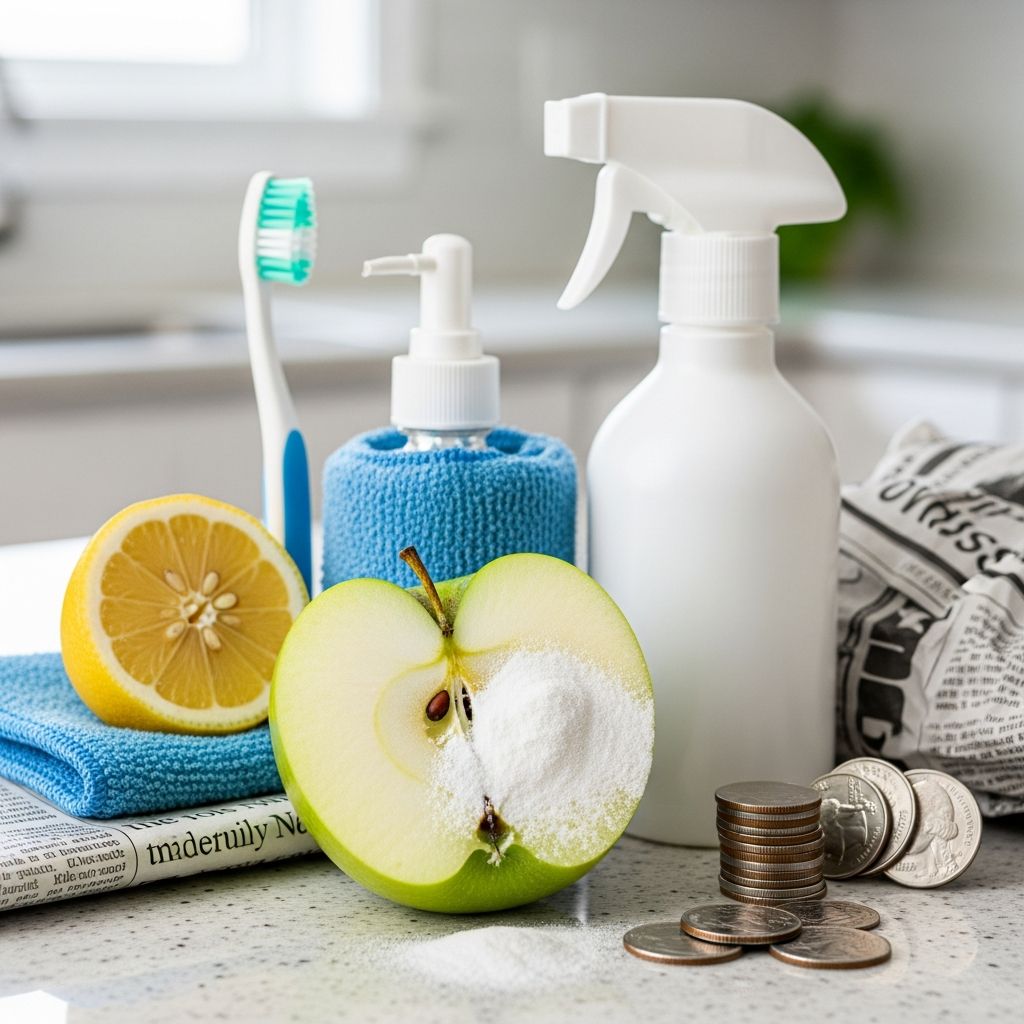
- White vinegar for glass, light descaling, and deodorizing (never use on natural stone like marble).
- Baking soda for gentle scrubbing on sinks, tubs, stovetops, and deodorizing carpets.
- Dish soap for greasy surfaces, floors, and multipurpose spot cleaning.
- Microfiber cloths to wipe, dust, and polish without leaving lint behind.
- Old T-shirts or towels cut into rags for messy jobs where you do not want to ruin good cloths.
- A spray bottle or two to mix simple DIY solutions for quick daily cleaning.
Simple DIY Cleaning Mixtures
You do not need complicated recipes to make effective homemade cleaners. The goal is to mix basic household ingredients in safe, simple ratios that are easy to remember and use regularly.
Everyday Surface Spray
Use this on most sealed countertops, appliance exteriors, and bathroom surfaces (again, avoid natural stone).
- 1 part white vinegar
- 1 part water
- Optional: a few drops of dish soap for greasy areas
Pour into a spray bottle, label it clearly, and keep it handy where you clean most often. Spray, wipe with a microfiber cloth, and air-dry.
Gentle Scrub Paste
For soap scum, sink stains, and stuck-on food, a basic paste works surprisingly well.
- 3 parts baking soda
- 1 part water (add more drops as needed until it forms a spreadable paste)
Apply with a damp cloth or sponge, let it sit for a few minutes, then scrub and rinse. This is especially useful in tubs, sinks, and on grimy stovetops.
Room-by-Room Budget Cleaning Strategies
Clever cleaning is as much about strategy as it is about products. Below are simple, low-cost ways to approach each major area of your home.
Kitchen: Grease, Crumbs, and Clutter
The kitchen collects layers of mess quickly. Focusing on small, daily habits reduces the need for intense, time-consuming scrubbing sessions.
- Wipe as you cook: Keep a damp cloth and a small bowl of hot, soapy water nearby. As spills and splatters happen, wipe them immediately instead of letting them harden.
- Use a tray under oils and sauces: Place cooking oils, vinegar bottles, and commonly used condiments on a washable tray or baking sheet. When they drip, you only need to clean the tray.
- Line trouble spots: Consider lining fridge shelves or crisper drawers with reusable mats or old dish towels. Remove, shake out crumbs, and wash instead of scrubbing dried spills.
Quick Kitchen Counter Reset Routine
Adopt a nightly five-minute routine so your kitchen never feels out of control.
- Clear counters of dishes, papers, and small appliances you do not use daily.
- Spray counters with your DIY surface spray.
- Wipe in long, straight strokes from back to front, pushing crumbs into your hand or a small dustpan instead of onto the floor.
- Give the sink a quick scrub with a drop of dish soap and a cloth.
Bathroom: Soap Scum and Humidity on a Budget
Bathrooms get unpleasant quickly but are surprisingly easy to manage with frequent light cleaning instead of rare deep scrubbing.
- Keep supplies nearby: Store a spray bottle, a sponge, and a cloth under the sink so you do not delay quick wipe-downs.
- Use a daily shower mist: After each shower, lightly mist walls and glass doors with diluted vinegar or a gentle store-bought cleaner to slow soap scum buildup.
- Schedule a two-minute sink reset: Once a day, clear items off the sink, give the surface a spritz, wipe, and set items back neatly.
Living Room: Dust, Fabrics, and Everyday Clutter
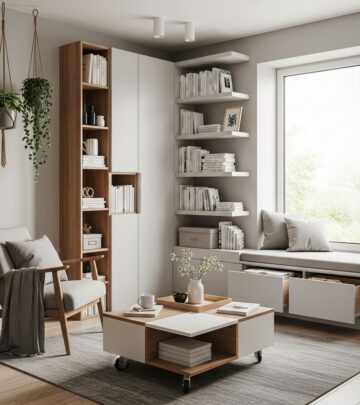
Living areas tend to gather items from every part of the house. A few simple systems help you stay ahead of both dust and clutter without buying expensive organizers.
- Basket strategy: Keep one or two inexpensive baskets in the room. Throughout the day, drop stray items inside. Once or twice a week, carry the basket and return items to their true homes.
- Microfiber dusting: Instead of buying disposable dusting pads, slightly dampen a microfiber cloth. Wipe surfaces in one direction and rinse the cloth when it looks dusty.
- Fabric refresh: Lightly sprinkle baking soda on upholstered furniture, let it sit for 15–20 minutes, and vacuum. This helps reduce odors without buying specialty sprays.
Bedroom: Calm, Clean, and Clutter-Light
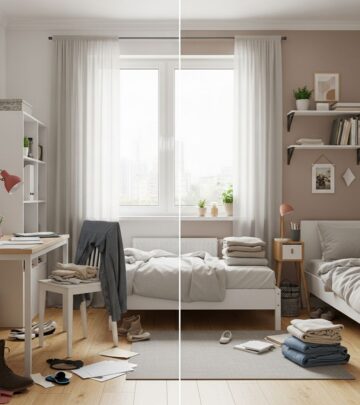
A peaceful bedroom makes it easier to sleep and get ready in the morning. Many budget-friendly cleaning wins in this space are really about preventing piles from forming.
- Set a “landing zone”: Use a small basket or tray on the dresser for keys, watches, or jewelry so items do not scatter across surfaces.
- Adopt a three-minute floor scan: Each night, hang up clothing you can rewear, place dirty items directly in a hamper, and remove anything that belongs in another room.
- Rotate bedding smartly: Keep two sets of sheets per bed. Wash and immediately put the fresh set on so you skip folding and storing large linens.
Daily, Weekly, and Monthly: A Simple Routine
Instead of spending entire weekends cleaning, spread tasks into short bursts. A basic schedule ensures your home never gets so messy that you feel you need a total reset.
| Frequency | Focus Areas | Example Tasks |
|---|---|---|
| Daily | Surfaces & dishes | Quick counter wipe-down, dish cleanup, bathroom sink swipe, clutter basket check. |
| Weekly | Floors & fabrics | Vacuum or sweep, mop high-traffic areas, wash sheets and towels, dust main rooms. |
| Monthly | Detail spots | Wipe baseboards, clean inside fridge, deep-clean one appliance, declutter one drawer. |
Using What You Already Have
Before buying new cleaning gadgets, look around your home. Many everyday items can double as effective cleaning tools, saving both money and storage space.
- Old socks as dust mitts: Slip them over your hand to dust blinds, rails, or baseboards.
- Toothbrushes for detail work: Retire old toothbrushes to scrub grout lines, faucet bases, and narrow crevices.
- Jars and containers: Save glass jars or sturdy plastic containers to hold clothespins, sponges, or DIY cleaning mixes.
- Newspaper or lint-free fabrics: Use to clean windows and mirrors for a streak-minimizing finish.
Small Habit Shifts That Save Time
Even the cheapest cleaning supplies will not help if messes are allowed to grow unchecked. Tiny daily habits keep your budget-friendly efforts from turning into marathon cleaning days.
The “One-Minute Rule”
Any task that takes less than a minute—wiping a small spill, putting shoes away, closing cupboard doors—gets done right away. Over time, this mindset prevents clutter piles from ever forming.
Clean by Zone, Not by Room
If whole-room cleaning feels overwhelming, shift to zones. Focus exclusively on one area, like “all countertops” or “all sinks” across the home. This lets you reuse the same tools without constant switching and often feels faster.
Eco-Conscious on a Budget
Being kind to the environment does not have to be expensive. In fact, many budget cleaning tricks are naturally more eco-friendly because they favor reusable items and simpler formulas.
- Reuse cloths instead of disposable wipes: Wash rags and microfiber cloths with your regular laundry.
- Mix smaller batches: Make small amounts of DIY cleaner so you use them up and do not waste ingredients.
- Repurpose containers: Refill spray bottles and storage jars instead of buying new plastic every time.
Frequently Asked Questions
1. Are homemade cleaners always safe for every surface?
No. While simple mixtures are effective, they are not universal. For example, acidic solutions like vinegar can damage natural stone surfaces such as marble, granite, and some tiles. Always test a small, hidden area first and follow manufacturer recommendations for special materials.
2. How can I keep my home clean if I have very little time?
Focus on short, consistent routines instead of big cleaning days. Choose one or two non-negotiable tasks, like doing dishes nightly and wiping bathroom sinks, and treat them like brushing your teeth. Once that feels automatic, add one more small habit such as a quick floor sweep or a five-minute declutter session.
3. Do I need separate cleaners for every room?
Generally, no. A gentle all-purpose spray, a mild scrub paste, and dish soap can cover a surprising amount of your home. You might still want a specialty product for toilets or heavily soiled areas, but most everyday tasks can be handled by a small set of multipurpose supplies.
4. How often should I deep-clean appliances and hidden areas?
A realistic approach is to focus on one appliance or hidden zone each month. One month, scrub the oven; the next month, clean the fridge interior; another month, wash window tracks or vents. Spreading it out this way keeps the workload small and predictable without requiring expensive professional services.
5. What is the easiest place to start if my home feels overwhelmingly messy?
Start with the area you see first thing each morning or just inside your front door. Clear surfaces, remove obvious trash, and create one small calm zone you can maintain. That visual win often provides the motivation and confidence to tackle the next space without spending extra money on new products or organizers.
Make Budget Cleaning Work for You
A cleaner home does not require a bigger budget; it requires a smarter plan. Lean on a handful of affordable supplies, build a few short routines into your day, and reuse what you already own in creative ways. Over time, these small, sustainable habits will leave your home tidier, fresher, and easier to manage—without straining your wallet.
Similar Articles



Read full bio of Sneha Tete