Smart Ways to Expand a Small Patio and Transform Your Backyard
Create more living space outdoors without starting from scratch
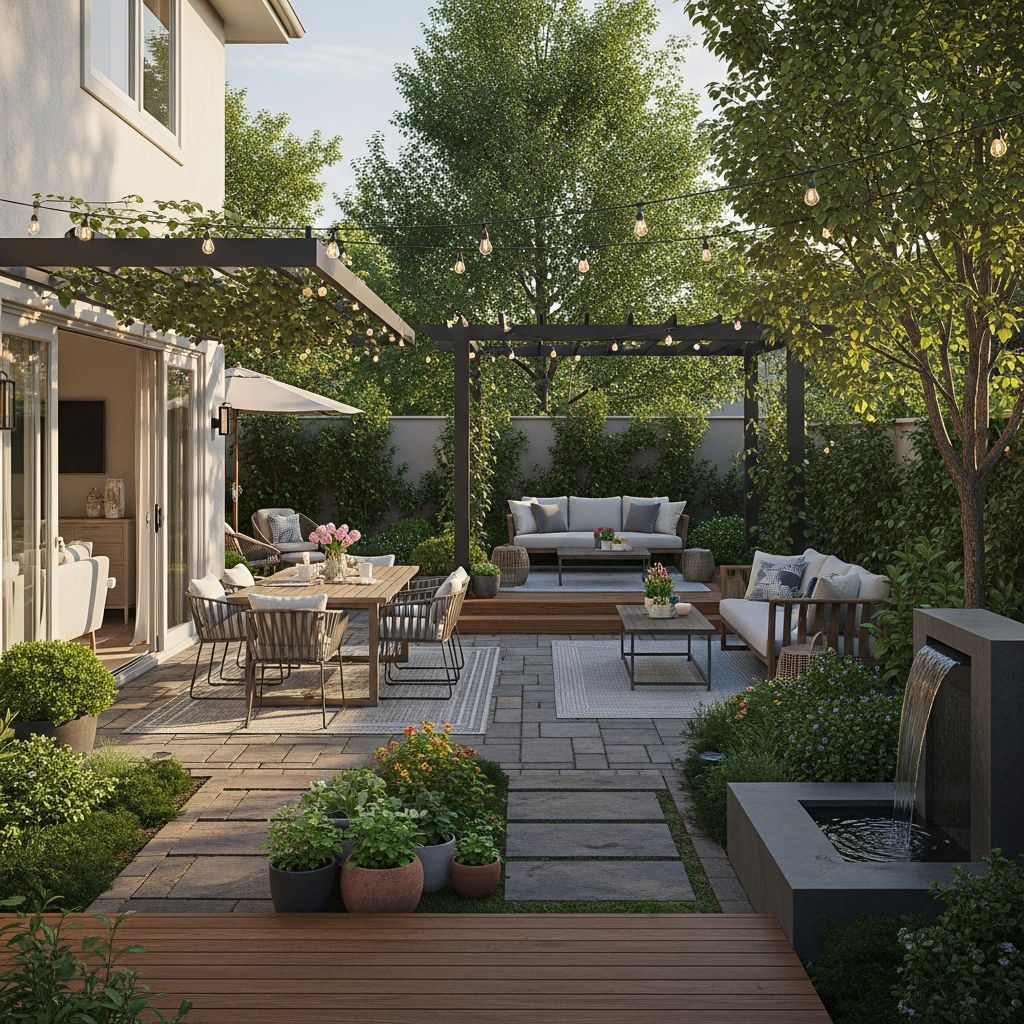
Extending a patio is one of the most effective ways to gain usable square footage outdoors without building an addition to your home. With smart planning, you can turn a cramped concrete pad into a flexible outdoor living room that works for relaxing, dining, and entertaining.
This guide walks through practical, design-forward patio extension ideas—from simple gravel add-ons to multi-level layouts—along with tips on materials, budgeting, and comfort so your upgraded space feels like a natural extension of your home.
Start With a Vision, Not Just Square Footage
Before picking materials or calling a contractor, clarify how you want to use the extra space. A lounge area has very different needs than an outdoor kitchen, and getting clear on function will guide all other decisions.
- List your priorities: Relaxing, dining, kids’ play, gardening, grilling, or a mix.
- Count regular users: A patio for two reads very differently than a space that must host ten.
- Note problem spots: Areas that are too sunny, muddy, sloped, or lack privacy.
Once you have a vision, sketch a rough layout on paper. Block out zones for seating, walking paths, and focal points like a fire pit or water feature to ensure the extension feels intentional rather than randomly added on.
Smart Layouts for Patio Extensions
The way you shape and connect your new patio surface determines whether it feels cramped or expansive. Instead of simply adding a rectangle, consider how form and flow can improve the entire backyard.
L-Shaped and Wraparound Additions
Adding an L-shaped or wraparound extension helps create natural zones without building separate patios. You can keep dining near the door for convenience and use the side leg of the “L” as a lounge or reading nook.
- Place seating along the longer leg to lead the eye outward into the yard.
- Use planters or low walls at the corner of the “L” to define each zone.
- Vary furniture styles slightly between areas to reinforce their different purposes.
Stepped or Multi-Level Patios
If your yard slopes away from the house, a multi-level extension can look more polished than a large flat slab. A small step down creates a subtle transition that feels like a separate room, without disconnecting it from the main patio.
- Use the upper level for dining, closer to the kitchen.
- Reserve the lower level for a fire pit, lounge chairs, or a hot tub.
- Integrate wide steps that double as casual seating during parties.
Curved and Organic Shapes
Curved patio extensions can soften boxy architecture and blend more naturally with landscaping. They also make it easier to work around trees, garden beds, or existing walkways.
- Use sweeping curves to direct movement around the yard.
- Transition with planting beds at the edge of the curve instead of a hard border.
- Choose modular pavers or small stones that adapt easily to rounded forms.
Choosing the Right Surface Material
Your patio extension does not have to match the existing surface exactly, but it should complement it. Mixing textures and colors can add visual interest while still looking intentional.
| Material | Look & Feel | Cost Level* | Maintenance | Best Use |
|---|---|---|---|---|
| Concrete (poured) | Clean, modern, can be stained or stamped | $$ | Low; occasional sealing, crack monitoring | Large, simple expansions; contemporary homes |
| Concrete pavers | Neat pattern, many colors and shapes | $$–$$$ | Moderate; weed control in joints, occasional leveling | Defined zones, paths, and borders |
| Natural stone | High-end, organic, varied texture | $$$–$$$$ | Moderate; sealing, re-leveling in freeze–thaw climates | Showpiece patios, focal areas, curved layouts |
| Gravel | Casual, relaxed, great drainage | $ | Higher; raking, topping up, edging control | Budget extensions, dining under trees, flexible shapes |
| Decking (wood or composite) | Warm, elevated, indoor-like | $$–$$$ | Varies; staining for wood, cleaning for composites | Sloped yards, transitions from door to yard |
*Cost indicators are relative and can vary by region and design complexity.
Budget-Friendly Extension Strategies
Extending a patio does not have to be a major construction project. Several low-cost ideas can significantly expand usable space while leaving room for upgrades later.
- Gravel or crushed stone pad: Frame an area with simple edging, lay landscape fabric, and fill with gravel for an easy, permeable extension.
- Stepping-stone lounge area: Set large pavers in a bed of gravel or ground cover to create a casual seating zone beside the main patio.
- Modular deck tiles: Use interlocking tiles over a level surface to create a temporary or semi-permanent extension, ideal for renters.
These options keep costs down while still giving you more surface area for furniture, plants, and decor. You can always “upgrade” part of the space later with more permanent materials once you confirm how you actually use it.
Creating Functional Zones That Feel Cohesive
The most successful patio extensions do more than add square footage. They turn a blank slab into a layered outdoor room with dedicated zones that work together visually and practically.
Outdoor Living Room
A lounge-focused extension emphasizes comfort and conversation. Think of it as a second living room with weather-friendly finishes.
- Arrange a sectional or deep chairs around a low table or fire feature.
- Ground the area with an outdoor rug that defines the seating “island.”
- Include side tables so guests have a place for drinks and books.
Open-Air Dining Zone
Extending your patio to include a dining table lets you shift family meals outside when the weather is pleasant. Place this zone where it is easy to move food from the kitchen and still enjoy views of the yard.
- Allow at least 3 feet of clearance around the table for chairs to slide back comfortably.
- Choose durable, easy-to-clean materials like metal or treated wood.
- Add string lights or a pendant over the table to mimic indoor dining ambience.
Fire Pit or Hearth Area
A fire feature can anchor a new patio extension, turning a corner of the yard into a four-season gathering spot. Whether you choose a built-in pit or a freestanding unit, plan for safety and seating.
- Use noncombustible surface materials within a safe radius of the fire feature.
- Arrange chairs or built-in benches in a semi-circle to encourage conversation.
- Consider a gas line for convenience or a wood-burning option for traditional ambience.
Shade, Shelter, and Year-Round Comfort
Square footage only matters if people want to spend time outside. Adding shade, wind protection, and small comforts turns a simple extension into a true outdoor room.
Pergolas, Awnings, and Roof Extensions
A vertical structure over part of the extension helps define the space while controlling sun and rain. Even a small covered section adds a huge amount of flexibility.
- Pergolas provide filtered shade and a framework for vines or outdoor curtains.
- Retractable awnings let you adjust coverage depending on time of day and season.
- Solid roof extensions make it possible to leave furniture and cushions out longer.
Lighting for Evening Use
Good lighting stretches patio use well past sunset and highlights the new layout. Layer different light types so the space feels inviting rather than harsh.
- Mount sconces or overhead fixtures near doors for safe transitions.
- Hang string lights or lanterns across seating and dining zones to create a warm glow.
- Use solar or low-voltage path lights to mark steps and edges of the extension.
Heating, Cooling, and Soft Comforts
Small additions can dramatically change how much of the year your patio is comfortable.
- Add portable heaters or a fire feature for shoulder seasons.
- Use outdoor fans and misting kits in hotter climates.
- Layer cushions, throws, and outdoor pillows to soften hard surfaces and encourage lingering.
Blending the Extension With Landscaping
Landscaping is the bridge between your hardscape and the rest of the yard. Thoughtful planting can make a newly extended patio look like it has always been there.
- Use planting beds to soften long edges and hide changes in grade.
- Mix heights with low ground covers, medium shrubs, and a few taller structural plants.
- Add planters on the patio itself to repeat colors and textures from the garden.
Privacy planting is especially helpful if your extension faces neighbors or a busy street. Layered hedges, ornamental grasses, or trellises with climbing vines can create a green backdrop that feels both cozy and open.
Practical Planning: Size, Scale, and Code
Even the most beautiful patio extension can be frustrating if it is hard to navigate or runs into compliance issues. A few planning guidelines help avoid common pitfalls.
- Respect scale: An extension that dwarfs a small house can feel out of balance; aim for a size that fits your architecture and lot.
- Leave circulation paths: Keep clear walkways from doors to gates, sheds, and outdoor utilities.
- Check local requirements: Permits, setbacks, and drainage rules may affect location, height, and materials.
If your extension affects how water drains away from the house, consult a professional to avoid puddling near the foundation. Proper slope and, when needed, drains or dry wells will protect both the patio and your home.
Simple Steps for a DIY-Friendly Extension
Many homeowners tackle at least part of a patio extension themselves. While large concrete pours or structural roofs are often best left to pros, there are several manageable projects for a handy DIYer.
- Assess and measure: Mark the desired extension area with stakes and string. Double-check clearances for furniture, doors, and grills.
- Prepare the base: Remove sod and roots, level the soil, and add compacted gravel whereappropriate.
- Install edging: Use metal, plastic, or stone borders to contain gravel or pavers and define the shape.
- Add surface material: Lay pavers, spread gravel, or install decking according to manufacturer instructions.
- Furnish and style: Bring in seating, rugs, lighting, and plants to finish the space.
Even a weekend project, such as adding a gravel sitting area or a paver path that connects the main patio to a new fire pit zone, can dramatically enhance how the backyard feels and functions.
SEO-Friendly FAQs About Patio Extensions
How big should a patio extension be?
A practical guideline is to size your patio extension based on how many people you expect to host regularly and what activities it must support. For a small seating area for four, allow enough space for chairs to be pulled out comfortably and for people to walk around without squeezing behind furniture.
Do I need to match my existing patio material?
Matching the original material isn’t required, but coordinating color, texture, or pattern helps the old and new sections feel unified. Many homeowners use a complementary material for the new area and tie the two together with border pavers, repeated colors, or a shared pattern band.
Is it cheaper to extend a patio with concrete or pavers?
Plain poured concrete is often the most affordable option for straightforward, larger expansions, especially when installed by a professional. Pavers can cost more up front but offer easier repairs, flexible designs, and a more detailed look that many people prefer for visible entertaining areas.
Can I extend a patio on a slope?
Yes, sloped yards can often accommodate patio extensions by using retaining walls, terracing, or raised decks. The key is to manage drainage and soilmovement, which may require professional input for larger changes in elevation.
How can I make a small patio feel bigger without adding much space?
Strategic furniture placement, multi-functional pieces (like storage benches), lighter colors, and diagonal layouts can make a small patio feel more open. Adding mirrors, vertical planters, and well-placed lighting also visually expand the area even if the footprint only grows slightly.
Similar Articles








Read full bio of Sneha Tete