15 Smart Weekend Upgrades That Make Your Home Feel Brand New
Fast, affordable changes that boost comfort, style, and value in every room.
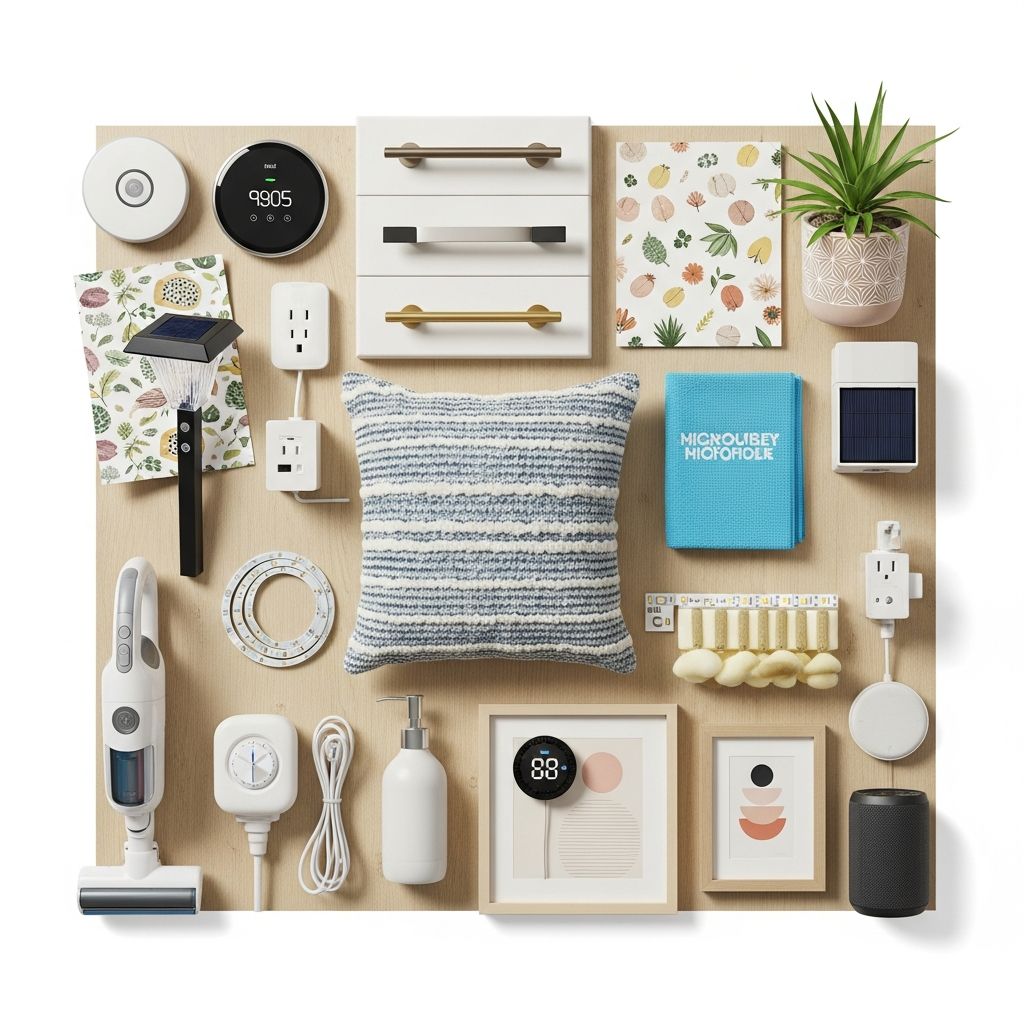
If a full renovation is not in the budget but your home feels tired, a series of focused weekend upgrades can dramatically refresh how every room looks and works. Instead of chasing trends, these ideas prioritize comfort, function, and long-term value so your home feels more like a retreat and less like a to-do list.
Why Small Changes Have Big Impact
Major remodels are expensive and disruptive, but smaller projects often touch the parts of your home you interact with every single day. Updating surfaces, lighting, and storage can change how you move, relax, and work at home without touching walls or major systems.
By targeting areas guests notice first—like entries, lighting, and finishes—you improve both daily livability and the impression your home makes on visitors or potential buyers.
Quick Reference: High-Impact Upgrades
| Upgrade | Typical Time | Skill Level | Main Benefit |
|---|---|---|---|
| Layered lighting refresh | 1 weekend | Beginner–Intermediate | Better mood and function |
| Interior repainting | 1–2 weekends | Beginner | Instant visual transformation |
| Entry and curb appeal | 1 weekend | Beginner | Stronger first impression |
| Smart thermostat & bulbs | Half day | Beginner | Comfort and energy savings |
| Bathroom mini-makeover | 1 weekend | Beginner–Intermediate | Spa-like feel on a budget |
1. Transform Rooms With Layered Lighting
Lighting controls how your home feels at every hour, yet many spaces rely on a single overhead fixture that creates harsh shadows and flat, uninviting light. A layered approach uses a mix of overhead, task, and accent sources so each room can shift from bright and functional to cozy and relaxing.
- Replace outdated ceiling fixtures with simple, modern pendants or flush mounts sized correctly for the room.
- Add plug-in wall sconces or table lamps beside beds, sofas, and desks for focused task lighting.
- Use dimmable LED bulbs to fine-tune brightness and color temperature for different times of day.
Even if you never move a wall, better lighting can make rooms feel larger, warmer, and far more expensive.
2. Refresh Walls With Thoughtful Color
Paint is still the most budget-friendly way to completely change a room. Neutral bases with subtle undertones make spaces flexible, while a deep, moody shade on one accent wall or in a small room can add drama without overwhelming the house.
- Use soft neutrals in main living areas so furniture and decor can evolve over time.
- Try rich tones in smaller spaces like powder rooms or home offices for a jewel-box effect.
- Consider washable finishes in high-traffic zones like hallways, mudrooms, and kids’ spaces.
Before committing, paint large sample swatches and observe them in daylight and at night; color shifts dramatically depending on lighting and flooring nearby.
3. Upgrade Hardware for an Instant Style Lift
Cabinet knobs, pulls, and door hardware may be small, but they act like jewelry for the home. Swapping builder-grade pieces for more substantial, coordinated options can make older cabinets and doors look intentionally designed instead of dated.
- Choose a consistent metal finish for each zone (for example, matte black in the bathroom, brushed brass in the kitchen).
- Measure existing hole spacing on cabinet doors and drawers to avoid patching or drilling new holes.
- Replace at least the front-door handle set and interior lever on main living areas for a cohesive look.
Because these swaps require only a screwdriver and some patience, they are ideal starter projects for cautious DIYers.
4. Reimagine Storage So Every Item Has a Home
Clutter often signals that the home’s storage does not match the way you actually live. Instead of buying more bins, design storage around daily habits, focusing on zones where things pile up, like entryways, kitchen counters, and bedroom chairs.
- Install wall-mounted hooks and a shallow bench near the door for coats, bags, and shoes.
- Add rollout trays or tiered organizers inside kitchen and bathroom cabinets to use full depth.
- Use under-bed drawers, over-door racks, and closet double rods to unlock vertical space.
When everything has a designated spot within reach of where it is used, surfaces clear automatically and the home feels calmer.
5. Create a Welcoming Entry Inside and Out
The path from street to sofa shapes how both you and guests experience your home. Improving this route with small touches creates a sense of arrival and makes coming home feel special every day.
- Upgrade the front door color, hardware, and house numbers for a crisp, intentional look.
- Layer a durable indoor-outdoor rug with a clean doormat to define the threshold and capture dirt.
- Inside, use a narrow console, small table, or wall shelf with a tray for keys and mail.
Good exterior lighting, plants in simple pots, and a clutter-free foyer together form a strong first impression before anyone steps fully inside.
6. Modernize the Bathroom Without a Gut Remodel
Bathrooms date quickly because fixtures, tile, and lighting are so visible in a compact space. Fortunately, subtle cosmetic updates can create a spa-like feel without moving plumbing or tearing out walls.
- Replace a harsh vanity light bar with a pair of sconces or a soft, diffused fixture.
- Swap a basic mirror for a framed or backlit version that fits the vanity width.
- Update textiles—shower curtain, towels, bathmat—to a cohesive, calming palette.
For a little extra impact, consider painting the vanity, adding new hardware, and re-caulking the tub or shower for a crisp, clean finish.
7. Give the Kitchen a Cosmetic Lift
Kitchens are the heart of the home and often the most expensive rooms to renovate, but thoughtful surface-level improvements can stretch the life of existing cabinets and layouts. Focus on what you see and touch first: doors, counters, backsplash, and lighting.
- Install under-cabinet LED strips or pucks to eliminate dark countertops and improve prep visibility.
- Consider peel-and-stick backsplash tiles as a temporary, removable upgrade for dated walls.
- Replace a few upper cabinet doors with glass or remove doors entirely on one section for a lighter look.
Even just decluttering counters, decanting staples into matching containers, and styling one open shelf can make the kitchen feel more intentional.
8. Upgrade Flooring in Strategic Zones
Flooring ties rooms together visually and affects how durable and easy to clean your home feels. Full-house replacements may be a long-term goal, but you can get meaningful improvement by targeting high-traffic and highly visible areas first.
- Use large, low-pile rugs to unify seating areas and cover worn sections of older floors.
- Install luxury vinyl plank or laminate in hallways, mudrooms, and basements for durability and water resistance.
- Refresh wood floors with a deep clean and polish, or hire out sanding and refinishing when the budget allows.
Keeping flooring materials and colors consistent across adjoining rooms makes spaces feel larger and more cohesive.
9. Layer Textiles for Comfort and Warmth
Textiles are often overlooked, yet they dramatically influence how inviting a room feels. Consider how you might experience a favorite hotel: plush bedding, layered throws, and curtains that soften light all contribute to a sense of retreat.
- Choose a neutral base for big items like sofas and duvets, then add color with pillows and throws.
- Hang curtains high and wide to give the illusion of taller ceilings and larger windows.
- Mix textures such as linen, velvet, and chunky knits for depth, even when sticking to a calm color palette.
Because fabrics are easy and relatively inexpensive to swap, they are perfect for seasonal refreshes or experimenting with new styles.
10. Introduce Greenery and Natural Elements
Plants and natural materials instantly soften hard lines and make rooms feel more alive. Whether real or high-quality faux, greenery adds movement and color where traditional decor might feel too static.
- Place tall plants in empty corners to visually lift the eye and soften sharp angles.
- Use smaller potted plants on shelves, nightstands, and bathroom counters for a spa-like effect.
- Incorporate natural materials such as wood trays, woven baskets, and stone coasters to warm up modern spaces.
For low-maintenance options, choose hardy varieties like snake plants, pothos, or succulents, especially in low-light rooms.
11. Add Personality With Art and Photos
Blank walls can make even a nicely furnished room feel unfinished. Art and photography reflect the people who live in the home and can pull together a color scheme, style, or mood in a single step.
- Create a gallery wall with a mix of framed prints, family photos, and meaningful objects like postcards or small textiles.
- Use larger-scale art over sofas and beds to anchor the furniture and avoid a cluttered look.
- Choose frames with similar finishes or colors for cohesion, even when the art styles vary.
Hanging art at eye level with consistent spacing will make the display feel deliberate rather than random.
12. Design a Multi-Use Work and Study Zone
Many homes now need flexible space for work, homework, hobbies, and bill-paying. Instead of scattering laptops and papers across the dining table, carve out one organized, tech-friendly zone where focused tasks can happen.
- Use a slim desk or wall-mounted shelf in a quiet corner, hallway niche, or spare closet.
- Add a comfortable, supportive chair and a dedicated task lamp to signal “work mode.”
- Provide closed storage—such as baskets, drawers, or file boxes—so work items can be hidden when the day is done.
Defining this area with a small rug or artwork helps keep work from visually taking over the entire home.
13. Upgrade to Simple Smart Home Conveniences
Smart upgrades no longer require major rewiring or complicated hubs. A few well-chosen devices can improve comfort, security, and efficiency while staying nearly invisible in your decor.
- Install a smart thermostat to schedule heating and cooling and adjust settings from your phone.
- Use smart plugs or bulbs to automate lamps on timers for security and convenience.
- Consider a video doorbell or smart lock for better front-door control without a full security system.
Start with one or two devices, learn how they work for your household, and expand only as needed.
14. Refresh Outdoor Living and Entertaining Space
Outdoor areas are valuable square footage that often go underused. Treating a patio, balcony, or small yard like a real room encourages you to spend more time outside and can make the home feel significantly larger.
- Define zones with outdoor rugs and furniture groupings for lounging, dining, or container gardening.
- Add string lights, lanterns, or solar path lights for ambiance and safety after dark.
- Choose durable, weather-resistant cushions and planters so upkeep stays reasonable.
Even a tiny balcony can host a bistro set, a couple of plants, and a lantern to create a morning coffee retreat.
15. Address Comfort Basics: Temperature, Sound, and Air
Some of the most satisfying home upgrades are the ones you hardly notice because they remove everyday annoyances. Improving insulation, sealing drafts, softening sound, and refreshing air quality all contribute to a home that feels more restful and healthy.
- Seal gaps around windows and doors with weatherstripping and caulk to reduce drafts and noise.
- Use thick curtains, rugs, and soft furnishings to absorb sound in echo-prone rooms.
- Change HVAC filters regularly and consider a portable air purifier in bedrooms or high-traffic areas.
These invisible improvements often make a bigger difference in daily life than purely decorative changes.
Planning Your Weekend Upgrade Roadmap
With so many possibilities, it helps to prioritize upgrades by impact and feasibility. Start with projects that solve daily pain points—like clutter, poor lighting, or uncomfortable seating—before moving on to purely aesthetic upgrades.
- Make a room-by-room list of what bothers you most, then rank by cost, time, and skill required.
- Group related projects, such as painting and hardware swaps, so you only disrupt a room once.
- Set realistic weekend goals and gather tools and supplies in advance to avoid mid-project delays.
Over a few months of consistent, manageable work, these incremental improvements add up to a home that feels intentionally curated and far more enjoyable to live in.
FAQs About Simple Home Upgrades
How do I choose which room to start with?
Begin with the space you use the most or that frustrates you daily. For many people, that is the entry, living room, or kitchen, but it might also be a dark home office or cluttered bedroom. Fixing the most disruptive space first provides motivation to keep going.
What upgrades give the best return on investment?
Cosmetic improvements that are universally appealing—fresh paint, updated lighting, modern hardware, and a clean, functional entry—tend to produce strong value. Kitchens and bathrooms still matter most to buyers, but they often respond well to thoughtful surface-level updates instead of full remodels.
Can I make impactful changes if I am renting?
Yes, focus on reversible or landlord-friendly projects: peel-and-stick wallpaper or backsplash, plug-in lighting, rugs, window treatments, decorative hardware you can swap back, and furniture-based storage. Always confirm with your landlord before making changes that alter surfaces or fixtures.
How can I avoid my home looking too trendy?
Use timeless foundations—simple lines, neutral walls, quality basics—and express trends in smaller, easy-to-change elements like pillows, paint on one accent wall, or inexpensive decor. That way your home can evolve without frequent major overhauls.
What if I am not confident in my DIY skills?
Start with low-risk projects such as changing hardware, hanging curtains, or painting a small room. Watch a few how-to videos, read instructions carefully, and take your time. For anything involving electrical, plumbing, structural changes, or heavy installations, hiring a professional is the safest option.
Similar Articles








Read full bio of Sneha Tete