Smarter Hole Digging: A Complete DIY Guide for Stronger Posts and Easier Excavation
Techniques, tools and tricks to dig cleaner, safer, longer-lasting holes for any outdoor project.
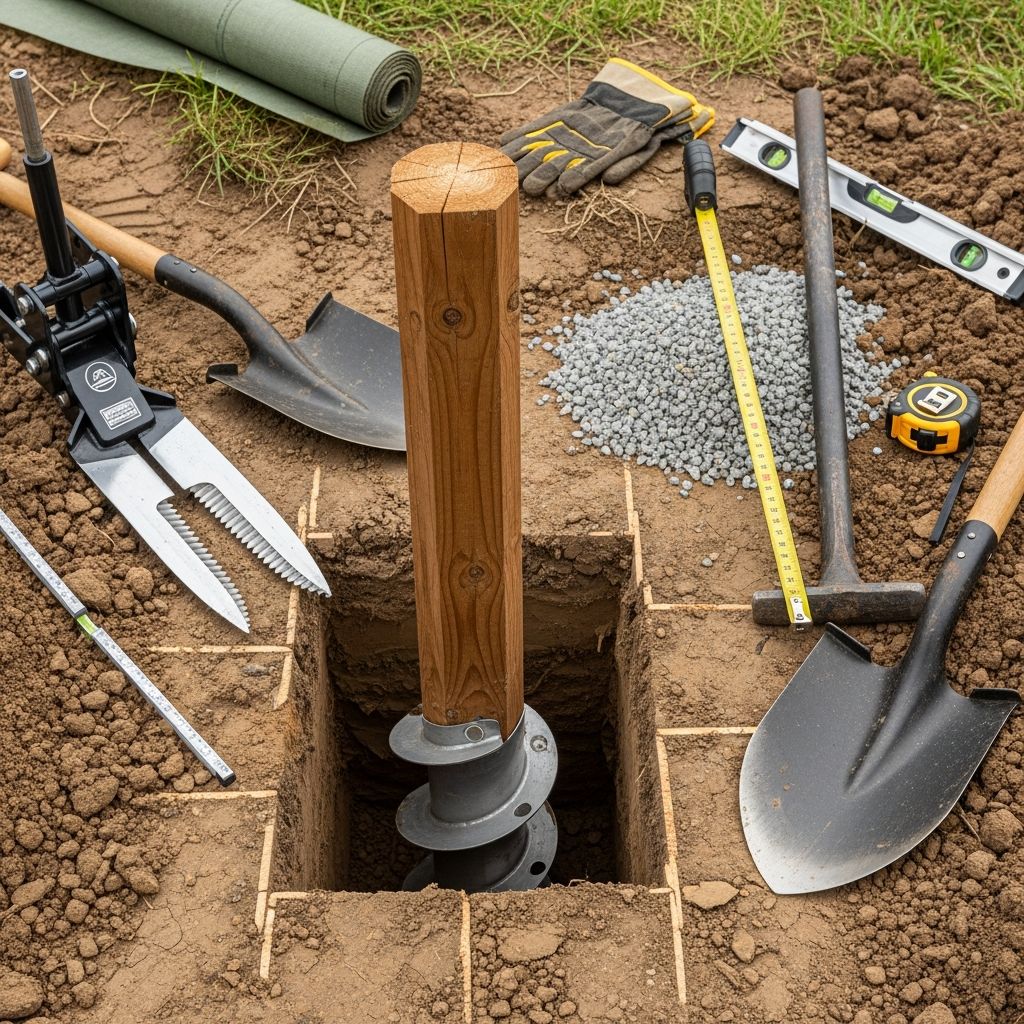
How to Dig Better Holes for Any Outdoor Project
Whether building a fence, setting deck footings or planting a new tree, the quality of the hole often determines how long the project will last. A well-planned hole is easier to dig, supports more weight and is far less likely to settle or lean over time.
Planning Before You Start Digging
Good digging begins long before the shovel hits the ground. A few minutes of planning can save hours of rework, backtracking and frustration later.
- Define the purpose of the hole: Fence post, deck footing, mailbox, pergola, tree, shrub or drainage pit.
- Determine required depth and width: Check local codes for frost depth and structural requirements for posts, footings and retaining structures.
- Map out multiple holes: Use string lines, a tape measure and stakes to keep rows of posts straight and evenly spaced.
Call your local utility-location service before digging deeper than a shallow planting hole. Underground gas, electric, water and communication lines may be closer to the surface than you expect.
Essential Tools for Efficient Hole Digging
The right tools can turn a miserable job into a manageable one. You do not need every specialty tool, but matching your equipment to your soil type makes a big difference.
- Round-point shovel: Best for breaking ground, general digging and shaping the top of the hole.
- Square shovel or scoop shovel: Ideal for removing loose soil and cleaning the bottom of holes or trenches.
- Post hole digger: Useful for narrow, deep holes for fence posts, signs and small footings.
- Digging bar: A heavy steel bar that breaks rocks, roots and compacted clay that stop ordinary shovels cold.
- Hand trowel or narrow trench shovel: Helpful for fine shaping and cleaning around utilities or roots.
- Wheelbarrow, buckets and tarp: Keep excavated soil organized, off the grass and easy to move or reuse.
Protect yourself with gloves, safety glasses, work boots and hearing protection if using power augers or other loud equipment.
Understanding Soil Types and How They Dig
Soil behaves very differently from yard to yard. Recognizing your soil type helps you choose techniques that cut faster and avoid collapsing walls.
| Soil Type | Typical Traits | Digging Strategy |
|---|---|---|
| Loose sand | Falls apart easily, walls collapse, drains quickly | Dig slightly wider, avoid over-digging, use forms or tubes to hold shape |
| Loam / garden soil | Dark, crumbly, easy to dig, moderate moisture | Use standard shovels, maintain vertical walls for strong support |
| Clay | Dense, sticky when wet, rock-hard when dry | Moisten lightly if bone dry, use digging bar to break chunks, remove in layers |
| Rocky soil | Scattered stones, frequent small rocks | Break or pry rocks with a bar, remove stones as you go to prevent binding |
| Gravel / fill | Loose aggregate, may contain debris | Use narrow tools, dig slowly, consider shoring or forms for deeper holes |
If the ground is extremely dry and hard, lightly moisten the area the day before digging. Avoid soaking—saturated clay can turn into a sticky mess that clings to every tool.
Marking and Measuring for Accuracy
Accurate layout keeps posts in line and ensures gates, beams and joists fit later. A few simple layout tricks make a big impact on the finished project.
- Use stakes and string: Stretch lines along the planned fence or deck edge to represent the finished alignment.
- Measure spacing carefully: Mark the center of each hole with spray paint or small stakes based on the project plan.
- Square corners: For decks and rectangular layouts, compare diagonals or use the 3-4-5 triangle method to keep corners true.
Once the centers are marked, outline the top of each hole to match the required diameter, adding a small margin for adjustments and backfilling.
Step-by-Step Method for Digging Post Holes
While exact dimensions vary by project, the same general process works for most fence posts, sign posts and similar vertical elements.
- Score the turf: Cut a neat circle or square around the hole with a shovel or spade, slicing through the grass and roots.
- Remove the sod plug: Lift out the top layer in one piece and set it aside if you plan to reuse it around the finished post.
- Establish the hole shape: Use a shovel to create vertical sides that follow your outline for the top 6–8 inches.
- Dig in layers: Alternate between loosening soil with a shovel or digging bar and lifting it out with a post hole digger or scoop.
- Keep walls as vertical as possible: Avoid creating a cone shape that is wide at the top and narrow at the bottom.
- Check depth frequently: Use a tape measure or a marked stick to avoid over-digging.
- Clean the bottom: Scrape loose material from the base so posts or concrete rest on solid, undisturbed soil.
For deck footings or heavy structures, consider a slightly wider base (a bell shape) below the frost line with straight sides above. This helps resist heaving in cold climates.
Ergonomic Tips to Reduce Fatigue
Digging is demanding work, but smart body mechanics reduce strain and the risk of injury. Treat the job like a workout and pace yourself.
- Use leg power: Drive the shovel with your legs instead of repeatedly bending and relying solely on your back.
- Keep loads modest: Fill the shovel two-thirds full instead of heaping it; more, smaller lifts are easier on joints.
- Switch hands: Change your hand position and lead side regularly to avoid over-working one shoulder.
- Take brief breaks: Pause every 15–20 minutes to stretch, rehydrate and reassess your progress.
- Work in cooler hours: Early morning or late afternoon digging is safer than under intense midday heat.
Using a digging bar for hard soil lets gravity do much of the work. Lift with a straight back and let the weight of the bar drive through compacted layers.
Keeping Holes Straight, Plumb and Consistent
Crooked holes lead to leaning posts and wavy fences. Controlling alignment while digging makes later adjustments far easier.
- Check plumb repeatedly: Hold a level against the post after it is set but also check the sides of the hole with a straight board as you dig.
- Maintain diameter: When using a post hole digger, avoid excessive side-to-side prying that widens the top while leaving the bottom narrow.
- Use guides: For long fence runs, clamp temporary boards to neighboring posts or stakes to establish a visual reference line.
When multiple posts share a single beam, dig and roughly set all posts before final leveling and fastening. This approach lets you tweak individual holes to bring everything into alignment.
Dealing with Rocks, Roots and Other Obstacles
Few holes go perfectly. Obstacles underground can slow progress, but there are predictable ways to handle them.
- Small rocks: Loosen them with a digging bar or narrow shovel, then lift them out with the post hole digger or by hand.
- Large rocks: If a rock is bigger than the hole, consider shifting the hole location a few inches or enlarging the hole and backfilling one side.
- Tree roots: Cut smaller roots cleanly with a pruning saw or axe. Avoid removing large structural roots of healthy trees when possible.
- Buried debris: Remove bricks, old concrete, or construction scrap that could prevent posts or footings from bearing on solid soil.
If constant obstructions slow progress, a rented power auger may save time, but always follow safety instructions and maintain a firm stance with both hands on the machine.
Managing Excavated Soil and Backfill
What comes out of the hole matters just as much as what goes back in. Thoughtful soil management keeps the site neat and supports long-term stability.
- Stage soil away from the edge: Pile spoil at least a foot from the hole to reduce the risk of cave-ins.
- Separate topsoil and subsoil: Keep rich topsoil aside for landscaping while using denser subsoil as structural backfill around posts.
- Reuse or remove: Plan whether soil will refill the hole, level low spots in the yard or be hauled away.
When setting posts without concrete, add soil back in thin layers and tamp firmly around the post as you go. Good compaction greatly reduces leaning and settlement over time.
Safety Practices Every DIY Digger Should Follow
Safety is more than just protective gear. Good habits and awareness prevent accidents and property damage.
- Locate utilities: Never dig blindly where buried lines may be present; call your local marking service and observe their flags and paint codes.
- Stabilize deep holes: In loose or sandy soil, avoid leaving deep, narrow holes open and unattended; mark or cover them if work pauses.
- Mind your footing: Wet clay, loose gravel and soil piles can be surprisingly slippery, especially on slopes.
- Use tools correctly: Do not over-leverage shovels or bars in ways that could cause sudden breaks or loss of balance.
Think ahead about how children, pets or visitors might encounter the work area and set up temporary barriers where appropriate.
Common Hole-Digging Mistakes to Avoid
Many frustrating problems share the same causes. Steering clear of a few common mistakes makes your project smoother and more durable.
- Holes too shallow: Posts that do not extend below frost depth or into firm soil can heave or lean quickly.
- Over-sized openings: Very wide holes require excessive backfill or concrete and can weaken the surrounding soil.
- Conical, narrow-bottom holes: A small base under a wide top concentrates loads and encourages movement.
- Poor drainage: Holes that collect water, especially around wood posts, accelerate rot and frost damage.
- Rushing layout: Misaligned posts often trace back to sloppy measuring and marking, not the digging itself.
A five-minute check with a level, tape and layout string after each hole can prevent hours of correction once concrete has hardened.
Frequently Asked Questions About Digging Holes
How deep should fence post holes be?
A common rule of thumb is to bury at least one-third of the post length in the ground. In cold regions, the bottom of the hole should extend below the local frost line to reduce heaving. Always confirm with local building codes and guidelines for your specific structure.
Is it better to use concrete or packed soil around posts?
Concrete provides strong support and is often used for decks, gates and heavy fences. Tightly compacted soil or gravel backfill can work well for lighter fences and allows easier post replacement later. The best approach depends on soil type, load and climate.
What can make digging in clay easier?
In very dry conditions, lightly dampen the ground the day before you dig, then use a digging bar to break the clay into manageable chunks. Avoid digging when clay is saturated and sticky, since it adheres to tools and makes neat holes difficult.
Should I rent a power auger?
A power auger saves time on multiple deep holes, especially in uniform soil. However, it can struggle with large rocks, big roots and very loose or wet material. For a few holes or difficult ground, manual tools may provide more control and safety.
How do I keep holes from collapsing while working?
Keep soil piles away from the edge, do not over-widen the top of the hole and avoid soaking the surrounding ground. In very loose soil, consider temporary forms, tubes or boards to support the sides, and avoid leaving deep holes open longer than necessary.
Bringing It All Together
Digging better holes is less about brute strength and more about planning, choosing the right tools and working with the soil instead of against it. With careful layout, layered excavation, consistent checking and attention to safety, even a long row of post holes becomes a manageable weekend project.
Apply these strategies to your next fence, deck, mailbox or planting job and the holes you dig will support straighter, stronger, longer-lasting outdoor structures.
Similar Articles







Read full bio of Sneha Tete