Smarter Leftovers: Choosing Modern Containers That Actually Work
How to pick the right containers so last night’s dinner becomes tomorrow’s easy, safe meal instead of forgotten waste.
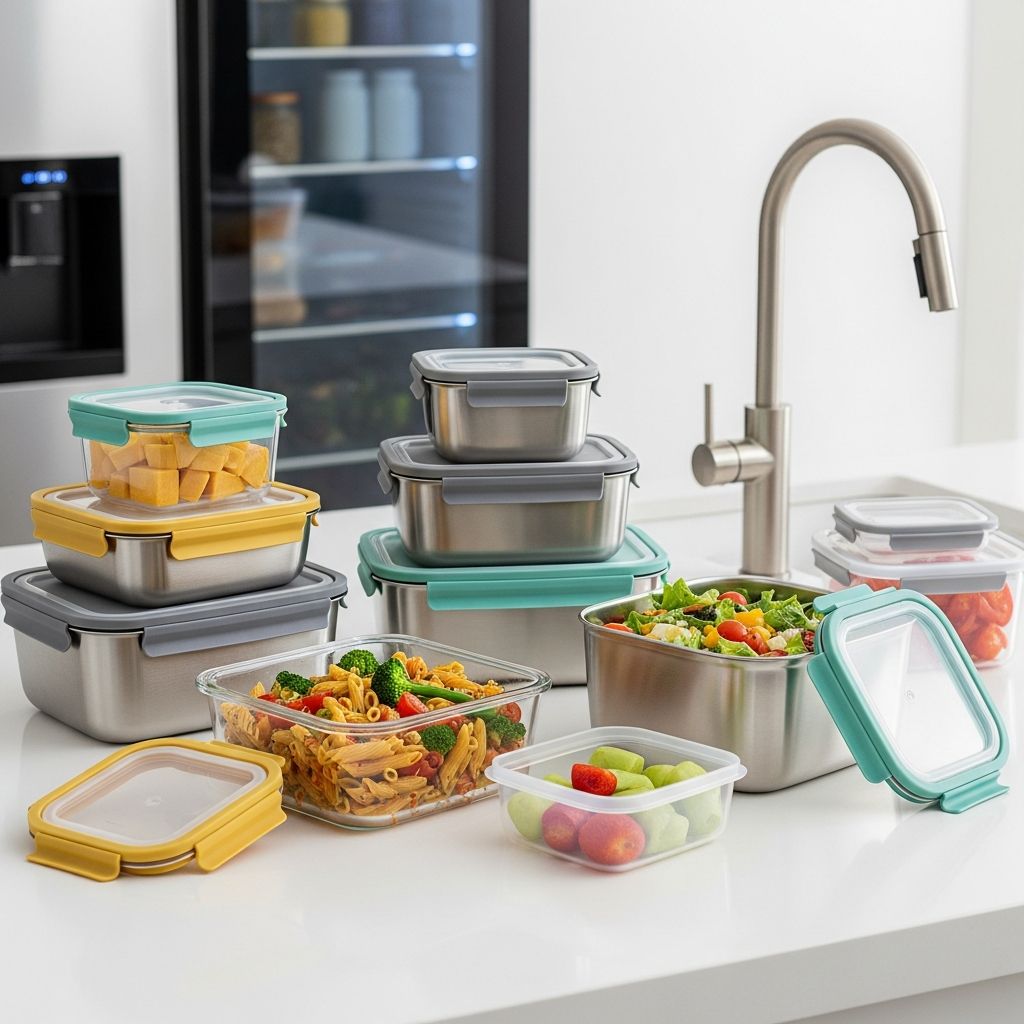
Good containers turn leftovers into a convenience, not a clutter problem. The right shapes, materials, and lids can keep food fresher for longer, make reheating safer, and stop your fridge from turning into a chaotic mystery zone.
Why Leftover Containers Matter More Than You Think
Food storage containers are more than simple boxes; they protect food from air, moisture, and cross-contamination, which directly affects freshness and safety. They also influence how often leftovers are actually eaten, because clear, well-sized containers make stored food visible, easy to grab, and simple to reheat.
Investing in better containers can reduce food waste, cut grocery costs, and support healthier habits by making home-cooked meals easier to store and portion. Thoughtful choices in materials and design also help avoid unnecessary exposure to heat-sensitive plastics and encourage more sustainable kitchen routines.
Key Features Every Good Container Should Have
Before looking at specific materials, it helps to know what makes any leftover container genuinely useful. A container does not need every possible feature, but a few core qualities dramatically improve performance.
- Airtight and leak-resistant lid: Helps slow down spoilage, keeps odors from spreading, and prevents soups or sauces from spilling in bags.
- Clear walls or labeling space: Makes it easier to see what is inside or note the contents and date without opening the lid.
- Stackable design: Flat or nested designs reduce clutter and help you maximize shelf, fridge, and freezer space.
- Appropriate heat rating: Containers should be clearly marked for fridge, freezer, microwave, or oven use and used within those limits.
- Easy to clean: Smooth interiors and removable seals or gaskets help avoid trapped residue and lingering smells.
Comparing Popular Container Materials
Each container material has strengths and trade-offs. Understanding these makes it easier to build a small, intentional collection instead of a mismatched pile that never seems quite right.
| Material | Best Uses | Pros | Considerations |
|---|---|---|---|
| Glass | Everyday leftovers, oven reheating, visible fridge storage | Non-reactive, resists stains and odors, usually microwave- and oven-safe (without plastic lids) | Heavier, can break if dropped, may be less ideal for young kids’ lunches |
| Plastic (food-grade) | Lightweight lunch containers, dry snacks, freezer storage | Light, affordable, often nested sets with many sizes | Can scratch or stain, may warp in high heat, some types are not ideal for repeated hot use |
| Stainless steel | Portable lunches, durable storage, outdoor use | Very durable, non-reactive, often lighter than glass, resists odors | Not microwave-safe, typically opaque so contents are not visible |
| Silicone | Flexible bags, collapsible containers, baking and freezing | Flexible, often oven- and freezer-safe, good for space-saving designs | Can retain some smells, may be less rigid for stacking when full of liquid |
| Ceramic | Serving leftovers oven-to-table, baked casseroles | Attractive, good for baking and serving, non-reactive | Heavier, more fragile, often lacks fully airtight lids |
Glass Containers: Clear, Safe, and Versatile
Glass containers are a favorite for leftovers because they do not absorb smells or colors from tomato sauces, curry, or strong marinades. Many glass bases can move from fridge to oven, then to the table, which cuts down on extra dishes and makes reheating more straightforward.
When using glass, look for containers made from tempered or borosilicate glass designed to handle temperature swings. Avoid placing hot glass directly on cold surfaces or transferring it abruptly from freezer to high heat, and follow the manufacturer’s instructions for safe temperature ranges.
- Choose assorted sizes: shallow rectangular dishes for lasagna or casseroles, small squares for side dishes, and medium rounds for soups or stews.
- Pick lids with gaskets or clips if you carry food to work or need better leak resistance.
- Reserve glass for reheating in the oven or microwave, while using separate lids if they are not heat-safe.
Plastic Containers: Lightweight Workhorses When Used Wisely
Plastic containers are convenient for packing lunches, freezing portions, and storing dry goods because they are lightweight and resistant to breakage. They are often sold in large sets, which can make it easier to portion snacks, chopped vegetables, and bulk ingredients.
For safety and durability, choose containers clearly labeled as food-safe and suitable for the uses you have in mind, such as freezer or microwave. Avoid heavily scratched or warped pieces, and try not to expose plastic to unnecessary high heat, especially if it is not specifically rated for reheating.
- Dedicate some plastic containers to cold storage only, like salads, fruit, or pantry items.
- Use stackable sets with matching lids to avoid the common problem of lid chaos.
- Retire old containers that are discolored, cracked, or difficult to clean, and reuse them for non-food storage instead of throwing them away immediately.
Stainless Steel Containers: Durable for Meals on the Go
Stainless steel containers suit people who need sturdy, portable storage for lunches, snacks, and meal prep. They handle bumps in bags, do not shatter, and resist staining, which makes them appealing for commutes, school, or outdoor activities.
Because stainless steel is not microwave-safe, these containers work best when you plan to transfer food to a microwave-safe dish or have access to a stove or oven for reheating. Some models include gaskets and locking lids to improve leak resistance, which is helpful for sauces or dressings.
- Choose divided stainless steel boxes to keep wet and dry items separate, such as salads and crunchy toppings.
- Pair stainless containers with small screw-top jars for sauces or dips to avoid soggy meals.
- Look for dishwasher-safe designs if convenience is a priority.
Silicone Bags and Collapsible Containers: Flexible Space Savers
Silicone food bags and collapsible containers add flexibility where rigid boxes fall short. They conform to oddly shaped items, take up less space when empty, and can handle both hot and cold applications, depending on the specific product.
Because silicone is soft, it is ideal for freezer storage of flat-packed soups, sauces, or smoothie portions, which can then be stacked like files. Collapsible bowls work well for snacks, leftovers in small kitchens, or camping situations where saving space is essential.
- Use stand-up silicone bags for marinating items without leaking all over the fridge.
- Lay filled bags flat to freeze, then store them upright in bins for a library-style freezer layout.
- Check whether your silicone containers are rated for oven or microwave use before exposing them to high heat.
Ceramic and Oven-to-Table Dishes: When Presentation Matters
Ceramic dishes shine when you want leftovers that can go straight from fridge to oven to table. They are excellent for baked pasta, casseroles, roasted vegetables, and breakfast bakes that you plan to reheat and serve to guests or family.
However, many ceramic dishes do not include fully airtight lids, so they are better for short-term storage or for use with secondary covers like reusable wraps. Consider them as part of a broader container system rather than your only option.
- Store baked dishes in their original pan and cover tightly with a compatible lid or reusable cover.
- Label the outside with painter’s tape for easy removal and note the contents and date.
- Reserve ceramic pieces for foods that will be reheated in the oven rather than grabbed cold for lunches.
Shapes and Sizes: Matching Containers to Real Leftovers
A big reason leftovers languish is poor container sizing. Oversized boxes make small portions look unappealing and take up too much space, while tiny tubs overflow or leak. A small, curated set of shapes will cover most everyday needs.
Useful container sizes to keep on hand
- Single-serving bowls (250–500 ml): Ideal for individual portions of rice, stew, yogurt parfaits, or cut fruit.
- Medium rectangles (800–1200 ml): Great for meal prep lunches, roasted vegetables, or two servings of pasta.
- Large pans (1.5–3 L): For casseroles, family-sized leftovers, or batch-cooked sheet-pan meals.
- Tiny cups (under 200 ml): For dips, sauces, chopped herbs, lemon wedges, or garnishes.
Choosing the right shape
- Rectangular and square: Maximize fridge and freezer space and stack tightly, excellent for meal prep and baking.
- Round: Reheat well in microwaves thanks to even turning, best for soups and stews.
- Shallow, wide dishes: Cool food quickly and reheat more evenly, helpful for grain dishes or roasted vegetables.
How to Organize Containers So You Actually Use Them
Even the best containers are frustrating if lids vanish or stacks topple every time you open the cabinet. A simple organization system can save time and make food storage easier to stick with daily.
Practical organizing tips
- Store containers nested by shape and size, and keep matching lids together in a bin or file-style rack.
- Limit yourself to a few lid types to avoid constantly hunting for the right match.
- Reserve a specific fridge zone for ready-to-eat leftovers so they do not disappear behind jars and condiments.
- Use removable labels or washable markers to note what is inside and when it was cooked.
Simple Safety Habits for Storing Leftovers
Container choice and handling affect both taste and safety. Following a few straightforward practices helps reduce the risk of spoilage and keeps meals pleasant to eat.
- Cool hot foods slightly before sealing, but do not leave them at room temperature for extended periods.
- Divide large batches into shallow containers so they chill faster in the fridge or freezer.
- Keep strong-smelling foods sealed tightly so odors do not spread to other items.
- Regularly check labels and rotate older leftovers to the front so they are eaten first.
Building a Minimal, High-Impact Container Collection
Instead of accumulating endless random containers, aim for a small, deliberate set that covers your routine meals. Start with a few sizes in a primary material you like, then add specialty pieces only if you notice a recurring need.
One practical approach is to rely on glass or another non-reactive material for most indoor storage, then supplement with lightweight options for lunches and travel. Over time, phase out containers that are difficult to stack, hard to clean, or rarely used, and keep the shapes and sizes that genuinely fit your lifestyle.
Frequently Asked Questions About Leftover Containers
How many containers do most households really need? There is no universal number, but many households function well with a small set of matching pieces: for example, four to six single-serving containers, four medium meal-prep size containers, and two to four larger dishes for family-style leftovers. The key is using stackable sets with shared lids so storage remains manageable. Are see-through containers really better than opaque ones? Transparent containers or clear lids make food more visible, which reduces the chance of forgetting about leftovers until they spoil. If you prefer stainless steel or opaque containers, labeling becomes more important so you can quickly tell what is inside. Can the same container go from freezer to oven? Some containers are designed for both freezing and baking, particularly certain glass or ceramic products, but they must be rated for that use and handled carefully. Always check the manufacturer’s instructions, avoid drastic temperature shocks, and remove lids that are not oven-safe. How can I prevent stains and lingering odors? Using non-reactive materials like glass or stainless steel helps avoid persistent stains and smells. For containers prone to discoloration, such as some plastics, you can reserve them for dry goods or lighter-colored foods and store strongly colored sauces in glass or silicone bags instead. What is the best way to label leftovers? Removable freezer tape, painter’s tape, or dedicated food labels work well because they peel off cleanly. Combine them with a simple date and description, such as “chili – dinner,” to make meal planning and rotation much easier.
Similar Articles


Read full bio of medha deb