Smoothing Quartz Countertops: Expert Grinding Techniques
Master the art of grinding quartz surfaces for a flawless finish, from tools to techniques and lasting maintenance tips.
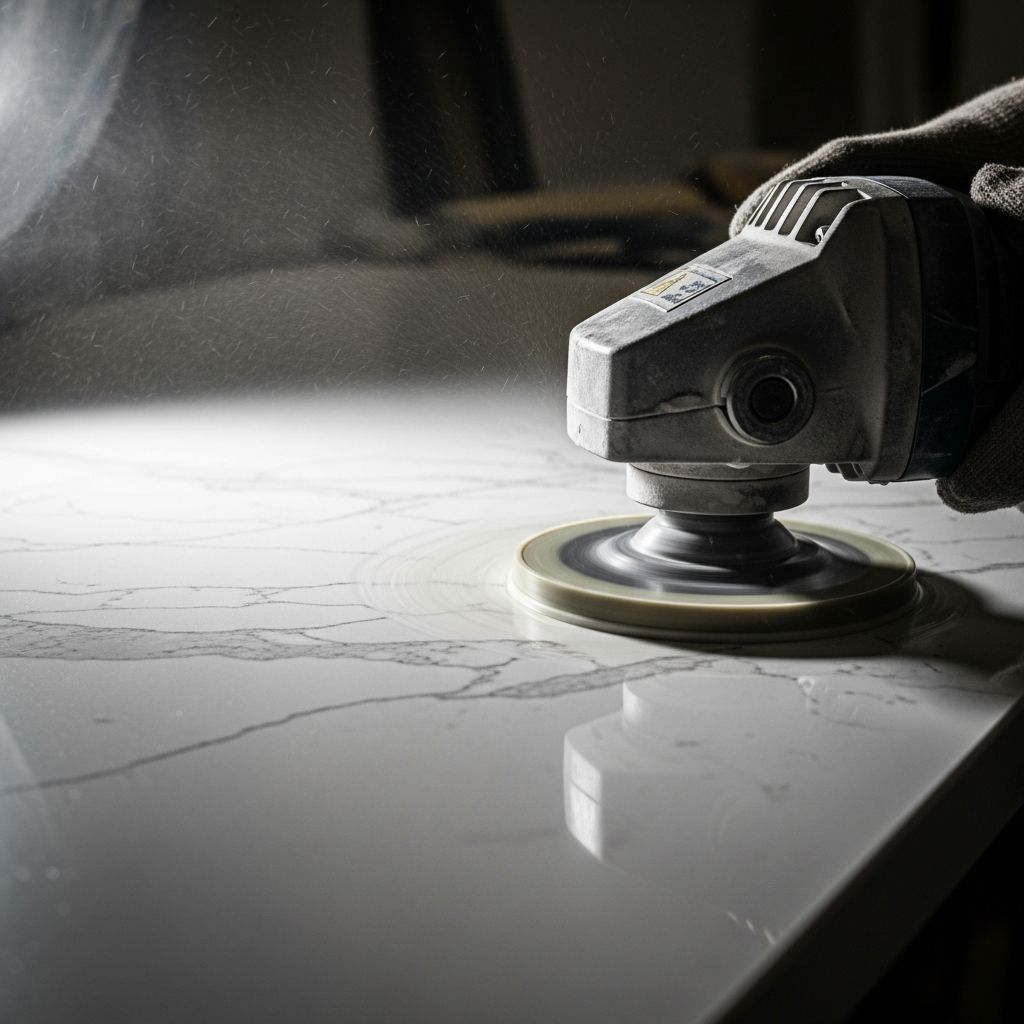
Quartz countertops combine beauty and durability, but everyday wear like scratches, chips, and dull spots can diminish their appeal. Grinding down these surfaces restores their original luster without professional help, saving time and money. This guide explores safe, effective methods using diamond tools and wet techniques to achieve professional results.
Understanding Quartz Material Properties
Engineered quartz consists of crushed stone bound by polymer resins, creating a non-porous, hard surface ideal for kitchens and bathrooms. Unlike natural stone, its resin content requires careful handling during grinding to prevent burning or cracking. The hardness demands specialized diamond-impregnated tools that cut through aggregates without shattering particles.
Key traits include resistance to stains and heat, but abrasions from knives or pots expose the composite nature. Grinding removes damaged layers progressively, from coarse removal to fine polishing, mimicking factory finishes.
Essential Tools and Materials for Grinding
Gathering the right equipment ensures precision and safety. Start with a variable-speed angle grinder or polisher fitted for wet use, paired with diamond polishing pads in grits from 50 to 3000. These pads attach via hook-and-loop systems for easy swaps.
- Wet grinder/polisher: Prevents overheating with constant water flow.
- Diamond pads: Progress from 50-grit for heavy removal to 3000-grit for shine.
- Quartz repair kit: Color-matched epoxy for chips.
- Cleaning supplies: pH-neutral cleaner, microfiber cloths, isopropyl alcohol.
- Safety gear: Gloves, goggles, respirator, ear protection.
Invest in quartz-specific compounds for final buffing, avoiding generic polishes that may haze the surface. A hose or spray bottle maintains wetness throughout.
Preparing Your Workspace and Surface
Preparation prevents mishaps and contamination. Clear the countertop completely, removing appliances and hardware. Cover nearby cabinets and floors with plastic sheeting to protect from slurry.
Thoroughly clean the surface with a pH-balanced quartz cleaner to remove grease and residues. For stubborn spots, use a mild isopropyl alcohol solution, then rinse and dry fully. Inspect for deep chips; fill these with epoxy resin matched to your quartz color, allowing 24-hour cure time before grinding.
| Preparation Step | Time Estimate | Purpose |
|---|---|---|
| Clear and cover area | 15 minutes | Protect surroundings |
| Deep clean surface | 20 minutes | Remove contaminants |
| Repair chips/epoxy cure | 24 hours | Fill imperfections |
| Final inspection | 10 minutes | Spot issues |
Step-by-Step Grinding Process
Grinding transforms rough surfaces into smooth ones through progressive grit stages. Always work wet to dissipate heat and flush debris.
Coarse Grinding: Removing Deep Imperfections
Begin with 50-200 grit pads to level scratches and lips. Attach the pad to your grinder, set speed to 2000-4000 RPM, and apply light pressure in overlapping passes. Keep water flowing steadily to cool the resin binders. Work in 2×2 foot sections, checking progress frequently. This stage removes bulk material efficiently but creates visible scratches for finer steps to address.
Medium Grinding: Smoothing the Base
Advance to 400-800 grit pads. These refine coarse marks, creating a uniform matte finish. Maintain even pressure and circular motions to avoid swirl patterns. Rinse the surface periodically to evaluate smoothness under good lighting. Expect 30-45 minutes per section for even results.
Fine Grinding and Honing
Transition to 1500-3000 grit for a honed look. Pads at this level produce a satin sheen, ideal for low-maintenance surfaces. Slow your grinder speed to 1500 RPM, emphasizing wet conditions to prevent micro-cracks in quartz particles. Hone until the surface feels glassy to the touch.
Achieving a High-Gloss Polish
Polishing elevates honing to mirror shine. Apply quartz polishing compound to a soft buffing pad or cloth. Work in small circles with minimal pressure, building gloss gradually. Buff residue with a dry microfiber cloth, switching to fresh ones as needed for streak-free results. For extra vibrancy, repeat with finer compounds.
Pro tip: Test polish on an inconspicuous area first to match your quartz’s resin tolerance.
Safety Protocols and Common Pitfalls
Quartz grinding generates silica dust and slurry, posing respiratory risks. Wear a respirator rated for fine particles, along with sealed goggles and gloves. Ensure ventilation or work outdoors if possible.
Avoid these errors:
- Dry grinding: Causes heat buildup, burning resins and cracking stones.
- Excessive pressure: Leads to uneven wear or gouges.
- Skipping grits: Amplifies scratches; always progress sequentially.
- Harsh cleaners: Ammonia or acids etch the surface.
Post-Grinding Maintenance for Longevity
Seal polished quartz with a penetrating sealer every 6-12 months to enhance stain resistance, though it’s naturally non-porous. Wipe daily with mild soap and water, avoiding abrasives. For shine revival, buff with quartz-specific polish monthly.
Monitor for re-scratches; address promptly with fine pads to prevent deepening.
Advanced Techniques for Edges and Curves
Factory edges often need refinishing after cuts. Use a smaller handheld grinder with finger bits for contours, following the same wet grit progression. Profile edges with router bits designed for quartz, then polish as above. Patience yields seamless transitions from flat to edged surfaces.
Frequently Asked Questions (FAQs)
What grit should I start with for deep scratches on quartz?
Begin with 50-100 grit diamond pads to efficiently remove damage without excessive material loss.
Can I grind quartz dry to save time?
No, dry grinding risks overheating resins, causing discoloration or cracks; always use water.
How long does a full countertop grind take?
For a standard 10-foot kitchen counter, expect 4-8 hours, depending on damage severity.
Is professional grinding necessary for chips?
Minor chips can be DIY-filled and ground; deep ones may require pros for color matching.
Does grinding void quartz warranties?
Typically yes, if it alters the surface; check manufacturer terms before starting.
Cost Comparison: DIY vs. Professional
| Method | Tools Cost | Labor Time | Total Savings |
|---|---|---|---|
| DIY Grinding | $100-300 | 6-10 hours | Up to $1000 |
| Professional Service | N/A | 1-2 days | Baseline |
DIY empowers homeowners with control and affordability, especially for minor refinishing.
Mastering quartz grinding revitalizes kitchens affordably. With proper tools, techniques, and care, your surfaces regain factory-fresh appeal, enduring daily demands beautifully.
References
- How to Grind and Polish Quartz Countertops: A Comprehensive Guide — Z-Lion Tools. 2023-05-15. https://www.z-lion.com/news/576
- How To Resurface & Polish Quartz Countertops — Granite Heroes. 2024-02-20. https://graniteheroes.com/blog/quartz-countertop-resurfacing/
- Quartz Countertop Discussion — Fine Homebuilding. 2022-11-10. https://www.finehomebuilding.com/forum/quartz-countertop
- How to Cut Quartz Surfaces & Polish Them — Tenax USA. 2023-08-05. https://www.tenax4you.com/cutting-polishing-quartz-s/2126.htm
- How to Polish Quartz Countertops Like a Pro: The Complete Guide — Granite Gold. 2024-01-12. https://granitegold.com/blogs/blog/how-to-polish-quartz-countertops-like-a-pro-the-complete-guide
- Clean, Buff, Polishing & Seal Quartz Countertops — YouTube (Architectural Digest reference). 2023-07-18. https://www.youtube.com/watch?v=xD1W5YqUkzs
Similar Articles


Read full bio of medha deb