Balancing Soil Chemistry for Thriving Lawns
Master soil pH adjustment techniques to unlock nutrient availability and promote vibrant turf growth.
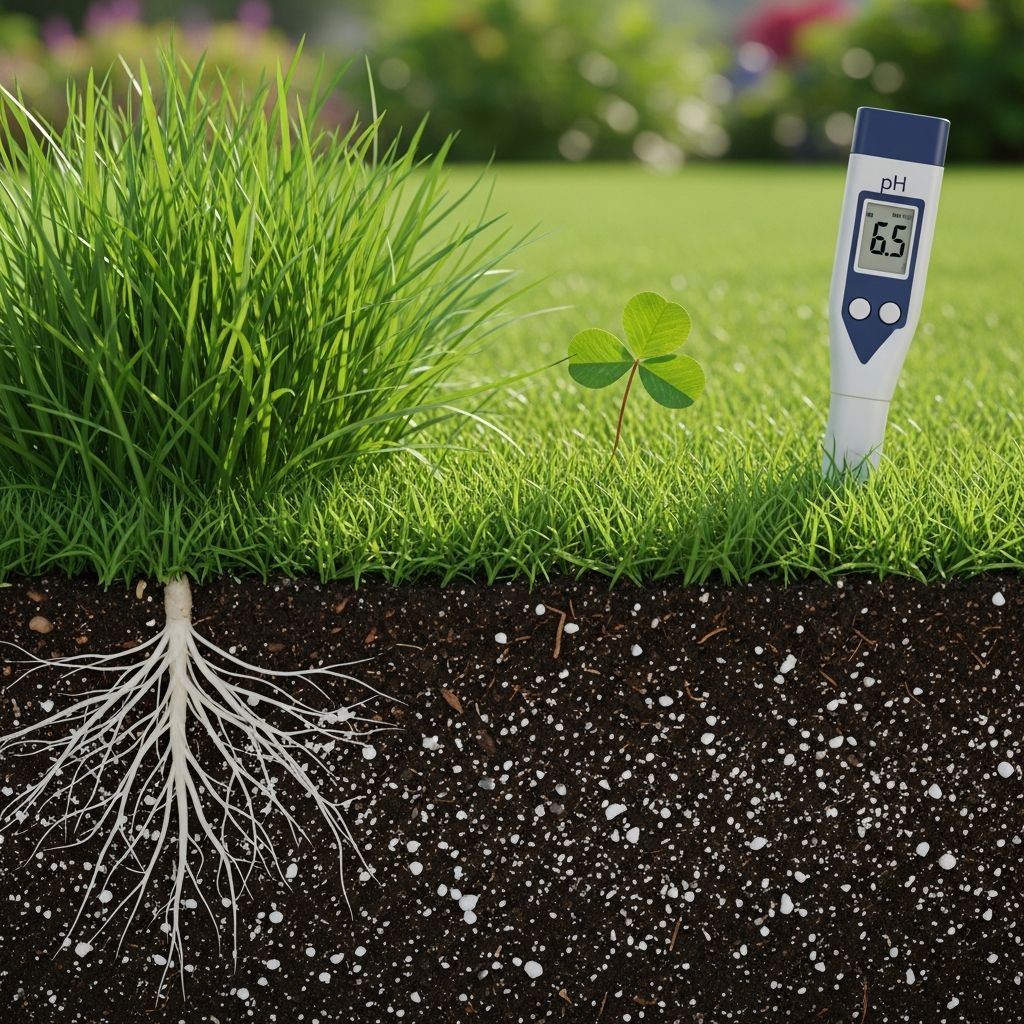
The foundation of any healthy lawn begins beneath the surface. While many homeowners focus on watering schedules and fertilizer applications, few recognize that soil chemistry plays an equally critical role in plant development and turf vitality. Understanding and managing your soil’s pH level can dramatically transform your yard from struggling and patchy to lush and vibrant. This comprehensive guide walks you through the science of soil pH, how to identify imbalances in your own yard, and the most effective strategies for bringing your soil back into optimal range.
Understanding Soil pH and Its Impact on Your Lawn
Soil pH measures how acidic or alkaline your soil is on a scale from 0 to 14, with 7 being neutral. Values below 7 indicate acidic conditions, while values above 7 indicate alkaline conditions. Most ornamental grasses, vegetables, and turfgrasses thrive in slightly acidic soil, typically between pH 6.0 and 7.0, though specific plants may have different preferences.
Why does pH matter so much? The answer lies in nutrient availability. Soil pH directly controls whether essential nutrients—including nitrogen, phosphorus, potassium, iron, and manganese—remain accessible to plant roots. When soil pH drifts too far in either direction, plants cannot absorb these nutrients even if they are physically present in the soil. This creates a paradoxical situation where nutrient-rich soil fails to support healthy plant growth because the chemistry prevents nutrient uptake.
High soil pH, particularly above 7.5, frequently blocks the availability of micronutrients like iron and manganese. Lawns affected by excessive alkalinity often display yellowing leaves, stunted growth patterns, and weakened root systems despite adequate fertilization. Conversely, excessively acidic soil below pH 5.0 can trigger aluminum toxicity, a condition where soluble aluminum becomes harmful to plant tissue and inhibits growth.
Beginning with Professional Soil Assessment
Before investing time and resources into pH correction, you must establish your soil’s current chemistry. Guessing or making assumptions about pH leads to wasted effort and potential overcorrection that creates new problems. Two reliable testing approaches exist for homeowners:
Home Testing Kits
Inexpensive home soil pH test kits are available at garden centers and online retailers. These kits typically provide reasonably accurate results when used correctly. To gather representative samples, collect soil from at least three different areas of your yard using a spade or shovel, digging several inches deep. Combine equal portions from each location in a clean container, then follow the kit’s specific instructions. While convenient, home tests may lack the precision of professional analysis.
University Extension Laboratory Testing
For more comprehensive results, contact your state or local university cooperative extension service. These laboratories provide detailed soil analysis reports that identify not only pH but also nutrient levels, organic matter content, and recommendations for specific amendments. Extension services typically charge modest fees and return results with actionable guidance tailored to your soil type and intended use.
The Science Behind pH Elevation
When soil tests reveal pH below the target range, the primary solution involves introducing alkaline materials that neutralize excess acidity. Lime represents the most common and cost-effective amendment for this purpose. Understanding the different lime types helps you select the most appropriate option for your situation.
Calcitic Lime
Calcitic lime, derived from ground limestone containing primarily calcium carbonate, represents the most widely available and affordable option in most regions. It works slowly but steadily to raise pH over weeks to months. The gradual action of calcitic lime reduces the risk of over-correction while providing a stable, long-term pH adjustment. Most garden centers stock this product, making it convenient for homeowners.
Dolomitic Lime
Similar to calcitic lime in function, dolomitic lime contains magnesium in addition to calcium. When soil tests show magnesium deficiency alongside low pH, dolomitic lime addresses both issues simultaneously. This dual-action benefit makes dolomitic lime particularly valuable in regions where magnesium-poor soils are common.
Hydrated and Burnt Lime
Hydrated lime and burnt lime both raise pH significantly faster than standard limestone products, making them attractive for situations requiring rapid correction. However, both substances are caustic and require careful handling. They can cause chemical burns on skin and damage equipment if not managed properly. Their reactive nature also increases the risk of over-correction if applied incorrectly. Reserve these options for situations where speed is essential and you have experience handling caustic materials.
Wood Ashes
Gardeners and landscapers with access to fireplace or wood stove ashes have a readily available pH amendment. Wood ash raises pH while also introducing potassium and trace minerals. However, wood ash varies considerably in composition depending on the wood source, making consistent results difficult. Additionally, excessive ash application can create nutrient imbalances. Use wood ash cautiously and in moderation as a supplementary amendment rather than a primary solution.
The Science Behind pH Reduction
When soil testing indicates pH above the optimal range, introducing sulfur-based amendments lowers pH by creating sulfuric acid through soil microbial action and chemical processes. Several options exist, each with distinct advantages and limitations.
Elemental Sulfur
Elemental sulfur represents the safest and most commonly recommended approach for home gardeners seeking to lower soil pH. It is relatively inexpensive, widely available through agricultural suppliers and garden centers, and poses minimal handling hazards. However, elemental sulfur requires time to become effective. The material must undergo both biological oxidation by soil microorganisms and chemical transformation before measurably lowering pH. In cool climates or soils with limited microbial activity, this process may take several months. This slow action actually provides an advantage: it minimizes the risk of over-correction and dramatic pH swings.
Iron Sulfate and Aluminum Sulfate
Iron sulfate and aluminum sulfate lower soil pH more rapidly than elemental sulfur. Iron sulfate additionally provides supplemental iron, which particularly benefits lawns showing yellowing from iron chlorosis. Aluminum sulfate works similarly but introduces aluminum, which in excessive quantities can become problematic. These products work faster than elemental sulfur but at the cost of greater complexity and potential nutrient imbalances if overdosed.
Organic Matter and Specialty Amendments
Adding organic matter through compost incorporation gradually acidifies soil through microbial decomposition processes. Canadian sphagnum peat moss, unlike standard peat moss sold in most garden centers, has a naturally low pH of 3.0 to 4.5 and effectively reduces soil pH. However, peat moss extraction raises environmental concerns. Pine needles and oak leaves naturally decay to produce acidic conditions, offering an eco-friendly alternative particularly suitable for creating acid-loving plant zones.
Timing and Application Strategies
The timing of pH amendments significantly influences their effectiveness and your lawn’s response. Ideally, apply amendments three to six months before establishing new turf or before the primary growing season begins. Fall and early winter represent optimal timing in most climates, allowing amendments to fully integrate into the soil and stabilize pH before spring growth.
When possible, incorporate lime or sulfur into the soil to a depth of 6 to 8 inches using a garden tiller, shovel, or disk harrow. This mechanical incorporation ensures even distribution and allows the amendment to interact with soil throughout the active root zone. For established lawns, pelletized or granular formulations can be applied using a drop spreader and watered in, though results develop more slowly than with tilled applications.
Calculating Amendment Quantities
Application rates depend on multiple factors: current pH, target pH, soil type, and the specific amendment chosen. Sandy soils require less amendment than clay soils to achieve the same pH change because clay particles hold pH-affecting compounds longer. University extension soil test reports typically provide specific recommendations in pounds of amendment per 1,000 square feet required to reach your target pH.
When using agricultural lime, account for purity and particle size variations in bulk products. Finely ground limestone approaches 100% purity and requires smaller application quantities. Coarser material with lower purity may require increased amounts to achieve the same effect.
Managing pH in Different Soil Compositions
| Soil Type | Amendment Requirement | Timeline to Stabilize | Key Considerations |
|---|---|---|---|
| Sandy Soil | Lower amounts needed | 4-8 weeks | Changes quickly; requires more frequent monitoring |
| Loamy Soil | Moderate amounts | 8-12 weeks | Ideal soil for consistent pH management |
| Clay Soil | Higher amounts needed | 12-20 weeks | Holds amendments longer; slow but stable results |
Monitoring Progress and Avoiding Over-Correction
After applying amendments, resist the urge to immediately retest and reapply. Give amendments adequate time to integrate and stabilize pH—typically 8 to 12 weeks minimum. Retesting too soon generates inaccurate results and often leads to excessive applications that swing pH in the opposite direction.
Visual plant response provides valuable feedback alongside laboratory testing. Hydrangeas, for instance, display color changes reflecting soil pH: pink or red flowers indicate alkaline conditions while blue flowers suggest acidic soil. Observing whether yellow leaf patterns improve or grass growth accelerates provides practical evidence of successful pH correction.
Once your soil reaches target pH, maintain this balance through regular testing (ideally annually or biannually) and cautious amendment applications during spring and fall. Avoiding excessive fertilizer application helps prevent pH drift, as some nitrogen-based fertilizers gradually acidify soil over time.
Special Considerations for Lawn Establishment
Newly seeded or sodded lawns require extra attention to pH management. Correcting pH deficiencies before installation ensures superior establishment and reduces stress on young turf. The investment in pre-installation pH correction pays dividends through faster germination, stronger root development, and reduced vulnerability to environmental stress during the critical establishment phase.
Frequently Asked Questions
How often should I test my soil pH?
Most lawn care professionals recommend annual or biannual testing during regular maintenance cycles. More frequent testing—particularly after applying amendments—can generate misleading results before pH fully stabilizes.
Can I use multiple amendments simultaneously?
Yes, combining materials can sometimes provide balanced benefits. For example, using elemental sulfur alongside iron sulfate lowers pH while ensuring adequate iron availability. However, avoid mixing lime and sulfur in the same application.
What if my soil pH swings too far in the opposite direction?
If over-correction occurs, the opposite amendment addresses the problem. If you over-applied lime and soil became too alkaline, sulfur-based products gradually restore balance. Conversely, if sulfur applications made soil too acidic, lime slowly elevates pH back to target range.
Does rainfall affect soil pH?
Yes, rainfall gradually acidifies soil naturally over time as slightly acidic rainwater percolates through the soil profile. In high-rainfall regions, periodic lime applications maintain pH stability more effectively than in arid climates.
Creating Your pH Management Plan
Successful soil pH management combines testing, targeted amendments, proper timing, and patient observation. Begin by establishing your current soil pH through testing. Identify your target pH based on intended plant use. Calculate appropriate amendment quantities using university guidelines. Apply materials during optimal seasons, working amendments into soil when possible. Monitor progress visually and through periodic retesting. Maintain pH stability through annual testing and conservative amendment applications.
This systematic approach transforms soil chemistry from an overlooked aspect of lawn care into a manageable, measurable component of yard health. Within one to two growing seasons of implementing proper pH management, most lawns show dramatic improvements: greener color, denser turf, improved disease resistance, and more vigorous growth throughout the season.
References
- How to Change the pH of Your Soil — Sensorex. Accessed April 2026. https://sensorex.com/change-ph-soil/
- Understanding Soil pH: The Key to Successful Gardening — University of Florida Institute of Food and Agricultural Sciences, Pasco County Extension. March 12, 2024. https://blogs.ifas.ufl.edu/pascoco/2024/03/12/understanding-soil-ph-the-key-to-successful-gardening/
- How To Change Your Soil’s pH — Iowa State University Extension and Outreach, Yard and Garden. Accessed April 2026. https://yardandgarden.extension.iastate.edu/how-to/how-change-your-soils-ph
- How to Set Soil pH for Lawns — Wright Manufacturing. Accessed April 2026. https://www.wrightmfg.com/articles/how-to-set-soil-ph-for-lawns/
- How to Adjust Your Soil pH (Up or Down) and the Products to Use — Yard Mastery. Accessed April 2026. https://yardmastery.com/blogs/lawn-care-resource-hub/how-to-adjust-your-soil-ph-up-or-down-and-the-products-to-use
- How to Lower Soil pH for Healthier Lawns: A Complete Guide — TruGreen. Accessed April 2026. https://www.trugreen.com/lawn-care-101/blog/diy/lower-soil-ph-for-healthier-lawns
Similar Articles






Read full bio of Sneha Tete