Space-Savvy DIY Clothes Racks: Creative Storage Solutions for Every Home
Build stylish, flexible clothes racks that declutter your home and show off your wardrobe.
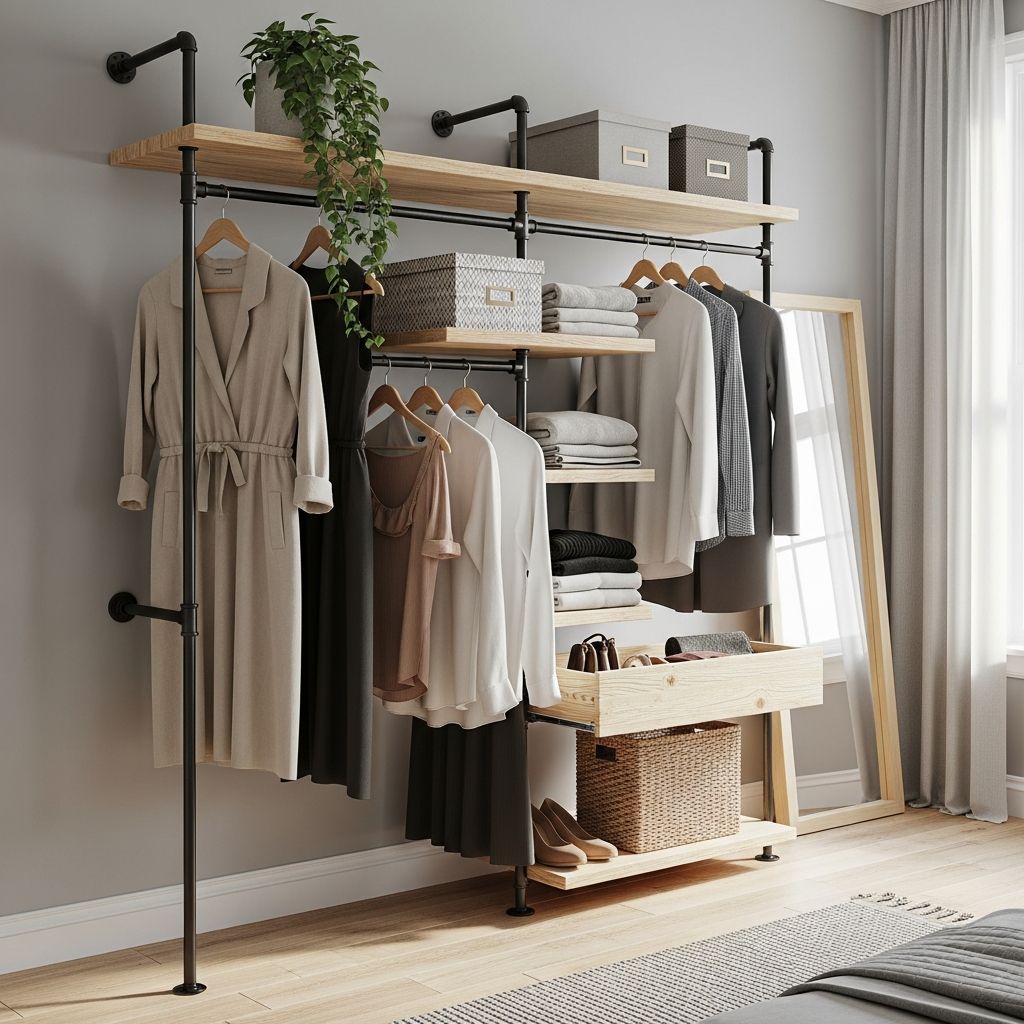
DIY Clothes Racks That Organize Your Home and Showcase Your Style
DIY clothes racks are a practical and stylish way to expand your storage, especially when closets are small, oddly shaped or already packed to capacity. Instead of hiding garments behind doors, a thoughtfully designed rack can turn your favorite pieces into part of the room decor while keeping everyday essentials within reach.
Whether you rent, own, or live in a tiny studio, there is a clothes rack style that fits your floor plan, budget and skill level. This guide walks through key design decisions, popular rack types, basic construction ideas, and smart add-ons that make your rack both beautiful and functional.
Why Build a DIY Clothes Rack?
Before choosing a design, it helps to be clear about what problem the rack needs to solve. Some people need an everyday wardrobe station, while others want extra hanging space for guests, laundry, or seasonal overflow. Your main goal will shape the size, materials and layout you pick.
- Extra storage without remodeling: Add hanging space without tearing down walls or installing a full closet system.
- Portable organization: Move your rack between rooms or even outdoors for yard sales, photoshoots or clothing swaps.
- Visual planning: Keep a weekly outfit lineup or capsule wardrobe where you can see everything at a glance.
- Decor upgrade: Use garments, shoes and accessories as color and texture in your space instead of hiding them away.
Planning Your Rack: Four Key Questions
A strong design starts with a few practical decisions. Taking a few minutes to measure and plan will save frustration later and help you avoid a rack that wobbles, sags, or overwhelms the room.
1. How Much Space Do You Really Have?
Measure the floor area and ceiling height where the rack will live, and note anything that might interfere, like baseboard heaters, radiators, low windowsills or doors that swing open nearby. Aim to leave enough room to walk comfortably and step back to browse your clothes.
- Leave at least 45–60 cm (about 18–24 inches) of clearance in front of the rack for walking and bending.
- Keep the top rail low enough that you can reach hangers easily, typically 150–170 cm (60–67 inches) from the floor for most adults.
2. What Will You Store?
The type and amount of clothing you hang will affect both width and strength. Heavy coats and denim require sturdier materials than lightweight tees or children’s clothes.
| Primary Use | Suggested Rail Height | Approx. Width | Notes |
|---|---|---|---|
| Everyday outfits | 150–165 cm | 80–120 cm | Single rail; add small shelf for shoes or bags. |
| Long dresses / coats | 165–185 cm | 90–140 cm | Taller frame; avoid low shelves under long hems. |
| Kids’ clothing | 90–120 cm | 60–100 cm | Lower rails; consider two-tier hanging. |
| Laundry drying | 140–165 cm | Variable | Prioritize airflow and drip-safe flooring. |
3. Is Portability Important?
Some racks are meant to live in one spot, while others need to roll between rooms or fold away when guests leave. Deciding this early determines whether you prioritize wheels, lightweight materials or foldable joints.
- Stationary: Heavier wood or metal, fixed feet, larger base for stability.
- Mobile: Locking casters, lighter frame, narrow enough to pass through doorways.
- Foldable: Hinged joints or collapsible legs, ideal for multipurpose spaces like studios or guest rooms.
4. What Is Your Skill Level and Budget?
You can build a useful rack with nothing more than basic hand tools and off-the-shelf parts, or you can treat the project as an opportunity to practice cutting, drilling and finishing wood or metal. Decide how much time and money you’re comfortable investing.
- Beginner: PVC pipes, pre-cut lumber, screw-together metal fittings, minimal cutting.
- Intermediate: Custom wood frames, cross-bracing, simple joinery, sanding and staining.
- Advanced: Integrated drawers, complex shapes, welded metal frames or hardwood furniture-style pieces.
Popular DIY Clothes Rack Styles
Once you’ve clarified your needs, choose a style that matches both function and aesthetics. Mixing different types around your home can give each space a tailored storage solution instead of forcing one rack to do everything.
Freestanding Floor Racks
Freestanding racks are the most flexible option because they don’t rely on wall studs or permanent anchors. They work well in rentals, studios and shared rooms where layouts change often.
- Simple rectangle on a base: Two vertical supports, one top rail and a plank base that keeps everything steady and adds shoe storage.
- A-frame rack: Two angled supports on each side forming a triangle with a horizontal rail across the top.
- Double-rail frame: One high and one low rail, useful for short items like shirts and skirts to double your hanging capacity.
Wall-Mounted Rails and Bars
Wall-mounted racks are ideal for narrow rooms or when every inch of floor space matters. By using the wall as the main support, you can keep the floor nearly clear while still adding substantial storage.
- Minimalist bar: A simple metal or wooden bar anchored into wall studs, with open space beneath for a bench, dresser or laundry basket.
- Ceiling-to-floor posts: Vertical poles that clamp between floor and ceiling with adjustable rails attached, great for apartments where holes in walls are limited.
- Corner rails: L-shaped bars that wrap around a corner to transform otherwise unused space into a mini closet.
Racks with Built-In Shelving
Combining shelves and hanging space in one structure makes your rack more versatile and can replace a dresser or bookcase in small rooms. Shelves also help weigh down the base so the rack feels more grounded.
- Open wardrobe: A tall unit with a single rail above, one or two shelves below, and maybe a narrow top shelf for hats or storage boxes.
- Shoe-and-coat station: A rack near the entry with one rail for jackets and multiple open shelves for shoes, bags and baskets.
- Display ladder: A leaning ladder-style structure with rungs for folded items or hooks, paired with a short rail or crossbar.
Mobile Racks on Casters
Wheeled racks shine in multipurpose spaces. They allow you to pull garments into good light while getting ready, roll stock into a different room for a sale or event, and push everything out of the way when you need an open floor.
- Wardrobe on wheels: A sturdy frame with a wide base and heavy-duty locking casters for heavy coats and full outfits.
- Lightweight laundry rack: Narrow frame with swivel casters and thinner tubing or PVC, suitable for air-drying or temporary use.
- Event / market rack: Long, low rack designed to maximize horizontal hanging space while still passing through standard doorways.
Choosing Materials: Look, Strength and Ease of Building
The best material is the one that matches your tools, comfort level and intended use. Consider how much weight the rack must hold, how often it will move, and what style you want in the room.
Wood
Wooden racks add warmth and can feel like furniture instead of temporary fixtures. Softwoods like pine are easier to cut and more affordable, while hardwoods like oak or maple are stronger and resist dents.
- Pros: Easy to customize, paint or stain; friendly to basic hand tools; can support substantial weight with the right dimensions.
- Cons: Bulkier than metal; susceptible to moisture in laundry rooms unless sealed properly.
Metal Pipe and Tubing
Steel or iron pipe gives a clean, industrial look and naturally suits minimalist or loft-style interiors. Many home centers can cut and thread pipe to length, so you mostly assemble with threaded fittings.
- Pros: Very strong; slim profile; excellent for heavy garments; components can be reconfigured later.
- Cons: Heavier; requires careful cleaning and sealing to prevent clothes from picking up residue; may cost more than wood or PVC.
PVC and Lightweight Options
PVC pipe is a good choice for beginners, temporary setups, or kids’ rooms. It cuts easily with simple tools, and fittings push or glue together quickly.
- Pros: Easy to cut; inexpensive; light enough to move frequently; can be spray-painted for a custom look.
- Cons: Best for lighter clothing; can flex under heavy loads; appearance is more casual unless carefully finished.
Basic Construction Blueprint (Conceptual)
Exact measurements vary by room, but many racks share a similar underlying structure. Think in terms of three core elements: base, vertical supports and hanging rail. Custom features like shelves and hooks build on that foundation.
1. Build a Stable Base
The base keeps your rack upright and is especially important if you have kids, pets, or heavy garments. A wider footprint generally means better stability, but going too wide can make it hard to reach clothes in the center.
- Use a rectangle slightly deeper than a standard hanger, often 35–45 cm (14–18 inches).
- For wood bases, consider adding cross-braces or side rails to prevent twisting.
- If adding casters, place them near the corners to reduce tipping risk.
2. Attach Vertical Supports
Vertical supports connect the base to the hanging rail and set the overall height. Whether you use wood boards, metal pipes, or PVC, aim for straight, well-aligned uprights.
- Fasten supports securely to the base with screws, brackets or pipe flanges.
- Check both side-to-side and front-to-back alignment with a level or by sighting down the frame.
- Add diagonal braces or side panels if the rack wobbles when you push it gently.
3. Install the Hanging Rail
The top rail carries most of the load, so choose a material and thickness that will not bow under weight. Standard clothes hangers need about 40–45 cm of depth from the back of the hanger to the front edge.
- Screw or bolt the rail securely into the vertical supports; avoid relying on friction alone.
- If the rack is very wide, consider a center support or second pair of legs to prevent sagging.
- For two-tier designs, ensure adequate vertical space between rails so garments do not overlap excessively.
Making Your Rack Work Harder
Small design tweaks can dramatically improve how pleasant a rack is to use day-to-day. Consider how you like to get ready, where you drop your bags and shoes, and what tends to pile up on chairs or floors.
Smart Add-Ons
- Hooks on the sides for bags, belts, scarves, hats or tomorrow’s outfit.
- A shoe shelf at the bottom so footwear lives directly under the items you wear with it.
- Small baskets or bins on lower shelves for socks, gym gear or accessories.
- A narrow top shelf for storage boxes, folded sweaters or seasonal items.
Styling and Visual Balance
Because an open rack is always visible, a little styling keeps it from looking chaotic. Group garments by color, type or use, and avoid overloading the rail to the point where hangers bind together.
- Use matching hangers for a cleaner, more cohesive look.
- Leave a bit of breathing room at each end of the rail instead of cramming clothes to the supports.
- Combine hanging and folded storage so bulkier pieces do not dominate the line of sight.
Safety, Durability and Maintenance
Even simple projects benefit from a few safety and maintenance habits. This is especially important in homes with children, pets or high-traffic hallways where someone might bump into the rack.
- Test stability by gently pushing from different angles before loading with clothes.
- Distribute weight evenly across the rail; avoid clustering all heavy coats on one end.
- Check screws, bolts and fittings periodically and tighten them if you notice wobble.
- For wood, refresh the finish or sealant occasionally if the rack lives in a humid room.
Frequently Asked Questions
How tall should a DIY clothes rack be?
For most adults, a rail height between 150 and 170 cm works well for shirts, jackets and shorter dresses. If you plan to hang longer coats or gowns, go higher and keep the area under the rail clear so hems don’t drag.
How much weight can a homemade rack hold?
Capacity depends on materials and design, but a solid wood or metal rack with a well-braced base can handle everyday wardrobes. To stay safe, assume your rack can carry less than a commercial unit and avoid stacking heavy items like full backpacks on the rail.
Is a wall-mounted rack better than a freestanding one?
Wall-mounted racks save floor space and feel visually lighter, but they require secure anchoring into studs and are harder to move. Freestanding racks are more flexible and renter-friendly, though they take up more room and need a wide enough base for stability.
Can I use a DIY rack for drying clothes?
Yes, many people use simple racks as drying stations. If you do, protect nearby floors from drips, leave plenty of space between garments for airflow, and choose materials that can handle moisture, such as sealed wood, stainless hardware or coated metal.
What is the easiest style for beginners?
A basic rectangle frame—two vertical supports, a top rail and a straightforward base—is often the most forgiving design. Using pre-cut boards or ready-made pipe lengths minimizes measuring and cutting, letting you focus on assembling something sturdy and square.
Similar Articles







Read full bio of Sneha Tete