Squirrels in the Attic: Prevention and Removal Guide
Complete guide to identifying, preventing, and removing squirrels from your attic safely and effectively.
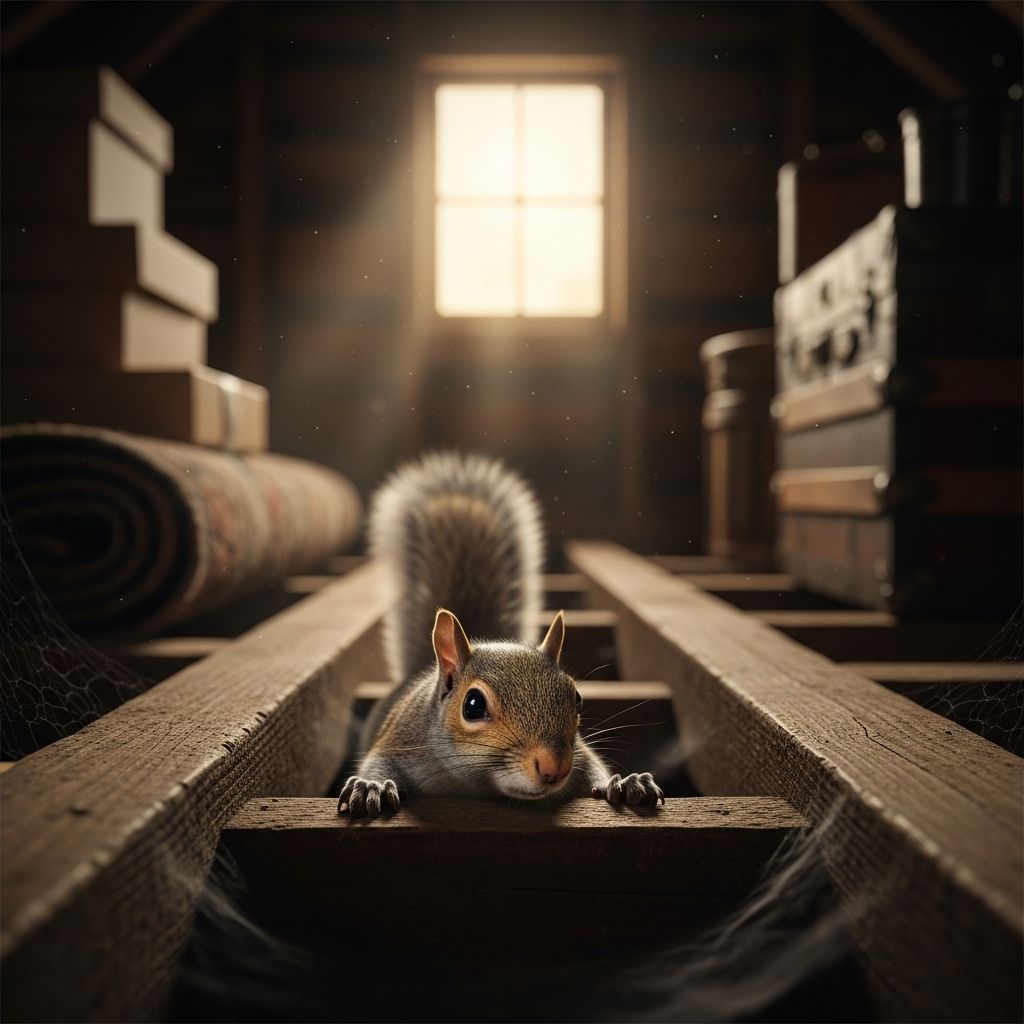
Squirrels in the Attic: A Comprehensive Guide to Identification, Prevention, and Removal
Squirrels are among the most common unwelcome visitors to residential homes, particularly in wooded areas and suburban neighborhoods. These agile creatures are exceptional climbers and jumpers, capable of leaping up to 10 feet horizontally, making it remarkably easy for them to access roof lines and attics. Once they’ve gained entry to your attic, squirrels can cause significant structural damage, create fire hazards, and compromise your home’s energy efficiency. Understanding how to identify, prevent, and safely remove squirrel infestations is essential for any homeowner seeking to protect their property and maintain a pest-free living environment.
Understanding Squirrel Behavior and Entry Patterns
Squirrels are highly intelligent animals with exceptional problem-solving abilities. They typically seek shelter in attics during late fall and winter months when outdoor food sources become scarce and temperatures drop. Unlike some pest animals that are content to occupy exterior spaces, squirrels view attics as ideal nesting locations where they can build comfortable dens for themselves and their offspring. Their climbing prowess means they can scale trees, downspouts, and exterior walls with ease, making almost any home vulnerable to invasion.
These rodents are particularly active during dawn and dusk, though they may make noise throughout the day. They are attracted to homes that offer easy access combined with protection from predators and harsh weather. Once inside an attic, squirrels establish territories and may invite multiple family members to share the space, leading to larger infestations over time.
Signs of Squirrel Infestation
Recognizing the early warning signs of a squirrel infestation can help you address the problem before it escalates into a major issue requiring professional intervention and costly repairs.
Auditory Indicators
One of the most telltale signs of squirrels in your attic is the sound they produce. Homeowners often report hearing distinct noises that can help differentiate squirrel activity from other pests:
- Scampering or running sounds across attic flooring and inside walls
- Scratching noises, particularly during morning and evening hours
- Loud thumping or jumping sounds suggesting larger animals than mice
- Gnawing or chewing sounds as they work through wood and other materials
Visual Evidence
Physical signs of squirrel presence include:
- Piles of nuts, acorns, and seeds stored in corners, boxes, or hidden spaces
- Chewed or damaged insulation throughout the attic
- Visible nests constructed from shredded materials, leaves, and insulation
- Chew marks on wooden beams, joists, and structural components
- Droppings scattered across attic surfaces and storage areas
- Damaged roof vents, soffits, and fascia boards with entry holes
Structural and Olfactory Clues
Beyond sounds and visible damage, additional indicators include unusual odors emanating from the attic, particularly musty smells associated with urine or decomposing materials. You may also notice water damage or deterioration around attic entry points, suggesting active gnawing or burrowing activity.
Common Entry Points and How Squirrels Access Your Home
Squirrels typically gain access to attics through specific vulnerable areas of the home’s exterior. Understanding these entry points allows homeowners to implement targeted prevention strategies.
| Entry Point | Characteristics | Prevention Strategy |
|---|---|---|
| Roof and Soffit Vents | Damaged, deteriorated, or missing vents create easy access | Install hardware cloth or vent covers |
| Gaps Under Shingles | Overhanging or loose shingles provide gaps for entry | Repair damaged shingles and secure loose areas |
| Chimney Areas | Open or damaged chimney structures and flashing | Install chimney caps and seal gaps |
| Fascia and Trim | Rotted or damaged wood boards deteriorate over time | Replace damaged trim and seal with hardware cloth |
| Downspouts | Convenient climbing routes to roof areas | Install downspout guards or extensions |
| Tree Branches | Overhanging limbs allow direct roof access | Trim branches 6-8 feet away from roof |
Damage Caused by Squirrels in Attics
The damage inflicted by squirrels extends far beyond simple annoyance. Their constant gnawing and burrowing habits create serious structural and safety concerns for your home.
Electrical and Fire Hazards
Squirrels frequently chew through electrical wiring in attics, creating dangerous fire hazards. Their gnawing can expose live wires, increasing the risk of electrical fires, short circuits, and power outages. This poses both immediate danger to residents and potential for catastrophic property damage.
Insulation Damage
These rodents shred insulation to create nesting materials, significantly reducing your home’s thermal efficiency. Damaged insulation forces HVAC systems to work harder, increasing energy consumption and utility costs. This damage is often expensive to remedy, requiring complete insulation replacement in affected areas.
Structural Deterioration
Squirrels gnaw on wood components throughout the attic, including roof joists, rafters, and support beams. Over time, this damage compromises structural integrity and may require expensive repairs or reinforcement. Additionally, their burrowing can damage vapor barriers and create entry points for moisture and additional pests.
Water Damage
By damaging roof components, vents, and creating holes in the roof structure, squirrels facilitate water infiltration. This leads to wood rot, mold growth, and damage to stored items, creating costly repairs and potential health hazards.
Prevention Strategies
Exterior Maintenance and Inspection
Regular inspection and maintenance of your home’s exterior is the most effective prevention strategy. Walk around your home quarterly, examining the roof line, soffits, fascia, vents, and chimney areas. Look for damage, gaps, or deterioration that could serve as entry points. Address any damage immediately using appropriate materials and repair techniques.
Trim Trees and Vegetation
Maintain trees near your home by trimming branches at least 6 to 8 feet away from the roof and walls. This eliminates convenient pathways squirrels use to access elevated entry points. Remove dead trees or branches that could provide climbing routes, and keep vegetation well-maintained around the foundation.
Seal Entry Points
Install hardware cloth over vents, chimney openings, and other potential entry points. Hardware cloth is more durable than screening and resistant to gnawing. For temporary protection, quarter-inch hardware cloth can be installed over vulnerable areas until permanent repairs are completed. Ensure all gaps and holes are sealed with materials squirrels cannot chew through, such as steel flashing or metal sheeting.
Install Chimney Caps and Vent Covers
Chimney caps prevent squirrels and other animals from entering through chimneys. Various designs are available, including hinged caps that allow smoke to escape while blocking animal entry. Similarly, install covers on all roof vents, bathroom exhausts, and dryer vents to prevent unauthorized access.
Remove Attractants
Minimize food sources that attract squirrels to your property. Secure garbage cans with tight-fitting lids, remove fallen nuts and seeds from the yard, trim nut-bearing trees, and avoid leaving pet food outside. Store birdseed in sealed containers and consider removing bird feeders during peak squirrel season if they consistently attract unwanted visitors.
Removal and Exclusion Methods
One-Way Exclusion Devices
The most humane and effective removal method involves installing one-way exclusion doors or gates at identified entry points. These devices allow squirrels to exit the attic but prevent them from re-entering. Once all squirrels have left, the exclusion device is removed and the entry point is permanently sealed. This method typically requires 7-10 days to ensure all animals have departed before final sealing.
Identifying Multiple Entry Points
Squirrels are remarkably intelligent and commonly maintain backup exit routes. Before assuming you’ve found all entry points, conduct a thorough inspection or hire a professional. Some squirrels may chew new holes adjacent to sealed entry points, requiring ongoing vigilance and additional sealing.
Temporary Deterrents
While not permanent solutions, certain deterrents can make attics less appealing to squirrels. Strobe lights left on 24/7 in the attic can disturb animals and encourage them to leave. However, these temporary measures should be combined with permanent exclusion and sealing for lasting results.
When to Call a Professional
While some homeowners may attempt DIY removal, professional wildlife removal services offer significant advantages:
- Expertise in identifying all entry points, including hidden secondary exits
- Proper installation of exclusion devices to ensure effectiveness
- Knowledge of local regulations regarding wildlife handling and removal
- Ability to safely handle animals without injury or disease transmission
- Comprehensive inspection for associated pest issues like mice or insects
- Follow-up services to verify successful removal and seal all entry points
Health and Safety Considerations
While squirrels pose fewer disease risks than rodents or raccoons, they can still transmit parasites and bacteria through their droppings and urine. When cleaning affected attic areas, wear respiratory protection and gloves to prevent contact with contaminated materials. Never attempt to trap or handle squirrels without proper training, as they can bite and scratch when frightened or cornered.
Frequently Asked Questions
Q: How can I tell if I have squirrels versus mice in my attic?
A: Squirrels produce louder, more pronounced scampering sounds and their droppings are significantly larger than mouse droppings. You’re also more likely to find piles of nuts and seeds with squirrels, whereas mice typically scatter their food sources.
Q: Is it legal to trap and relocate squirrels myself?
A: Laws vary by location and jurisdiction. Many areas have specific regulations regarding wildlife removal, relocation, and humane treatment. Check local regulations or consult a professional wildlife removal service to ensure compliance.
Q: How long does professional squirrel removal typically take?
A: Most professional removal using one-way exclusion devices takes 7-10 days to complete, though this can vary based on the number of animals and entry points. Initial inspection and assessment usually occurs within 24 hours of contact.
Q: Can I prevent squirrels from entering my attic through roof vents alone?
A: While securing roof vents is important, squirrels typically exploit multiple entry points. A comprehensive prevention approach addressing all potential vulnerabilities is most effective.
Q: What should I do if I find a squirrel in my living space?
A: Open windows and doors to provide an escape route, avoid cornering the animal, and call a professional if the squirrel doesn’t leave voluntarily. Never attempt to grab or trap the animal without proper training.
Q: How much does professional squirrel removal typically cost?
A: Costs vary widely based on infestation severity, number of entry points, and local service rates, typically ranging from $300 to $1,500 for complete removal and exclusion.
References
- How Animals Are Getting Into Your House — This Old House. 2024. https://www.thisoldhouse.com/pest-control/21014855/how-animals-are-getting-into-your-house
- How to Keep Pests Out of Your House Using Exclusion — This Old House. 2024. https://www.thisoldhouse.com/pest-control/21015183/how-to-keep-pests-out-of-your-house
- Prevention and Management of Wildlife Conflicts in Urban and Suburban Environments — Cornell University Department of Natural Resources. https://www.dec.ny.gov/environmental-protection/wildlife/nuisance-wildlife/squirrels
- Rodent-Proofing Your Home — United States Environmental Protection Agency. https://www.epa.gov/sites/default/files/2015-09/rodents_guide.pdf
- Wildlife Exclusion Techniques and Best Practices — National Pest Management Association. https://www.pestworld.org
Similar Articles








Read full bio of Sneha Tete