Stabilizing Garden Trellises: Complete Guide
Master the art of anchoring trellises for enduring garden beauty and plant support against wind and weather challenges.
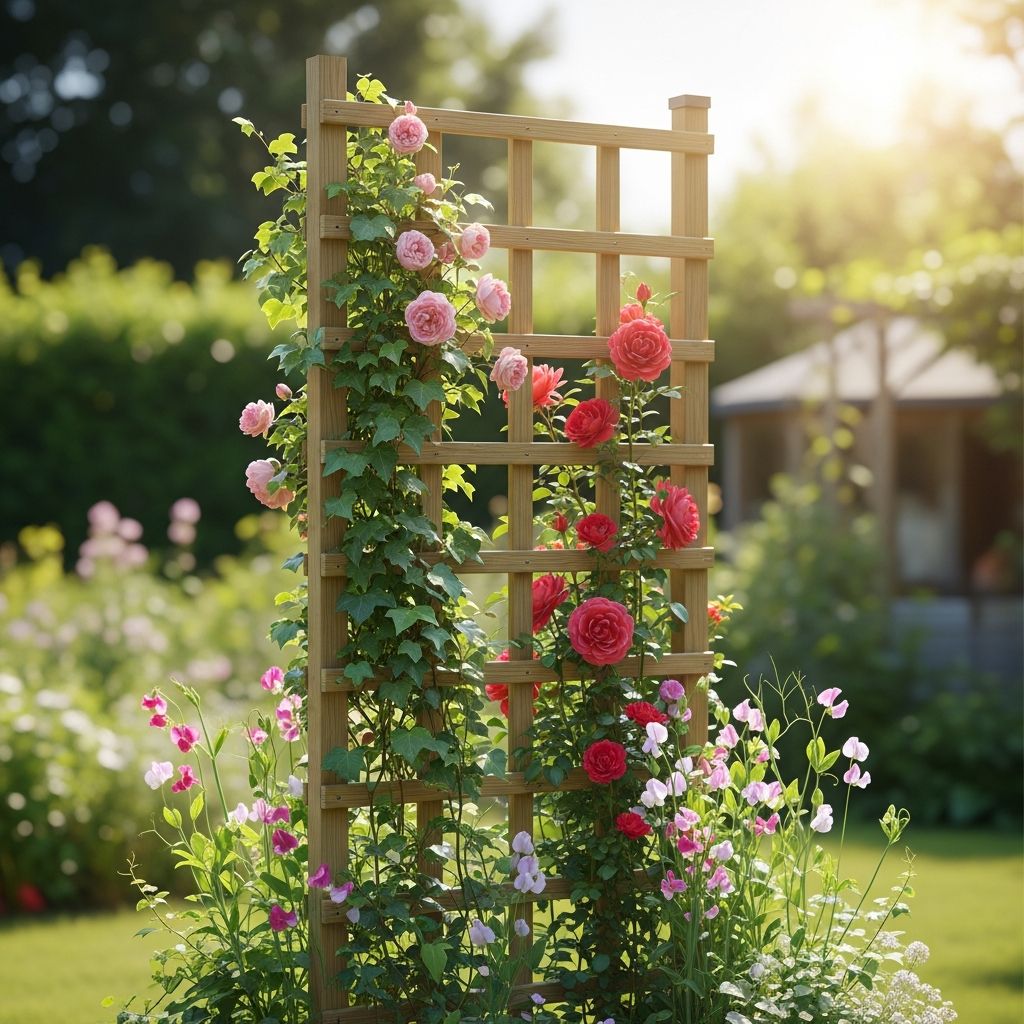
Garden trellises provide essential vertical support for climbing plants, creating stunning focal points while maximizing space. Proper stabilization prevents collapse under wind, plant weight, or soil shifts, extending their lifespan and safeguarding your investment. This guide explores site selection, installation techniques for various setups, material choices, and long-term care strategies.
Why Trellis Stability Matters in Your Garden
A well-secured trellis not only supports vigorous climbers like roses, clematis, or vines but also contributes to garden security. Fragile structures deter intruders by breaking under climbing attempts, adding a passive defense layer. Beyond protection, stable trellises promote healthy plant growth by offering consistent support, reducing stress from swaying.
Instability leads to leaning posts, snapped panels, and plant damage. Factors like high winds, heavy foliage, and poor soil amplify risks, making robust anchoring critical for seasonal reliability.
Evaluating Your Garden for Optimal Trellis Placement
Site choice influences both plant success and structural integrity. Prioritize areas with balanced sunlight—most climbers need 6+ hours daily—while avoiding extreme wind tunnels that strain anchors.
Soil Analysis and Preparation
Test soil drainage by digging a test hole; water should percolate within hours. Clay-heavy or waterlogged ground requires amendments like compost or gravel for freestanding models to prevent post rot.
- Loamy, organic-rich soil: Ideal for direct planting.
- Poor drainage: Build raised bases or use gravel layers.
- Rocky terrain: Opt for wall-mounted or spiked designs.
Wind and Sunlight Mapping
Observe your garden over days to note prevailing winds. Sheltered spots near buildings reduce sway, while open areas demand reinforced bases. South-facing walls capture maximum sun for fruiting vines.
Essential Tools and Materials for Secure Installation
Gather supplies beforehand to streamline the process. Quality tools ensure precision, while durable materials withstand outdoor exposure.
| Category | Items | Purpose |
|---|---|---|
| Basic Tools | Post hole digger, drill, spirit level, tape measure, marker | Digging, leveling, measuring accuracy |
| Freestanding Materials | Concrete mix, ground spikes, guy wires | Anchoring posts deeply |
| Wall/Fence Materials | Masonry screws, wall plugs, brackets | Secure attachment to surfaces |
| Protective Finishes | Wood preservatives, rust-proof paint | Weather resistance |
Installing Freestanding Trellises: Step-by-Step
Freestanding designs suit open spaces, offering flexibility for arches or obelisks. Depth and concrete are key for wind resistance.
- Mark and Dig: Space posts 6-8 feet apart. Dig holes one-third the post height (e.g., 2 feet for 6-foot trellis).
- Position and Level: Insert posts, check plumb with spirit level on two planes. Brace temporarily.
- Pour Concrete: Mix quick-set concrete, fill holes, tamp to remove air pockets. Let cure 24-48 hours.
- Attach Panels: Screw trellis to posts using galvanized fasteners.
- Add Guys if Needed: For tall units, run cables from apex to ground stakes.
For metal trellises, included ground spikes simplify setup—hammer in first, then level and bolt.
Wall-Mounted Trellis Attachment Techniques
These save ground space and leverage building strength. Match hardware to wall type: masonry bits for brick, wood screws for timber.
Process:
- Mark height, ensuring 2-3 inches ground clearance for air flow.
- Drill pilot holes, insert plugs.
- Screw brackets, hang trellis, verify level.
Leave gaps behind for wiring or ties, aiding plant training without surface damage.
Securing Trellises to Fences and Existing Structures
Enhance privacy and height without full replacement. Trellis atop fences boosts deterrence—lightweight panels snap under weight, alerting owners.
Fence Integration Steps:
- Align trellis centrally on fence section.
- Drill through both into posts.
- Fasten with long exterior screws.
Avoid barbed additions; they pose liability risks. Combine with thorny climbers like pyracantha for natural barriers.
Advanced Anchoring for Challenging Conditions
In windy or sloped gardens, elevate stability:
- Guy Wires: Tension cables from top to buried anchors, adjustable for load.
- Netting Supports: Stretch plastic/metal nets loosely between posts for lightweight climbers; secure with clips.
- Composite Materials: Opt for rot-resistant composites over wood for low-maintenance durability.
Choosing Trellis Materials for Longevity
Wood offers aesthetics but needs sealing; metal provides strength, powder-coated for rust prevention. Composites mimic wood without decay risks.
| Material | Pros | Cons | Best For |
|---|---|---|---|
| Wood | Affordable, natural look | Requires treatment | Traditional gardens |
| Metal | Durable, modern | Can heat up | Contemporary spaces |
| Composite | Weatherproof, low upkeep | Higher cost | High-exposure areas |
Ongoing Maintenance for Enduring Stability
Annual checks prevent minor issues from escalating.
- Inspect anchors for settling; re-pour concrete as needed.
- Prune heavy growth to balance weight.
- Reapply preservatives yearly; tighten hardware.
- Clear debris to avoid rot.
In security-focused setups, monitor for damage signaling intrusion attempts.
Boosting Garden Privacy and Security with Trellises
Layer trellises with solid fences and climbers for multi-tiered privacy. Topping 6-foot fences adds height without permits, while thorny plants discourage scaling.
Ideas:
- Solid panels + trellis + ivy: Total coverage.
- Trellis alone on low walls: Airy yet obstructive.
Common Mistakes and How to Avoid Them
Shallow Holes: Always one-third depth.
Ignoring Level: Use spirit level religiously.
Wrong Fasteners: Exterior-grade only.
Over-Tight Netting: Allows plant movement.
FAQs
How deep should trellis post holes be?
One-third of post height, typically 18-24 inches for stability.
Can I install a trellis on a rental property?
Yes, wall-mounted or clipped designs minimize damage; check lease terms.
What’s best for heavy climbers?
Concrete-anchored metal or composite with guy wires.
Does trellis improve garden security?
Yes, breakable panels atop fences deter climbers effectively.
How often to maintain?
Twice yearly, plus post-storm checks.
References
- How to Properly Secure Your Garden Trellis — Dino Decking. N/A. https://www.dino.co.uk/how-to-secure-trellis/
- Garden Security Tips — Asgard. N/A. https://www.asgardsss.co.uk/blog/post/garden-security-tips
- How to Secure Your Garden Using Fencing and Garden Shed Security — Homebaseuk (YouTube). 2012-04-19. https://www.youtube.com/watch?v=bJIIuSioRW4
- Garden Trellis Netting Tips & Tricks — Huck Net. 2022-11. https://www.huck-net.co.uk/news/2022-11/garden-trellis-netting/
- Anchoring Your Freestanding Trellis: Tips from H Potter — H Potter. N/A. https://hpotter.com/blogs/gardening/anchoring-your-freestanding-trellis-tips-from-h-potter
- Garden Security – Top Three Techniques — Graduate Landscapes. N/A. https://graduatelandscapes.co.uk/garden-design-blog/garden-security-top-three-techniques/
Similar Articles




Read full bio of medha deb