Strategic Pool Placement Guide for Homeowners
Master the essentials of positioning your swimming pool for safety, comfort, and long-term enjoyment.
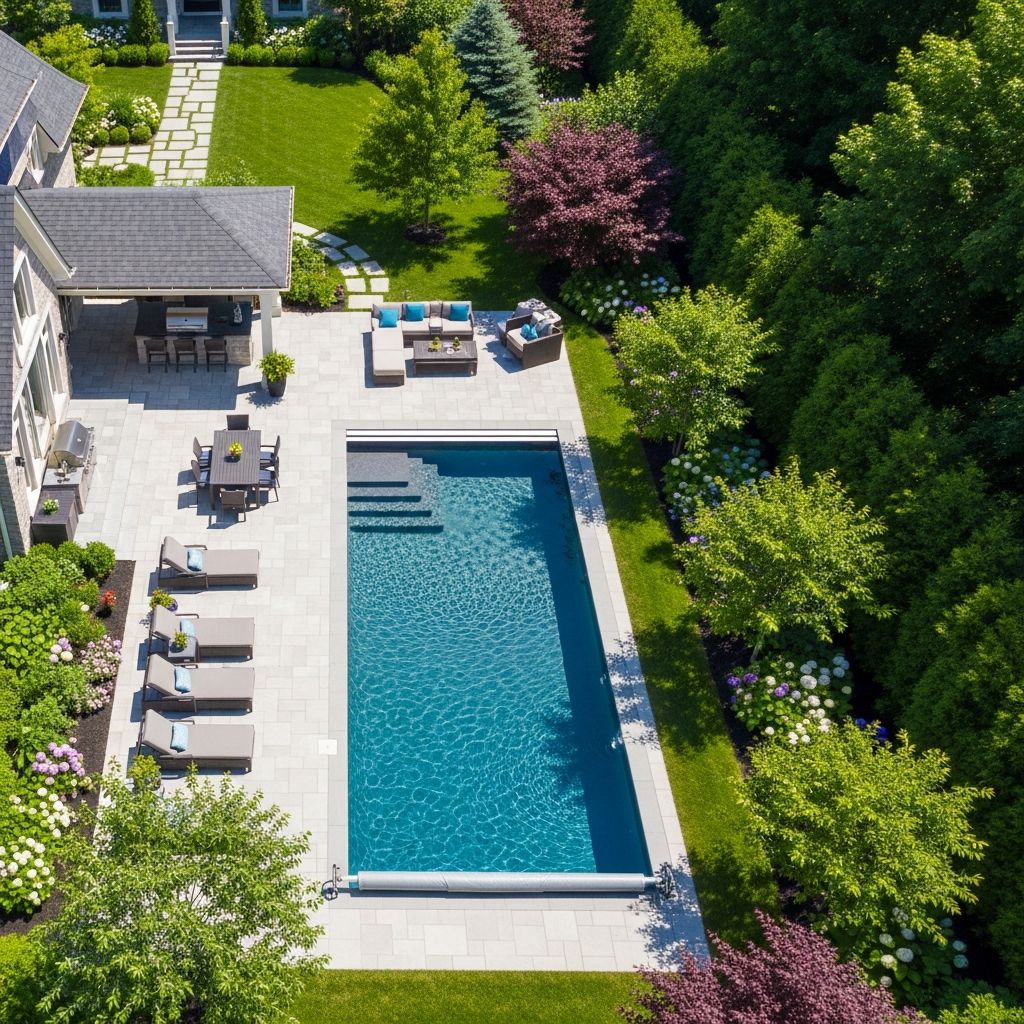
Installing a swimming pool represents a significant investment in your home and lifestyle. However, the success of your pool project depends largely on one fundamental decision: where to position it. The location you choose will influence everything from water temperature and maintenance requirements to property safety and long-term enjoyment. This comprehensive guide explores the critical considerations that should guide your pool placement decisions, helping you avoid costly mistakes and maximize the value of your investment.
Establishing Distance and Proximity Parameters
One of the most challenging decisions homeowners face is determining how close their pool should be to the primary residence. This relationship between pool and home involves balancing competing interests: convenience and accessibility on one hand, and structural protection on the other.
Positioning your pool within reasonable walking distance from your home creates what modern designers call seamless indoor-outdoor living. When your pool can be easily accessed from a patio or deck area, family members are more likely to use it regularly, and you can monitor swimmers more effectively. This proximity also reduces the physical burden of transporting equipment, supplies, and towels between the house and pool area.
However, proximity carries genuine risks to your home’s structural integrity. Water splash, evaporation, and chlorine spray can gradually damage your home’s foundation, siding, and landscaping over extended periods. Industry professionals recommend positioning your pool far enough away that routine splashing cannot reach your home’s walls or foundation. Many builders suggest maintaining a buffer zone that accounts for typical pool usage patterns and splash radius during active swimming.
Additionally, pool equipment such as pumps, filters, and chemical treatment systems should remain accessible but separate from the home. These components typically need to be positioned at least 2 meters from the pool structure itself, and ideally within 10 meters of the pool to minimize the length of piping required. Shorter pipe runs improve water circulation efficiency and reduce maintenance complexity.
Evaluating Ground Conditions and Terrain Characteristics
Before selecting your pool location, you must thoroughly understand your property’s physical characteristics. Soil composition, drainage patterns, and terrain slope all dramatically affect installation feasibility and long-term pool performance.
Soil type determines how well your ground will support a large structure filled with thousands of gallons of water. Sandy soil may require extensive excavation and structural reinforcement, increasing project costs significantly. Rocky terrain presents different challenges, requiring specialized equipment and expertise to excavate the pool basin. The most favorable conditions exist in clay-rich, well-compacted soil that provides stable foundation support.
Terrain slope presents another critical consideration. Positioning your pool on a hillside or slope subjects the structure to constant pressure from the surrounding earth and water. For safety and longevity, maintain at least 20 feet of level ground between your pool and any upward or downward slope. This buffer zone protects against erosion, ground creep, and potential failure of the pool structure.
Poor drainage around your pool location can lead to standing water, foundation problems, and reduced pool longevity. Ideally, position your pool in an area where rainfall naturally drains away rather than pooling. If your backyard naturally collects water during heavy rains, consider implementing French drains or other water management solutions as part of your landscaping design.
Before finalizing your pool location, request a professional soil assessment. This simple test reveals soil composition, compaction levels, and drainage characteristics. The modest investment in soil testing can prevent expensive problems during and after construction.
Sun Exposure and Climate Optimization
The amount of direct sunlight your pool receives throughout the day significantly impacts water temperature, chemical balance, and overall usability. Most pool experts recommend selecting a location that receives several hours of direct sunlight daily, particularly during peak swimming season.
Direct sunlight naturally warms pool water, extending your swimming season and reducing heating costs. Sunlight exposure also helps maintain proper chemical balance and reduces certain maintenance challenges. However, excessive heat can create uncomfortable water temperatures, particularly in already-hot climates.
Climate-specific considerations matter significantly. In cooler regions, maximizing sun exposure makes swimming more comfortable and practical. In hot climates, you may prefer partial shade during afternoon hours to maintain comfortable water temperatures. When selecting your location, observe how sunlight patterns change throughout the day and across seasons. Winter sun angles differ dramatically from summer positions, affecting both water temperature and comfort for swimmers.
If your ideal pool location receives too much direct sunlight, incorporate shade structures into your landscape plan. Pergolas, shade sails, and strategically planted trees can moderate temperature while maintaining adequate light. These features also provide protection from harmful UV rays, which is an important health consideration for extended pool use.
Proximity to Utilities and Infrastructure
Before breaking ground, identify all underground utilities in your proposed pool area. Sewage lines, water mains, electrical conduits, gas lines, and storm drains must be located and avoided. Accidentally damaging these utilities during excavation creates expensive emergency repairs and safety hazards.
Contact your local utility companies or use professional locate services to mark all underground infrastructure. Most municipalities can provide diagrams showing the location of public utilities that cross residential properties. Additionally, review your property deed and survey documents, which typically identify easements—legal rights allowing utilities companies to access their infrastructure.
Positioning your pool directly over utilities creates future problems even if initial construction succeeds without damage. Any repairs to underground utilities will require expensive pool modifications or temporary closure. By avoiding these areas during initial placement, you prevent complications throughout your pool’s lifespan.
Your pool also requires proximity to electrical service for pumps, filters, and lighting systems. However, electrical components should be positioned safely away from water to prevent shock hazards. Similarly, water supply connections and drainage points should be reasonably accessible, requiring some proximity to existing water infrastructure.
Boundary Considerations and Regulatory Compliance
Most municipalities enforce setback requirements specifying minimum distances between pools and property lines. These regulations protect your neighbors’ privacy and establish boundaries for maintenance access. Typical setback requirements range from 3 to 5 feet, though specific regulations vary by location.
Beyond setbacks, local codes may restrict pool placement relative to protected trees, historically significant features, or sensitive environmental areas. Some jurisdictions regulate pool size, depth, and fencing requirements based on property characteristics. Before finalizing your design, obtain a complete copy of local zoning ordinances and pool installation codes.
Setback and easement violations create serious legal and financial problems. Violations may require expensive pool relocation, result in substantial fines, or prevent future property sales. When in doubt, consult your local building department and review your property survey with your pool contractor.
Visibility, Safety, and Supervision
Effective pool supervision requires clear sightlines from your home to the pool area. Position your pool where it remains visible from primary living spaces—kitchens, family rooms, or outdoor patios where family members naturally spend time. This visibility facilitates rapid response to emergencies and encourages regular monitoring of swimmers.
Well-designed pathways and safety features also contribute to overall pool safety. Ensure easy-to-navigate routes between your home and pool, incorporating handrails and non-slip surfaces on stairs and decking. These features prevent accidents during routine access and become essential during emergencies.
Fencing requirements typically mandate that pools be completely enclosed with restricted access points. Position your pool where fencing can be installed according to code requirements while maintaining the accessibility and visibility you need for proper supervision.
Space Allocation and Ground Coverage
Your pool location must accommodate not just the water basin but also necessary surrounding space. You need adequate room to walk around the entire pool perimeter for cleaning, maintenance, and safe deck access. Cramped pool settings complicate maintenance routines and limit usable deck space for lounging and entertaining.
In smaller backyards, position your pool along the longest dimension of your available space to maximize the feeling of openness. Against existing features like your home, fence, or landscaping boundaries, pools become integrated elements rather than obstructive obstacles. This positioning approach works particularly well in urban or suburban settings with limited property size.
Remember that pool location affects what size and shape pool you can actually install. Smaller spaces may accommodate only rectangular or kidney-shaped pools, while generous properties allow for more creative lagoon-style designs or multiple-basin configurations.
Environmental Factors and Drainage Management
Water management extends beyond simple drainage. Consider how rainfall, yard runoff, and seasonal water patterns affect your proposed location. Your pool should never become a collection point for roof runoff or yard drainage during heavy precipitation.
Position your pool to work with natural drainage patterns rather than against them. If terrain slopes toward your proposed location, integrate water management solutions like French drains, swales, or slight elevation adjustments into your landscaping design. This proactive approach prevents foundation saturation and maintains stable ground conditions around your pool structure.
Seasonal considerations also influence optimal placement. Understanding how sun angles change throughout the year helps you position your pool to maximize comfort during your primary swimming season. In regions with distinct seasonal variations, this calculation significantly affects how much you’ll actually enjoy your pool investment.
Wind Exposure and Environmental Impact
Natural windbreaks like mature trees and landscaping features can significantly reduce water evaporation and heat loss from your pool. Positioning near natural wind protection lowers maintenance requirements, extends heating season, and reduces environmental impact. However, trees too close to your pool create other challenges, including leaf debris and root intrusion.
Balance wind protection with the need to maintain clear deck areas and prevent tree debris from constantly entering the water. Often, strategic landscaping additions like hedgerows or purpose-built fencing provide wind protection without the complications of established trees.
Neighborhood Privacy and Aesthetics
Consider sightlines from neighboring properties when selecting your pool location. Positioning your pool to avoid direct visibility from neighbors’ homes respects their privacy while preserving your own. Natural screens including mature trees, tall shrubs, and strategically placed fencing accomplish this effectively.
Your pool location also affects overall property aesthetics. Choose a position where the pool enhances rather than detracts from your home’s visual presentation. Material selections for decking, coping, and connecting pathways should complement your home’s exterior design and existing landscaping.
Above-Ground Pool Placement Specifics
Above-ground pools present unique placement considerations distinct from in-ground installations. Ground levelness becomes paramount, as uneven terrain creates structural stress and water distribution problems. Select the most level location available on your property, or plan for ground preparation work.
Above-ground pools require clear visibility from your home, yet remain subject to the same proximity and supervision principles as in-ground pools. Local building codes typically apply similar setback and safety requirements regardless of pool type. Above-ground pool size and shape options often depend on available space, so measure carefully before selecting your pool model.
Special Situations and Advanced Considerations
Sloped lots present unique opportunities rather than limitations. Terraced, multi-level pool designs featuring waterfalls, cascades, or infinity edges can transform sloped terrain into stunning focal points. Work with designers experienced in hillside pools to transform challenging terrain into distinctive features.
Rocky terrain similarly offers creative possibilities. Existing rock can become natural grotto elements, boulder accents, and distinctive design features that blend your pool beautifully into the surrounding landscape.
When high water tables are present in your area, certain pool types handle groundwater more effectively than others. Fiberglass pools install quickly, minimizing exposure to groundwater complications. Concrete and vinyl liner pools require longer construction periods, which can create costly problems in areas with elevated water tables.
Frequently Asked Questions
- How far should a pool be from the house?
- Most experts recommend sufficient distance to prevent water splash damage to your home’s foundation and structure, typically several feet to several meters depending on your home’s specific construction and orientation. Position the pool close enough for convenient access and visibility, but far enough to protect your investment.
- What is the minimum setback distance from property lines?
- Setback requirements vary by municipality but typically range from 3 to 5 feet. Always verify specific requirements with your local building department before finalizing placement.
- How do I check for underground utilities?
- Contact your local utility companies or use professional locate services to identify and mark all underground infrastructure. Your municipality can also provide utility diagrams for your property.
- Can I install a pool on sloped terrain?
- Yes, but maintain at least 20 feet of level ground between your pool and any slope. Consider professional design for terraced installations that transform slope into design features.
- What soil conditions work best for pools?
- Well-compacted, clay-rich soil provides excellent support. Sandy soil requires reinforcement, and rocky terrain demands specialized excavation. Request professional soil testing before finalizing your location.
- How much sun exposure does my pool need?
- Several hours of direct daily sunlight is ideal for water temperature and maintenance. In hot climates, some afternoon shade may improve comfort. Observe sun patterns throughout the day before selecting your location.
- Should I position my pool away from trees?
- Yes, trees should typically be positioned away from the immediate pool area to reduce debris and root intrusion. However, trees at appropriate distances can provide beneficial wind protection and privacy screening.
References
- Pool Placement: How to Find the Right Location for Your Pool — Guy Robert Landscape. https://guyrobertlandscape.com/best-pool-placement-guide/
- Where to put a pool in your backyard – 5 essential tips from the experts — Homes and Gardens. https://www.homesandgardens.com/gardens/where-to-put-a-pool-in-your-backyard
- Tips on Choosing the Best Location for my Above Ground Pool — Pool and Spa Depot. https://www.poolandspadepot.com/tips-choosing-best-location-ground-pool/
- 5 Key Considerations for Your Ideal Swimming Pool Position — Crystal Pools. https://www.crystalpools.com.au/pool-guides/swimming-pool-placement/
- Perfect Pool Placement: Expert Landscaping Tips — Leisure Pools USA. https://leisurepoolsusa.com/pool-ideas/perfect-pool-placement/
- Swimming Pool Placement: How Far Should Your Pool Be From the Shore? — River Pools and Spas. https://www.riverpoolsandspas.com/blog/swimming-pool-placement
Similar Articles




Read full bio of Sneha Tete