Streak-Free Mirrors: Ultimate Cleaning Guide
Discover proven methods, tools, and tips to banish streaks from your mirrors for a crystal-clear reflection every time.
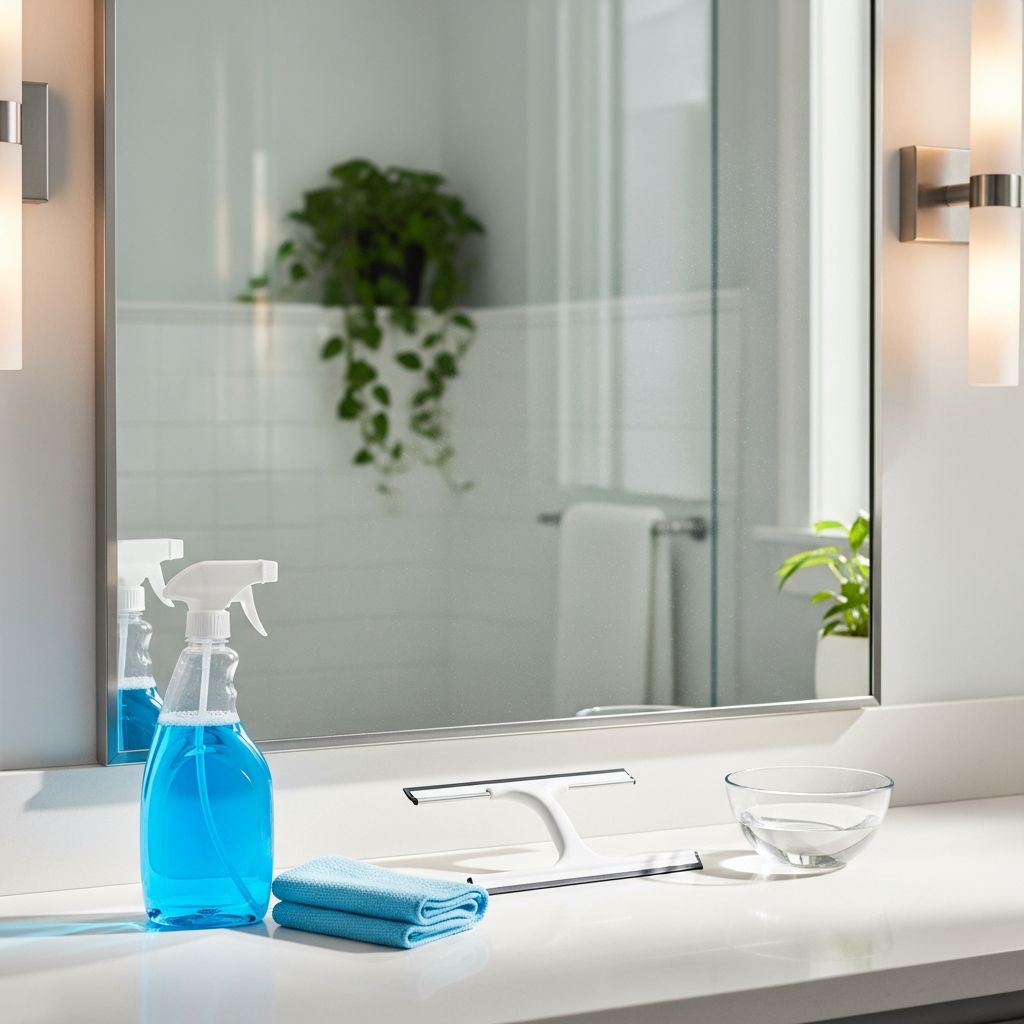
Mirrors enhance any space with their reflective beauty, but streaks and smudges can quickly dull their appeal. Achieving a flawless, professional shine requires the right tools, techniques, and solutions. This guide draws from reliable cleaning practices to help you restore mirrors to perfection using everyday items and smart methods.
Essential Tools and Materials for Perfect Results
Gathering the proper supplies is the foundation of streak-free cleaning. Opt for lint-free options to avoid residue and scratches.
| Item | Purpose | Why It Works |
|---|---|---|
| Microfiber Cloths | Lint-free wiping and buffing | Absorbs moisture effectively without leaving fibers |
| Distilled Water | Base for cleaners | Prevents mineral deposits from tap water |
| White Vinegar | Natural degreaser | Cuts grime and evaporates cleanly |
| Rubbing Alcohol | Spot treatment | Removes sticky residues quickly |
| Spray Bottle | Even application | Controls liquid amount to avoid drips |
| Cotton Swabs | Edge detailing | Targets corners without spreading dirt |
| Glass Squeegee (Optional) | Large surface drying | Provides pro-level streak removal |
These items are affordable and versatile, suitable for bathrooms, dressers, or full-length mirrors.
Preparation: Setting Up for Success
Before applying any solution, prepare the surface to prevent trapping dirt, which leads to scratches or haze.
- Dry Dusting: Gently sweep a dry microfiber cloth from top to bottom to lift loose particles. This step is crucial for heavily used mirrors like those in bathrooms.
- Edge Focus: Use cotton swabs on frames and crevices where toothpaste splatter or hairspray accumulates.
- Lighting Check: Clean in bright, natural light to spot issues early. Inspect for haze from steam or product buildup.
Skipping prep often results in redistributed grime, so invest these few minutes for superior outcomes.
Core Cleaning Method: Vinegar-Based Solution
A simple, eco-friendly mix of vinegar and water rivals commercial products for clarity.
Recipe and Application
- Combine equal parts white vinegar and distilled water in a spray bottle. Add a drop of dish soap for extra grease-cutting power.
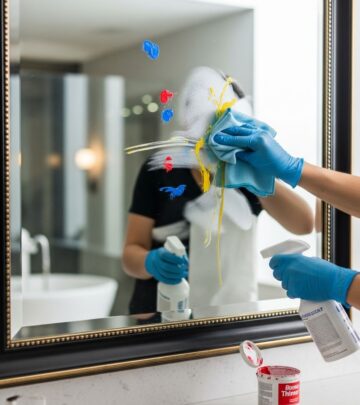
- Mist the solution onto a microfiber cloth, not the mirror, to prevent seepage into edges.
- Wipe in straight lines or S-patterns from top to bottom, avoiding circles that trap residue.
- Flip to a dry section and buff immediately for shine.
This method dissolves fingerprints, water spots, and daily grime without films. For larger mirrors, section the surface to maintain control.
Tackling Stubborn Stains and Buildup
Some marks resist basic cleaning, like hard water deposits or makeup smears.
Hard Water and Mineral Removal
Soak affected areas with full-strength vinegar for 5 minutes, then wipe with a damp cloth. Follow with buffing. The acidity breaks down calcium without abrasion.
Fingerprints and Greasy Spots
- Dab rubbing alcohol on a cloth or swab.
- Gently pat, don’t rub, to lift oils.
- Dry buff to prevent re-smearing.
Hazy or Foggy Surfaces
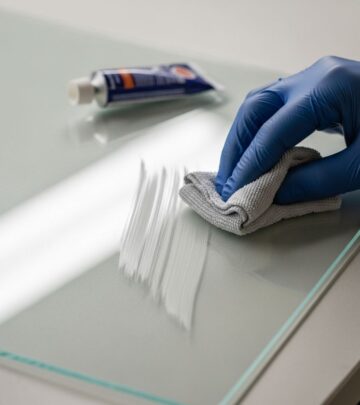
Product residues cause dullness. Mix vinegar, water, and dish soap; apply and let sit briefly before wiping. For light scratches, non-gel toothpaste acts as a mild polish—rub sparingly, rinse, and buff.
Advanced Techniques for Pro-Level Shine
Elevate your routine with tools tailored to mirror size and condition.
| Technique | Best For | Pros | Cons |
|---|---|---|---|
| Microfiber Buffing | All mirrors | Lint-free, reusable, versatile | Needs washing to stay effective |
| Squeegee | Large/full-length | Fast, no residue | Impractical for frames |
| Newspaper | Quick polish | Free polish, absorbent | Ink mess, not eco for all |
Squeegee users: Pull downward steadily after solution application, wiping the blade each pass. Newspaper works post-wipe for final sheen.
Preventing Streaks and Fog Long-Term
Maintenance keeps mirrors pristine between deep cleans.
- Post-Shower Anti-Fog: Spread a thin dish soap film or shaving cream layer, buff dry. Creates a hydrophobic barrier against steam.
- Daily Touch-Ups: Keep a dry cloth handy for smudges.
- Environment Tips: Use exhaust fans to reduce humidity; avoid spraying products directly on mirrors.
- Storage: Wash microfiber cloths separately to prevent lint transfer.
These habits extend time between full cleans, saving effort.
Frequently Asked Questions (FAQs)
Can I use Windex or commercial cleaners?
Yes, but spray on cloth first. Vinegar alternatives work similarly without ammonia haze.
What if my mirror has black edges after cleaning?
Excess moisture seeped behind backing. Dry thoroughly next time and avoid overspray.
Is newspaper safe for antique mirrors?
Use cautiously; test ink transfer. Microfiber is safer for delicate surfaces.
How often should I deep clean?
Weekly for bathrooms, monthly elsewhere, based on use.
Does distilled water really matter?
Yes—tap minerals cause spots. It’s inexpensive insurance.
Word Count Optimization and Final Tips
For mirrors in high-traffic areas, combine methods: vinegar wipe plus squeegee for speed. Always work top-down to control drips. With practice, you’ll achieve salon-quality results effortlessly.
This comprehensive approach ensures mirrors stay vibrant, enhancing home aesthetics daily.
References
- How to Clean a Mirror Without Streaks: Step-by-Step Guide — Aosom. 2023. https://www.aosom.com/blog-how-to-clean-a-mirror-without-streaks-step-by-step-guide.html
- How to Clean a Mirror for a Streak-Free Shine — Lowe’s. 2024-01-15. https://www.lowes.com/n/how-to/how-to-clean-a-mirror
Similar Articles



Read full bio of Sneha Tete