Stripping Lacquer From Furniture: 3 Safe Methods To Refinish
Master the art of safely removing lacquer finishes to restore your furniture's natural beauty with proven chemical and mechanical techniques.
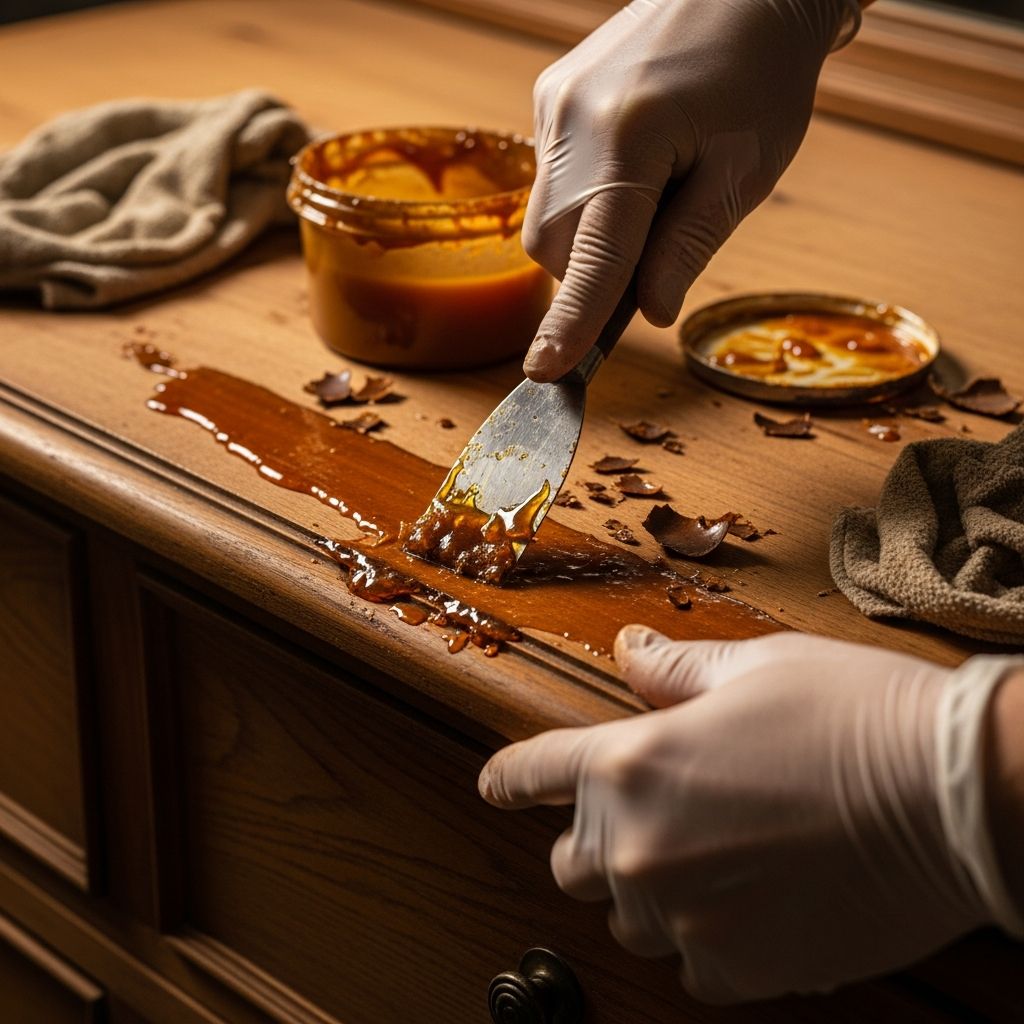
Stripping Lacquer from Furniture: A Complete DIY Guide
Lacquer provides a durable, glossy finish on furniture, but over time it may yellow, crack, or clash with new design preferences. Removing it reveals the wood’s natural grain for refinishing. This guide explores safe, effective strategies using chemicals, tools, and preparation steps to achieve professional results at home.
Understanding Lacquer and Why Removal is Necessary
Lacquer is a fast-drying nitrocellulose-based coating that forms a hard, clear film on wood surfaces. It bonds tightly, especially when fully cured, making removal challenging without proper techniques. Common reasons for stripping include repairing damage, changing aesthetics, or preparing for oil or polyurethane finishes incompatible with lacquer.
Freshly applied lacquer (within 24-48 hours) dissolves easily with solvents, but aged finishes require stronger strippers to break down the cured layers without harming the wood stain or grain structure.
Essential Safety Precautions Before Starting
Stripping chemicals emit fumes that irritate eyes, skin, and lungs. Always prioritize protection:
- Wear nitrile gloves, safety goggles, and a respirator rated for organic vapors.
- Operate in a well-ventilated outdoor area or garage with fans exhausting fumes away from living spaces.
- Protect surrounding surfaces with drop cloths and plastic sheeting.
- Keep a fire extinguisher nearby, as solvents are highly flammable.
- Dispose of waste rags and residues in sealed metal containers to prevent spontaneous combustion.
Consult product safety data sheets (SDS) for specific warnings, and test methods on inconspicuous areas first.
Tools and Materials You’ll Need
Gather these items for efficient stripping:
| Category | Items | Purpose |
|---|---|---|
| Chemicals | Lacquer thinner, denatured alcohol, methylene chloride stripper, citrus-based alternatives | Dissolve and lift finish |
| Tools | Paint scrapers, steel wool (#0000), nylon scrub pads, spray bottles, paintbrushes | Remove softened lacquer |
| Abrasives | Sandpaper (80-220 grit), sanding blocks | Smooth remnants |
| Protection/Cleanup | Gloves, goggles, respirator, rags, mineral spirits | Safety and residue removal |
Method 1: Solvent-Based Stripping with Lacquer Thinner
Lacquer thinner, a blend of acetone, toluene, and other solvents, excels at fresh or semi-cured finishes. For older layers, it softens them into a removable slurry.
- Spray or brush thinner generously onto a small section (2×2 feet).
- Wait 5-10 minutes as it penetrates; the surface will wrinkle and bubble.
- Scrape off softened lacquer with a plastic or metal scraper, wiping residue onto rags.
- Repeat applications until bare wood appears, then scrub with #0000 steel wool dipped in thinner.
- Rinse with mineral spirits or water (for non-methylene products) and dry thoroughly.
This approach preserves underlying stains better than aggressive sanding, as noted in woodworking forums where users mix thinner with denatured alcohol (50/50) for optimal results without lifting color.
Method 2: Heavy-Duty Chemical Strippers
For thick, multi-layered lacquer, methylene chloride-based strippers cut through quickly. These professional-grade products require caution due to toxicity.
- Apply a thick, even coat with a brush; avoid drips on vertical surfaces.
- Cover with plastic wrap for 15-30 minutes to enhance dwell time.
- Test lift with a scraper; fully softened lacquer peels in sheets.
- Remove bulk, then neutralize with water or manufacturer-recommended rinse.
- Follow with a paraffin-based flusher to clear residue from grain, as demonstrated in stripping videos on mahogany tables.
Citrus or eco-friendly strippers take longer (hours) but produce less mess and fumes, ideal for indoor use or sensitive woods.
Method 3: Mechanical Sanding for Precision Control
Sanding suits detailed areas or when chemicals risk stain removal. Start coarse to avoid clogging.
- Begin with 80-120 grit paper or a belt sander on flat surfaces to break the top layer.
- Progress to 220 grit for smoothing; use orbital sanders for efficiency.
- For high-grit pre-sanded wood (e.g., 2000 grit), chemicals are preferable to preserve smoothness—sanding restarts the grit progression.
Combine with solvents: wipe thinner between grits to dissolve gummed-up finish.
Preserving Wood Stain During Stripping
Stains can bleed if solvents penetrate too deeply. Strategies include:
- Using buffered solvents like 50% lacquer thinner and 50% wood alcohol to reamalgamate without full removal.
- Avoiding prolonged exposure; work in sections.
- Testing on edges; if color lifts, switch to sanding or milder strippers.
Post-stripping, seal bare wood promptly with dewaxed shellac to block residual chemicals.
Step-by-Step Process for a Full Furniture Piece
Refinish a table systematically:
- Disassemble hardware and label parts.
- Degrease surfaces with mineral spirits.
- Strip in sections: top first, then legs.
- Inspect for missed spots; repeat as needed.
- Sand progressively: 150, 220, 320 grit.
- Apply grain filler if porous wood, then new finish (oil, poly, etc.).
Common Mistakes and How to Avoid Them
Gooey messes: Wipe frequently while wet; use absorbent rags.
Wood damage: Over-sanding creates dips; dilute solvents for tests.
Fume overload: Limit sessions to 1-2 hours with breaks.
Incomplete removal: Multiple thin applications outperform one heavy coat.
Alternative Finishes After Stripping
Bare wood accepts oils, wiping varnish, or shellac (compatible over lacquer remnants). Avoid water-based products until fully neutralized.
| Finish Type | Pros | Cons | Best For |
|---|---|---|---|
| Tung Oil | Enhances grain, easy repair | Slower dry, less durable | Tables, chairs |
| Wipe-On Poly | Buildable sheen, UV protection | Multiple coats needed | Shelves, cabinets |
| Shellac | Quick dry, warm tone | Alcohol-sensitive | Antiques |
Caring for Stripped and Refinished Furniture
Use lukewarm water and mild soap for cleaning; avoid silicon polishes that contaminate future finishes. Reapply oil monthly to maintain vibrancy.
Frequently Asked Questions (FAQs)
Can I strip lacquer without chemicals?
Yes, sanding works but is labor-intensive and risks uneven wood removal.
How long does lacquer thinner take to work?
5-10 minutes per application; repeat for cured finishes.
Is methylene chloride safe for home use?
With full PPE and ventilation, yes; otherwise, opt for citrus strippers.
Will stripping remove wood stain?
Not if using targeted solvents; test first.
What’s the best way to dispose of stripping waste?
Seal in metal cans, let cure, then hazardous waste facility.
References
- Removing Lacquer — FineWoodworking Forums. Accessed 2026. https://www.finewoodworking.com/forum/removing-lacquer
- Removing Lacquer Without Removing Stain — Woodweb Knowledge Base. Accessed 2026. https://woodweb.com/knowledge_base/Removing_Lacquer_Without_Removing_Stain.html
- Stripping Lacquer off Mahogany Dining Table — Cooper’s Strip Club (YouTube). 2020-06-18. https://www.youtube.com/watch?v=imk54-TFXIc
- Best/Easiest Way to Remove a Lacquer Finish — American Association of Woodturners Forum. Accessed 2026. https://www.aawforum.org/community/threads/best-easiest-way-to-remove-a-lacquer-finish.14556/
Similar Articles


Read full bio of medha deb