Stripping Varnish From Kitchen Cabinets: Step-By-Step Guide
Master the art of varnish removal from kitchen cabinets with safe, effective techniques for a fresh start on your cabinetry refresh project.
Stripping Varnish from Kitchen Cabinets
Revitalizing kitchen cabinets often begins with eliminating old varnish layers that have dulled over time. This process reveals the natural beauty of the wood underneath, preparing surfaces for painting, staining, or new finishes. Whether dealing with thick buildup or intricate details, proper stripping ensures longevity and aesthetic appeal in your kitchen space.
Why Remove Varnish from Cabinets?
Old varnish can yellow, crack, or peel, detracting from your kitchen’s look. Removing it allows for better adhesion of new coatings and restores the wood’s original grain. Homeowners choose this method to avoid replacement costs while customizing their cabinetry to match modern decor trends.
- Improves paint or stain adherence for durable results.
- Exposes wood grain for authentic refinishing.
- Extends cabinet life without full replacement.
Assessing Your Cabinets Before Starting
Before diving in, identify the finish type. Varnish differs from shellac or paint; test with alcohol on a hidden spot—if it softens, it’s likely shellac, but persistent finishes require strippers. Inspect for raised panels, grooves, or hardware that demand special attention.
Measure the varnish thickness and note cabinet style. Flat surfaces strip quickly, while profiled edges need precision tools.
Gathering Essential Tools and Materials
Success hinges on quality supplies. Prioritize chemical-resistant items to handle strippers safely.
| Category | Items | Purpose |
|---|---|---|
| Safety Gear | Chemical-resistant gloves, goggles, respirator, closed-toe shoes | Protects skin, eyes, and lungs from fumes and splashes. |
| Stripping Tools | Shave hooks, wide/narrow scrapers, putty knives | Removes softened varnish from flat and contoured areas. |
| Chemicals | Paint/varnish stripper (gel formula), mineral spirits, steel wool (#0 or finer) | Lifts varnish; cleans residue. |
| Sanding | Belt/palm sander, assorted grits (80-220), nylon brushes | Smooths surfaces post-stripping. |
| Workspace | Drop cloths, sawhorses, old containers for waste | Contains mess and protects surroundings. |
Preparing Your Workspace Safely
Work outdoors or in a garage with excellent ventilation—fumes from strippers are potent. Remove all cabinet doors, drawers, and hardware like knobs or hinges. Label pieces for reassembly. Lay drop cloths and set up sawhorses for stable support. Dispose of waste per local hazardous material guidelines; never pour down drains.
Step-by-Step Varnish Stripping Process
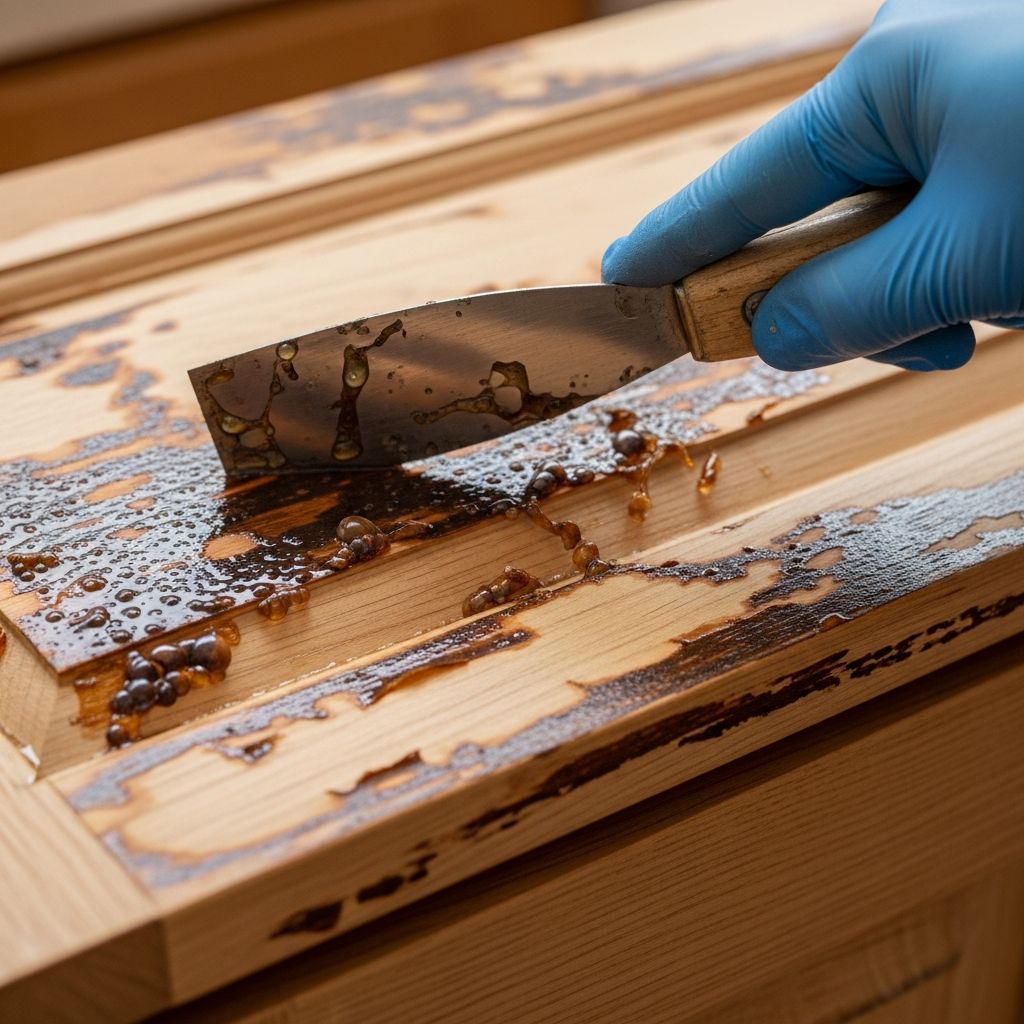
- Apply the Stripper: Brush on a thick, even coat of gel stripper using an old brush. Cover all surfaces generously, focusing on grooves. Gel formulas cling better and stay active longer, up to 24 hours.
- Wait for Reaction: Allow 15-30 minutes or until varnish bubbles and lifts. Avoid letting it dry; reapply if needed. Patience prevents incomplete removal.
- Scrape Off Softened Varnish: Use a wide scraper for flats, shave hooks for profiles. Work quickly into a disposable container. For tough spots, reapply and scrub with steel wool.
- Neutralize Residue: Wipe with damp cloths or mineral spirits to remove stripper remnants. Multiple passes ensure clean wood.
- Dry Thoroughly: Air dry for several hours. Inspect for missed areas and repeat if necessary.
Handling Challenging Areas and Thick Layers
Raised panels trap varnish in crevices—pour extra stripper there and use shave hooks to extract it cleanly. For multi-layer varnish, multiple applications may be required. Videos demonstrate light initial sprays followed by scrubbing for even results. Avoid over-sanding early; strippers do the heavy lifting.
Pro Tip: Steel wool or nylon pads pull residue from wood grain without gouging, ensuring a smooth base.
Sanding for a Flawless Finish
Strippers remove bulk but leave roughness. Start with 80-grit on a sander for high spots, progress to 220-grit for smoothness. Hand-sand details or use a Dremel for tight grooves. Always sand with the grain to prevent scratches. Final wipe with tack cloth removes dust.
Common Mistakes to Avoid
- Skipping safety gear, leading to burns or inhalation issues.
- Indoor work without ventilation, risking health hazards.
- Rushing the bubbling phase, causing ineffective stripping.
- Improper disposal, violating environmental regs.
- Overlooking residue, which ruins new finishes.
Alternative Stripping Methods
Chemical strippers excel for most jobs, but consider:
Mechanical: Planers or sanders for thin varnish—less mess but more labor.
Solvent-Based: Mineral spirits for shellac; test first.
Heat Guns: Softens varnish for scraping, but risks scorching wood—use cautiously.
For eco-conscious users, soy-based gels minimize VOCs while effectively lifting finishes.
Post-Stripping: Prepping for Refinishing
Bare wood needs prompt protection. Clean with wood cleaner, then apply primer for paint or conditioner for stain. Test small areas to match desired sheen. Common follow-ups include urethane enamels or cabinet transformation kits for quick overhauls.
Safety and Environmental Considerations
Wear full PPE; strippers contain harsh chemicals. Ventilate well and have neutralizing agents handy. Dispose via hazardous waste facilities. Opt for low-VOC products where possible to reduce indoor air pollution.
Cost Breakdown and Time Estimates
| Item | Approx. Cost | Time per Cabinet Set |
|---|---|---|
| Stripper (1 gal) | $30-50 | 1-2 days |
| Tools/Scrapers | $20-40 | Included |
| Sanding Supplies | $15-25 | 4-6 hours |
| Total for 10 Doors | $65-115 | 2-4 days |
DIY saves hundreds versus professional services ($500+).
Frequently Asked Questions (FAQs)
Can I strip varnish indoors?
No—fumes are dangerous. Work outside or ventilate extremely well.
How long does stripper take to work?
15 minutes to 2 hours, depending on thickness.
Is sanding always necessary after stripping?
Yes, to smooth the surface for even refinishing.
What if my cabinets have lead paint underneath?
Test first; hire pros if positive, as it’s hazardous.
Can I paint directly over stripped wood?
Prime first for best adhesion.
Final Thoughts on Cabinet Transformation
Stripping varnish transforms dated cabinets into stunning focal points. With methodical steps, anyone can achieve pro results. Plan ahead, prioritize safety, and enjoy your renewed kitchen.
References
- How to Easily Strip Wood Cabinets | BEST Paint Varnish Remover — Dans le Lakehouse. 2021-02. https://danslelakehouse.com/2021/02/how-to-easily-strip-wood-cabinets-best-paint-and-varnish-remover.html
- How To Strip Old Kitchen Cabinets — YouTube (QCS Epoxy). Accessed 2026. https://www.youtube.com/watch?v=164bhELNJsU
- How to remove paint or stain from your kitchen cabinets (Part 1 of 3) — YouTube (Average Mike). 2021-12-08. https://www.youtube.com/watch?v=qyr_-k-TUd8
- Stripping shellac from oak kitchen cabinets — Woodworking Masterclasses. Accessed 2026. https://woodworkingmasterclasses.com/discussions/topic/stripping-shellac-from-oak-kitchen-cabinets/
Similar Articles


Read full bio of medha deb