Styler Appliances: The Modern Way to Refresh Clothes at Home
How steam closets are changing home garment care
Styler Appliances: A Complete Homeowner’s Guide to Steam Closets
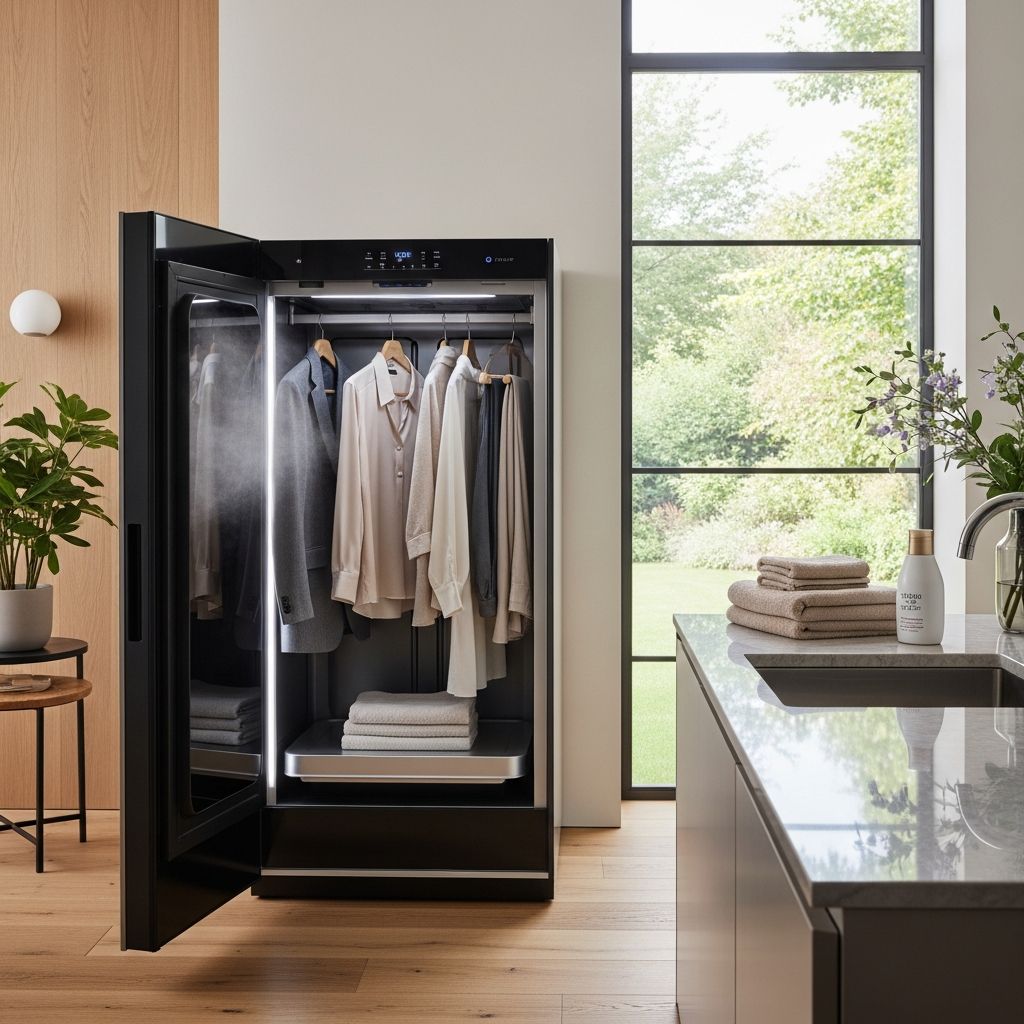
Styler appliances, often called steam closets or garment care cabinets, are compact home machines that refresh, sanitize, and gently dry clothes using steam and controlled heat instead of traditional washing and tumble drying.
What Is a Styler Appliance?
A styler appliance is a vertical cabinet that uses steam, gentle heat, and light motion to freshen fabrics, reduce wrinkles, remove odors, and kill many common allergens from garments and household items. Unlike a washer or dryer, it is not designed for heavy soil removal; instead, it extends the life of clean or lightly worn clothes between full wash or dry-cleaning cycles.
Inside the unit, garments hang from special moving hangers or rest on shelves while jets of steam and precisely controlled temperature cycles treat the fabric. This process helps relax fibers, smooth wrinkles, and reduce lingering smells like food, smoke, or mustiness without harsh detergents.
How a Styler Fits into Your Laundry Routine
Think of a styler as the missing link between the closet and the washing machine. It is not a replacement for cleaning extremely dirty items, but it allows you to quickly refresh pieces that are not truly soiled yet feel less than fresh. For many households, this translates to fewer emergency dry-cleaning trips and less wear on delicate garments.
In practice, you may use a washer and dryer for everyday loads, reserve dry cleaning for heavily soiled or structured garments, and rely on the styler to maintain clothes that only need deodorizing, light wrinkle reduction, or sanitizing.
Key Functions and Features
While exact features vary by brand and model, most styler appliances offer a similar core set of capabilities. Understanding these functions will help you decide whether one belongs in your home.
Core Capabilities
- Steam refresh: Uses bursts of steam to relax fibers, reduce light wrinkles, and make clothes feel and smell fresher.
- Deodorizing cycles: Targets odors from smoke, food, sweat, and storage so items smell cleaner between full washes.
- Sanitizing modes: High-temperature or specialized steam cycles designed to reduce bacteria, dust mites, and certain allergens on fabrics.
- Gentle drying: Low-temperature drying for damp garments, rain-soaked outerwear, or hand-washed delicates that you do not want to tumble.
- Fabric-specific settings: Presets for wool, silk, synthetic fabrics, uniforms, baby items, or bedding to avoid damage.
Design and Convenience Features
- Moving hangers: Hangers that gently shake or oscillate to help steam penetrate and release wrinkles more evenly.
- Shelves or racks: Flat racks for sweaters, toys, pillows, and items that should not hang to prevent stretching.
- Pants-press panel: Some units include a built-in clamp to press pant creases while refreshing the fabric.
- Water tanks: Self-contained clean-water and drain tanks so you usually do not need direct plumbing.
- Smart connectivity: Wi-Fi control via smartphone, allowing you to start cycles, receive notifications, and download specialized programs.
- Quiet operation: Many stylers run quieter than a traditional dryer, making them suitable for bedrooms, closets, or small apartments.
Typical Cycle Types
| Cycle Type | Primary Purpose | Ideal For |
|---|---|---|
| Quick Refresh | Light de-wrinkling and odor reduction in under an hour. | Work shirts, lightly worn dresses, casual outfits. |
| Sanitize or Allergy | Higher intensity steam or heat to reduce microbes and allergens. | Baby clothes, bedding, uniforms, pet bedding. |
| Gentle Dry | Low-heat moisture removal without tumbling. | Sweaters, delicate fabrics, rain-soaked jackets. |
| Specialty / Fabric Care | Custom cycles optimized for specific materials. | Wool coats, silk blouses, athletic gear, suits. |
Who Benefits Most from a Styler?
While almost anyone who wears clothes can appreciate fresher garments, certain households gain particular value from a styler appliance. In many cases, the more often you rely on dry-clean-only or delicate fabrics, the more cost-effective and convenient this type of unit becomes.
Ideal Users and Lifestyles
- Professionals with business attire: People who own suits, blazers, dress shirts, and tailored pants can refresh outfits quickly without repeated dry-clean visits.
- Parents and caregivers: Those caring for babies, children, or older family members can sanitize blankets, stuffed animals, and bedding more frequently.
- Allergy sufferers: Individuals bothered by pollen, dust, or pet dander can use sanitize cycles to reduce irritants trapped in fabrics.
- Pet owners: Households with cats or dogs can regularly deodorize throws, slipcovers, and pet beds instead of washing them constantly.
- Small-space dwellers: Apartment residents who lack full-size laundry appliances gain a compact way to keep clothes presentable.
- Frequent travelers: Those who return with musty or smoky clothes can refresh luggage contents quickly without full loads of laundry.
Styler vs. Traditional Laundry Appliances
A common question is whether a styler replaces a washer and dryer. It does not. Instead, it complements them by covering the gray area between clean and dirty—those garments you wore briefly and want to wear again without a full wash.
| Feature | Styler Appliance | Washer | Dryer |
|---|---|---|---|
| Main Purpose | Refresh, sanitize, de-wrinkle, and gently dry. | Remove dirt, stains, and heavy soils. | Remove moisture from wet items. |
| Water Usage | Minimal, primarily for steam. | Moderate to high depending on cycle. | None (beyond residual). Uses heat and airflow. |
| Fabric Wear | Very gentle; less mechanical action. | Can be harsh on delicates if settings are wrong. | Tumbling may cause shrinkage or pilling. |
| Best For | Lightly worn clothes, delicates, structured garments. | Heavily soiled everyday laundry. | Standard loads, towels, bedding, sturdy fabrics. |
| Cycle Time | Often 20–90 minutes depending on mode. | Typically 30–90 minutes. | Usually 30–60 minutes. |
Advantages and Limitations
Styler appliances add genuine convenience, but they are not perfect. Understanding both sides will help you decide if the investment aligns with how your household actually lives and launders.
Primary Advantages
- Extended garment life: Fewer wash and dry cycles mean less color fading, fabric thinning, and shrinkage over time.
- Reduced dry-cleaning costs: By refreshing and deodorizing between visits, you can go longer between professional cleanings.
- Convenience on demand: Quickly smooth out wrinkles and neutralize odors before an event, interview, or meeting.
- Gentle fabric care: Ideal for delicate items, structured garments, and special-occasion wear that you hesitate to launder frequently.
- Versatile use: Treats clothes plus throws, pillows, soft toys, and other household textiles.
Potential Drawbacks
- Upfront cost: A quality styler is a significant purchase, often comparable to or slightly below a mid-range washer or dryer.
- Limited capacity: Most units handle only a few garments at once, making them better for daily maintenance than large family loads.
- Not a stain remover: Heavy dirt, oil, and set-in stains still require traditional washing or professional cleaning.
- Floor space needed: Even slim models require a dedicated vertical space, plus room to open the door comfortably.
Choosing the Right Styler for Your Home
Once you decide a styler makes sense for your lifestyle, you still need to evaluate models and features. Capacity, available space, and connectivity are key points to weigh when comparing options.
Important Buying Considerations
- Size and capacity: Measure your space carefully and compare it to the unit’s dimensions, paying special attention to door swing and ventilation clearance.
- Number of hangers and racks: Look at how many garments the appliance can treat at once and whether it includes racks for flat drying or specialty items.
- Available cycles: Check for quick refresh, sanitize, delicate, and fabric-specific programs that match how you plan to use the machine.
- Noise level: If the appliance will live near bedrooms or living spaces, look for quieter models with sound-dampening design.
- Smart features: Decide whether app control, cycle notifications, and downloadable programs matter to you.
- Energy use: Some stylers use heat-pump technology or optimized heaters that consume less electricity than older-style drying methods.
Installation and Everyday Use
Styler appliances are simpler to install than most major laundry machines, but you still need to think about power access, flooring, and how you will maintain the water system. Most models plug into a standard outlet and do not require permanent water lines.
Basic Setup Steps
- Select a level surface near a standard electrical outlet, with enough ceiling height for the full cabinet.
- Ensure the floor can support the appliance’s weight and that the door can open comfortably without hitting nearby furniture or walls.
- Position the unit, adjust leveling feet if needed, and plug it into the designated outlet.
- Fill the clean-water tank following the manufacturer’s instructions and make sure the drain tank is empty.
- Run a test or cleaning cycle before the first real use to confirm everything is operating correctly.
Tips for Best Results
- Do not overload the cabinet; leave space between garments so steam can circulate freely.
- Use appropriate hangers and clips supplied or recommended by the manufacturer for the best drape and wrinkle removal.
- Shake out garments before placing them in the styler to avoid deep creases setting in.
- Choose the shortest cycle that meets your needs to save time and energy.
- Regularly empty and refill water tanks, and follow cleaning guidelines to prevent mineral buildup and odors.
Styler Maintenance and Longevity
Proper maintenance keeps your styler running efficiently and prevents unpleasant smells or performance issues. Fortunately, most upkeep tasks are quick and can be built into your regular cleaning routine.
Routine Maintenance Checklist
- Wipe down the interior walls and door gasket with a soft, damp cloth to remove lint and residue.
- Inspect and clean any lint screens or filters according to the user manual.
- Descale the steam system as directed if you live in an area with hard water.
- Leave the door slightly ajar between uses to allow moisture to dissipate and prevent mildew.
- Run a dedicated cleaning cycle periodically using any recommended cleaning solution.
Frequently Asked Questions About Styler Appliances
Does a styler completely replace dry cleaning?
No. A styler helps refresh, deodorize, and sanitize garments between cleanings, but it does not fully wash or remove heavy stains. You will still need a professional cleaner for certain fabrics, linings, and stubborn soil, though you may be able to extend the time between visits.
Can I put anything in a styler?
Not every item is suitable. Most clothing, scarves, and soft furnishings do well, but some materials with glued elements, special trims, or unstable dyes may not be recommended. Always check garment care labels and the appliance manual before treating new items.
Is a styler safe for delicate fabrics?
In many cases, yes. Gentle steam and low-heat cycles can be kinder to delicates than a full wash-and-dry process. However, you should still select appropriate settings and test particularly fragile items cautiously to avoid damage.
How much space do I need?
Most stylers are similar in footprint to a slim refrigerator or narrow wardrobe. You will need clearance for depth, width, height, and door swing, plus a bit of space behind the unit for airflow and power connections.
Is a styler worth the cost?
The answer depends on your wardrobe and habits. Households that frequently wear business attire, own many delicate or specialty pieces, or struggle with allergies often see significant value through longer garment life, less dry cleaning, and more day-to-day convenience.
Styler Appliances in a Modern Home
Styler appliances represent a shift in how homeowners think about laundry and fabric care. Instead of viewing clothing in a simple clean-or-dirty binary, these machines offer a middle path: quick, gentle refreshment that keeps items looking and smelling their best with minimal effort.
For many people, this means stepping out the door each day in clothing that feels freshly cared for, even when time is short and the hamper is full. If your wardrobe or lifestyle routinely pushes your laundry routine to its limits, a styler appliance may be the upgrade that finally bridges the gap.
Similar Articles





Read full bio of medha deb