Surprisingly Simple Woodworking Projects for Beginners
Master woodworking basics with these easy beginner-friendly projects that require minimal tools.
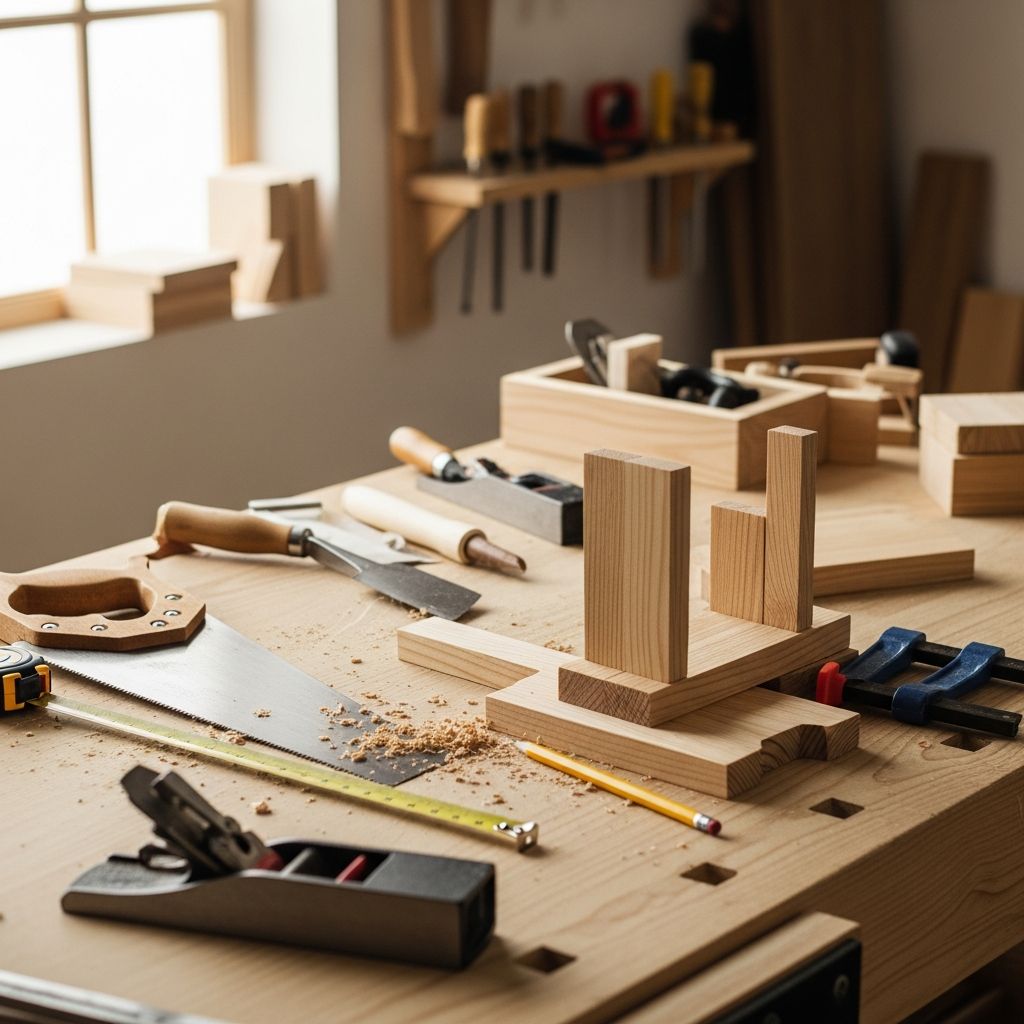
Woodworking is a rewarding hobby that allows you to create functional and attractive pieces for your home. Many aspiring woodworkers believe they need an elaborate workshop filled with expensive machinery and years of experience to get started. However, nothing could be further from the truth. With just a few essential hand tools, some basic materials, and a willingness to learn, you can begin crafting impressive woodworking projects that will impress family and friends.
The key to successful beginner woodworking is choosing the right projects to start with. These projects should be achievable with minimal equipment, teach fundamental woodworking techniques, and produce results that are both beautiful and functional. This guide explores several surprisingly simple woodworking projects that are perfect for those just starting their woodworking journey.
Why Start Woodworking as a Beginner?
Woodworking offers numerous benefits for beginners. It provides a creative outlet, allows you to craft personalized gifts and home décor, and develops practical skills that can last a lifetime. Unlike many hobbies that require expensive startup investments, woodworking can begin with basic tools you may already own or can acquire inexpensively. The satisfaction of completing your first project and displaying it in your home is truly unmatched.
Essential Tools for Beginner Woodworkers
Before diving into specific projects, it’s important to understand what tools you’ll need. The good news is that beginners don’t need a complete workshop to get started. Here are the essential tools that will serve you well for most beginner projects:
- Miter saw for making accurate crosscuts and angled cuts
- Drill-driver for boring holes and driving fasteners
- Clamps for holding pieces securely during assembly
- Hammer for driving nails and tapping chisels
- Chisels for detail work and removing waste material
- Tape measure for accurate measurements
- Square for ensuring perpendicular cuts and joins
- Saw for making straight cuts in wood
- Sandpaper and sanding block for smoothing surfaces
- Wood glue for joining pieces together
You don’t need to purchase all these tools at once. Start with the basics and add more specialized tools as your skills develop and your projects become more complex.
The Classic Wine Rack Project
One of the most popular beginner woodworking projects is the wine rack. This elegant project demonstrates several fundamental woodworking techniques while producing a useful item that adds visual interest to any room or makes an excellent gift.
Why the Wine Rack is Perfect for Beginners
The wine rack project is ideal for those just starting their woodworking journey because it introduces you to several essential techniques without overwhelming complexity. You’ll learn how to make precise angled cuts, drill large diameter holes, and assemble pieces using screws and glue. The finished product is immediately useful and displays your craftsmanship beautifully.
Materials You’ll Need
The wine rack requires minimal materials, making it an economical choice for your first project. You’ll need a two-by-four piece of wood cut to appropriate lengths, wood screws (approximately two and a half inches), wood glue, keyhole hangers, corner braces, and your choice of finish such as stain or paint. The total cost of materials is typically quite reasonable, usually under thirty dollars.
Step-by-Step Construction Process
Begin by cutting a 45-degree miter at the end of your two-by-four. Measure thirteen inches from the long end and clamp a stop board to your miter saw’s fence to ensure consistent cuts for the remaining pieces. This precision ensures all your pieces are identical in length. For the wine rack shown in most beginner guides, three pieces are typically used, though you can adjust this based on your preferences.
Next, mark and drill the bottleneck holes using a one and a quarter inch Forstner bit. Place a sacrificial board underneath your wood to prevent blowout, which occurs when the drill bit exits the bottom of the wood and tears the fibers. Tape the end miters together temporarily, then apply wood glue to the joints. Drill pilot holes before driving two and a half inch screws to secure the pieces together. This prevents splitting and ensures stronger joints.
For the mounting hardware, trace the keyhole hanger positions on the joints, ensuring they will be vertical once mounted. Drill one-eighth inch deep holes using a five-eighths inch Forstner bit to create the arced ends of the recesses. Carefully chisel out the waste material between the holes. Apply your chosen finish and allow it to dry completely.
After the finish is dry, drill a three-eighths inch deep hole with the same bit between the other holes for screw clearance. Install the keyhole hangers into the recesses. For an authentic finish, you can dunk the corner braces and screws in gun blue to give them a professional blackened appearance. Screw the braces onto the edges of both joints, and your wine rack is ready to hang on your wall.
Building Confidence Through Simple Projects
The wine rack is just one example of the many beginner-friendly woodworking projects available. Other popular options include cutting boards, simple shelves, small boxes, and basic furniture pieces. Each project teaches different techniques and builds your confidence progressively.
Progressing Your Skills
As you complete your first projects successfully, you’ll develop a solid foundation in woodworking fundamentals. You’ll understand how to take accurate measurements, make precise cuts, choose appropriate fasteners, and apply finishes that protect and beautify your work. This knowledge allows you to tackle increasingly complex projects and eventually design your own custom pieces.
Common Mistakes to Avoid
Even with the best intentions, beginners often make avoidable mistakes. Understanding these pitfalls helps you succeed more quickly and produce better results:
- Neglecting to use sacrificial boards when drilling, resulting in blowout and splintering
- Skipping pilot holes before driving screws, which can cause wood splitting
- Using inconsistent measurements, resulting in misaligned or poorly fitting joints
- Applying finish before sanding properly, creating a rough and unprofessional appearance
- Rushing assembly before glue dries sufficiently, leading to weak joints
- Not using clamps adequately, resulting in misaligned pieces during assembly
Workspace Requirements for Beginners
Many aspiring woodworkers are intimidated by the belief that they need a dedicated workshop. In reality, beginners can accomplish a great deal in small spaces. A portion of a garage, basement corner, or even outdoor space can serve as an effective beginner’s workshop. The key is organizing your tools efficiently, maintaining a clean and safe work surface, and ensuring adequate lighting and ventilation.
Setting Up Your First Workspace
Start with a simple workbench or sturdy table that can handle clamping and cutting. Organize your tools so they’re easily accessible but safely stored. Use wall-mounted pegboards or tool racks to maximize space. Ensure you have adequate lighting, as precise woodworking requires seeing fine details clearly. Good ventilation is essential, particularly when applying finishes or sanding.
Safety Considerations for Woodworkers
Safety should always be your primary concern when woodworking. Always wear appropriate personal protective equipment including safety glasses to protect your eyes from flying debris. Use hearing protection when operating power tools, as prolonged exposure to loud noise can cause hearing damage. Wear a dust mask or respirator when sanding or applying finishes, as wood dust and finish fumes can harm your respiratory system.
Keep your workspace clean and organized to prevent trips and falls. Secure your workpiece firmly with clamps before cutting or drilling. Never reach over a running saw blade, and always allow saw blades to come to a complete stop before removing your hands from the work area. Keep your hands away from drill bits and saw blades, and never wear loose clothing or jewelry that could catch on rotating tools.
Choosing Your First Project Wisely
Selecting the right first project significantly impacts your woodworking experience. Choose projects that align with your interests and abilities. If you love wine, the wine rack is perfect. If you enjoy cooking, a cutting board teaches similar skills. If you need storage, a simple box or shelf might be ideal. Select projects with straightforward designs, minimal joinery requirements, and attractive results.
Learning Resources and Communities
Many excellent resources exist to help beginners learn woodworking. Video tutorials demonstrate techniques clearly and allow you to pause and review steps as needed. Woodworking books provide detailed instructions and inspiration. Local woodworking clubs and community centers often offer classes where you can learn from experienced woodworkers and access better equipment than you might own individually. Online forums and communities allow you to ask questions and share your projects with fellow enthusiasts.
Finishing Techniques for Professional Results
The finish is what transforms a good project into a truly professional-looking piece. Sand your project thoroughly with progressively finer grits of sandpaper, starting with 80 grit and finishing with 220 grit. This creates a smooth surface that accepts finish beautifully. Choose finishes appropriate for your project’s function and location. Oil finishes enhance wood grain and are ideal for items that will be handled frequently. Stains add color while allowing wood grain to show through. Polyurethane provides durable protection for items that will see heavy use.
Frequently Asked Questions
Q: Do I really need a fully equipped workshop to start woodworking?
A: No. You can begin woodworking with just a few essential hand tools and access to a basic work surface. Many successful beginners start in small garage corners or basement areas without expensive equipment.
Q: How long does it take to complete a beginner woodworking project?
A: Most beginner projects, like a wine rack, can be completed in a single day or over a weekend, depending on drying time for glue and finishes. This makes woodworking accessible even for busy people.
Q: What type of wood should beginners use?
A: Start with softwoods like pine or poplar, which are affordable, forgiving, and easier to work with than hardwoods. As your skills develop, you can experiment with more challenging wood species.
Q: How can I prevent my wood from splitting when driving screws?
A: Always drill pilot holes before driving screws. Pilot holes are slightly smaller than the screw diameter and guide the screw without forcing wood fibers apart, preventing splitting.
Q: What’s the best way to learn woodworking techniques?
A: Combine video tutorials for visual learning, instructional books for detailed information, and hands-on practice. Don’t hesitate to join local woodworking communities where experienced woodworkers can provide personalized guidance.
Q: How important is proper finishing for a woodworking project?
A: Finishing is crucial. A properly finished project looks professional and protects the wood from moisture and wear. Good finishing techniques can make even a simple project look exceptional.
References
- Surprisingly Simple Woodworking Projects for Beginners — Family Handyman. 2019. https://www.familyhandyman.com/woodworking/surprisingly-simple-woodworking-projects-for-beginners/
- Occupational Safety and Health Administration (OSHA) – Woodworking Safety Guidelines — U.S. Department of Labor. 2024. https://www.osha.gov/dsg/naics-685920
- Understanding Wood Selection for Woodworking Projects — Woodworking Research Institute. 2023. https://www.wri.org/research
- Best Practices in Wood Finishing Techniques — Finishing Academy International. 2024. https://www.finishingacademy.org
Similar Articles








Read full bio of Sneha Tete