Swedish Death Cleaning: Declutter Your Home With Purpose
Learn the Swedish art of decluttering to simplify your life and ease burdens on loved ones.
Understanding Swedish Death Cleaning: What Is Döstädning?
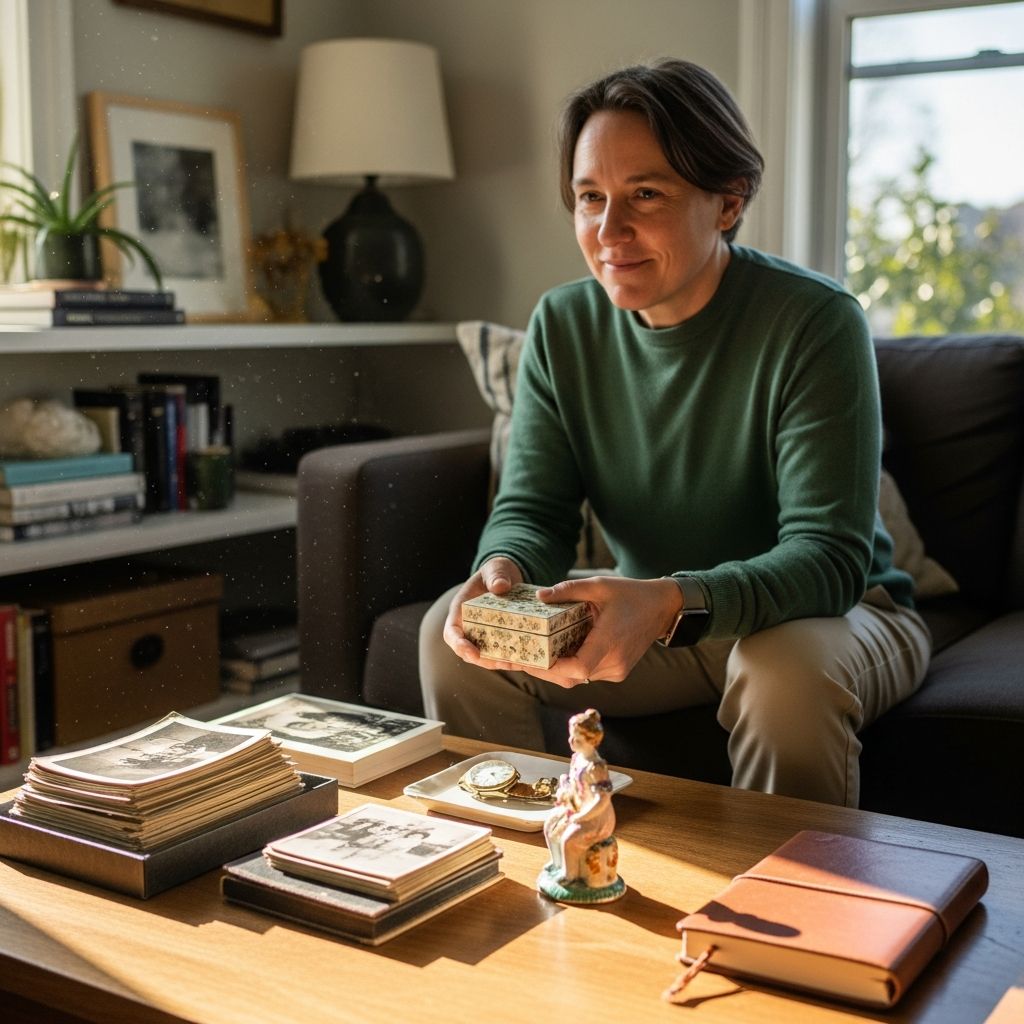
Swedish death cleaning, or “döstädning” in Swedish, represents a thoughtful and methodical approach to decluttering that has roots deeply embedded in Scandinavian culture. The term itself combines two Swedish words: “dö,” meaning death, and “städning,” meaning cleaning. This practice encourages individuals—particularly older adults, though people of any age can benefit—to systematically evaluate and eliminate unnecessary possessions from their homes. The primary philosophy behind this approach is not morbid but rather compassionate: by decluttering during your lifetime, you spare your loved ones from the overwhelming burden of sorting through your belongings after you pass away.
Swedish death cleaning gained international prominence through Margareta Magnusson’s influential book, “The Gentle Art of Swedish Death Cleaning: How to Free Yourself and Your Family From a Lifetime of Clutter.” Magnusson, a Swedish author, articulated a concept that had long been part of Swedish and Scandinavian cultural values but had never been formally named or systematized for a global audience. The practice emerged organically from Swedish culture, which deeply values simplicity, efficiency, sustainability, and consideration for family members. It reflects the Swedish principle of “lagom,” which translates roughly to “not too much, not too little”—a balanced, mindful approach to life and possessions.
The Philosophy Behind Swedish Death Cleaning
At its core, Swedish death cleaning is grounded in several philosophical principles that extend beyond mere organization. It represents a fundamental shift in how we relate to material possessions and our mortality.
Acknowledging Mortality and Accepting Change
The first principle involves accepting the inevitability of death. By consciously acknowledging that no one lives forever, individuals can free themselves from the psychological burden of accumulating possessions throughout their lives. This acceptance provides both motivation and purpose for organizing and decluttering living spaces. Rather than viewing this as depressing, many practitioners find it liberating—understanding mortality can help prioritize what truly matters.
Taking Responsibility for Others
Swedish death cleaning emphasizes personal responsibility toward those we leave behind. When you declutter your home and remove unnecessary belongings, you significantly reduce the emotional and physical burden placed on your family members during an already challenging time. Sorting through a deceased person’s possessions is emotionally taxing; by doing this work proactively, you demonstrate love and consideration for your loved ones.
Fostering Mindful Connections With Objects
This practice encourages people to reconsider their relationship with material goods. Instead of blindly holding onto objects for sentimental reasons or out of habit, Swedish death cleaning asks you to evaluate whether each item still serves a purpose or brings genuine joy to your life. This mindful assessment helps differentiate between possessions that enhance your daily experience and those that merely occupy space.
Prioritizing Quality Over Quantity
A central tenet of Swedish death cleaning is the belief that owning fewer, well-made, durable items brings greater satisfaction than accumulating numerous low-quality possessions. This principle influences not only your current decluttering efforts but also shapes how you acquire new items in the future, ensuring that everything you bring into your home “earns its place.”
The Practical Benefits of Swedish Death Cleaning
Beyond the philosophical aspects, Swedish death cleaning offers tangible, immediate benefits for your daily life:
- Reduced living space burden: Fewer possessions mean less physical clutter and a more peaceful home environment
- Improved mental clarity: A simplified space often leads to reduced anxiety and improved focus
- Enhanced financial awareness: The process helps you understand consumption patterns and make intentional purchasing decisions
- Meaningful legacy creation: You control the narrative of what remains and what memories are preserved
- Easier relocation: Decluttering simplifies moving, whether to a smaller space, retirement community, or new home
- Reduced family conflict: Clear decisions about your possessions prevent disputes among heirs
How to Begin Your Swedish Death Cleaning Journey
Starting the Swedish death cleaning process might feel overwhelming, but the method emphasizes slow, systematic progress rather than rushed completion.
Choose Your Starting Point Wisely
Rather than beginning with emotionally significant items like photographs or heirlooms, Magnusson recommends starting with practical spaces where you’re likely to find items you haven’t used in extended periods. Ideal starting locations include:
- Attics or basements containing forgotten items
- Front entry closets or cupboards
- Garages housing broken or unused tools
- Storage areas with holiday decorations or children’s toys (if grown children no longer need them)
Go Room by Room
Approach your home systematically, addressing one room or defined area at a time. This methodical strategy prevents overwhelming yourself and allows you to maintain focus and momentum. As you progress, you’ll develop confidence in your decision-making process, making the work easier and more intuitive.
Ask Meaningful Questions
As you evaluate each possession, consider these fundamental questions:
- Does this item add genuine value to my life?
- Do I use this regularly, or has it sat unused for years?
- Does this bring me joy or serve a practical purpose?
- Would this item burden or confuse my loved ones after I’m gone?
- How do I want to be remembered by my family?
- Will this make me or someone else happy?
Practical Strategies for Effective Decluttering
Organize by Size
Begin with large items such as furniture, rugs, or bulky decor hidden in storage spaces. Large furniture pieces make dramatic differences in perceived clutter and are often the easiest to make decisions about. Once you’ve addressed major items, move to smaller possessions that fit into boxes—excess shoes, magazines, clothing, or accessories.
Use Visual Systems
Some practitioners find colored sticky dots helpful, particularly when enlisting help from family or hired movers. Use red dots to mark items for disposal and green dots for items to keep. This visual system makes the process clearer for helpers and accelerates decision-making during group decluttering sessions.
Create Clear Categories
Establish distinct categories for your sorted items:
- Keep: Items that bring genuine joy, serve a purpose, or hold meaningful memories
- Donate: Functional items in good condition that others could benefit from
- Sell: Valuable items worth monetary compensation
- Gift: Items to give to family or friends who would appreciate them
- Discard: Broken, expired, or genuinely unusable items
Managing Sentimental and Sensitive Items
One of the most important aspects of Swedish death cleaning involves addressing sensitive or embarrassing items. Magnusson emphasizes that if you possess anything that might hurt or embarrass someone you care about, you should discard it now rather than leaving your loved ones to discover it after your death. This might include outdated photographs, personal letters, or other intimate materials.
For sentimental items you wish to keep, Magnusson suggests creating a box labeled “to throw away” containing things meaningful to you that you’d like to review periodically, but that shouldn’t outlive you. These are items with personal significance but no legacy value for your heirs. Decide consciously which memories deserve to be preserved and passed down, and which are best laid to rest alongside you.
The Art of Giving: Transforming Decluttering Into Generosity
Rather than viewing decluttering solely as disposal, Swedish death cleaning reframes the process as an opportunity for generosity. Instead of simply discarding items, consider gifting them to friends and family who would genuinely appreciate them. Bring gently used books to dinner parties instead of flowers, offer clothing to friends who share your style, or pass down kitchen tools to younger family members interested in cooking.
This approach accomplishes multiple goals simultaneously: it reduces your burden, brings joy to recipients who receive items they truly want, strengthens relationships through thoughtful giving, and creates immediate connections between your possessions and people who will treasure them.
Communicating With Family and Friends
A crucial step in the Swedish death cleaning process involves informing your family and friends about what you’re doing. This communication serves multiple purposes:
- Clarifies responsibility: Everyone understands that decluttering is your choice and responsibility, not something they’ll need to handle later
- Invites participation: Family members can express interest in specific items before you donate or discard them
- Prevents misunderstandings: Your loved ones won’t wonder why certain items have disappeared
- Provides opportunity for gifting: You can offer meaningful items directly to those who would treasure them
- Models positive behavior: Your example may inspire others to undertake their own decluttering projects
Taking a Slow, Sustainable Approach
An essential principle emphasized throughout Magnusson’s work is that Swedish death cleaning should be a slow, ongoing lifestyle change rather than a frantic sprint to completion. This isn’t a project with a definitive finish date; it’s a gradual shift in how you relate to possessions and consumption. By progressing slowly, you allow yourself time to process emotions attached to items, make thoughtful decisions, and genuinely enjoy the benefits of simplified living as you experience them.
Creating Your Legacy Through Intentional Choices
Swedish death cleaning fundamentally involves creating the legacy you wish to leave. By consciously deciding which items deserve to survive you and which memories deserve preservation, you shape how you’ll be remembered. Do you want to be remembered for accumulated possessions, or for the values you embodied: generosity, thoughtfulness, clarity, and love for your family? The items you choose to keep should tell the story you want your life to represent.
Frequently Asked Questions About Swedish Death Cleaning
Q: Is Swedish death cleaning only for older people?
A: While Swedish death cleaning originated as a practice particularly suited to older individuals, people of all ages can benefit from its principles and systematically apply them to their living spaces and possessions.
Q: How long does the Swedish death cleaning process typically take?
A: There’s no set timeline. Magnusson emphasizes that this should be a slow, ongoing lifestyle change rather than a rushed project. Most people find it takes months or years depending on the size of their home and the emotional weight of their possessions.
Q: What should I do with items I want to discard but are still usable?
A: Consider donating to charities, offering to friends or family members, selling online or at consignment shops, or giving to community organizations. Swedish death cleaning encourages generosity whenever possible.
Q: Should I involve my family in the process?
A: Yes, informing family members is important so they understand your intentions and can express interest in specific items. However, the decision-making process should ultimately be yours, as it’s your responsibility and expression of love for them.
Q: How is Swedish death cleaning different from minimalism?
A: While related, Swedish death cleaning isn’t necessarily about extreme minimalism. It’s a practical, loving approach focused on eliminating unnecessary items and considering the burden on loved ones, rather than pursuing a specific aesthetic or lifestyle philosophy.
References
- The Productive Woman: Swedish Death Cleaning — The Productive Woman. https://theproductivewoman.com/swedish-death-cleaning-tpw485/
- 7 Steps to Declutter with Swedish Death Cleaning — Dumpsters.com. https://www.dumpsters.com/blog/how-to-do-swedish-death-cleaning
- Swedish Death Cleaning Method Explained by a Minimalist — YouTube. https://www.youtube.com/watch?v=LIW3ttZzfkI
- Swedish Death Cleaning Checklist: Method & Steps — Good Housekeeping. https://www.goodhousekeeping.com/home/organizing/a43826147/swedish-death-cleaning/
- Swedish Death Cleaning: A Guide to the Latest Decluttering Trend — A Tidy Mind. https://www.atidymind.co.uk/swedish-death-cleaning-guide-latest-decluttering-trend/
Similar Articles








Read full bio of Sneha Tete