Taming Everyday Chaos: How to Prevent Hidden Clutter Disasters at Home
Practical strategies to stop small messes from becoming household emergencies.
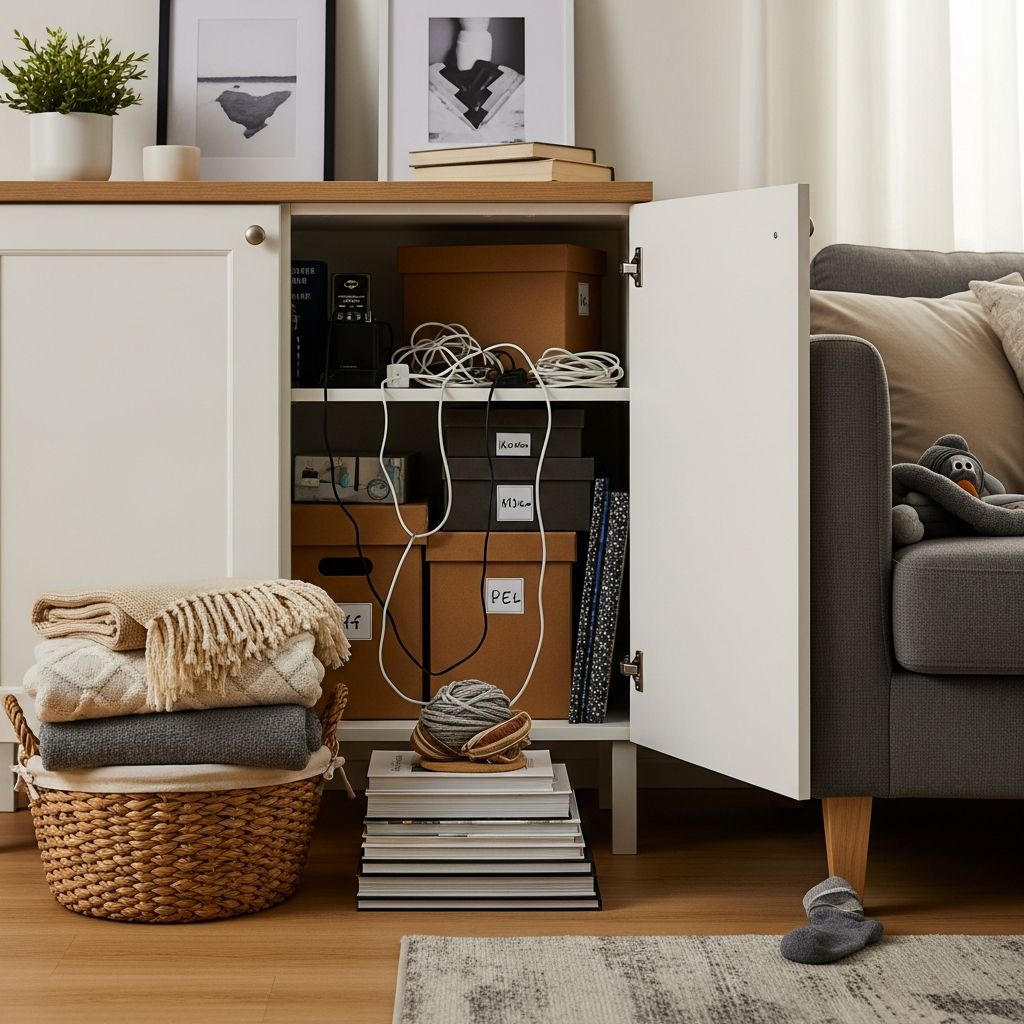
Most homes are not messy because people do not care; they are messy because tiny problems are ignored until they explode into full-blown disasters. This guide focuses on those sneaky issues and shows how to replace chaos with simple, realistic systems.
The Real Reason Your Home Feels Out of Control
Clutter rarely appears overnight. It builds slowly whenever items do not have clear homes, decisions are postponed, or storage systems do not match how people actually live. Once surfaces are covered and closets overflow, even motivated people feel stuck.
Instead of blaming yourself for being “disorganized,” treat clutter as a signal that your current systems are not working. When routines, storage, and layout support your daily habits, it becomes easier to stay organized than to stay messy.
Five Silent Habits That Turn Order Into Chaos
Certain everyday habits quietly erode organization. By changing these patterns, you can prevent future messes without relying on constant willpower.
1. Delayed Decisions on Every Surface
Stacks of mail, packages, school papers, and random items on counters are usually just delayed decisions. When nothing is sorted immediately, flat surfaces become storage, and you lose track of what matters.
To fix this, create a simple decision habit for incoming items:
- Handle once when possible: Open mail near a trash/recycling bin and discard junk immediately.
- Set up labeled spots: Use shallow trays or folders labeled “To Pay,” “To File,” and “To Act.”
- Schedule a weekly review: Pick a time each week to clear each tray so nothing lingers for months.
2. Stashing Instead of Organizing
Stuffing items into closets, drawers, or bins right before guests arrive may make a room look tidy for a moment, but it destroys any sense of order behind closed doors. Over time, hidden clutter becomes unmanageable and stressful.
Shift from emergency stashing to intentional organization:
- Set a limit: Decide that anything stored must be findable in under one minute.
- Use broad categories: Group items by purpose (“tools,” “party supplies,” “seasonal decor”) rather than tiny subcategories.
- Leave breathing room: Aim to keep about 20–30% of each shelf or drawer empty so you can put things away quickly.
3. Keeping Everything “Just in Case”
Fear of needing an item someday leads to overflowing cabinets, crowded garages, and closets packed with rarely used things. The real cost is not the space the item takes, but the time and mental energy spent managing it.
Use simple questions to let go more easily:
- Time test: Ask when you last used it. If it has been more than a year, it is a strong candidate to donate or recycle.
- Replacement test: Consider whether you could borrow, rent, or cheaply replace it if needed in the future.
- Space test: If keeping one item forces many others into awkward spots, it may not be worth the tradeoff.
4. Overcomplicating Storage Systems
Color-coded labels, dozens of tiny containers, and highly specific categories look impressive online but often fail in daily life. If a system is tedious to maintain, no one will stick with it.
Instead, design storage that your busiest, most tired self can use:
- Favor large, open containers: Baskets and bins with simple labels like “Cords” or “Cleaning Supplies.”
- Match the user: Kids benefit from picture labels and low bins they can reach.
- Reduce steps: If putting something away takes more than two steps, people will avoid doing it.
5. Never Updating Old Systems
Life changes—jobs, hobbies, kids, pets—but storage systems often stay the same. A closet organized for your life five years ago may not work at all for how you live today.
Plan to refresh key areas once or twice a year:
- Seasonal check-ins: Reassess entryways, kids’ spaces, and kitchen storage at least twice a year.
- Rotate zones: Give prime spaces to current priorities and move rarely used items up high or further back.
- Release old identities: Donate gear for activities you no longer enjoy to free space for new interests.
Designing Spaces That Work With Your Life
Organized homes are built around real behavior, not idealized routines. Focus on how you and your household already move through the day, then design storage and layout to support those patterns.
Small adjustments in key rooms can dramatically lower stress and prevent daily bottlenecks.
Entryway and Drop Zone
The area by the main door tends to collect shoes, bags, mail, and random items. Without a plan, this spot becomes a tripping hazard and a source of daily frustration.
- Create a landing strip: Use hooks for bags and coats, a tray or bowl for keys, and a shallow basket for mail.
- Limit shoes: Allow only a set number of pairs per person near the door; the rest live in closets or under-bed storage.
- Use vertical space: Wall hooks, slim shelves, or a narrow cabinet keep the floor clear.
Kitchen and Food Storage
Kitchens are high-traffic, high-activity spaces, and disorganization here quickly affects the entire household. Overcrowded counters and chaotic cabinets make cooking harder and increase food waste.
- Zone by activity: Create separate areas for prep, cooking, baking, and beverages so tools live where they are used.
- Decant selectively: Transfer only frequently used dry goods into clear, labeled containers.
- Assign a leftovers shelf: Keep all leftovers on one dedicated shelf and label containers with dates.
Living Room and Shared Spaces
Living rooms often become dumping grounds for toys, electronics, blankets, and random odds and ends. Without boundaries, the room feels messy even when you have tried to straighten it.
- Hidden storage furniture: Choose coffee tables or ottomans with storage, and use baskets for blankets or gaming gear.
- Limit collections: Decide how many throw pillows, decor items, or magazines you truly want to manage.
- Daily reset: Spend five to ten minutes each evening returning items to their assigned spots.
Bedrooms and Clothing
Overflowing wardrobes and cluttered nightstands can make restful sleep more difficult. When clothes do not have enough space, clean laundry piles up on chairs and floors.
- Edit clothes ruthlessly: Keep only what fits, flatters, and suits your current life.
- Use simple categories: Divide drawers into broad groups such as “work tops,” “casual pants,” or “sleepwear.”
- Prepare tomorrow: Lay out clothes and pack bags the night before to reduce morning chaos.
Quick Reference: Common Clutter Problems and Simple Fixes
The table below summarizes frequent household trouble spots and one straightforward solution for each. Use it as a checklist during your next organizing session.
| Problem Area | Typical Issue | Simple Fix |
|---|---|---|
| Entryway | Piles of shoes and mail near the door | Add hooks, a mail basket, and limit shoes to a set number per person |
| Kitchen Counters | Appliances and paperwork covering work surfaces | Store rarely used tools in cabinets and create a dedicated paper station elsewhere |
| Living Room | Toys, remotes, and blankets everywhere | Use lidded baskets and storage furniture, plus a nightly five-minute tidy |
| Closets | Clothes jammed together and hard to find | Declutter by category and use broad labels such as “work,” “casual,” and “special occasion” |
| Home Office | Stacks of paper and lost documents | Create an in-progress tray, a reference file area, and scan or shred when possible |
Building Simple, Sustainable Routines
Even the best storage systems fall apart without small, repeatable habits. Instead of marathon organizing days, aim for brief, consistent routines that keep clutter from returning.
Short daily and weekly tasks help maintain order with minimal strain.
Daily Micro-Habits
Focus on small actions that take less than ten minutes and prevent buildup.
- Two-minute rule: If a task takes under two minutes, do it immediately instead of saving it for later.
- Evening sweep: Spend a few minutes returning items to their assigned rooms before bed.
- Dish reset: Aim to start the day with an empty or running dishwasher rather than a full sink.
Weekly Reset Rituals
Use one consistent time each week to reset your home. This keeps small messes from turning into all-weekend projects.
- Paper review: Process mail, school forms, and bills in one sitting.
- Re-home strays: Collect items that have migrated to the wrong room and put them back.
- Spot-check hot zones: Look at your entryway, kitchen counters, and one closet to catch new clutter early.
Mindset Shifts for a Calm, Organized Home
Organizing is not about perfection or rigid rules; it is about creating an environment that supports the life you want. When you view clutter as a problem to solve rather than a personal failing, change becomes much more manageable.
Adopting the right mindset will help you maintain your systems long after the initial burst of motivation fades.
- Progress over perfection: An 80% tidy room that works for your family is more valuable than a perfectly staged space that no one can relax in.
- Small experiments: Treat new systems as trials. If a bin or label does not work, adjust it instead of giving up.
- Shared responsibility: Everyone who lives in the home helps care for it. Assign age-appropriate tasks and keep instructions simple.
Frequently Asked Questions
How do I start if my house feels overwhelming?
Begin with one small, visible area that you see every day, such as the kitchen counter or the space by the front door. Set a short timer, focus on that single zone, and stop when the timer ends. Immediate visual progress builds momentum and makes it easier to tackle the next space.
How can I get my family to help keep things organized?
Involve everyone when setting up systems so they feel some ownership. Use clear labels, low baskets, and simple rules like “one toy bin per room” or “shoes stay in this tray.” Praise effort rather than perfection, and keep tasks small enough that they can be done in a few minutes.
What should I do with items I am unsure about?
Create a temporary holding box labeled with a date three to six months in the future. Place uncertain items inside and store the box out of the way. If you have not opened it by the labeled date, it is a sign that you can safely donate or discard most, if not all, of its contents.
How often should I declutter?
A light declutter every season is usually enough for most households. Use these times to review clothing, kids’ items, and high-use areas. In addition, keep a donation box accessible year-round so you can immediately drop in things you no longer need.
Is it worth investing in expensive organizing products?
Attractive containers can be helpful, but they are not required. Start by decluttering and reusing boxes, baskets, and jars you already own. Once you understand exactly what needs to be stored and where, you can selectively upgrade containers in the areas that will benefit you the most.
Clutter disasters do not come from a single bad day; they come from systems that no longer match how you live. By changing a few key habits, adjusting your storage to fit real life, and committing to small, steady routines, you can transform overwhelming spaces into calm, functional rooms that support you every day.
Similar Articles








Read full bio of Sneha Tete