Teaching Kids Environmental Stewardship Through Home Gardening
Empower the next generation with hands-on lessons about nature, sustainability, and food production through gardening.
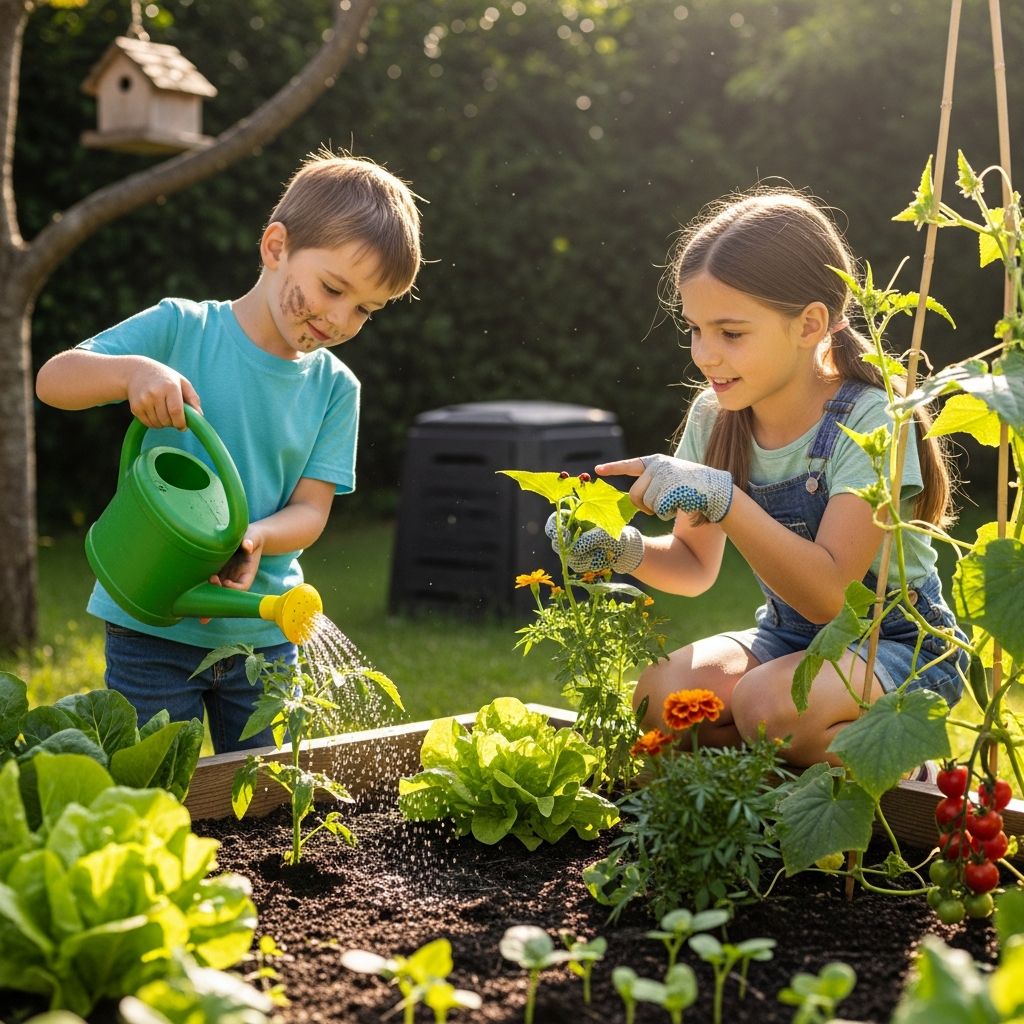
Gardening offers far more than just fresh vegetables and beautiful flowers. When children participate in growing plants, they engage in a comprehensive learning experience that connects them to nature, teaches scientific principles, and instills values of environmental responsibility. The garden becomes a living classroom where children discover the interconnectedness of all living systems and develop practical skills that will serve them throughout their lives.
Understanding Sustainability: Building the Foundation
Before jumping into planting seeds, children benefit from understanding what sustainability actually means. Sustainability refers to meeting our current needs without compromising the ability of future generations to meet theirs. In the context of gardening, this means growing food and plants in ways that preserve soil health, conserve water, protect biodiversity, and minimize waste.
Parents and educators can introduce these concepts through age-appropriate conversations. For younger children, use simple language: “When we take care of our soil and water, plants grow better and the Earth stays healthy.” For older children, explore more nuanced discussions about resource depletion, climate change, and how food production impacts the environment. These conversations transform a simple gardening project into a meaningful environmental education experience.
The Multifaceted Benefits of Gardening for Child Development
Research demonstrates that gardening provides comprehensive developmental benefits extending well beyond horticultural knowledge. Children who participate in gardening activities experience measurable improvements across multiple domains of development.
Mental and Emotional Wellness: Engaging with plants and soil has been shown to reduce stress levels, lower anxiety symptoms, and combat depression in young people. The act of nurturing living things creates a sense of purpose and accomplishment. When a child waters a seedling they planted and watches it grow into a productive plant, their self-esteem receives a significant boost.
Scientific Understanding: Gardening transforms abstract scientific concepts into tangible experiences. Children observe photosynthesis, nutrient cycles, pollination, and ecological relationships firsthand. They learn about soil composition, pH levels, and the conditions plants need to thrive. This experiential learning embeds scientific knowledge more deeply than textbook study alone.
Responsibility and Accountability: Maintaining a garden requires consistent effort. Children learn that plants depend on them for water, weeding, and pest management. This dependency creates genuine responsibility. When given ownership over specific plants or garden sections, children become invested in their success and develop accountability skills transferable to other life areas.
Healthy Eating Habits: Children who grow their own vegetables are significantly more likely to eat them. The pride of harvesting food they cultivated themselves makes vegetables appealing. This direct connection between growing and eating encourages lifelong healthy dietary choices.
Establishing Foundational Knowledge Through Experiential Learning
Understanding the “why” behind sustainable gardening practices makes children more engaged and helps them internalize environmental values. Rather than simply telling children what to do, involve them in exploring three core principles:
Soil Health and Nutrient Cycling
Healthy soil forms the foundation of all successful gardening. Teach children that soil isn’t merely dirt—it’s a living ecosystem teeming with beneficial organisms. Introduce the concept of composting as the cornerstone of soil management. Composting transforms kitchen scraps and garden waste into nutrient-rich material that feeds plants while reducing landfill waste.
Children can participate in every step of the composting process. They learn which materials decompose (fruit peels, vegetable scraps, coffee grounds, eggshells) and which don’t (meat, dairy, oils). Watching organic matter transform into dark, crumbly compost demonstrates decomposition and nutrient cycling in real-time. When they use finished compost to feed their garden plants, they understand the closed-loop system where waste becomes a valuable resource.
Water Conservation Strategies
Water scarcity impacts communities worldwide, making water conservation an increasingly important skill. Children can learn practical water-saving techniques while gardening. Soaker hoses deliver water directly to plant roots, reducing evaporation compared to overhead sprinklers. Watering cans allow for precise water application. Mulch application dramatically reduces soil moisture loss.
For an engaging hands-on project, children can construct a rainwater collection system. Capturing rainfall in barrels provides free irrigation water and teaches about water harvesting. Children observe how much water can be collected during rainstorms and understand the value of capturing this natural resource rather than allowing it to run off into storm drains.
Biodiversity and Ecosystem Relationships
A diverse garden supports numerous beneficial organisms. Children learn that planting a variety of flowers, vegetables, and herbs attracts pollinators like bees and butterflies while supporting predatory insects that control pests. This approach to gardening demonstrates that ecosystems maintain balance through diversity and interconnectedness, reducing the need for chemical pesticides.
Hands-On Activities That Build Environmental Consciousness
Children learn best through doing. The following activities combine fun with meaningful environmental education:
Repurposing Household Items as Planters
Rather than purchasing new containers, creative reuse teaches resourcefulness and reduces waste. Old kitchen strainers lined with coffee filters become charming planters with built-in drainage. Empty toolboxes transformed with drainage holes and fresh paint become personalized planting vessels. Woven baskets, tin cans, wooden crates, and ceramic bowls all work beautifully. This activity teaches children that we can give new life to items destined for the landfill while adding creative expression to gardening.
Seed Saving and Propagation
Many flowering plants and vegetables produce abundant seeds. Children can collect, dry, and store seeds for the following season. This teaches plant life cycles and provides seeds for free rather than purchasing them annually. Starting seeds indoors in clear containers allows children to observe germination and early growth processes. Documenting growth with photographs or drawings creates a learning record and builds observation skills.
Native Plant Selection
Local plants naturally thrive in your region’s climate, requiring fewer resources than non-native species. Research local native plants together and understand why they’re well-suited to your area. Visit local nurseries that specialize in native plants. Children learn that thoughtful plant selection supports local ecosystems while reducing gardening effort and expense.
Sustainable Pest Management
Instead of reaching for chemical pesticides, teach integrated pest management. Hand-picking larger pests like caterpillars and beetles, tolerating minor damage, encouraging beneficial predators, and using organic solutions like neem oil demonstrate that effective pest control doesn’t require harmful chemicals. Children understand the connections between plant health, pest populations, and beneficial organisms.
Cultivating Responsibility Through Garden Ownership
| Responsibility-Building Strategy | How It Works | Expected Outcomes |
|---|---|---|
| Assigning Specific Plant Care | Give each child responsibility for watering particular plants or garden sections | Children develop accountability and connect care to results |
| Personalized Tools | Provide child-sized tools in favorite colors and weights appropriate for their age | Increased engagement and sense of ownership |
| Garden Design Participation | Allow children to plan layout, choose plant varieties, and arrange plantings | Investment in success and creative expression |
| Record Keeping | Maintain a garden journal documenting planting dates, growth observations, and harvests | Organization skills, observation development, and reflection |
Children are far more likely to care for a garden when they feel genuine ownership. Give children leadership roles rather than just assisting adults. Let them decide what to plant (within reasonable parameters), choose the garden location, design the layout, and manage day-to-day care. This autonomy creates investment in the garden’s success and builds confidence in their ability to influence outcomes.
Integrating Sustainability Education Into Everyday Gardening
Choosing Eco-Friendly Methods Over Chemical Alternatives
Demonstrate that effective gardening doesn’t require synthetic pesticides or fertilizers. Pull weeds by hand or use mulch to suppress them rather than applying herbicides. Apply slow-release organic fertilizers or use finished compost. Explain the environmental consequences of chemical runoff: how these substances contaminate water supplies and harm wildlife.
Seasonal Awareness and Planting Timing
Teach children that plants have natural seasons for growth. Growing vegetables during their peak season requires less energy input than forcing out-of-season production. Visit farmers markets during different seasons and notice what’s available locally. This connects children to seasonal rhythms and helps them understand that sustainable food production works with nature rather than against it.
Observing Plant Lifecycles
From seed germination through flowering, seed production, and dormancy, complete plant lifecycles offer endless learning opportunities. Create a visual timeline showing these stages. Photograph the same plant weekly and watch the transformation. This sustained observation builds pattern recognition, patience, and appreciation for natural processes.
Creating Meaningful Garden Experiences Beyond Planting
Artistic Expression in the Garden
Transform harvested vegetables into art projects. Carving vegetables into creative shapes combines fine motor skill development with creative thinking. Children become more excited about trying foods they helped create artistically. Building plant supports from natural materials or creating garden markers from painted stones incorporates artistic expression while reducing reliance on commercial products.
Reflective Garden Practices
Create a garden space for reflection and goal-setting. A wishing tree—adorned with tags containing children’s hopes and dreams—provides a tangible reminder that their actions today shape the future they’re creating. This combines mindfulness with environmental consciousness, helping children understand that their choices matter.
Community Gardening Involvement
When possible, involve children in community gardens or school gardening projects. Collaborating with other families multiplies learning opportunities, builds social connections, and demonstrates how communities can work together toward sustainability.
Age-Appropriate Gardening Activities
Children of different developmental stages benefit from different gardening activities. Children as young as three can participate in simple tasks like watering, picking ripe vegetables, and placing seeds in soil. Elementary-aged children can handle more complex responsibilities like transplanting, weeding, and composting. Teenagers can plan gardens, manage pest control, keep detailed records, and even start seeds for propagation.
Match activities to children’s physical abilities and cognitive development. Success builds confidence and enthusiasm, while overwhelming children with too-complex tasks diminishes their interest.
FAQ: Common Questions About Teaching Kids Sustainable Gardening
Q: Do we need a large space to garden with children?
A: No. Container gardens, vertical gardens, and even window boxes provide excellent learning opportunities. Even small spaces teach sustainability principles effectively.
Q: What if we have poor soil quality?
A: This becomes a valuable teaching opportunity. Build raised beds with imported soil, or use containers. Children learn that gardeners solve problems creatively.
Q: How do we keep children engaged during the off-season?
A: Winter is perfect for planning next year’s garden, starting seeds indoors, maintaining tools, and studying gardening books. Indoor seed starting under grow lights provides winter gardening activity.
Q: Should children use chemical products for pest or weed control?
A: Teaching organic, non-chemical methods aligns with sustainability principles and avoids exposing children to potentially harmful substances. Hand-removal and organic alternatives teach problem-solving skills.
The Lasting Impact of Early Gardening Experiences
When children develop gardening skills and understanding of sustainable practices during their formative years, these values and knowledge often persist throughout their lives. Adults who gardened as children are significantly more likely to maintain gardens, make environmentally conscious choices, and prioritize sustainability in their decision-making. By investing time teaching children through gardening, we’re not just growing plants—we’re cultivating the next generation of environmental stewards equipped with knowledge, skills, and genuine passion for protecting our planet.
References
- 7 Sustainable Garden Activities for Kids — Connections Academy. 2024. https://www.connectionsacademy.com/support/resources/article/7-projects-to-teach-your-child-about-sustainable-gardening/
- Growing Green: How to Teach Kids Sustainable Gardening Practices for a Brighter Future — Kids Growing City. 2024. https://www.kidsgrowingcity.ca/blog/growing-green-how-to-teach-kids-sustainable-gardening-practices-for-a-brighter-future
- How Plants for Kids Teach Them about the Environment — Tom’s of Maine. 2024. https://www.tomsofmaine.com/blogs/thinking-sustainably/how-plants-for-kids-teach-them-about-the-environment
- Gardening with Children and Teens — Children and Nature Network. https://www.childrenandnature.org/resources/gardening-with-children-and-teens/
- Sustainable Gardening with Kids Activity Guide — Kids Gardening. 2024. https://kidsgardening.org/wp-content/uploads/2024/03/Sustainable-Gardening-with-Kids-Activity-Guide.pdf
- Lessons from the Garden — Earth Day Network. https://www.earthday.org/lessons-from-the-garden/
- Think Garden: Sustainable Gardening — PBS Learning Media. https://www.pbslearningmedia.org/resource/da823ff0-c229-4a3d-926e-278a4f366347/think-garden-sustainable-gardening/
Similar Articles







Read full bio of medha deb