10 Things You Should Never Burn in Your Backyard Fire Pit
Protect your safety and environment: Essential guide to prohibited fire pit materials.
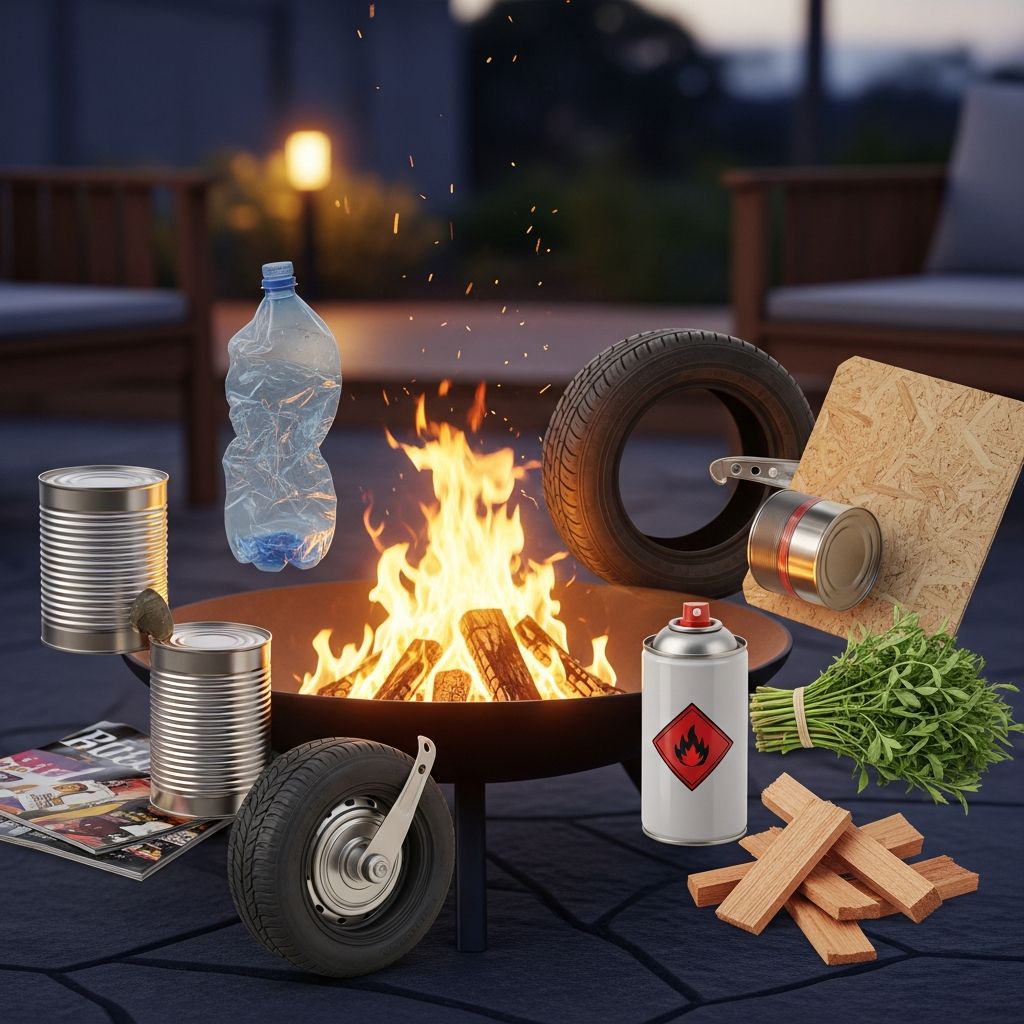
A cozy backyard fire pit is a wonderful way to gather with family and friends during cooler months. However, not everything is safe to burn. Many common household items release toxic fumes, create excessive smoke, or cause dangerous explosions when burned. Understanding what should never go into your fire pit is essential for protecting your health, your property, and the environment. This comprehensive guide outlines the most dangerous materials and explains why they pose risks.
1. Treated Wood and Pressure-Treated Lumber
One of the most common mistakes people make is burning treated or pressure-treated wood in their fire pits. Pressure-treated lumber, commonly used for decks, fences, and outdoor structures, is infused with chemical preservatives designed to protect the wood from rot and insect damage. When burned, these chemicals—particularly copper chromium arsenate (CCA) or other arsenical compounds—release highly toxic fumes into the air.
Inhaling these fumes can cause serious respiratory problems, including chest pain, coughing, and difficulty breathing. Additionally, the ash from burned treated wood contains arsenic and other heavy metals that can contaminate your soil and groundwater. Never burn any wood that shows signs of chemical treatment, including wood with a greenish or bluish tint, wood that appears artificially preserved, or any lumber from construction sites.
- Causes release of toxic chemicals including arsenic compounds
- Contaminates soil and water with heavy metals
- Creates respiratory hazards for nearby individuals
- Produces toxic ash that remains dangerous even after cooling
2. Plywood and Composite Wood Products
Plywood, oriented strand board (OSB), particleboard, and other engineered wood products are bound together with adhesives containing formaldehyde and other harmful chemicals. When these materials are burned, the adhesives release formaldehyde and other volatile organic compounds (VOCs) into the air. Formaldehyde exposure can cause eye, nose, and throat irritation, coughing, and even more serious respiratory conditions with prolonged exposure.
These composite materials also produce excessive smoke and dangerous sparks, increasing the risk of uncontrolled fire spreading. The smoke is thicker and more acrid than that from natural wood, making it unpleasant and hazardous for everyone around the fire pit. Stick to untreated, natural firewood for safe and clean burning.
3. Painted or Stained Wood
Wood that has been painted or stained should never be burned in a fire pit. Paints and stains often contain heavy metals like lead, particularly in older products. Lead paint and stains release lead oxide into the air when burned, which is extremely dangerous when inhaled. Lead exposure is linked to neurological damage, particularly in children, along with kidney damage and other serious health effects.
Modern water-based paints are somewhat safer than older oil-based paints, but they still contain chemicals that shouldn’t be burned. The fumes and particles released can irritate the respiratory system and contribute to air pollution. Additionally, painted wood often produces a noxious smell when burned, indicating the release of harmful compounds. Always remove paint and stain before considering wood for burning, though it’s generally safer to avoid painted wood altogether.
4. Plastic Materials and Synthetic Fibers
Burning plastic is one of the most dangerous practices when it comes to fire pits. All plastics release toxic fumes when heated, including dioxins, furans, and other hazardous air pollutants. These substances are carcinogenic and persist in the environment for years. Common plastic items that people mistakenly burn include plastic bags, plastic bottles, foam cups, plastic furniture, and synthetic textiles.
The fumes created by burning plastic are immediately harmful, causing respiratory distress, headaches, and eye irritation. Beyond immediate health effects, burning plastic contributes to serious environmental pollution and may violate local air quality regulations. Never burn any type of plastic, no matter how small the amount might seem.
- Releases carcinogenic dioxins and furans
- Creates thick, toxic black smoke
- Causes immediate respiratory health effects
- Contributes to persistent environmental pollution
5. Trash and Mixed Waste
Using your fire pit as a trash disposal is a dangerous and environmentally harmful practice. Mixed waste inevitably contains items that are unsafe to burn—plastic bags, food packaging, aluminum foil, batteries, and other hazardous materials. Even if you think you’re only burning paper and cardboard, contamination is likely.
Burning trash creates unpredictable chemical reactions as different materials mix in the fire. This can result in sudden flare-ups, excessive smoke, and the release of unknown toxic compounds. Additionally, burning trash is typically illegal in most municipalities and can result in fines or legal action. Always dispose of waste through proper trash collection and recycling services.
6. Glossy or Coated Paper
While plain cardboard and paper are generally safe to burn in moderation, glossy paper, magazines, junk mail with coatings, and paper with printed ink should be avoided. The coatings on glossy paper often contain harmful chemicals, and the inks used in printing can release toxic compounds when burned. Additionally, glossy paper tends to produce excessive sparks and uncontrolled flare-ups.
The chemicals used in paper processing and printing include volatile organic compounds that become airborne when exposed to high heat. These can cause respiratory irritation and contribute to air pollution. Stick to plain, uncoated paper or cardboard without printed areas for safer burning.
7. Rubber and Tires
Never burn rubber materials, including old tires, rubber hoses, rubber boots, or any other rubber products. Burning rubber creates extremely thick, black smoke laden with toxic particles and volatile organic compounds. Tires contain dozens of harmful chemicals, including benzene, lead, and cadmium, which are released when burned.
The air pollution created by burning rubber is severe and can affect air quality for a considerable distance from the fire. Burning tires is illegal in most areas and poses serious respiratory health risks to anyone exposed to the smoke. Additionally, rubber burns at very high temperatures and can cause the fire to become difficult to control. Dispose of rubber materials through proper waste management channels.
8. Electronics and Batteries
Electronic devices and batteries should never be burned in fire pits. Electronics contain numerous toxic materials, including heavy metals, circuit board components, and plastics. Burning electronics releases these hazardous substances into the air and creates significant environmental contamination. Batteries, in particular, can explode when exposed to fire, causing serious injury.
Batteries contain materials that ignite at lower temperatures and can create dangerous flare-ups. The metal components inside batteries can become projectiles, and the chemicals released are highly toxic. E-waste recycling programs are available in most communities to safely dispose of electronics and batteries. Never throw these items into a fire pit under any circumstances.
- Contains hazardous heavy metals and toxic compounds
- Batteries can explode causing injury
- Releases persistent environmental pollutants
- Illegal disposal in most jurisdictions
9. Chemically Treated Fabrics and Clothing
Clothing, curtains, upholstered furniture, and fabrics treated with fire retardants, waterproofing agents, or other chemical finishes should not be burned. These treatments contain brominated flame retardants, perfluorinated compounds, and other hazardous substances that release toxic fumes when burned. Even untreated natural fabrics can contain dyes and finishes that release harmful compounds.
Burning synthetic fabrics like polyester, acrylic, and nylon produces plastic-like fumes and pollution. The combination of synthetic materials and chemical treatments creates especially hazardous air pollution. Donate usable clothing or dispose of worn fabrics through proper waste collection services rather than burning them.
10. Coal and Charcoal Briquettes
While some people think charcoal briquettes are acceptable fire pit fuel, they should generally be avoided in traditional fire pits. Charcoal briquettes, particularly those containing lighter fluid or accelerants, produce excessive smoke and can create carbon monoxide, a deadly odorless gas. Burning charcoal also produces ash that is difficult to manage and can damage the fire pit.
Additionally, charcoal briquettes are designed for use in grills with proper ventilation, not for open fire pits where smoke directly enters your breathing space. The smoke from charcoal contains more particulate matter than wood smoke and is more irritating to the respiratory system. Stick to seasoned hardwood for cleaner, safer burning in open fire pits.
Additional Hazardous Materials to Avoid
Beyond these ten primary categories, several other materials should never be burned in fire pits:
- Treated sawdust and wood chips: Often contains preservatives and chemical treatments
- Creosote and tar: Highly toxic and flammable substances from utility poles and railway ties
- Asbestos-containing materials: Extremely dangerous insulation and building materials
- Medical waste and pharmaceutical products: Creates toxic fumes and environmental hazards
- Construction debris: Often contains multiple hazardous materials mixed together
Safe Fire Pit Practices
To ensure your fire pit experience is safe for everyone, follow these essential guidelines:
- Use only untreated, seasoned hardwood from reputable sources
- Maintain a safe distance of at least 15 feet from structures and trees
- Keep a fire extinguisher or water source nearby
- Never leave a fire unattended
- Fully extinguish fires before leaving the area
- Check local regulations regarding fire pit use
- Avoid burning wood that has been treated or painted
- Keep the fire at a manageable size
Legal Considerations
Many municipalities have specific regulations about what can be burned in residential fire pits. Some areas prohibit open burning entirely or restrict it to certain seasons. Violating these regulations can result in fines ranging from hundreds to thousands of dollars. Before using your fire pit, check with your local fire department or municipal government to understand the rules in your area. Additionally, notify neighbors about your plans, as smoke can drift onto adjacent properties and cause complaints.
Environmental Impact
Burning prohibited materials doesn’t just affect your immediate environment; it contributes to broader air quality problems. Wood smoke and especially the smoke from toxic materials contributes to particulate matter pollution, which affects air quality across regions. This pollution can travel significant distances and impact people far from the source. By burning only appropriate materials, you contribute to maintaining healthy air quality in your community.
Frequently Asked Questions
Q: Can I burn cardboard in my fire pit?
A: Plain, uncoated cardboard without printed ink can be burned, but it should be used sparingly as a fire starter rather than as the primary fuel. Always ensure there are no tape, staples, or plastic components attached to the cardboard.
Q: Is it safe to burn wood from old furniture?
A: Not usually. Old furniture is often treated with finishes, stains, or varnishes that release toxic fumes when burned. Unless you’re certain the furniture is untreated, avoid burning it in your fire pit.
Q: What type of wood is best for fire pits?
A: Seasoned hardwoods like oak, maple, and ash are ideal for fire pits. These woods burn longer and produce less smoke than softwoods. Always ensure the wood has been dried for at least six months to a year.
Q: Can I burn pine or softwood in my fire pit?
A: While not as harmful as treated wood, pine and other softwoods produce excessive smoke, sparks, and creosote buildup. They’re less ideal than hardwoods, though acceptable if no alternatives are available.
Q: What should I do if I accidentally burn a prohibited material?
A: Immediately stop the fire and extinguish it completely. Ensure adequate ventilation in the area and move away from the smoke. If you experience respiratory symptoms, seek medical attention and mention what was burned.
Q: Are there any alternatives to burning for waste disposal?
A: Yes. Use your municipal trash collection, recycling programs, composting for organic materials, and specialty disposal services for hazardous waste. These options are safer and more environmentally responsible.
References
- Wood Smoke and Your Health — U.S. Environmental Protection Agency (EPA). 2024. https://www.epa.gov/indoor-air-quality-iaq/wood-smoke-and-your-health
- Guidance for Burning Wood and Fire Logs — Washington State Department of Ecology. 2024. https://ecology.wa.gov/Air-Climate/Air-quality/Reducing-air-pollution/Guidance-burning-wood-and-fire-logs
- Pressure-Treated Wood: Understanding Health and Environmental Concerns — American Wood Preservers Association. 2023. https://www.awpa.org
- Health Effects of Exposure to Smoke from Wildfires and Prescribed Fires — Centers for Disease Control and Prevention (CDC). 2024. https://www.cdc.gov/air/wildfire-smoke/default.html
- Burning Waste: Health and Environmental Effects — National Institute for Environmental Health Sciences (NIEHS). 2023. https://www.niehs.nih.gov
- Residential Open Burning Safety Guidelines — Fire Safety Research Institute. 2024. https://www.nfpa.org
Similar Articles








Read full bio of Sneha Tete