Things You Can Clean With Vinegar
Discover the power of vinegar as a natural, cost-effective cleaning solution for your entire home.
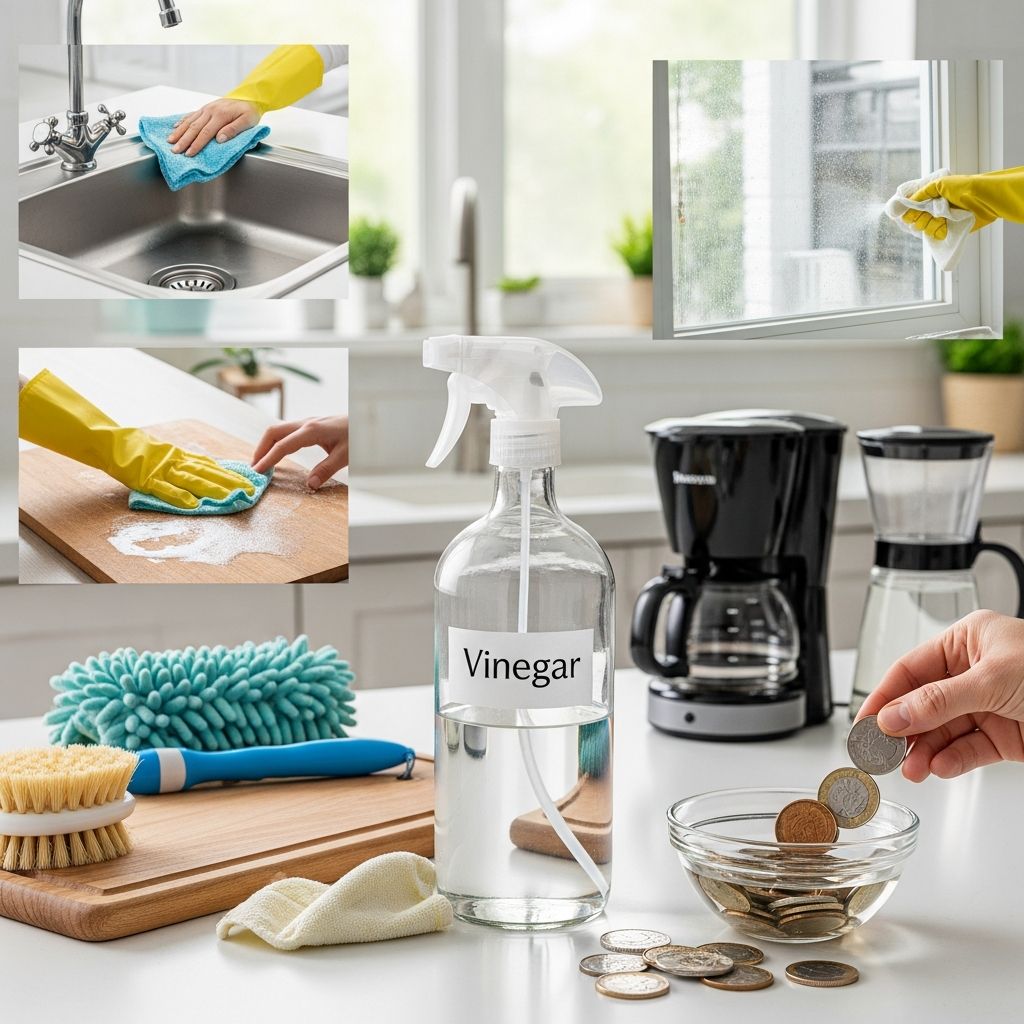
Things You Can Clean With Vinegar: A Complete Guide to Natural Cleaning
Vinegar has long been recognized as one of nature’s most versatile and cost-effective cleaning agents. Distilled white vinegar, when diluted to about 5 percent acidity, serves as a powerful, nontoxic alternative to harsh commercial cleaning products. It effectively kills household bacteria, dissolves hard-water deposits, cuts through stubborn grime, and costs only a fraction of brand-name cleaners. Whether you’re looking to reduce your household chemical exposure or simply save money on cleaning supplies, vinegar offers an eco-friendly solution that works remarkably well across numerous household applications. This comprehensive guide explores the various surfaces and items throughout your home that can be safely and effectively cleaned with vinegar.
Understanding Vinegar as a Cleaning Agent
White vinegar’s cleaning power comes from its acidic nature, which breaks down mineral deposits, soap residue, and various types of grime. The acidity level in standard distilled white vinegar typically ranges from 4 to 8 percent, making it strong enough to tackle tough cleaning jobs while remaining safe for most household surfaces when properly diluted. Many homeowners create their own cleaning solutions by combining vinegar with water in various ratios depending on the specific cleaning task. This versatility, combined with its affordability and non-toxic nature, has made vinegar a staple in environmentally conscious households and budget-savvy cleaning routines.
Kitchen Cleaning Applications
Cutting Boards and Countertops
Kitchen cutting boards require regular sanitizing to prevent bacterial growth and cross-contamination. Vinegar serves as an excellent natural disinfectant for wooden and plastic cutting boards. After using your cutting board, spray it with a solution of equal parts white vinegar and water, allow it to sit for several minutes, then rinse thoroughly with clean water. This method effectively eliminates bacteria while preserving the integrity of wood surfaces, unlike harsher bleach-based cleaners that can damage wood grain and cause discoloration.
For laminate and sealed countertops, diluted vinegar works wonderfully to remove sticky residue, wipe away spills, and restore shine without leaving streaks. A simple spray bottle filled with one part vinegar and three parts water provides an effective daily countertop cleaner. However, it’s important to note that vinegar should not be used on natural stone countertops like marble or granite, as the acidity can etch and damage these porous surfaces.
Microwave Ovens
Cleaning the microwave becomes significantly easier with vinegar. Fill a microwave-safe bowl with equal parts water and white vinegar, then microwave on high for 3-5 minutes until the mixture boils and creates steam. The steam loosens hardened food particles and splatters on the interior walls and ceiling. After the microwave cools slightly, simply wipe the surfaces clean with a damp cloth. The softened debris comes away easily, and your microwave smells fresh rather than of chemical cleaners.
Refrigerator Interiors
A vinegar solution effectively cleans refrigerator shelves, drawers, and interior surfaces while removing odors. Mix equal parts white vinegar and water in a spray bottle and use it to wipe down all removable shelving and interior walls. This solution eliminates bacteria, removes sticky spills, and neutralizes food odors naturally. The vinegar smell dissipates within hours, leaving your refrigerator fresh and sanitized without chemical residues that might transfer to your food.
Bathroom Cleaning Solutions
Toilet Bowls and Bathroom Fixtures
Vinegar is particularly effective for toilet cleaning and maintenance. Pour a cup of white vinegar directly into the toilet bowl and let it sit for 30 minutes to break down stains and mineral deposits. Use a toilet brush to scrub the bowl, then flush. For stubborn stains, create a paste using vinegar and baking soda, apply it to the stain, let it sit overnight, and scrub in the morning for dramatic results. Additionally, vinegar effectively cleans and shines bathroom chrome fixtures, faucets, and towel bars without leaving water spots.
Shower Heads and Bathtubs
Hard water deposits accumulate on shower heads over time, restricting water flow. Fill a plastic bag with white vinegar, secure it around the shower head with a rubber band, and leave it overnight. The vinegar dissolves mineral buildup, and your shower head emerges with improved water pressure. For bathtubs, spray a solution of equal parts vinegar and water on soap scum and hard-water stains, let it sit for 15-30 minutes, then scrub and rinse. This method works remarkably well on tile grout as well, where it penetrates and removes accumulated soap residue and mildew discoloration.
Mirrors and Glass Surfaces
Achieve sparkling, streak-free mirrors and bathroom glass by using a vinegar-based cleaner. Mix one part white vinegar with one part water, spray onto glass surfaces, and wipe with crumpled newspaper or a microfiber cloth for a lint-free shine. This solution is far more economical than commercial glass cleaners and performs equally well without toxic fumes. The slightly pungent vinegar smell disappears quickly as the surface dries.
Laundry and Fabric Care
Vinegar offers several benefits for laundry applications when used properly. As a fabric softener, add half to one cup of white vinegar to the rinse cycle to soften clothes naturally while reducing static cling in the dryer. Vinegar also helps remove stubborn stains, odors, and residual detergent buildup from fabrics. For white clothes, vinegar can brighten and enhance their appearance, while for colored garments, it helps set dyes and prevent fading. However, it’s essential to note that constant vinegar use in washing machines, particularly front-load models, can potentially damage rubber seals and hoses over time, so moderate use is recommended.
Floor and Surface Cleaning
Tile and Vinyl Flooring
Ceramic tile and vinyl floors respond excellently to vinegar cleaning. Mix one cup of vinegar with one gallon of warm water to create an effective floor cleaning solution. This mixture cuts through grease, removes dirt, and leaves floors clean and slightly sanitized. The solution is safe for regular use on tile and vinyl without causing damage or degradation. Avoid using vinegar on natural stone tiles or marble, as the acidity can etch these surfaces.
Windows and Glass
Both interior and exterior windows shine brilliantly when cleaned with vinegar solution. The classic formula of equal parts white vinegar and water, sprayed onto windows and wiped with newspaper or microfiber cloths, produces streak-free, crystal-clear results. This method has been used for generations and remains unmatched in effectiveness while costing just pennies per application. The solution works equally well on sliding glass doors, glass shower enclosures, and glass-fronted cabinets.
Appliance Maintenance
Coffee Makers and Kettles
Mineral deposits accumulate inside coffee makers and electric kettles, affecting performance and water quality. Fill the water reservoir with equal parts white vinegar and water, then run the coffee maker through a full brewing cycle into an empty pot. Repeat this process 2-3 times to ensure complete mineral removal. Follow up by running pure water through the machine twice more to rinse away all vinegar residue. This maintenance procedure should be performed monthly in hard-water areas to maintain optimal appliance function.
Drain Cleaning
For minor drain clogs and odors, vinegar combined with baking soda offers a natural alternative to harsh chemical drain cleaners. Pour half a cup of baking soda down the drain, followed by one cup of white vinegar. The resulting chemical reaction creates fizzing action that breaks up minor blockages and neutralizes odors. Cover the drain and let it work for 30 minutes to an hour, then flush with hot water. While this method works well for maintenance and prevention, severe clogs may require professional plumbing attention.
Specialty Cleaning Tasks
Removing Sticky Residue
Labels, stickers, and adhesive residue yield quickly to vinegar treatment. Soak a cloth in vinegar and apply it to the sticky area for several minutes. The vinegar dissolves the adhesive, allowing you to wipe away labels and residue cleanly without damaging the underlying surface. This method works on glassware, plastic containers, and painted surfaces.
Natural Produce Cleaning
Create a natural produce wash by mixing one part white vinegar with three parts water. Soak fruits and vegetables for 5-10 minutes, then rinse thoroughly with clean water. This solution helps remove residual pesticides, bacteria, and dirt while being completely safe for consumption. The vinegar taste and smell rinse away completely with clean water.
Pet Odor Elimination
For homes with pets, vinegar helps neutralize urine odors in various locations. Mix equal parts vinegar and water, spray on affected areas, and allow to dry completely. The vinegar smell dissipates as it dries, taking pet odors with it. For accidents on carpet, spray the solution generously, allow it to soak, then blot with towels and air dry.
Creating Your Vinegar Cleaning Kit
Building an effective vinegar-based cleaning system requires just a few essential items. Stock distilled white vinegar as your base ingredient, available inexpensively at any grocery store. Invest in spray bottles for easy application of various vinegar solutions. Microfiber cloths provide lint-free wiping without leaving streaks or residue. Combine these basics with common household items like baking soda, dish soap, and essential oils for scent, and you’ll have a complete natural cleaning arsenal at a fraction of the cost of commercial cleaners.
Essential Safety Considerations
While vinegar is generally safe, certain precautions ensure safe and effective use. Never mix vinegar with bleach or other chemical cleaners, as this creates toxic fumes. Always dilute vinegar appropriately for specific tasks—using undiluted vinegar on sensitive surfaces can cause damage. Test vinegar solutions on hidden areas of delicate surfaces before full application. Wear gloves when working with undiluted vinegar to protect skin. Ensure adequate ventilation when using vinegar solutions, especially in bathrooms and kitchens. Store vinegar in clearly labeled bottles away from children and pets.
Frequently Asked Questions
Q: What type of vinegar is best for cleaning?
A: Distilled white vinegar is the best choice for cleaning purposes. Its consistent acidity level (typically 4-8 percent) and lack of color ensure effective cleaning without staining. Avoid apple cider vinegar or balsamic vinegar, which contain darker pigments and lower acidity levels.
Q: Can vinegar damage any household surfaces?
A: Yes, vinegar should not be used on natural stone surfaces like marble, granite, or limestone, as the acidity can etch and damage these materials. Additionally, vinegar can damage hardwood floors by dissolving protective finishes. Always check manufacturer recommendations before applying vinegar to unfamiliar surfaces.
Q: How can I make vinegar cleaning solutions smell better?
A: Add essential oils such as lemon, lavender, tea tree, or eucalyptus to vinegar solutions for improved scent. Use about 10-15 drops per spray bottle of solution. You can also add dried herbs or citrus peels to vinegar and let them steep for several weeks to create naturally scented vinegar cleaners.
Q: Is vinegar as effective as commercial disinfectants?
A: Vinegar kills many common household bacteria and germs effectively. However, for surfaces that require clinical-level disinfection or specific pathogen elimination, commercial disinfectants may be more appropriate. Vinegar works excellently for routine cleaning and general sanitization of household surfaces.
Q: Can I use vinegar to clean my washing machine or dishwasher?
A: While vinegar can be used occasionally for washing machine maintenance, frequent use can damage rubber seals and hoses in both machines. For dishwashers, specially formulated citric acid-based cleaners are more effective and safer for the appliance’s components. If using vinegar in washing machines, limit it to monthly maintenance rather than regular use.
Q: How do I remove hard-water stains with vinegar?
A: Apply full-strength or highly concentrated vinegar solution to hard-water stains and allow it to sit for 15-30 minutes. Use a brush or cloth to gently scrub the stained area, then rinse thoroughly with water. For stubborn stains, soak cloths in vinegar and secure them to the affected area overnight before scrubbing in the morning.
References
- 9 Things You Should Never Clean With Vinegar — Consumer Reports. 2024-03-28. https://www.consumerreports.org/home-garden/cleaning/things-you-should-never-clean-with-vinegar-distilled-white-vinegar-a3336471803/
- How to Clean an Oven Naturally — HGTV. 2017-09-19. https://www.youtube.com/watch?v=G20bA6lEyGs
- Uses of White Vinegar in Household Cleaning — U.S. Environmental Protection Agency. https://www.epa.gov/
Similar Articles





Read full bio of medha deb