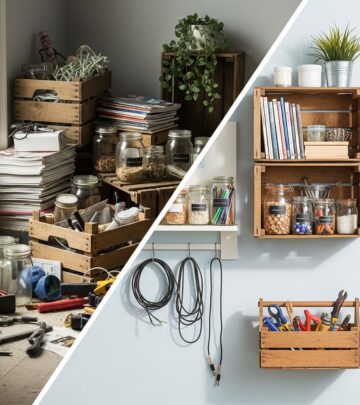
Tiny Decluttering Wins: Simple Projects that Transform Your Home Fast
Quick, low-stress decluttering moves that create big visual and emotional impact.
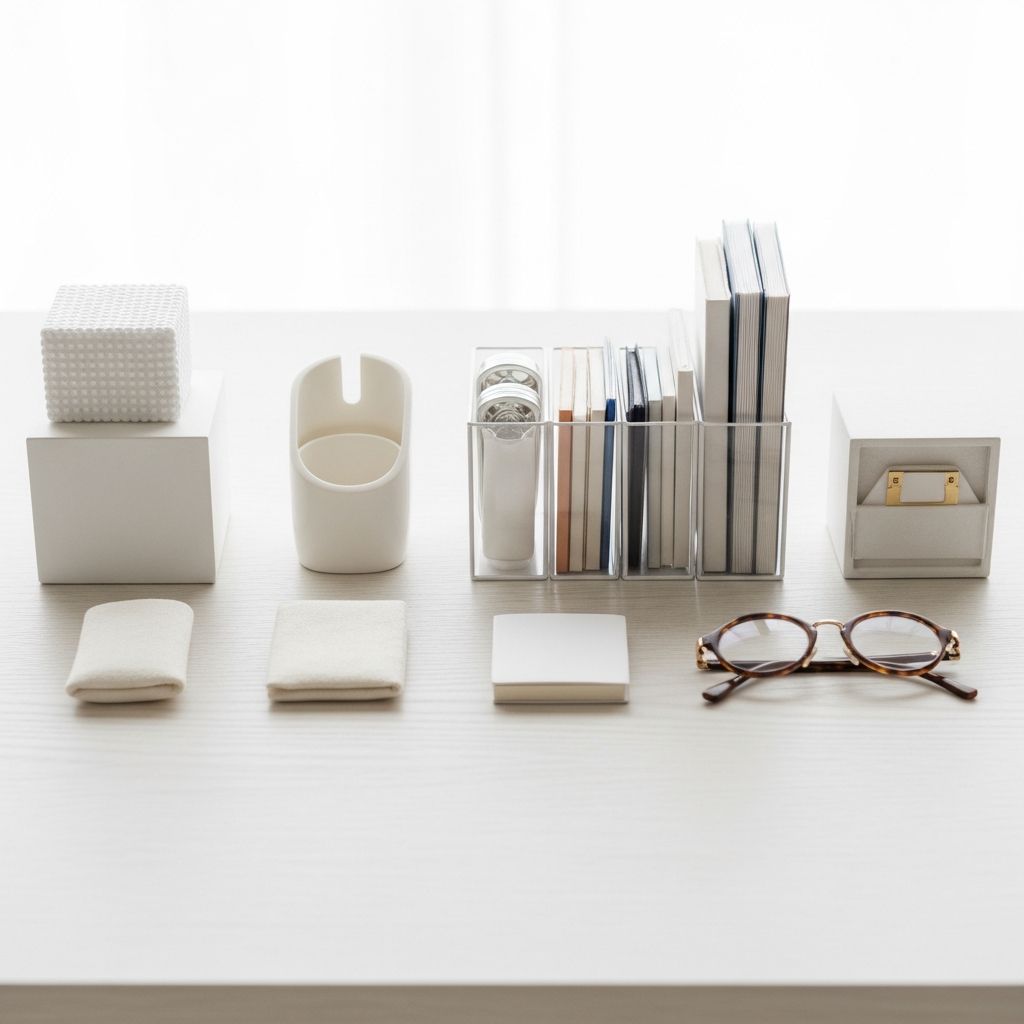
Decluttering does not have to mean tearing your entire house apart for an exhausting weekend marathon. A series of small, targeted projects can dramatically change how your home looks, functions and feels, often in under 20 minutes at a time.
This guide walks through focused mini-projects that deliver outsized results: clear surfaces, calmer rooms, easier cleaning and less visual noise. Mix and match the ideas, or work through them room by room to build momentum without burnout.
Why Small Decluttering Projects Work So Well
Many people avoid decluttering because it feels endless and emotionally draining. When you shrink the task to a drawer, surface or category, it becomes manageable and measurable. Completing these tiny wins builds confidence, reduces overwhelm and trains you to question what really deserves space in your home.
Small projects are also easier to fit into real life. A few minutes between meetings or after dinner can be enough to transform a hotspot, and the payoff is visible right away.
Set Yourself Up for Decluttering Success
Before you jump into specific projects, prepare a simple system so every session ends with items moving closer to their final destination, not just into new piles.
- Create four basic containers: keep (belongs here), relocate (belongs elsewhere), donate/sell, trash/recycle.
- Choose a time limit: start with 10–20 minute sessions to avoid decision fatigue and quit while you still have energy.
- Pick one tiny area: a surface, drawer, basket or cluster of similar items rather than a whole room.
High-Impact Hotspots to Start With
Certain areas act as magnets for clutter and strongly influence how tidy a home appears. Focusing on these hotspots first gives you maximum visual payoff.
| Hotspot | Typical Time Investment | Primary Benefit |
|---|---|---|
| Entryway surface (console, shoe area) | 10–15 minutes | Immediate first impression uplift |
| Kitchen counters | 20–30 minutes | More cooking space, easier cleaning |
| Living room coffee table | 10–20 minutes | Calmer, more relaxing seating area |
| Bathroom vanity | 15–20 minutes | Streamlined morning and evening routines |
| Nightstand and floor by bed | 10–15 minutes | Cleaner, more restful sleep environment |
Entryway Refresh: Clear the First Impression
The area by your front door sets the tone for the entire home. When it is piled with shoes, bags and random mail, the whole space feels chaotic even if the rest of the house is relatively tidy.
Targeting this small zone first gives you a daily reminder that progress is happening and encourages everyone in the household to cooperate.
Micro-Projects for the Entryway
- Edit outerwear: limit hooks or hangers by the door to the few coats, bags and hats you use weekly; relocate or store out-of-season or rarely used pieces.
- Contain shoes: use a small rack, shallow bin or tray to hold a reasonable number of pairs, and return anything extra to bedroom closets.
- Designate a mail and key zone: place a small tray or wall-mounted organizer for incoming papers and keys so they no longer sprawl across the surface.
Kitchen Counter Calm: Reclaim Your Workspace
Kitchen counters easily turn into landing pads for appliances, mail, water bottles and leftovers. A few focused sessions can turn this cluttered surface back into usable prep space.
Instead of stripping the entire kitchen, work one counter segment at a time, asking which items truly must live out in the open every day.
Quick Wins in the Kitchen
- Remove non-kitchen items: collect mail, tools, toys and paperwork and move them to a more appropriate zone before you do anything else.
- Evaluate countertop appliances: keep only what is used multiple times a week; store rarely used gadgets in a cabinet or donate them if they never leave the counter.
- Create a clear landing strip: reserve one small tray or basket for water bottles, keys or daily items and commit to keeping the rest of the counter mostly empty.
Coffee Table and Living Room Surfaces
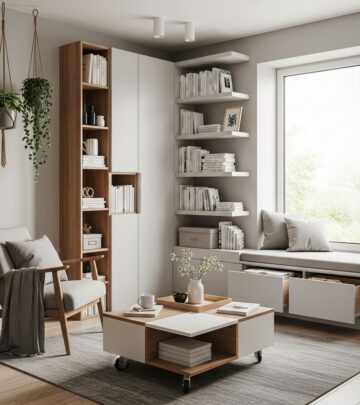
The living room is often the most visible part of the home, and small piles here tend to multiply quickly. Clearing a few surfaces can instantly make the whole room feel more spacious and peaceful.
Focus on what supports relaxation and connection: a few favorite books, a candle or a plant, rather than stacks of magazines and remote controls scattered everywhere.
Simple Surface Reset
- Edit entertainment items: gather remotes, game controllers and chargers into a low basket or box instead of leaving them loose on tables.
- Limit decor pieces: display a small number of items you truly love and pack away or donate duplicates and fillers.
- Contain blankets and pillows: store extras in a lidded basket, ottoman or cabinet so the sofa feels inviting rather than overloaded.
Bathroom Detox: Streamline Daily Routines
Bathrooms are compact, so even small changes yield big results. A clutter-free vanity and shower make morning and evening routines faster and less stressful.
The key is reducing duplicates and items you never actually reach for, then assigning simple homes for what stays.
Bathroom Mini Projects
- Edit products by category: group skincare, haircare, cosmetics and first-aid; discard old, expired or unloved items and keep only favorites.
- Use easy-access containers: store daily items in shallow bins, turntables or drawer inserts so everything has a defined place.
- Limit the shower lineup: keep only one or two of each product in the shower and store backups elsewhere to prevent bottle clutter.
Bedroom Reset: Create a Calm Sleep Sanctuary
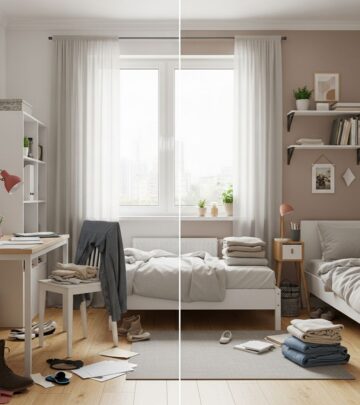
A peaceful bedroom does not require elaborate decor, but it does benefit from clear surfaces and an uncluttered floor. Visual noise in this room can make it harder to wind down and rest.
Concentrate on the nightstand, the floor around the bed and clothing hotspots where items tend to pile up.
High-Impact Bedroom Tasks
- Clear the nightstand: keep only a lamp, current book and a couple of essentials in a small dish or tray; move all other items to more appropriate locations.
- Address clothing piles: decide where each category lives: hamper for dirty clothes, hook or drawer for items to re-wear, and closet or dresser for clean pieces.
- Use hidden storage: store off-season bedding or rarely used items in under-bed containers to free up closet and drawer space.
Desk and Paper Clutter: Tame the Mental Load
Piles of paper and random office supplies create a constant sense of unfinished business. Tackling this area, even briefly, can dramatically reduce mental clutter.
Rather than aiming for perfect filing systems, aim for functionality and a small number of broad categories that are easy to maintain.
Desk Decluttering Steps
- Gather all visible papers: make one stack, then quickly divide into “needs action,” “to file” and “recycle/shred.”
- Create a simple action tray: use a vertical sorter or single tray for bills, forms and active projects so they are visible but not spread everywhere.
- Contain supplies: keep frequently used items in drawer organizers or a desktop caddy, and store extras in a separate bin or cabinet.
Closet Micro-Edits for Everyday Ease
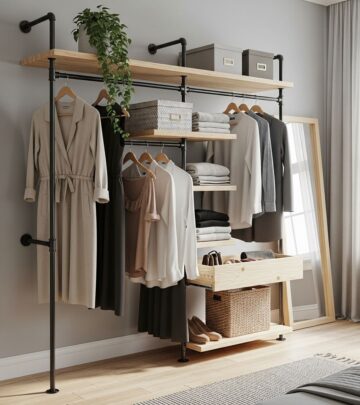
A full wardrobe overhaul is a big project, but strategic micro-edits can make getting dressed easier within a single afternoon. The goal is to remove obvious obstacles and highlight what you truly wear and love.
Start by improving visibility and access rather than aiming for a perfectly curated capsule wardrobe from the beginning.
Targeted Closet Tasks
- Pull the “definite no” items: quickly remove pieces that do not fit, are damaged or that you already know you never choose; donate or recycle as appropriate.
- Group by type: hang items by category (shirts, pants, dresses, outerwear) so you can see what you have and spot duplicates.
- Use a visibility trick: place frequently worn items at eye level and less-used items higher or lower to make daily choices easier.
Digital Decluttering that Supports Physical Order
Digital clutter may not sit on your countertops, but overflowing inboxes and chaotic files still contribute to stress. Light digital maintenance makes it easier to manage paperwork and household administration.
You do not need to empty every folder; focus on creating a skeleton structure that supports quick decisions in the future.
Simple Digital Clean-Up Ideas
- Unsubscribe in batches: spend a few minutes identifying newsletters and marketing emails you never read and remove yourself from the lists.
- Set up broad folders: create basic categories like Home, Work, Finances, School and Health, then file important documents there as they arrive.
- Use scanning strategically: digitize key paper documents you need to keep long-term, then shred or recycle the physical copies to free drawer space.
Containers, Zones and Labels: Make Order Easy to Maintain
Decluttering is only half the story; the other half is setting up simple structures that make it easy to stay organized. Containers, zones and labels act as guardrails so items naturally migrate back to where they belong.
The goal is to make the “right” behavior the path of least resistance, not to create rigid systems that require constant policing.
Practical Organization Principles
- Think in zones: define small areas for specific functions, such as a coffee station, homework corner or pet-care shelf, so unrelated items do not mix.
- Use simple containers: baskets, bins and trays do not need to match; they just need to be the right size and easy to access.
- Label for clarity: basic word labels help everyone remember where things go and reduce the chances of clutter creeping back.
Sample 7-Day Mini Declutter Plan
If you prefer a clear roadmap, use this one-week schedule as a template. Each day focuses on one small area so you can see steady progress without dedicating huge blocks of time.
| Day | Area | Primary Task |
|---|---|---|
| Day 1 | Entryway | Edit shoes, coats and create a drop zone for keys and mail. |
| Day 2 | Kitchen | Clear one counter section and relocate non-kitchen items. |
| Day 3 | Living room | Reset coffee table and gather loose items into containers. |
| Day 4 | Bathroom | Declutter vanity products and organize daily essentials. |
| Day 5 | Bedroom | Clear nightstand and address clothing piles around the bed. |
| Day 6 | Desk | Sort paper into action, file and recycle/shred categories. |
| Day 7 | Closet | Remove obvious “no” items and group remaining clothes by type. |
Maintaining Momentum with Tiny Habits
Once the first wave of decluttering is done, keeping clutter under control is mostly about small, repeatable habits. These do not have to be perfect, but consistency will keep your progress from unraveling.
Think of maintenance as giving each space a quick reset so items do not accumulate long enough to become overwhelming again.
Everyday Habits That Help
- One-minute resets: take a minute when you leave a room to put away any stray items that do not belong there.
- Evening tidy ritual: spend 5–10 minutes resetting hotspots such as the kitchen counter, coffee table and entryway.
- “One in, one out” rule: when a new item comes in, choose something similar to donate or recycle to keep overall volume stable.
Frequently Asked Questions
How long should a small decluttering project take?
Most small decluttering projects work best in 10–30 minute blocks. Short sessions help you stay focused, make quicker decisions and avoid burnout. If you still have energy at the end, you can always start another tiny zone rather than forcing yourself to push through an extra-long session.
What if I am emotionally attached to many items?
Sentimental clutter is normal and often takes longer to process. Begin with neutral categories like pantry items, toiletries or office supplies to build decision-making muscles. When you move into more emotional territory, set gentle rules, such as choosing a limited number of keepsakes per category and photographing some items before letting them go.
How do I prevent clutter from coming back?
Clutter tends to return when items do not have clear homes or when new things arrive faster than old ones leave. Strengthen your systems by defining zones, using containers and labeling where necessary, then support those systems with small daily habits like quick resets and a simple “one in, one out” approach for categories that tend to grow.
Is it better to declutter by room or by category?
Both methods can work, and you can mix them. Decluttering by room gives you visible progress in a specific space, which can be motivating. Decluttering by category is helpful when similar items are scattered everywhere, such as books, cleaning products or hobby supplies; handling them together prevents duplicates from slipping through.
What should I do with items I want to donate or sell?
Designate one bin or corner of a closet as your holding area for items leaving the home. Once the bin is full, schedule a date to drop donations off or list sale items online. Giving yourself a firm deadline prevents bags of decluttered items from becoming a new form of clutter.
Similar Articles


Read full bio of Sneha Tete