Tips To Maintain Your Septic System: 10 Essential Practices
Essential septic system maintenance tips to extend lifespan and prevent costly repairs.
Tips to Maintain Your Septic System
A properly functioning septic system is essential for any home that isn’t connected to a municipal sewer system. Your septic system handles all the wastewater from your household, including water from toilets, showers, sinks, and laundry. Without proper maintenance, your septic system can fail, leading to costly repairs, environmental contamination, and serious health hazards. Understanding how your septic system works and implementing regular maintenance practices can significantly extend its lifespan and keep your family safe.
Understanding Your Septic System
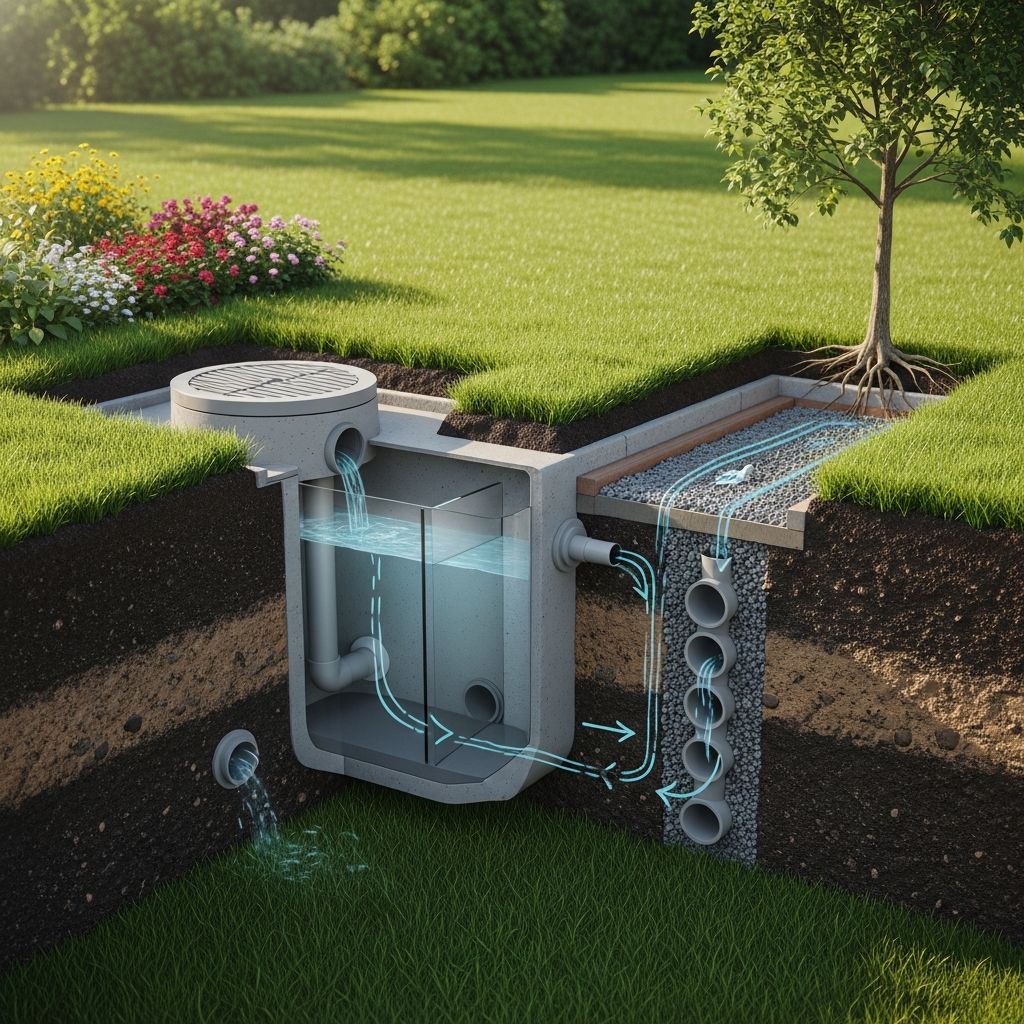
Before diving into maintenance tips, it’s important to understand how your septic system functions. A typical septic system consists of three main components: the septic tank, the drain field (also called a leach field), and the soil surrounding these components. When wastewater leaves your home, it flows into the septic tank where solids settle to the bottom while liquids move to the drain field. Bacteria in the tank break down solids, and the liquid eventually disperses into the soil where it’s naturally filtered and treated.
The entire process depends on bacterial activity and proper water flow. Any disruption to this delicate balance can result in system failure and environmental problems. This is why maintaining your septic system through regular care and responsible usage is critically important.
Schedule Regular Septic Tank Pumping
One of the most important maintenance tasks for your septic system is regular pumping. Over time, solid waste accumulates in your tank and must be removed to prevent system failure and backup into your home. The frequency of pumping depends on several factors:
- Tank size: Larger tanks require less frequent pumping than smaller ones
- Household size: More people in your home means more wastewater and faster tank filling
- Water usage: High water consumption from showers, laundry, and dishwashers fills the tank faster
- Waste types: Households with garbage disposals typically need more frequent pumping
Most septic systems require pumping every three to five years. However, families with heavy water usage or smaller tanks may need pumping every two to three years. It’s recommended to have your tank inspected during pumping to identify any potential issues before they become serious problems. Regular pumping prevents solids from reaching your drain field, which would cause irreversible damage.
Know What You Can and Cannot Flush
What goes into your toilet significantly impacts your septic system’s health. The bacteria that treat your wastewater are sensitive to certain materials, and some items can completely block your system or destroy the bacterial colony that makes treatment possible.
Items That Should Never Be Flushed:
- Feminine hygiene products: These don’t break down and will accumulate in your tank
- Paper towels and tissues: Unlike toilet paper, these don’t dissolve easily in water
- Diapers and wipes: Even “flushable” wipes can cause serious clogs and system damage
- Medications and supplements: These can kill the beneficial bacteria in your tank
- Cooking oils and grease: These solidify in your tank and create blockages
- Pet waste and litter: These contain harmful pathogens and don’t break down properly
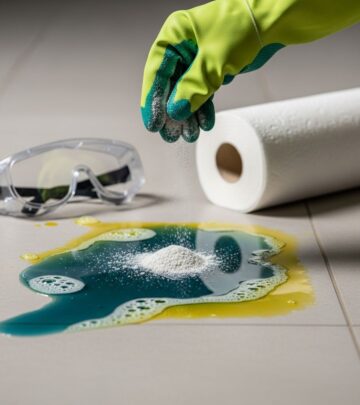
- Harsh chemicals and cleaners: Bleach, drain cleaners, and pesticides kill the bacteria your system needs
- Food scraps and garbage: These break down too slowly and accumulate in your tank
- Dental floss and hair: These don’t decompose and create tangles in your system
- Paint, solvents, and hazardous materials: These contaminate your drain field and groundwater
Additionally, limit your use of garbage disposals, as they introduce large amounts of solid waste into your septic tank. If you must use a garbage disposal, operate it sparingly and only with small amounts of food waste.
Conserve Water and Fix Leaks Promptly
Excessive water usage can overwhelm your septic system, forcing untreated wastewater into your drain field before it’s properly processed. Conservative water habits help your system function optimally and extend its lifespan.
Water Conservation Tips:
- Install low-flow toilets, showerheads, and faucets to reduce water consumption
- Fix leaking toilets immediately, as a single running toilet can waste thousands of gallons annually
- Space out laundry throughout the week rather than doing multiple loads in one day
- Run dishwashers and washing machines only when full
- Take shorter showers and install aerators on faucets
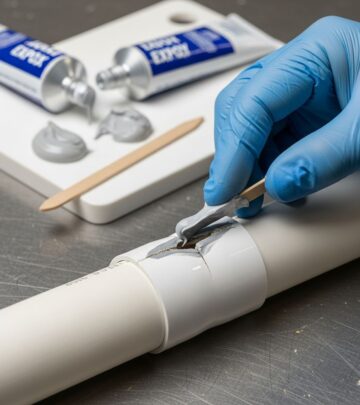
- Fix any leaks in your plumbing system promptly
A leaking toilet is particularly damaging because it continuously adds water to your system without adding waste, disrupting the bacterial balance needed for proper treatment. By monitoring your water usage and fixing leaks, you prevent hydraulic overload of your septic system.
Use Septic-Safe Cleaning Products
The chemicals you use in your home eventually make their way to your septic system. Harsh chemicals can kill the beneficial bacteria that treat your wastewater, significantly reducing your system’s effectiveness.
Recommendations for Safe Cleaning:
- Choose biodegradable, septic-safe cleaning products whenever possible
- Use natural cleaners like vinegar and baking soda for routine cleaning
- Limit use of antibacterial soaps and hand sanitizers
- Avoid chemical drain cleaners; use mechanical methods like plungers or drain snakes instead
- Don’t use commercial septic tank additives unless specifically recommended by a professional
- Be cautious with laundry detergents; use the recommended amount and choose septic-safe options
The bacterial colonies in your septic tank are essential for breaking down waste. When you introduce harsh chemicals, you compromise this biological process, leading to system failure and potential environmental contamination.
Protect Your Drain Field
Your drain field is just as critical as your septic tank. Once damaged, drain fields are extremely expensive to repair or replace, often costing $3,000 to $25,000 or more depending on the size and location.
Drain Field Protection Strategies:
- Never park vehicles or heavy equipment over the drain field
- Avoid planting trees or large shrubs near the drain field, as roots can damage pipes
- Don’t install pools, patios, or concrete over the drain field
- Redirect roof gutters and surface water away from the drain field area
- Keep the area well-vegetated with grass to prevent erosion and soil compaction
- Never apply pesticides or excessive fertilizers near the drain field
Surface water runoff can saturate your drain field, preventing proper filtration and treatment. Excess weight from vehicles or structures can compact the soil, reducing its ability to absorb and filter wastewater. Protecting this area ensures your system continues to function properly for years to come.
Have Your System Inspected Regularly
Professional inspections can identify problems before they develop into costly failures. Most experts recommend having your septic system inspected every three to five years, or more frequently if you notice signs of problems.
What Inspections Include:
- Checking the septic tank for cracks, leaks, or structural damage
- Assessing the drain field for proper drainage and saturation
- Testing the tank’s effluent for proper treatment
- Evaluating bacterial populations in the tank
- Checking for signs of system failure or contamination
A professional can also provide personalized recommendations based on your specific system, household size, and water usage patterns. Early detection of problems can save you thousands of dollars in repair costs.
Recognize Warning Signs of Septic Problems
Being aware of warning signs helps you address problems quickly before they become emergencies. Contact a septic professional immediately if you notice:
- Slow drains throughout your home or in multiple fixtures
- Toilets or drains that back up or gurgle
- Unusually bright green patches in your yard over the drain field
- Foul odors coming from drains, toilets, or your yard
- Sewage or wastewater pooling in your yard
- Unusually wet or spongy soil near the tank or drain field
- Recent drain field flooding or water table rise
These symptoms indicate your system isn’t working properly and requires immediate professional attention. Ignoring these signs can lead to complete system failure and serious environmental and health consequences.
Know Your System’s Location and Capacity
Every septic system owner should know where their tank and drain field are located. Keep records of your system’s size, installation date, and any maintenance performed. This information is valuable when planning home improvements and helps you avoid damaging your system.
- Locate your tank and drain field on your property
- Keep maintenance records and inspection reports
- Know your system’s capacity and recommended maximum water usage
- Maintain documentation for future owners or when selling your property
- Mark the tank and drain field area to prevent accidental damage
Plan for System Replacement
Even with excellent maintenance, septic systems eventually need replacement. Most systems last 25 to 40 years, depending on construction quality and maintenance. Planning ahead helps you budget for this significant expense and avoid emergency situations.
Budget approximately $3,000 to $10,000 for a new septic system installation, with costs varying based on system size, soil conditions, and local regulations. Regular maintenance extends your system’s life and maximizes the return on your investment.
Frequently Asked Questions
Q: How often should I pump my septic tank?
A: Most septic systems require pumping every three to five years. However, frequency depends on tank size, household size, water usage, and the amount of solid waste entering the system. Families with heavy usage or garbage disposals may need more frequent pumping.
Q: Can I use a garbage disposal with a septic system?
A: It’s best to avoid using a garbage disposal with a septic system, as it introduces excessive solid waste that fills your tank faster. If you must use one, operate it sparingly and only with small amounts of food waste.
Q: What are flushable wipes and why shouldn’t I use them?
A: Flushable wipes don’t dissolve like toilet paper and can cause serious clogs in your septic system and drain field. Even products labeled “flushable” should never be flushed into a septic system.
Q: How can I tell if my septic system is failing?
A: Warning signs include slow drains, sewage backups, foul odors, wet patches in your yard, or pools of wastewater. If you notice these symptoms, contact a septic professional immediately.
Q: Can chemical drain cleaners damage my septic system?
A: Yes, chemical drain cleaners kill the beneficial bacteria in your septic tank that are essential for treating wastewater. Use mechanical methods like plungers or drain snakes instead.
Q: How long does a septic system typically last?
A: With proper maintenance, most septic systems last 25 to 40 years. Regular pumping, conservative water usage, and protective practices extend your system’s lifespan significantly.
Q: What should I do before selling a home with a septic system?
A: Have your system professionally inspected and pumped before selling. Provide documentation of maintenance history, tank location, capacity, and any repairs. Many buyers request inspection results before purchase.
References
- Septic System Maintenance — U.S. Environmental Protection Agency (EPA). 2024. https://www.epa.gov/septic-systems/septic-system-maintenance
- Caring for Your Septic System — National Association of Realtors. 2023. https://www.nar.realtor/sites/default/files/documents/Caring_for_Your_Septic_System.pdf
- Septic Tank Pumping and Maintenance Guide — American Society of Home Inspectors (ASHI). 2023. https://www.homeinspector.org/
- What Should Never Be Flushed Down a Toilet — Water Environment Federation (WEF). 2024. https://www.wef.org/
- Septic System Design and Installation Standards — National Onsite Wastewater Recycling Association (NOWRA). 2023. https://www.nowra.org/
Similar Articles








Read full bio of medha deb