Removing Paint From Trim: 3 Proven Methods And Safety Tips
Master the art of paint removal from trim with expert techniques and proven methods.
Tips for Removing Paint from Trim
Removing paint from trim can be a challenging but rewarding DIY project that restores the beauty of your home’s woodwork. Whether you’re dealing with multiple layers of old paint, preparing trim for a fresh coat, or exposing natural wood for staining, understanding the right techniques and tools makes the process significantly more manageable. This comprehensive guide covers the most effective methods for paint removal, safety considerations, and professional tips to achieve excellent results.
Understanding Paint Removal Methods
Before beginning your paint removal project, it’s essential to understand the different methods available and their respective advantages and limitations. Each technique has specific applications, effectiveness levels, and considerations that make it suitable for different situations and trim types.
Chemical Paint Strippers
Chemical paint strippers remain one of the most effective methods for removing paint from trim, particularly for heavily painted surfaces or complex trim profiles. These products contain active ingredients that break down the bond between paint and wood, allowing you to scrape away layers efficiently. Modern eco-friendly strippers have largely replaced traditional methylene chloride-based products, offering safer alternatives with reduced toxicity.
When using chemical strippers, apply them generously to the painted surface and allow adequate dwell time—typically 15 to 30 minutes depending on the product—for the stripper to penetrate and soften the paint. Work in a well-ventilated area and wear protective equipment including gloves, eye protection, and respiratory protection as recommended by the product manufacturer. After the paint begins to bubble and lift, use a putty knife or scraper to remove the softened paint, working carefully to avoid gouging the wood underneath.
Mechanical Scraping and Sanding
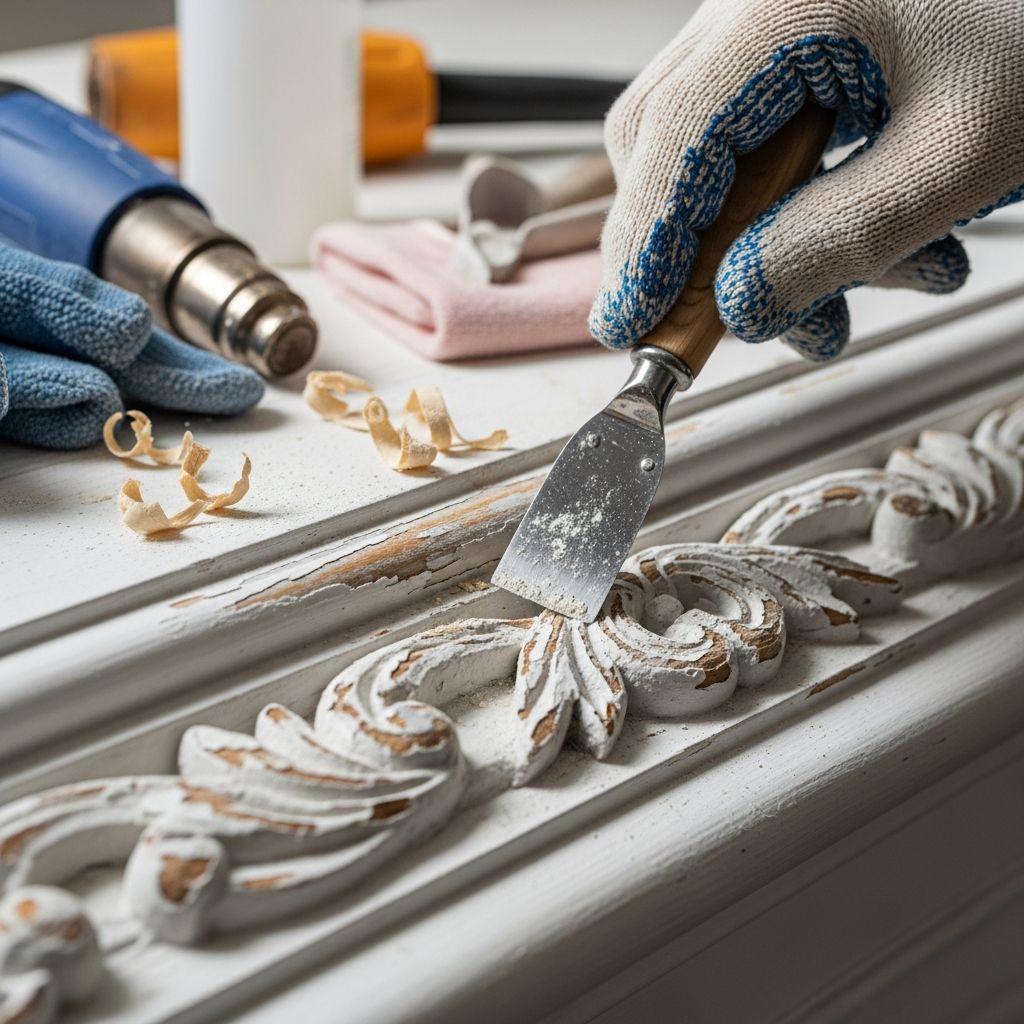
Mechanical methods such as scraping and sanding are excellent for smaller projects or trim with lighter paint buildup. Hand scraping with a putty knife, paint scraper, or specialized trim removal tool allows precise control and is ideal for delicate woodwork where you want to preserve the original surface character. This method requires patience and elbow grease but offers the advantage of working without harsh chemicals.
Power sanding accelerates the removal process for larger areas but requires careful technique to avoid over-sanding and damaging decorative trim details. Use progressively finer grits—starting with 80 or 120 grit for heavy removal and finishing with 150 to 220 grit for smoothing—to achieve a quality finish. Orbital sanders work well for flat surfaces, while detail or mouse sanders access tighter areas more effectively.
Heat Gun Application
Heat guns soften paint by raising the temperature of the surface, causing the paint to bubble and lift from the wood. This method works particularly well for older oil-based paints and avoids chemical exposure, making it an environmentally friendly option. Hold the heat gun at a safe distance—typically 3 to 6 inches from the surface—and move it continuously to avoid scorching the wood.
Once the paint bubbles, immediately follow with a scraper to remove the softened coating. This method requires coordination and practice to master but produces excellent results when executed properly. Be aware that heating paint can release fumes, so ensure adequate ventilation even though no chemical solvents are involved.
Preparation and Safety Considerations
Proper preparation and safety precautions are fundamental to a successful and safe paint removal project. Taking time to set up correctly prevents accidents, protects your health, and improves overall project efficiency.
Testing for Lead Paint
For homes built before 1978, lead paint testing is critical before beginning removal work. Lead presents serious health risks, particularly for children and pregnant women. Use an EPA-approved lead test kit to confirm the presence of lead before disturbing any painted surfaces. If lead is present, contact a certified lead abatement professional rather than attempting removal yourself, as improper handling can create dangerous dust and contamination.
Workspace Setup
Establish a controlled work environment by covering floors and surrounding areas with drop cloths or plastic sheeting to contain paint debris and chemical spills. Ensure adequate ventilation by opening windows and doors, and consider using a portable work fan to direct fumes away from your work area and living spaces. Remove or protect furniture and fixtures that might be affected by paint dust, stripper chemicals, or heat.
Personal Protective Equipment
Wear appropriate PPE throughout the entire project, including chemical-resistant gloves, safety glasses, and dust masks or respirators depending on your chosen method. Long-sleeved clothing and closed-toe shoes provide additional protection from chemical contact and debris. Change clothes and shower after completing work with chemical strippers to remove any residual chemicals from your skin.
Step-by-Step Removal Process
Following a systematic approach ensures thorough paint removal while protecting your trim and maintaining safety standards throughout the project.
Assessment and Planning
Begin by examining the extent of paint buildup, the condition of the trim, and any existing damage or repairs. Identify the most appropriate removal method based on paint type, trim complexity, and your skill level. Plan your work in sections to maintain control and allow adequate time for products to work effectively.
Application and Dwell Time
For chemical strippers, apply product thoroughly using a brush or applicator, ensuring complete coverage of all painted surfaces. Allow the recommended dwell time without interruption—this waiting period is essential for the stripper to penetrate and soften multiple paint layers effectively. Resist the urge to rush this step, as premature scraping reduces effectiveness and requires additional product application.
Removal and Cleanup
Once the dwell time is complete, use scrapers to lift softened paint, working methodically across the surface. For heat gun applications, work in small sections, heating and scraping systematically. Remove all loosened paint and residue, then clean the surface according to product instructions—many strippers require a neutralizing wash or solvent rinse to stop the chemical action and prepare the surface for finishing.
Advanced Techniques for Complex Trim
Decorative trim with intricate profiles, grooves, and details requires specialized approaches to achieve complete paint removal without damaging delicate woodwork.
Working with Detailed Profiles
For crown molding and ornamental trim with complex shapes, use smaller scrapers, old toothbrushes, and dental tools to access tight spaces and grooves. Chemical strippers work particularly well for these applications since they reach areas that mechanical methods cannot access easily. Allow extra dwell time and apply stripper multiple times as needed for heavy buildup in recessed areas.
Preserving Original Finishes
When your goal is preserving the original wood character while removing paint, take extra care during the removal process. Use chemical strippers rather than aggressive sanding, and work at a slower pace using gentle scraping techniques. This approach prevents over-working the wood surface and maintains the trim’s authentic patina and details.
Common Mistakes to Avoid
Learning from typical errors helps ensure a more successful project and prevents damage to your trim or harm to yourself.
Insufficient Dwell Time
Attempting to scrape paint before the stripper has fully softened all layers results in incomplete removal and wasted product. Always follow manufacturer instructions precisely and allow adequate time for chemical penetration.
Improper Safety Precautions
Neglecting ventilation, protective equipment, or lead paint testing creates health hazards that can have lasting consequences. Take safety seriously and invest in proper equipment before starting work.
Damaging the Substrate
Over-aggressive scraping, excessive sanding, or using heat guns at inappropriate temperatures can damage or scorch wood. Work with measured pressure and appropriate tool selection to protect the substrate.
Post-Removal Finishing
After paint removal is complete, proper surface preparation ensures successful repainting or staining. Sand any remaining rough areas with fine-grit sandpaper (150-220 grit) to create a smooth surface. Fill any gouges or damage with appropriate wood filler, sand flush when dry, and apply primer before repainting. For natural wood finishes, ensure the surface is completely clean and dry before applying stain or clear protective coatings.
Frequently Asked Questions
Q: How long does paint removal typically take?
A: Timeline depends on painted area size, paint layer thickness, and method chosen. Small trim sections might take a few hours, while extensive molding can require multiple days of work including dwell times and drying periods.
Q: Can I paint over old paint without removing it first?
A: While possible, removing old paint ensures better adhesion and a more professional finish. If the existing paint is sound and well-bonded, proper surface preparation with cleaning and light sanding may suffice, but removal is preferable for optimal results.
Q: What’s the safest paint removal method?
A: Heat guns are generally the safest method as they avoid chemical exposure, though they require careful technique to prevent wood scorching. Modern eco-friendly chemical strippers are safer alternatives to traditional products when used with proper ventilation and protective equipment.
Q: Should I use a professional paint removal service?
A: For extensive projects, lead paint, or intricate historic trim, professional services offer expertise and specialized equipment. DIY is appropriate for smaller projects where you’re confident in your skills and proper safety measures.
Q: How do I dispose of paint stripper waste?
A: Never pour chemical stripper down drains. Contact your local hazardous waste disposal facility for proper disposal guidance. Many communities offer collection days for household hazardous materials.
References
- Lead-Based Paint Disclosure Rule — U.S. Environmental Protection Agency. https://www.epa.gov/lead/lead-based-paint-disclosure
- Best Practices for Paint Removal — National Association of Home Builders. https://www.nahb.org
- Workplace Safety and Health Topics: Paint and Coatings — Occupational Safety and Health Administration. https://www.osha.gov/dsg/naics-codes
- Chemical Safety Data: Paint Strippers — National Institute for Occupational Safety and Health. https://www.cdc.gov/niosh
- DIY Home Improvement: Safe Practices — Consumer Product Safety Commission. https://www.cpsc.gov
Similar Articles



Read full bio of medha deb