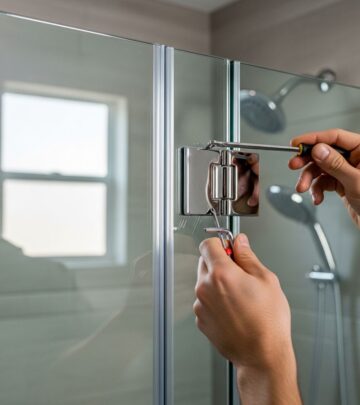
Installing Toggle Bolts: Step-By-Step Guide For Hollow Walls
Master the art of securing heavy items to hollow walls with toggle bolts.
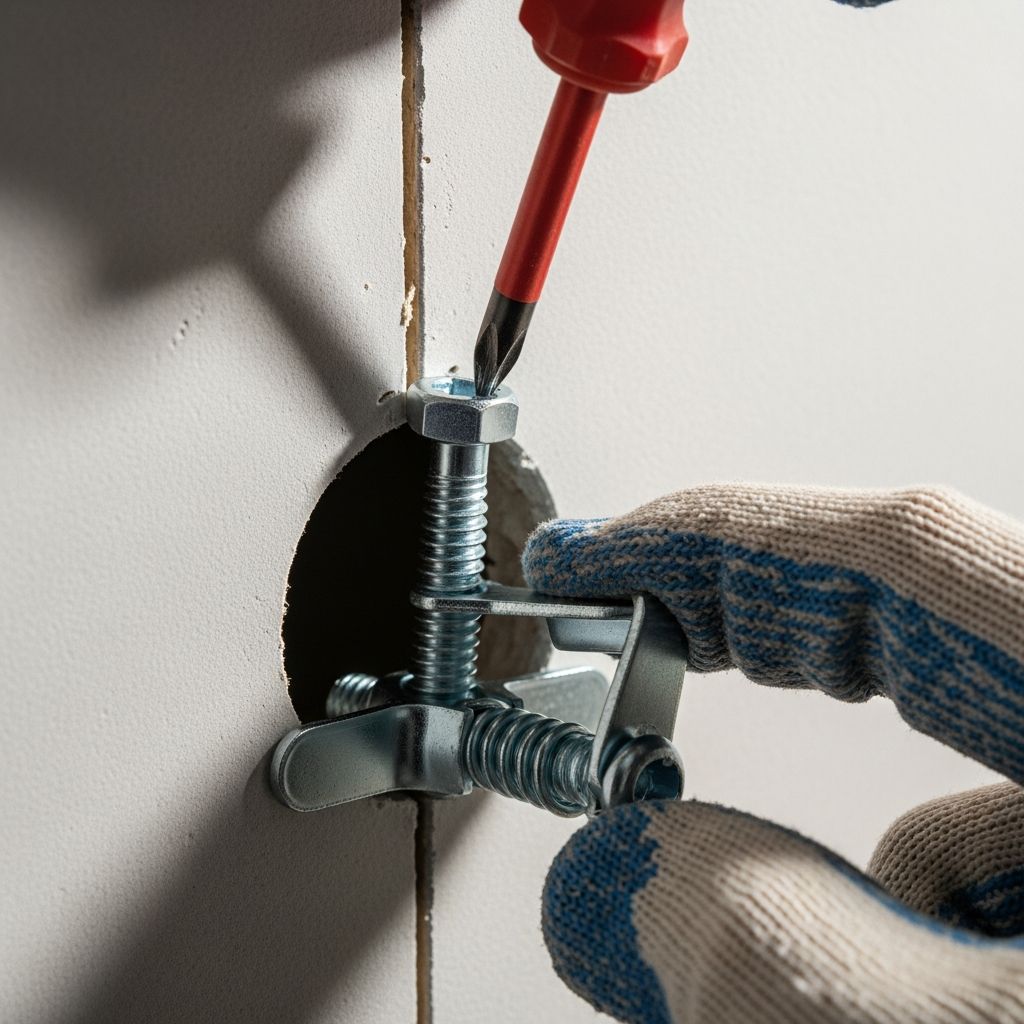
The Complete Process for Installing Toggle Bolts in Hollow Walls
When you need to hang something on a hollow wall or drywall, traditional nails and screws often fall short. Toggle bolts offer a superior solution for securing heavier items safely and reliably. These ingenious fasteners work by using small wings that spread behind the wall, distributing weight across a larger area and creating a strong anchor point. Whether you’re planning to install shelving, mount a television, hang artwork, or attach bathroom fixtures, understanding the proper installation technique is essential for both safety and longevity of your project.
Understanding How Toggle Bolt Mechanics Function
Before attempting installation, it’s important to understand the underlying mechanics of how toggle bolts achieve their holding power. The butterfly-shaped wings are compressed and inserted through a pre-drilled hole in the wall. Once past the wall surface, these wings spring open behind the drywall, creating a broad platform that distributes pressure across the interior surface. As you tighten the bolt, it pulls the object toward the wall while simultaneously pressing the wings harder against the back surface of the drywall. The larger the contact area between the butterfly wings and the drywall, the greater the load-bearing capacity and the heavier the object it can support.
The fundamental principle behind toggle bolt effectiveness lies in this distribution of force. Rather than concentrating all pressure on a single point like a standard screw would, toggle bolts spread the load across multiple inches of wall surface. This makes them capable of supporting significantly heavier objects than ordinary wall anchors, with some models rated for weights exceeding 50 pounds depending on the wall material and bolt specifications.
Gathering the Necessary Tools and Materials
Successful installation begins with having all the right equipment on hand. Proper preparation prevents frustration and ensures a professional-quality result. Here’s what you’ll need to gather before starting your project:
- Toggle bolts in the appropriate size for your project weight requirements
- Drill with variable speed settings
- Drill bit set including both starter bits and larger diameter bits matching your toggle bolt size
- Measuring tape for accurate positioning
- Pencil or marker for marking hole locations
- Screwdriver or power driver for tightening
- Level to ensure proper alignment of installed items
- Stud finder to verify no structural elements are present
- Electrical outlet tester to detect live wires in the wall
The most critical tools are your drill and the correct diameter drill bits. Using the wrong bit size is one of the most common mistakes that leads to installation failures. Toggle bolts come in various sizes, typically ranging from one-quarter inch to three-eighths inch diameters. Each size requires a corresponding hole diameter, usually about one-half inch for quarter-inch bolts and three-quarter inch for larger variants.
Preparing Your Installation Area
Location selection is perhaps the most important step in the entire process. Taking time to properly prepare your installation area prevents costly mistakes and safety hazards. Begin by identifying exactly where you want to install your item. Use a level and measuring tape to mark the precise location, accounting for proper alignment and visual balance. If you’re installing multiple fasteners, measure carefully to ensure even spacing and alignment.
Safety must be your primary concern when selecting a location. Before drilling any holes, you must verify that no electrical wiring, plumbing pipes, or other utilities run behind the intended installation point. Use an electronic stud finder that can detect metal and electrical wiring. These devices are inexpensive and widely available at home improvement stores. Additionally, use an electrical outlet tester near your intended hole location to detect live wires. If you’re working near an outlet or switch, exercise extra caution as these areas typically contain active electrical circuits.
The wall type also matters significantly for toggle bolt selection. Toggle bolts work best in hollow drywall but can also be used in plaster, fiberglass, and other hollow wall materials. For solid wood studs or masonry, different fastening methods are more appropriate. If your location falls on a stud, it’s actually preferable to use wood screws directly into the stud, as this provides superior holding power without needing anchors.
Creating the Initial Hole in Your Wall
Proper hole preparation sets the stage for successful bolt installation. This process involves two distinct drilling steps, each serving a specific purpose. Start with your smaller starter bit—typically one-eighth inch in diameter—to create an initial pilot hole at your marked location. This starter hole serves multiple purposes: it prevents the drill bit from wandering across the wall surface, it helps the larger bit stay centered on your mark, and it gives you confidence in your chosen location before committing to the larger hole.
Once your starter hole is established, switch to your larger drill bit that matches your toggle bolt specifications. Insert the bit slowly and carefully, maintaining steady pressure and ensuring the bit remains perpendicular to the wall. Rushing this step or tilting the drill can result in an irregularly shaped hole, which prevents the toggle wings from inserting properly. Drill until you’ve created a clean hole that extends completely through the drywall. You’ll feel slight resistance as the bit breaks through the back layer of the drywall.
Clean away any drywall dust or debris from around the hole opening. This not only improves the appearance but also ensures the threaded fastener can sit flush against the wall when installation is complete. A clean hole also allows you to hear the toggle wings spring open more clearly, providing confirmation that the installation is proceeding correctly.
Assembling Your Toggle Bolt Assembly
Before attempting to insert anything into your wall hole, you must properly assemble all components. This assembly happens outside the wall, allowing you to control the process and ensure everything is positioned correctly. Begin by threading the bolt through the object you intend to hang or mount. Position the bolt so it extends far enough through your item to allow the toggle wings to attach properly on the opposite side.
Next, screw the butterfly wings onto the end of the bolt. This step requires attention to detail regarding the direction the wings face. The wings must be oriented so they extend perpendicular to the object being hung. If the wings face the wrong direction, they won’t deploy properly when inserted into the wall, and your installation will fail. Most toggle bolt designs have a specific orientation marked or obvious from the shape of the components.
Continue threading the wings onto the bolt until they are positioned at approximately the right distance from your mounting object. There should be enough space between the object and the wings to allow the entire assembly to fit through your pre-drilled hole. The wings should be far enough out that when fully compressed, they still have enough bolt length extending beyond them to provide proper wall penetration. If you position them too close to your object, the wings won’t be able to open fully behind the wall. If positioned too far, the bolt may not thread sufficiently into the wings for secure fastening.
Inserting the Assembled Toggle Bolt
Now comes the moment where your preparation pays off. You’re ready to insert the assembly into the wall. Hold the butterfly wings firmly against the bolt, compressing them tightly together. This compressed configuration is essential—the wings must remain pinched together as they pass through the hole, or they’ll catch on the drywall edges and prevent insertion.
With the wings compressed, gently push the entire assembly through the pre-drilled hole. Push steadily and firmly but avoid excessive force, which might damage the wings or the surrounding drywall. As the wings pass completely through the hole and enter the hollow space behind the drywall, they will suddenly spring open. This spring-opening moment is unmistakable—you’ll typically hear a slight sound or feel a distinct change in resistance as the wings expand into their open position behind the wall.
Once you’ve pushed the assembly through and the wings have opened, you should stop pushing. The wings are now deployed and anchored against the interior surface of the drywall. Pushing further could damage these wings or prevent them from making full contact with the wall surface.
The Critical Tightening Process
Proper tightening is where many people encounter difficulties with toggle bolts. The most common problem occurs when people attempt to tighten without first ensuring the wings are properly braced against the interior wall surface. If the wings aren’t resting firmly on the inner surface, the bolt will simply spin without tightening, no matter how much force you apply. This spinning sensation is your signal that something is wrong.
To correct this situation before it becomes a problem, gently pull the bolt toward you (away from the wall) before beginning to tighten. This pulling motion causes the wings to press more firmly against the back of the drywall, creating the proper braced position. Once you feel confident the wings are properly positioned, you can begin tightening with your screwdriver or power driver.
Tighten gradually and steadily, checking frequently that the object you’re mounting remains aligned and level. As the bolt tightens, it pulls your object closer to the wall while simultaneously pressing the wings harder against the interior drywall surface. This dual action creates an incredibly strong bond capable of supporting substantial weight. Continue tightening until the object is securely fastened but avoid over-tightening, which could strip the bolt threads or damage the surrounding drywall.
Verification and Final Adjustments
After tightening, take a step back and examine your installation. Check that the mounted object is level using your level tool. Look at the bolt head to ensure it’s sitting flush against your mounting object with no gaps. Examine the area around the hole to confirm there are no visible cracks in the drywall or other damage. Gently try to move or twist the mounted object—it should feel solid and immovable.
Test the holding power by gently applying downward pressure on the mounted object. Professional installations will show absolutely no movement or deflection. If you notice any movement, the installation hasn’t fully set, and you should tighten the bolt further. Once everything checks out, your installation is complete and ready to support its intended load.
Troubleshooting Common Installation Problems
| Problem | Cause | Solution |
|---|---|---|
| Bolt spins without tightening | Wings not braced against back of wall | Pull bolt outward to press wings against wall surface before tightening |
| Wings won’t fit through hole | Hole diameter too small | Use larger drill bit to enlarge hole to proper size for your toggle bolt |
| Object won’t sit flush against wall | Bolt assembly positioned incorrectly | Remove bolt, reposition wings at correct distance, and reinstall |
| Drywall cracking around hole | Over-tightening or wall material damaged | Stop tightening immediately; use lighter pressure next time |
| Installation feels loose after completion | Bolt wasn’t tightened sufficiently | Continue tightening gradually until object is completely secure |
Special Considerations for Damaged or Previously Drilled Walls
If you’re working with a wall that already has holes from previous installations, toggle bolts offer an excellent solution for remedying these situations. When a standard screw hole is too large or too damaged to hold a regular fastener, a toggle bolt can rehabilitate that location. To use this technique, thread a washer and nut onto your bolt in addition to the toggle wings. Install the toggle bolt assembly normally, and then tighten the nut against the washer. This distributes the fastener load across a wider area of the damaged wall, allowing secure installation even where the wall has been previously compromised.
Weight Ratings and Selecting the Right Size
Different toggle bolt sizes accommodate different weight requirements. Quarter-inch toggle bolts typically support between 35 and 50 pounds in standard drywall, while three-eighth-inch bolts can support weights exceeding 100 pounds. The wall material also affects holding capacity—toggle bolts perform differently in gypsum drywall, plaster, fiberglass insulation backing, and other materials. Always consult the manufacturer’s specifications for your specific bolt size and wall type. When in doubt, select a larger toggle bolt than minimum requirements to provide a safety margin and ensure long-term reliability of your installation.
Frequently Asked Questions About Toggle Bolt Installation
Q: Can toggle bolts be removed and reused?
A: Toggle bolts can technically be removed, but the wings cannot be easily retrieved. Once removed, you’ll need new toggle bolts for future installations. The existing hole can accommodate a new toggle bolt at the same location.
Q: What’s the maximum weight toggle bolts can hold?
A: Weight capacity depends on bolt size, wall material, and installation quality. Standard quarter-inch bolts hold 35-50 pounds, while larger three-eighth-inch models can exceed 100 pounds. Always verify specifications for your specific product.
Q: Can toggle bolts be installed in plaster walls?
A: Yes, toggle bolts work well in plaster, though plaster requires careful drilling to prevent cracking. Use slower drill speeds and support the wall behind the installation area if possible.
Q: What happens if I drill the hole too large?
A: If the hole is significantly oversized, the toggle wings might pass through without opening properly. You can sometimes remedy this with a larger toggle bolt size, but if too large, you may need to patch the hole and start over.
Q: How do I remove a toggle bolt if needed?
A: Remove the bolt by turning counterclockwise until it comes free. The wings remain inside the wall behind the drywall and cannot be retrieved. If you need to use that hole again, simply install a new toggle bolt at the same location.
References
- How To Install Toggle Bolts – Step-by-Step — Anika’s DIY Life. 2024. https://www.anikasdiylife.com/how-to-install-toggle-bolts/
- How to Install Toggle Bolts — AFT Fasteners. 2024. https://www.aftfasteners.com/blog/how-to-install-toggle-bolts/
- Fastener Standards and Specifications — ASTM International. https://www.astm.org/
Similar Articles








Read full bio of Sneha Tete