Why Is Your Toilet Gurgling? Causes and Solutions
Learn what causes toilet gurgling and how to fix it before it becomes an expensive problem.
Why Is Your Toilet Gurgling? A Complete Guide to Causes and Solutions
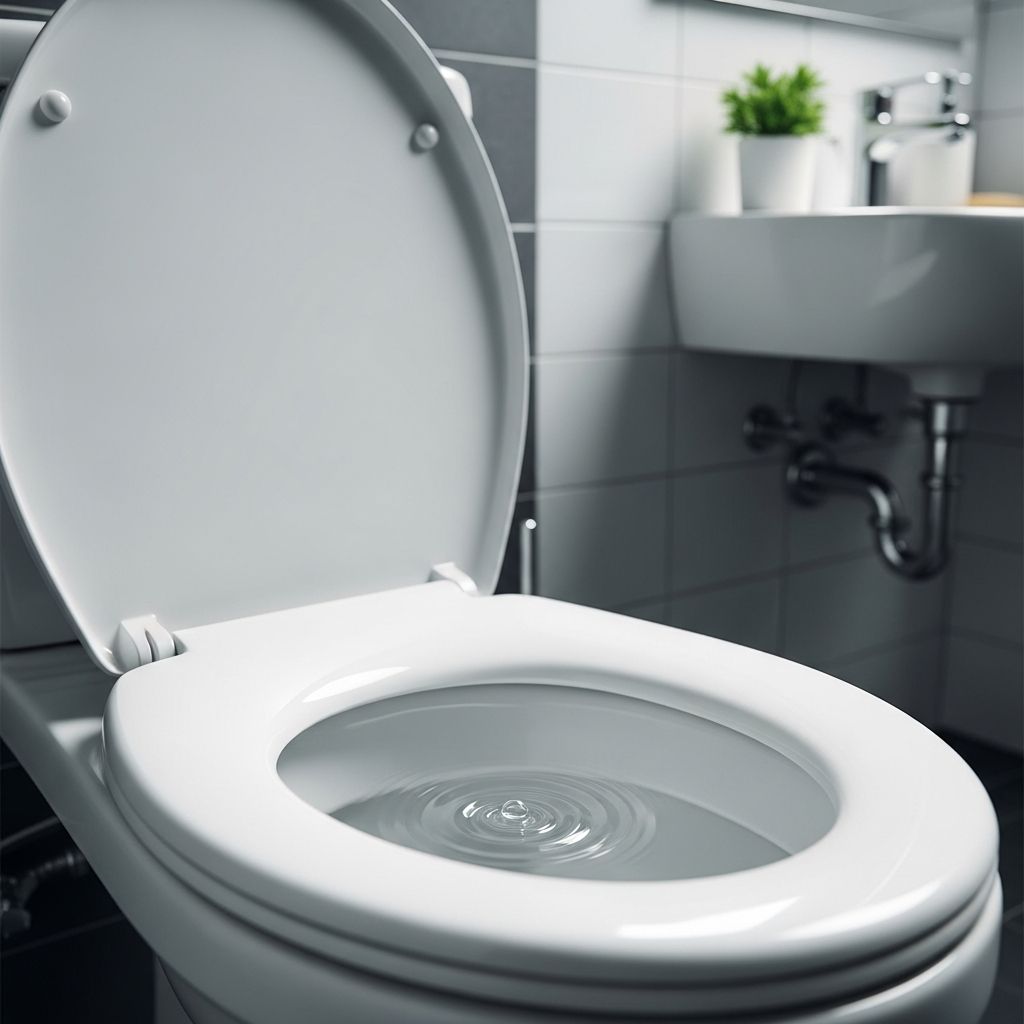
A gurgling toilet is more than just an annoying sound—it’s a warning sign that something isn’t quite right with your plumbing system. When you hear those strange bubbling or gurgling noises coming from your toilet, especially after flushing, it’s your home’s way of telling you that air is trapped where it shouldn’t be. Understanding what causes these sounds is the first step toward fixing the problem before it escalates into a more serious and costly plumbing emergency.
The gurgling sound typically occurs when water is trying to flow through a restricted pathway, and air bubbles are released as a result. This disruption in the normal flow of water and air through your plumbing system can indicate anything from a simple clog to a more complex issue with your main sewer line. Let’s explore the various causes of toilet gurgling and discuss the solutions that can help you address this common household problem.
Understanding Your Plumbing System’s Design
To effectively troubleshoot a gurgling toilet, it helps to understand how your plumbing system works. Your home’s plumbing system is designed with a careful balance of water flow and air circulation. Water needs to move through drain pipes toward the sewer or septic system, while air needs to escape through vent pipes that run through your roof. This balance is crucial for proper drainage and to prevent unpleasant sewer gases from entering your home.
When this balance is disrupted—whether by a clog, a blocked vent, or a sewer line problem—air gets trapped in unexpected places. As water tries to navigate around the obstruction, it creates those characteristic gurgling or bubbling sounds. The location and frequency of these sounds can actually give you clues about where the problem originates in your plumbing system.
Common Causes of Toilet Gurgling
Partial or Full Drain Clog
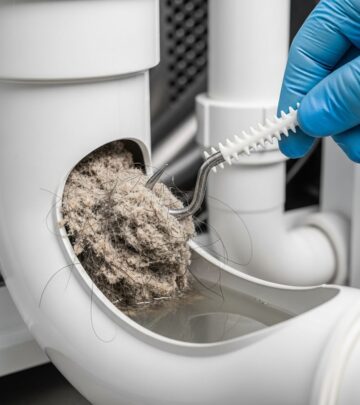
The most common culprit behind a gurgling toilet is a blockage somewhere in the drain line. When water attempts to flow past a clog, it creates air pockets that produce that distinctive gurgling sound. A partial clog allows some water to pass through, but the disrupted water flow still produces air bubbles. A full clog, on the other hand, stops water flow completely, which may cause backups in other drains throughout your home.
The signs of a drain clog are fairly straightforward to identify. Water may drain slowly from your toilet or nearby sinks, and the gurgling sound typically occurs immediately after flushing. In more serious cases, you might notice water backing up into your shower or bathtub. These backup situations require prompt attention, as they can lead to water damage and create unsanitary conditions.
Common culprits that create these clogs include excessive toilet paper, items that should never be flushed (such as baby wipes, feminine hygiene products, and paper towels), hair, soap scum, and grease accumulation. Low-flow toilets, which became common in the mid-1990s due to water conservation requirements, are particularly prone to clogging because they use less water per flush, making it harder for waste to move through the pipes efficiently.
Blocked Vent Pipe
Your plumbing system relies on vent pipes to maintain proper air pressure and allow air to escape safely through your roof. Think of these vent pipes as straws in a glass of water—as long as the top remains clear, everything flows smoothly. When a vent pipe becomes blocked by leaves, debris, bird nests, or other obstructions, air cannot escape properly, creating negative pressure that disrupts water flow and causes gurgling sounds.
You can identify a blocked vent pipe by observing several telltale signs. If multiple drains throughout your home are gurgling—not just your toilet—the problem likely lies with a blocked vent pipe. Gurgling sounds may come from sinks, tubs, and showers, not just the toilet. Additionally, you might notice a foul sewer smell near the roof vent or in your home’s plumbing area. This smell occurs because the vent pipe’s primary function includes preventing sewer gases from backing up into your living spaces.
Sewer Line Problems
A gurgling toilet could indicate a more serious issue with your main sewer line. The pipes in the main sewer line can become corroded over time, or grease and debris can accumulate significantly, creating blockages. Tree roots seeking moisture are another common cause of main sewer line damage—trees planted over the drain line often have their roots invade the nutrient-rich sewage pipes, causing cracks and blockages.
Problems with the main sewer line are more concerning than simple toilet clogs because they can lead to wastewater backing up into your home if left unchecked. This situation poses health risks and can result in significant water damage and costly repairs. Warning signs include persistent gurgling throughout your home’s plumbing system, slow drainage in multiple fixtures, and sewage backup in the lowest drains of your home.
Toilet Trap Blockage
The toilet trap is a curved section of the toilet’s drain pipe that serves an important purpose—it retains a small amount of water to prevent sewer gases from entering your home. If this trap becomes blocked by an object or excessive waste, it can cause air bubbles to appear when you flush. Items commonly responsible for trap blockages include dental floss, disposable tissues, and sanitary napkins that should never have been flushed in the first place.
Septic Tank Issues
If your home operates on a septic system rather than a municipal sewer line, a gurgling toilet might indicate that your septic tank is nearing capacity or has reached full capacity. Septic systems require regular maintenance and periodic pumping to function properly. When the tank is full, it can’t accept additional wastewater, leading to backups and gurgling sounds throughout your plumbing system.
Water Pressure Problems
Sometimes, bubbling sounds originating from your toilet result from high water pressure running through the pipes. If the pressure is too strong, it can produce gurgling sounds in the toilet bowl. When a clog is present in the pipes, the movement of this pressure becomes disrupted, creating a suction-like effect that allows air to escape, typically through your toilet.
Low-Quality Toilet Paper
Not all toilet paper breaks down equally in your plumbing system. Some products, despite appearing luxurious, contain materials that don’t decompose easily. If your toilet has started producing gurgling sounds, there may already be toilet paper accumulation deep in the drain line. Switching to a higher-quality, septic-safe toilet paper brand can help prevent future issues.
Diagnosing Your Specific Problem
Before you attempt any fixes, take time to observe the gurgling behavior carefully. Is it coming from just your toilet, or are other drains in your home also affected? Does it happen immediately after flushing, or at random times? Are you seeing slow drainage or water backups? These observations will help you narrow down the cause.
If only your toilet is gurgling, the problem is likely confined to the toilet’s drain line or trap. If multiple drains are affected, you’re probably dealing with a blocked vent pipe or a problem in the main sewer line. The presence of a sewer smell strengthens the case for a blocked vent pipe, while water backing up into multiple fixtures suggests a more serious sewer line or septic issue.
How to Fix a Gurgling Toilet
Step 1: Plunge the Toilet
Start with the simplest solution: using a flange plunger, which is specifically designed for toilets. Ensure there’s enough water in the bowl to cover the suction cup of the plunger. Place the plunger over the drain opening at the bottom of the toilet bowl, creating a tight seal. Push down firmly, then pull up quickly, repeating this motion for about 30 seconds to create pressure and dislodge minor blockages. The goal is to generate enough suction to break up any blockages in the toilet trap or drain line.
Step 2: Use a Drain Snake
If plunging doesn’t resolve the issue, try using a drain snake, also called a toilet auger. Insert the snake’s flexible cable into the toilet drain and slowly twist and push while applying gentle pressure. This action can help break up and remove stubborn clogs that simple plunging couldn’t dislodge. Work carefully to avoid damaging the toilet’s porcelain, and continue until you feel the blockage break apart or you’ve reached the end of the accessible drain line.
Step 3: Check the Vent Pipe
If you’re comfortable working at heights, use a ladder to inspect the vent pipe on your roof. Look for debris like leaves, bird nests, branches, or other obstructions that may be blocking airflow. Carefully remove any visible blockages, being careful not to damage the pipe itself. If you’re uncomfortable working on your roof or find significant damage, this is a good time to call a professional.
Step 4: Inspect Other Drains
Run water in your sinks, tubs, and showers to see if they also gurgle. If multiple drains in your home produce the same sound, the issue likely originates deeper in your plumbing system—in the vent stack, main sewer line, or septic system. This information is valuable to share with a professional plumber if you need to call one.
Step 5: Try Natural Drain Cleaners
You can attempt to clear minor blockages using natural drain cleaners, such as a mixture of baking soda and vinegar. Pour about half a cup of baking soda down the drain, followed by half a cup of vinegar. Let the mixture sit for several hours or overnight, then flush with hot water. Avoid commercial chemical drain cleaners, as they can damage your pipes and are harmful to the environment.
Step 6: Call a Professional Plumber
If the problem persists after trying these steps, professional help is necessary. A licensed plumber has access to specialized equipment and expertise to diagnose and fix more complex issues. They can use video camera inspection to see inside your pipes and identify the exact location and nature of the blockage. For stubborn clogs, plumbers can use hydro jetting—a high-pressure water spray that effectively clears even serious blockages without damaging pipes.
When to Call a Professional
Don’t wait too long to seek professional help if home remedies aren’t working. Small warning signs like occasional gurgling can quickly develop into serious plumbing emergencies if ignored. A professional plumber can help if you notice persistent gurgling despite your efforts, water backing up into multiple drains, or a strong sewer smell in your home. These situations often require professional-grade equipment and expertise to resolve properly.
Prevention Tips
The best approach to toilet gurgling is prevention. Be mindful of what you flush—only human waste and toilet paper should go down your toilet. Avoid flushing baby wipes, feminine hygiene products, paper towels, dental floss, and any other items that don’t break down like toilet paper does. Use septic-safe, high-quality toilet paper that breaks down easily. If you have an older low-flow toilet, consider upgrading to a newer model designed with improved flushing power. Regular plumbing maintenance, including septic tank pumping if applicable, can also prevent many problems before they start.
Understanding the Risks
A gurgling toilet is not just an annoyance—it’s a warning sign of a plumbing issue that could become serious. Blocked vent pipes, partial sewer line clogs, or overfilled septic tanks can all disrupt airflow and cause bubbling, slow drainage, and backups. Left unchecked, these small warning signs can turn into costly plumbing emergencies that require extensive repairs or even complete pipe replacement. Additionally, sewer line backups pose health risks and can contaminate groundwater and your home’s living spaces.
Frequently Asked Questions (FAQs)
Q: Is a gurgling toilet dangerous?
A: A gurgling toilet itself isn’t immediately dangerous, but it indicates an underlying plumbing problem that could become serious. If the gurgling is caused by sewer line issues or septic tank problems, there’s potential for sewage backup into your home, which poses health risks.
Q: Can I fix a gurgling toilet myself?
A: For simple clogs, yes—plunging or using a drain snake might resolve the issue. However, if the problem involves your vent pipe, main sewer line, or septic system, professional help is necessary. When in doubt, it’s better to consult a plumber than risk causing additional damage.
Q: How much does it cost to fix a gurgling toilet?
A: The cost varies depending on the cause. Simple clogs might cost $100-$300 to clear with a plunger or snake. Vent pipe cleaning could range from $150-$400. Main sewer line issues are more expensive, potentially costing $3,000-$25,000 or more if pipes need replacement.
Q: Why does my toilet only gurgle sometimes?
A: Intermittent gurgling often indicates a partial clog or minor vent pipe obstruction. As water levels and pressure change throughout the day, the gurgling may only occur under certain conditions. It’s still worth investigating, as partial clogs often develop into complete blockages.
Q: Can tree roots cause toilet gurgling?
A: Yes, tree roots seeking moisture can infiltrate and damage sewer pipes, causing blockages that lead to gurgling throughout your home’s plumbing system. This is a serious issue that requires professional attention and often involves pipe replacement.
Q: What should I do if my toilet gurgles and water backs up into my shower?
A: This indicates a blockage in your main sewer line or a problem with your vent system. Stop using your plumbing fixtures immediately and call a professional plumber right away to prevent further backup and potential water damage.
Q: How often should I have my plumbing system inspected?
A: For most homes, a professional plumbing inspection every 1-2 years is recommended. If you have an older home, a septic system, or have experienced plumbing problems, annual inspections are advisable to catch issues early before they become emergencies.
References
- Why Is My Toilet Gurgling? — WeCo Rooter. 2024. https://wecorooter.com/why-is-my-toilet-gurgling/
- Why Is My Toilet Bubbling/Gurgling? – A Florida Plumber Explains — Cool Today. 2024. https://www.cooltoday.com/blog/why-is-my-toilet-bubbling-gurgling
- Toilet Gurgling: Causes and Prevention — Absolute Fix. 2024. https://absolutefix.com/uncategorized/toilet-gurgling-causes-and-prevention/
- Why Is My Toilet Gurgling & Is It Dangerous? — Cranney Home Services. 2024. https://www.cranneyhomeservices.com/blog/gurgling-toilet-sewer-clog-sign/
Similar Articles


Read full bio of Sneha Tete