Complete Guide to Replacing Toilet Seat Hinges
Learn how to fix wobbly hinges and restore your toilet seat functionality
Understanding When Your Toilet Seat Hinges Need Replacement
Toilet seat hinges are among the most frequently used components in any bathroom, yet they often go unnoticed until problems arise. The constant opening and closing, combined with exposure to moisture and temperature fluctuations, can gradually wear down these essential hardware pieces. Recognizing the signs of deteriorating hinges early can help you address issues before they become more serious.
Several indicators suggest your toilet seat hinges require attention. A wobbly or unstable seat that shifts when you sit down is perhaps the most obvious sign. This instability not only creates discomfort but can also pose safety concerns, particularly for elderly individuals or children. When hinges lose their grip, the seat no longer stays securely in place, making it unsafe and unreliable.
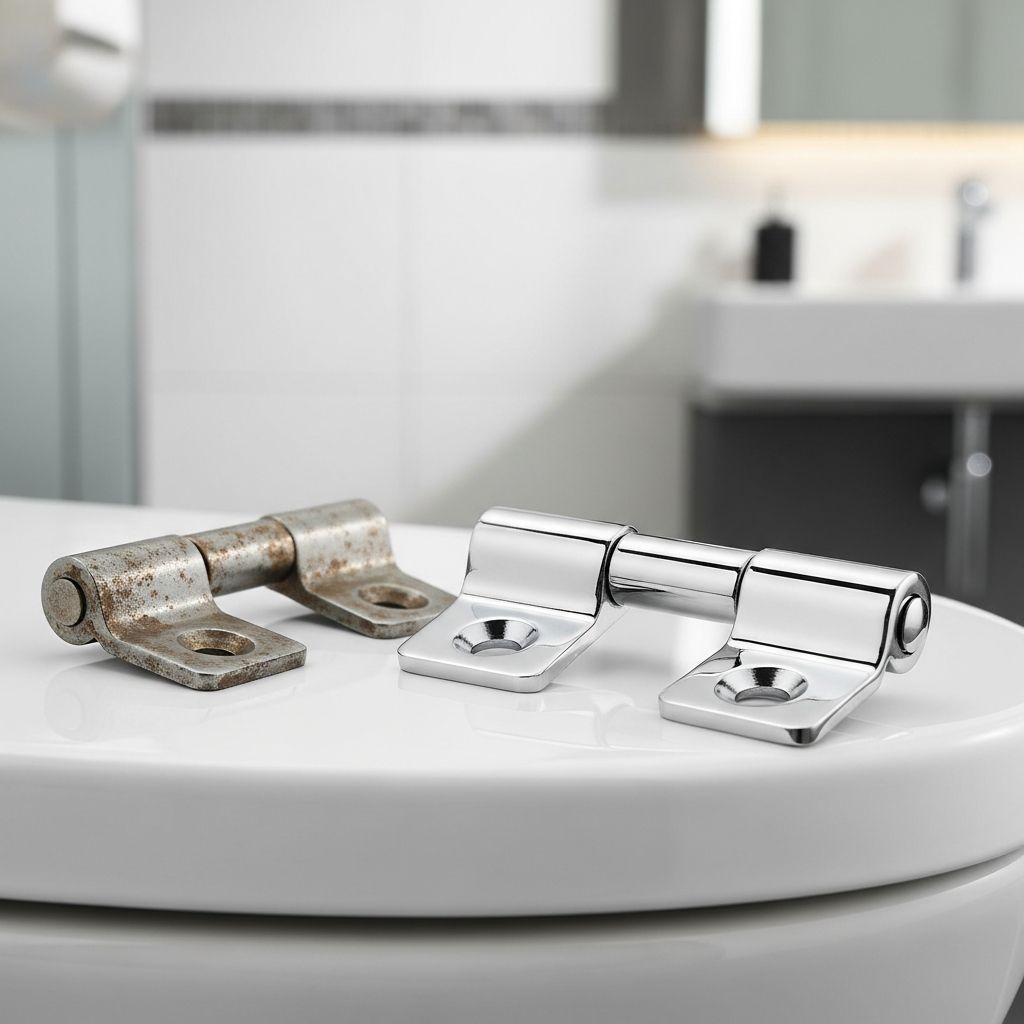
Difficulty in smoothly raising or lowering the seat indicates structural damage to the hinge assembly. The seat may feel stiff, require excessive force to move, or may not stay in an open position without manual support. Additionally, visible rust or corrosion on metal hinges signals deterioration that will only worsen with time. Rusty hinges not only look unsightly but also compromise the mechanical integrity of the entire assembly.
If your toilet seat emits squeaking or creaking sounds during normal use, the hinges are likely experiencing friction from wear or misalignment. Some modern toilets feature soft-close mechanisms that may stop functioning properly if the internal dampers become loose or fail. In these cases, the seat may slam shut unexpectedly or close too slowly.
Assembling Your Tools and Materials
Successful hinge replacement begins with gathering the right equipment. Unlike some home improvement projects that require specialized tools, toilet seat hinge replacement uses basic items most homeowners already possess.
Essential Tools You’ll Need
- Screwdriver set: Both Phillips and flathead varieties are typically needed, as bolts and fasteners vary in design
- Wrench or socket set: For loosening and tightening nuts beneath the toilet bowl
- Needle-nose pliers: Particularly useful for manipulating dampers and handling small fasteners
- Cleaning supplies: Brush, cloth, and mild detergent to clean the hinge area before installation
- Rust remover: Essential if existing bolts are corroded or stuck
Materials for the Job
- Replacement hinges: Universal toilet seat hinges compatible with your specific toilet model
- Rubber washers: Often included with new hinges, these prevent damage and ensure proper seating
- Bolts and nuts: Usually supplied with quality replacement hinge kits
- Protective gear: Gloves to protect your hands from sharp edges and rust particles
When selecting replacement hinges, prioritize durable materials such as stainless steel or reinforced plastic. These materials resist corrosion and maintain functionality for years. Many modern hinges incorporate rotary dampers for soft-close functionality, which adds comfort and safety to the bathroom experience.
The Removal Process: Taking Off Your Old Hinges
Before beginning any work, ensure the toilet lid is in the closed position and the bathroom is well-lit. This prevents accidents and makes the task easier to complete.
Accessing the Hinge Assembly
Look toward the back of the toilet seat where you’ll find plastic hinge covers protecting the fastening mechanism. These covers serve both functional and aesthetic purposes. To access them, curl your fingers underneath the plastic overhang at the rear of the hinge and pull straight upward with steady pressure.
Once the plastic covers are removed or open, you’ll have clear visibility of the bolts and the hinge assembly. The hinge attachment points will now be fully exposed, allowing you to proceed with removal.
Removing the Toilet Seat
With both hinges now accessible, firmly grasp the toilet seat on either side and pull it straight forward toward you. The seat should slide smoothly off the toilet bowl. If resistance occurs, check that both hinge covers are fully open and not catching on the seat.
Set the toilet seat aside on a clean, flat surface where it won’t be in your way. A towel placed underneath prevents scratching the seat finish.
Detaching the Hinge Assembly
With the seat removed, you can now access the hinge bolts underneath the toilet bowl. Using your screwdriver, begin unscrewing the mounting bolts. If bolts are stubborn or corroded, spray them with rust remover and allow several minutes for the product to penetrate before attempting removal.
Work on one side at a time, removing the bolt completely and setting it aside. Some hinges feature damper cylinders that must be carefully extracted before the entire hinge assembly can be removed. Using needle-nose pliers, gently pinch and pull the dampers, extracting them only partially at first.
Once bolts and dampers are extracted, the hinge assembly should lift away from both the toilet seat and the bowl. Clean the mounting areas thoroughly to remove mineral deposits and debris that have accumulated over time.
Installation of Your New Hinges
The installation process mirrors the removal procedure in reverse, but requires careful attention to alignment and proper fastening.
Preparing the Mounting Surface
Before installing new hinges, thoroughly clean the mounting surfaces on both the toilet bowl and seat. Remove any mineral scale, rust residue, or debris using a brush and mild cleaning solution. This ensures proper contact between the new hinge assembly and the mounting surfaces.
Inspect the bolt holes to confirm they’re free of obstructions. If any holes appear stripped or damaged, you may need to drill new mounting points or use specialized repair fasteners.
Positioning and Securing the New Hinges
Align the new hinge assembly with the mounting points on the toilet bowl. Position the large mounting bolts through the hinge attachment points. Ensure rubber washers are properly positioned to protect surfaces and prevent loosening.
From underneath the bowl, thread the nuts onto the bolts by hand first, then use your screwdriver and wrench to tighten them securely. The seat should be snug but not over-tightened, as excessive force can damage the plastic seat or strip the mounting points.
Reassembling the Damper System
For hinges featuring soft-close dampers, re-insert each damper carefully, small-end first, into its designated compartment. You should feel resistance as the damper slides into position, and you may hear a slight click when it’s fully seated.
The tension of slow-close hinges can be adjusted by rotating the damper. If you find the seat closing too quickly or too slowly, you can fine-tune the dampers by rotating them partially out of their compartment and adjusting their position. Grip the exposed end with needle-nose pliers and rotate it in the direction that increases or decreases tension until you achieve the desired closing speed.
Reinstalling the Toilet Seat
With new hinges secured to the toilet bowl, carefully position the toilet seat to align with the hinge bolts protruding from the bowl. The holes in the hinge assembly on the seat must correspond exactly with these mounting bolts.
Push the seat straight forward until the hinges audibly click into place. This sound confirms proper engagement of the hinge mechanism. The seat should now be firmly attached and stable.
Close the plastic hinge covers by snapping them back into their original position. These covers protect the hinge assembly from moisture and debris while providing a finished appearance to the bathroom.
Testing and Adjustment
Before considering the job complete, perform thorough testing of your new installation. Gently press down on various points of the seat to confirm stability. The seat should not wobble, shift, or flex excessively when pressure is applied.
Slowly raise and lower the seat multiple times to ensure smooth operation. The motion should be fluid and consistent. If the seat feels stiff or sticky, check that bolts are properly tightened and that the hinge assembly is correctly aligned.
For seats with soft-close mechanisms, observe the closing speed. The lid should descend slowly and gently without slamming. If the closing action needs adjustment, you can further rotate the damper bolts to fine-tune the tension.
Long-Term Maintenance Tips
Proper maintenance extends the lifespan of your new hinges significantly. Periodically inspect the hinge area for signs of moisture accumulation or mineral buildup. Gentle cleaning with a soft brush and mild detergent prevents scale deposits that can interfere with hinge operation.
Avoid harsh chemical cleaners that may corrode metal hinges or degrade plastic components. Every few months, check that mounting bolts remain tight and haven’t loosened from daily use. A simple retightening prevents wobbling before it becomes problematic.
Keep the hinge covers clean and ensure they close properly, as they protect the internal mechanism from direct moisture exposure. If you notice any creaking or unusual sounds developing, apply a small amount of silicone-based lubricant to the hinge joints, but avoid oil-based products that attract dust.
Common Installation Mistakes to Avoid
Several errors frequently compromise hinge installation. Misalignment of the hinge assembly is a leading cause of wobbly seats. Ensure bolts pass straight through and hinges sit flush against mounting surfaces. Poor alignment creates gaps that allow movement even when bolts are tight.
Failing to properly seat rubber washers between bolts and mounting surfaces can lead to bolt loosening over time. These washers distribute pressure and prevent direct metal-to-plastic contact that promotes deterioration.
Over-tightening bolts damages plastic components and strips threads, making subsequent tightening impossible. Tighten until snug, then back off slightly. The goal is secure fastening without excessive force.
Installing hinges offset or at angles results in an uneven seat that rocks side to side. Take time to ensure the hinge assembly is perfectly perpendicular to the toilet bowl before fully tightening.
When Professional Help Is Needed
Most toilet seat hinge replacements are straightforward enough for average homeowners. However, certain situations warrant professional assistance. If mounting bolt holes are severely stripped or damaged, a plumber can often install threaded inserts to create secure fastening points.
If the toilet bowl itself is cracked around the hinge mounting area, professional repair or replacement may be necessary. Attempting to install hinges on a damaged bowl will only worsen the problem.
If you encounter corrosion so severe that bolts cannot be extracted without risk of damage, or if you’re uncomfortable working with the tools required, professional help ensures the job is completed safely and correctly.
Frequently Asked Questions
How long does toilet seat hinge replacement typically take?
For someone with basic DIY experience, the entire process usually takes between 30 minutes to one hour. First-time replacers may require additional time to locate all components and become comfortable with the procedure.
Are universal hinges compatible with all toilet models?
Most modern toilets use standard hinge mounting patterns, making universal hinges a good choice. However, some older or specialized toilet models may require specific hinge designs. Measure your existing hinges and compare with replacement options before purchasing.
Can I replace just one hinge instead of both?
While technically possible, replacing both hinges simultaneously ensures balanced support and prevents future misalignment. The cost difference is minimal, and replacing both guarantees uniform wear characteristics.
What should I do if the plastic hinge covers won’t snap back closed?
Check that the hinge assembly is properly seated before attempting to close covers. Misaligned hinges prevent covers from fitting. If alignment is correct, ensure no debris or fastening components are blocking the cover’s path.
How often should toilet seat hinges be replaced?
Quality hinges typically last 5-10 years with normal use. Factors like water quality, temperature fluctuations, and usage frequency affect lifespan. Replace hinges whenever you notice the signs mentioned earlier, rather than on a strict schedule.
Final Thoughts
Replacing toilet seat hinges is a manageable home improvement project that restores comfort, safety, and functionality to your bathroom. By gathering the proper tools, following systematic procedures, and paying attention to alignment and fastening, you can successfully complete this repair yourself. The investment in quality replacement hinges pays dividends through years of reliable, quiet operation and enhanced bathroom comfort.
References
- Step-by-Step Guide to Toilet Seat Hinge Replacement — Longway Damper. May 28, 2025. https://ar.longwaydamper.com/step-by-step-guide-to-toilet-seat-hinge-replacement
- How to Fix Wobbly Toilet Seat Hinges — iFixit Repair Guide. https://www.ifixit.com/Guide/How+to+Fix+Wobbly+Toilet+Seat+Hinges/140776
- Replacing Broken Toilet Seat Hinges — YouTube. https://www.youtube.com/watch?v=yzNIRLcWyoY
- Fix Loose Toilet Seat – Replace Hinge Bolts – EASY DIY — YouTube. https://www.youtube.com/watch?v=jXav7anmYNQ
- The Ultimate Guide to Replacement Toilet Seat Bar Hinges — Toilet Seat Store. https://www.toiletseatstore.co.uk/blogs/upgrading-your-bathroom-the-ultimate-guide-to-replacement-toilet-seat-bar-hinges
- VIDEO – Quiet-Close™ Toilet Seats Hinge and Damper Replacement — Kohler Assist. https://assist.kohler.com/en/toilets-and-seats/VIDEO-Quiet-Close-Toilet-Seats-Hinge-and-Damper-Replacement
Similar Articles








Read full bio of Sneha Tete