Top Dressing Indoor Plants: 5 Key Benefits & How-To
Revitalize your houseplants effortlessly with top dressing techniques that boost nutrients, retain moisture, and enhance growth without repotting.
Top Dressing Indoor Plants Guide
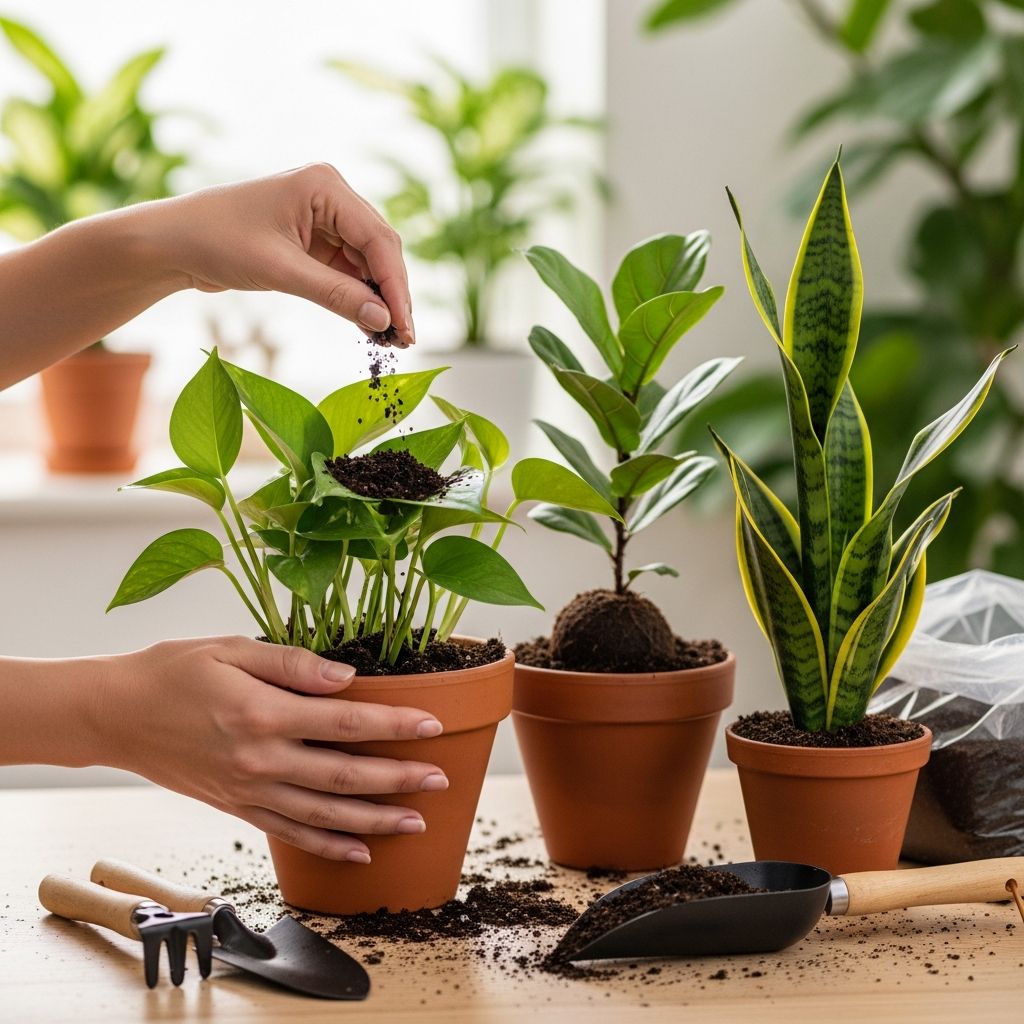
Top dressing indoor plants offers a practical method to rejuvenate soil surfaces, delivering essential nutrients and improving overall plant vitality without the disruption of complete repotting. This technique suits a wide range of houseplants, from moisture-loving varieties to drought-tolerant succulents, promoting healthier roots and lush foliage through targeted soil enhancement.
Understanding the Fundamentals of Top Dressing for Houseplants
At its core, top dressing involves applying a fresh layer of material directly onto the existing soil in plant pots, typically after removing a thin top layer of depleted soil. This approach replenishes organic matter and introduces beneficial microbes that aid in nutrient absorption, distinguishing it from full repotting by minimizing root disturbance. Unlike traditional mulching in outdoor gardens, indoor top dressing focuses on compact containers where soil compaction and salt buildup occur rapidly from regular watering and fertilization.
The process enhances soil structure by increasing aeration and water retention capacity, which is crucial for indoor environments with controlled humidity levels. Materials break down gradually, fostering bacterial activity and mycorrhizal fungi that support plant vigor. For instance, applying compost or amendments cools the soil surface, suppressing weed seeds—though less relevant indoors—and conserving moisture to reduce evaporation. This method proves especially valuable during growth seasons when plants demand more resources but cannot be safely transplanted due to size or seasonal constraints.
Key Advantages for Your Indoor Garden
Implementing top dressing yields multiple benefits that elevate houseplant care. Primarily, it restores nutrient levels at the soil surface where feeder roots concentrate, countering deficiencies evident in yellowing leaves or stunted growth. By replacing compacted topsoil, it prevents anaerobic conditions that lead to root rot, a common issue in overwatered pots.
- Nutrient Replenishment: Introduces slow-release organics like compost, providing steady potassium, nitrogen, and phosphorus without fertilizer spikes.
- Moisture Management: Materials such as moss or mulch layers reduce surface drying, maintaining consistent hydration for tropical species.
- Pest Mitigation: A fresh barrier discourages fungus gnats by eliminating breeding sites in old, crusty soil.
- Soil Cooling and Structure: Lowers temperature fluctuations and improves drainage, benefiting sun-exposed plants.
- Aesthetic Enhancement: Decorative elements like pebbles create polished displays while stabilizing pots.
Studies and practical observations confirm these gains; for example, top dressing with rich amendments annually transforms plant health, evidenced by vigorous new growth and deeper green hues. In controlled indoor settings, this practice extends the viability of root-bound specimens, delaying repotting needs by months or years.
Selecting the Right Plants for Top Dressing
Not all houseplants require identical care, but top dressing universally aids those showing fatigue from aged soil. Succulents and cacti thrive with gravel toppings that promote upright growth and excess water runoff, preventing soggy conditions. Orchids, with their epiphytic roots, benefit from sphagnum moss that mimics natural habitats by holding humidity without saturation.
Tropical foliage plants like monstera or philodendrons gain from compost layers during active growth phases, countering nutrient drawdown from rapid leaf production. Even established perennials in decorative pots, too heavy for repotting, receive a vitality boost via this surface refresh. Avoid seedlings or freshly propagated cuttings, as their tender roots need undisturbed media.
| Plant Type | Ideal Top Dressing | Primary Benefit |
|---|---|---|
| Succulents | River rocks or gravel | Drainage and stability |
| Orchids | Sphagnum moss | Humidity retention |
| Tropicals (e.g., Monstera) | Compost or worm castings | Nutrient boost |
| Ferns | Peat-based mulch | Moisture consistency |
Choose based on growth habits: drought-prone plants favor inorganic toppings, while humidity seekers prefer organics.
Essential Materials and Preparation Tips
Success hinges on quality materials tailored to plant needs. Mature compost stands out for its balanced nutrition and microbial life, ideal for general use without risking burn. Worm castings offer mild fertilization, rich in enzymes that cycle nutrients efficiently. For drainage-focused applications, perlite or pumice lightens heavy soils.
- Organic options: Compost, leaf mold, coir—decompose slowly for sustained release.
- Inorganic choices: Pebbles, lava rock, sheet moss—prioritize aesthetics and function.
- Avoid fresh manure or unsterilized mixes to prevent pathogens indoors.
Prepare by sourcing from reputable suppliers; test small amounts first to observe plant response. Layer thickness should measure 0.5 to 1 inch maximum to avoid smothering roots.
Step-by-Step Process for Effective Application
Timing aligns with spring or early summer for most plants, post-winter dormancy when roots actively uptake amendments. Winter applications suit nutrient boosts for evergreens.
- Assess and Water: Check for compacted, salty crusts. Lightly moisten soil 24 hours prior to loosen debris.
- Remove Old Layer: Gently scoop 1-2 inches using a spoon or fork, exposing root ball without damage. Dispose of spent soil.
- Apply Fresh Material: Spread evenly, pressing lightly for contact. Target 1/4 to 1/2 inch depth indoors.
- Water Thoroughly: Irrigate to settle, allowing excess drainage. Monitor for settling over a week.
- Maintain: Reapply every 6-12 months or as growth demands.
For awkward pots, use a vacuum for loose particles pre-application. This method, rooted in soil science, nourishes microbes vital for pest resistance and cycling.
Common Mistakes and Troubleshooting
Over-application risks root suffocation or anaerobic pockets; stick to thin layers. Ignoring plant type leads to mismatches—e.g., heavy mulch on succulents invites rot. Neglecting removal of old soil perpetuates issues like salt accumulation.
Troubleshoot yellowing post-treatment by diluting future fertilizers. If gnats persist, combine with neem oil. Scale back in low-light winters to prevent mold.
Long-Term Integration into Plant Care Routines
Incorporate top dressing into seasonal cycles: annually for high-demand plants, biannually for low-maintenance ones. Pair with proper lighting and humidity for synergy. Track progress via photos to refine techniques, ensuring sustained indoor jungle prosperity.
Frequently Asked Questions
What exactly is top dressing for houseplants?
Top dressing means adding a nutrient-rich or functional layer to the soil surface after clearing the old topsoil, refreshing pots without root disturbance.
Can all indoor plants use top dressing?
Yes, most benefit, particularly root-bound or nutrient-deficient ones; exceptions include very young seedlings.
Is compost safe as a top dressing indoors?
Mature, finished compost is ideal, supplying nutrients and microbes safely when applied thinly.
How often should I top dress my plants?
Every 6-12 months, or when soil crusts form, aligning with growth spurts.
Does top dressing prevent fungus gnats?
Yes, by replacing moist breeding grounds with dry, fresh barriers.
Advanced Techniques for Enthusiasts
Experiment with fertigation: dissolve mild fertilizers in water post-dressing for rapid uptake. Banding—placing amendments in shallow trenches—targets heavy feeders. Foliar complements root-zone efforts for holistic nutrition. Monitor pH shifts, adjusting with lime or sulfur-infused dressings.
References
- The Benefits of Top Dressing — East Bay Nursery. 2023. https://eastbaynursery.com/ebn-news-learn/the-benefits-of-top-dressing
- How To Top Dress Houseplants (2026) — Today’s Homeowner. 2026-02-05. https://todayshomeowner.com/lawn-garden/guides/how-to-top-dress-houseplants/
- The Art of Top Dressing: Giving Your Plants That Extra Boost — Orea Teai. 2023. https://www.oreateai.com/blog/the-art-of-top-dressing-giving-your-plants-that-extra-boost/af1eb8936b3b3037ebce80e7e2587379
- Top dressing Houseplants: What it is and Why it’s Important — Healthy Houseplants. 2023. https://www.healthyhouseplants.com/top-dressing-houseplants-what-it-is-and-why-its-important/
- Elevate Your Indoor Garden: The Benefits of Houseplant Mulch — Soil Sunrise. 2023. https://soilsunrise.com/blogs/news/elevate-your-indoor-garden-the-benefits-of-houseplant-mulch-as-a-top-dressing
- Why I put top dressing on ALL my houseplants — YouTube (TheSoilBar.co). 2023. https://www.youtube.com/watch?v=qYDIDv8risE
- TOP DRESSING HOUSEPLANTS FOR FERTILIZER & MICROBES — YouTube (Gardening In Canada). 2021-03-08. https://www.youtube.com/watch?v=JEmIcnOGYaQ
Similar Articles






Read full bio of Sneha Tete