Toxic Plants Dangerous to Children
Protect your kids from common household and garden plants that can cause serious harm—learn to identify and avoid these hidden dangers in your home.
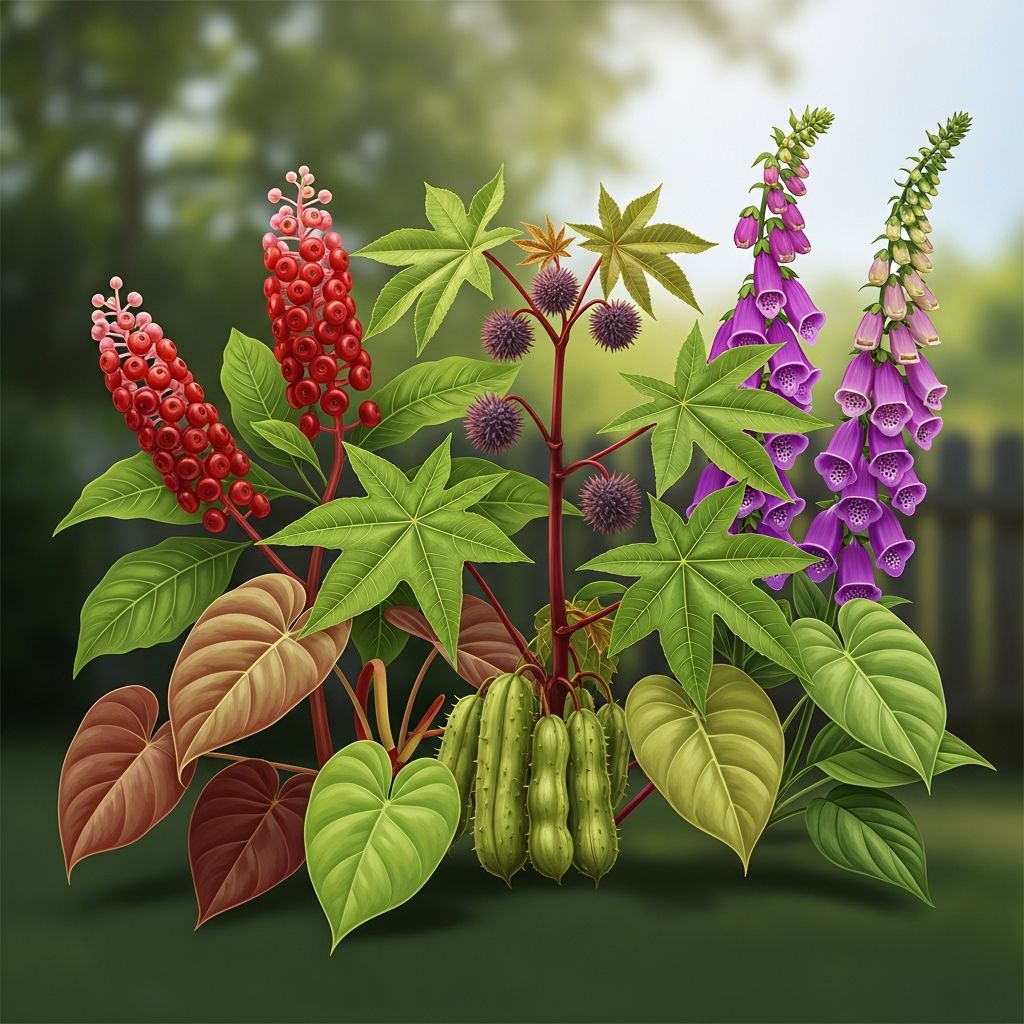
Many popular houseplants and garden favorites can pose serious risks to young children who are naturally curious and prone to putting things in their mouths. While not all plants are lethal, exposure can lead to vomiting, skin irritation, heart irregularities, or worse. Understanding these hazards empowers parents to create safer environments.
Why Children Are at Higher Risk from Plants
Toddlers and preschoolers explore the world orally, often tasting leaves, berries, or flowers. Even small amounts of certain plant parts contain toxins like cardiac glycosides, oxalates, or grayanotoxins that disrupt bodily functions. According to health experts, thousands of plant-related calls flood poison centers annually, mostly involving kids under six.
Symptoms vary by plant but commonly include nausea, diarrhea, mouth swelling, and in severe cases, coma or death. Immediate action is crucial: rinse the mouth, avoid inducing vomiting, and call poison control.
Highly Lethal Outdoor Plants to Avoid
Garden staples can turn deadly if ingested. Here’s a breakdown of the most dangerous:
- Oleander (Nerium oleander): Every part, especially leaves and flowers, contains cardiac glycosides causing dizziness, irregular heartbeat, and potentially fatal arrhythmias. Even smoke from burning oleander is toxic.
- Foxglove (Digitalis purpurea): Bell-shaped flowers hide digitalis, which slows or irregularizes heart rate. Symptoms start with nausea but can progress to cardiac arrest.
- Castor Bean Plant (Ricinus communis): Seeds are packed with ricin, a potent toxin; chewing just a few can cause organ failure, seizures, and death within hours.
- Deadly Nightshade (Atropa belladonna): Shiny black berries lure kids, leading to hallucinations, fever, and respiratory failure.
| Plant | Toxic Parts | Severity |
|---|---|---|
| Oleander | All parts | Potentially fatal |
| Foxglove | Leaves, flowers | Cardiac effects, fatal |
| Castor Bean | Seeds | Organ failure |
| Deadly Nightshade | Berries | Neurological damage |
Common Indoor Plants That Irritate or Poison
Houseplants add beauty but often harbor irritants. Keep these out of reach:
- Dieffenbachia (Dumb Cane): Calcium oxalate crystals in sap cause intense mouth burning, swelling, and speech loss. Airway blockage is a risk.
- Devil’s Ivy (Pothos): Similar crystals provoke drooling, throat swelling, and swallowing difficulties.
- Philodendron: Chewing leads to oral pain, excessive saliva, and vomiting from raphides (needle-like crystals).
- Peace Lily (Spathiphyllum): All parts irritate the mouth and GI tract, causing nausea and diarrhea.
These aren’t usually fatal but can cause hours of distress. Sap contact with eyes worsens irritation.
Garden Plants with Moderate Toxicity
Not every risky plant is a killer; some cause milder but still concerning effects:
- Azalea/Rhododendron: Grayanotoxins in leaves trigger vomiting, low blood pressure, and temporary paralysis. Larger amounts are life-threatening.
- Hydrangea: Cyanogenic compounds in leaves and buds lead to stomach upset and breathing issues.
- Daffodil (Narcissus): Bulbs contain lycorine, inducing severe nausea and abdominal pain.
- Lily of the Valley: Cardiac glycosides mimic foxglove effects, causing confusion and heart irregularities.
- Morning Glory Seeds: Contain lysergic acid, sparking hallucinations and diarrhea.
Plants Causing Skin or Minor Reactions
Some plants harm via touch or mild ingestion:
- Poison Ivy/Oak/Sumac: Urushiol oil provokes itchy rashes, blisters. Leaves vary seasonally.
- Cacti/Succulents: Spines cause punctures, infections, eye injuries.
- Grevilleas: Nectar or pollen may trigger allergies, rashes.
- Lantana: Green berries cause jaundice, weakness.
- Chillies: Capsaicin burns mouth, eyes.
Safe Alternatives for Child-Friendly Gardens
Opt for non-toxic options to beautify without worry:
- Marigolds, snapdragons, petunias.
- Herbs like basil, mint, oregano.
- Sunflowers, zinnias.
- Indoor: Spider plants, Boston ferns, prayer plants.
These provide color and educational play without risks.
Prevention Strategies for Busy Parents
Proactive steps minimize dangers:
- Elevate or Barrier: Hang plants high; use fences around gardens.
- Educate Early: Teach “no touch, no taste” rules with supervision.
- Label and Research: Use plant tags; consult databases before buying.
- Garden Design: Plant edibles in raised beds, ornamentals far away.
- First Aid Kit: Stock gloves, saline for eyes, poison control number: 1-800-222-1222.
Recognizing and Responding to Exposure
Watch for drooling, gagging, lethargy. Steps:
- Remove plant remnants; rinse mouth/eyes with water.
- Don’t induce vomiting unless advised.
- Call poison control or ER immediately—provide plant ID.
- Monitor vitals; seek medical help for severe symptoms.
Photos or samples aid identification.
FAQs on Child Plant Safety
What should I do if my child eats a plant?
Stay calm, note the plant, rinse mouth, call poison control at 1-800-222-1222.
Are poinsettias really poisonous?
Myth—mild GI upset at most, not fatal.
Can plant toxins affect pets too?
Yes, many like lilies are deadly to cats/dogs.
How do I identify unknown plants?
Use apps like PictureThis or consult extension services.
Are fruit tree pits dangerous?
Seeds/pits from apples, cherries contain cyanide in quantity.
Seasonal Considerations for Plant Hazards
Spring bulbs like tulips/hycainths emerge toxic; summer berries tempt; fall mushrooms proliferate. Clear yards regularly.
In total, fostering awareness turns potential tragedies into teachable moments. By selecting safe plants and vigilant parenting, homes stay havens.
References
- Dangerous plants: keeping children safe — Raising Children Network. 2023. https://raisingchildren.net.au/toddlers/safety/poisons/dangerous-plants
- 15 Poisonous Plants to Keep Away From Kids — The Bump. 2023. https://www.thebump.com/a/poisonous-plants-for-kids
- Know the Plants in Your Garden — For Your Child’s Safety — Children’s Hospital of Philadelphia (CHOP). 2019-07-08. https://www.chop.edu/news/health-tip/know-plants-your-garden-your-child-s-safety
- Plant safety — AboutKidsHealth. 2023. https://www.aboutkidshealth.ca/plant-safety
- Poisonous and non-poisonous plants: An illustrated list — Poison.org. 2023. https://www.poison.org/articles/plant
- Toxic Plants — South Texas Health System Children’s. 2023. https://southtexashealthsystemchildrens.com/services/emergency-dept/identifying-medical-emergencies/toxic-plants/
- Poisonous or harmful plants and children factsheet — Sydney Children’s Hospitals Network. 2023. https://www.schn.health.nsw.gov.au/poisonous-or-harmful-plants-and-children-factsheet
- Houseplants: Safe and Toxic Varieties — University of Connecticut (UConn). 2023. https://homegarden.cahnr.uconn.edu/factsheets/houseplants-safe-and-toxic-varieties/
Similar Articles







Read full bio of Sneha Tete