Transform Dark Wood Furniture To White: Complete DIY Guide
Master the art of painting dark wood furniture white with proven techniques for a flawless, durable finish that brightens any space.
Transform Dark Wood Furniture to White: A Complete DIY Guide
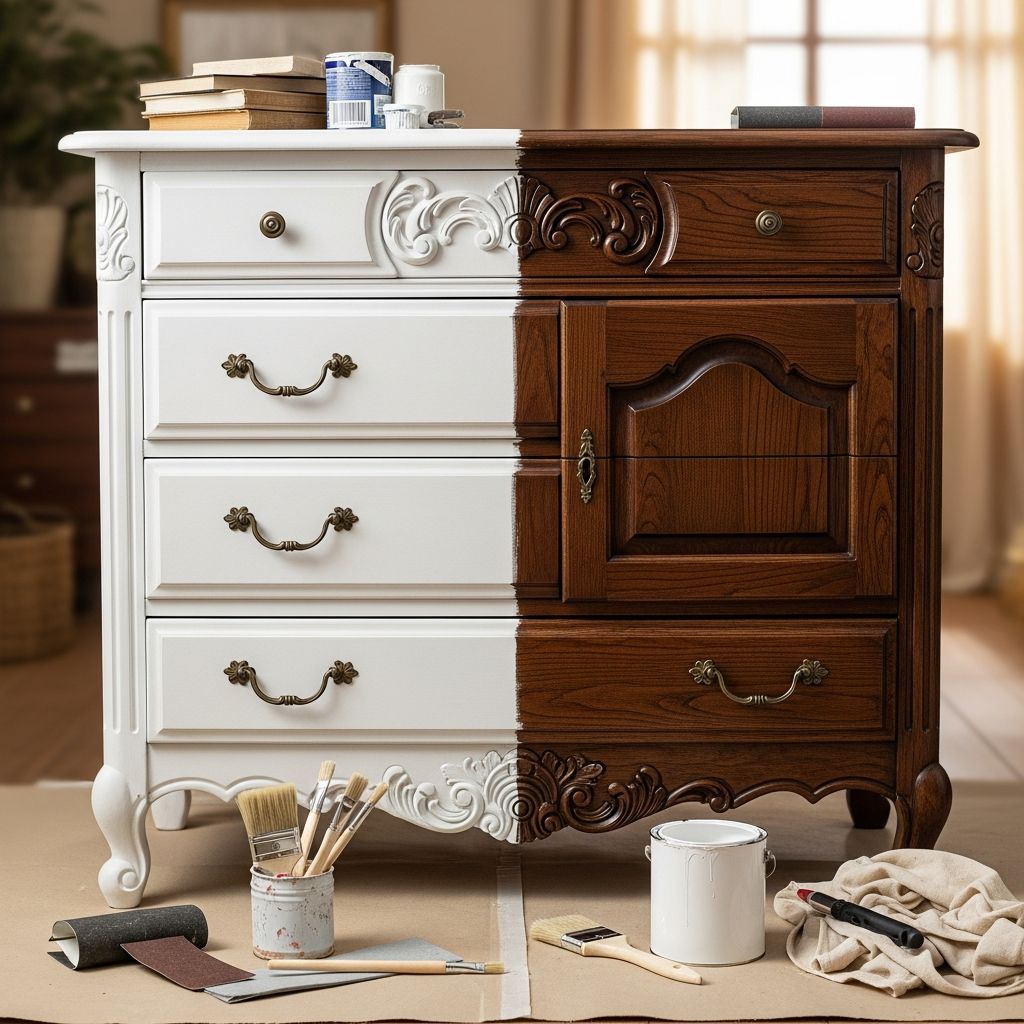
Updating dark wood furniture with a fresh white coat can dramatically refresh your home decor, creating a brighter, more modern aesthetic. This process requires careful preparation to ensure adhesion and prevent issues like tannin bleed-through, where dark stains seep into the new paint. Whether you’re tackling a dresser, table, or cabinet, following structured steps yields professional results without extensive experience.
Why Choose White for Dark Wood Pieces?
White paint on dark wood offers versatility, pairing well with coastal, farmhouse, or minimalist styles. It reflects light, making rooms feel larger and more inviting. Challenges arise from dark tannins in woods like mahogany or cherry, which can yellow light paints if not sealed properly. Proper techniques overcome these hurdles, extending furniture life and enhancing value.
Essential Tools and Materials
Gather these items before starting to streamline your project:
- Degreaser like TSP substitute for cleaning
- Fine to medium grit sandpaper (120-220 grit)
- Tack cloths or microfiber rags
- High-quality primer, preferably oil-based or water-based for furniture
- White paint: chalk paint, latex, or mineral paint (e.g., Fusion or Annie Sloan)
- Quality brushes (synthetic bristle), foam rollers, or sprayers
- Optional: wax, topcoat, or stain for distressing
- Protective gear: gloves, mask, respirator for sprays
Invest in durable products; cheaper paints often require more coats and chip faster.
Step-by-Step Preparation Process
Cleaning Thoroughly
Begin by removing hardware like knobs and hinges to paint evenly. Clean surfaces with a TSP alternative mixed in water to dissolve grease, polish buildup, and grime accumulated over years. Scrub gently with a sponge, rinse well, and dry completely. This step ensures paint bonds without peeling later.
Sanding for Adhesion
Lightly scuff sand all painting surfaces using 120-220 grit paper. Sand in the direction of the wood grain to avoid scratches, focusing on glossy finishes to create ‘tooth’ for primer grip. For intact surfaces, minimal sanding suffices; heavy sanding on dark stains can worsen bleed-through by opening pores. Wipe away dust with a tack cloth—residual particles cause bumps in paint.
| Sanding Grit | Purpose | When to Use |
|---|---|---|
| 120-150 grit | Initial scuffing | Glossy or varnished surfaces |
| 220 grit | Between coats | Smoothing primer/paint layers |
Priming: The Key to Success
Priming blocks dark tones from bleeding through white paint, a common issue with tannin-rich woods. Apply 2-3 thin coats of oil-based or specialized furniture primer like 2X Ultra Cover spray. For water-based options, ensure compatibility with your paint. Brush or roll evenly, following grain direction, and sand lightly between coats with 220 grit for smoothness. Allow full drying per instructions—rushing leads to failures.
Tip: On shiny or flaking finishes, prime without heavy sanding to seal existing layers.
Painting Techniques for Flawless Coverage
Selecting the Right White Paint
Chalk paint adheres well without much prep and offers a matte finish ideal for vintage looks. Latex or mineral paints like Fusion provide built-in durability. Off-white shades hide imperfections better than pure white. Test on a hidden spot to check bleed-through.
Application Methods
Apply thin coats to prevent drips: start with edges using a quality brush, then roll flat areas. Work in sections, maintaining a ‘wet edge’ to avoid lap marks. Two to three coats suffice for coverage; sand lightly between with 220 grit. Paint in the wood grain direction for evenness.
- Use synthetic brushes for smooth paints; natural for oils.
- Avoid overloading—paint small areas at a time.
- Dry fully (4-24 hours per coat) before recoating.
Finishing Touches and Distressing
Once painted, enhance with optional techniques:
- Whitewashing: Mix paint 50/50 with water, drag a chip brush for faux grain texture.
- Distressing: Sand edges post-paint, apply dark wax or stain for vintage appeal.
- Sealing: Brush on clear wax or polycrylic topcoat for protection against wear.
Distressing suits shabby chic; skip for sleek modern finishes.
Common Pitfalls and Fixes
Avoid these errors for pro results:
| Mistake | Why It Happens | Solution |
|---|---|---|
| Bleed-through | No primer on dark wood | Oil-based primer, 2-3 coats |
| Uneven finish | Thick coats or poor sanding | Thin layers, light sanding |
| Peeling | Skipping cleaning | TSP degrease thoroughly |
Patience prevents rework—dry times are crucial.
Advanced Tips for Professional Results
Spray painting yields smoothest finishes; use respirator outdoors. For cabinets, paint drawers separately. Maintain tools: clean brushes in appropriate solvents. Multiple thin coats outperform one heavy layer, reducing dry time overall.
Frequently Asked Questions
Can I skip sanding when painting dark wood white?
Sanding is recommended for adhesion, but intact glossy surfaces may need only light scuffing. Use adhesion-promoting paints or primer if skipping.
What’s the best primer for dark furniture?
Oil-based primers like 2X Ultra Cover block tannins effectively; water-based works for less stained woods.
How many paint coats for full coverage?
Typically 2-3 thin coats of white paint over primer suffice, with light sanding between.
Is chalk paint suitable for this project?
Yes, it’s odor-free, adheres well, and suits beginners for matte white finishes.
How do I prevent brush marks?
Use thin coats, quality brushes, and paint with the grain; foam rollers help on flats.
Safety and Project Timeline
Wear gloves, masks, and ventilate—especially with sprays or oils. A full furniture piece takes 3-7 days: 1 day prep, 2 days priming/painting, 1-2 days finishing/drying. Start small to build confidence.
This makeover not only revives pieces but personalizes your space economically. Experiment with shades and finishes for unique results.
References
- 5 Simple Steps to Paint and Transform Any Piece of Dark Furniture — Recreated Designs. 2023-03-01. https://www.recreateddesigns.com/2023/03/5-steps-paint-dark-furniture-light-how-to/
- DIY- How To Paint Dark Furniture White! — YouTube (DIY Perks channel). 2020-01-01. https://www.youtube.com/watch?v=F1zaTfMYJTk
- How to Paint and Distress Furniture — Instructables. 2022-06-15. https://www.instructables.com/How-to-Paint-and-Distress-Furniture/
- How to Paint Brown Furniture White — Chalking Up Success. 2023-05-10. https://chalkingupsuccess.com/paint-brown-furniture-white/
- How to Paint Furniture White the Right Way — Designed Decor. 2023-08-20. https://designeddecor.com/how-to-paint-furniture-white-the-right-way/
Similar Articles








Read full bio of medha deb