Transform Your Kitchen: Smart Organizing Ideas for Every Home
Simple organizing strategies that turn any kitchen into a calm, clutter-free, and highly efficient space.
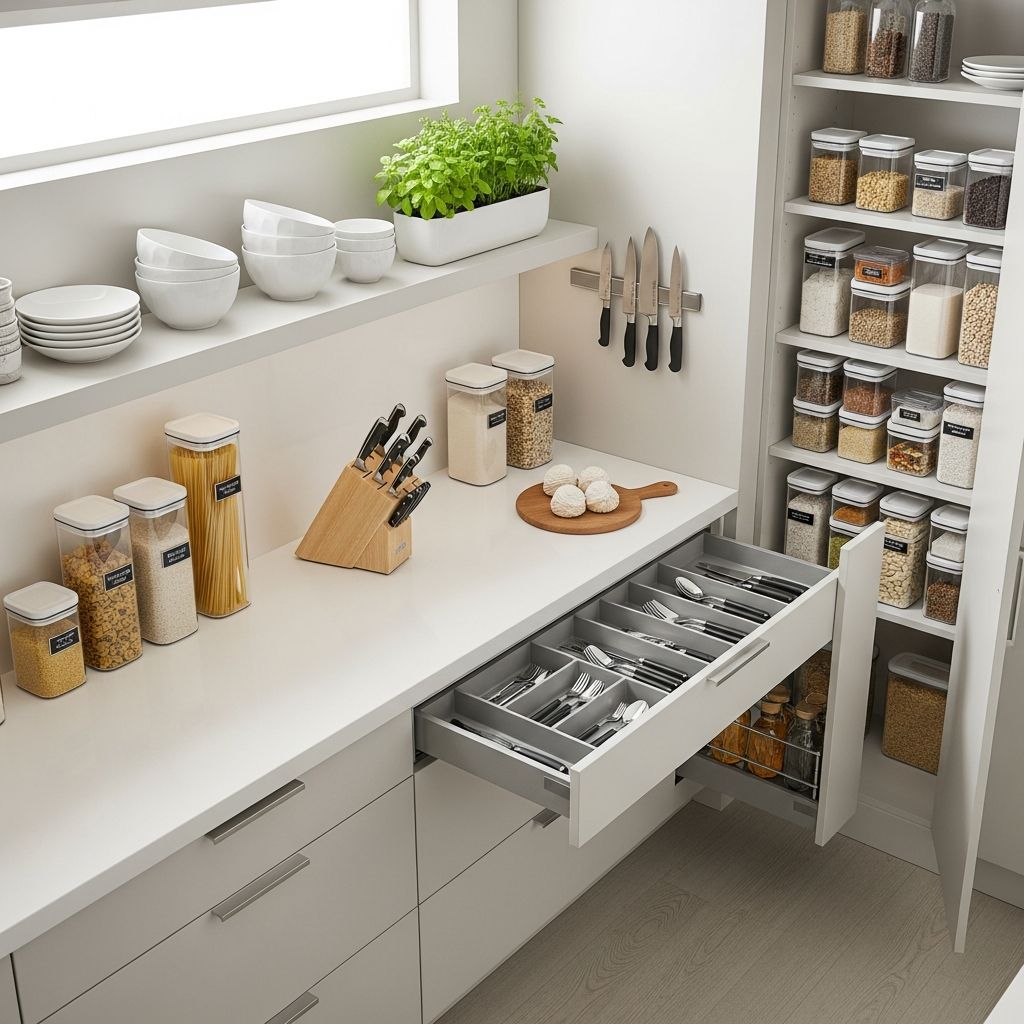
Transform Your Kitchen with Smart, Simple Organizing Ideas
A well-organized kitchen is easier to clean, more enjoyable to cook in, and far less stressful to live with. The goal is not perfection but creating a space where every item has a logical home, your counters stay reasonably clear, and you can find what you need without digging through clutter.
This guide walks through practical strategies for every part of the kitchen—cabinets, drawers, pantry, fridge, and counters—plus tips on choosing organizers that actually solve problems instead of becoming more clutter.
Start with a Clear Vision, Not a Shopping Cart
Before buying any organizers, take time to understand how you actually use your kitchen. Think about your daily routines, favorite meals, and the tools you reach for most often. This helps you plan storage around real habits instead of idealized Pinterest photos that won’t last a week in everyday life.
- Notice what always sits on the counter because it has no proper home.
- Write down the 10–15 items you use every single day (knives, cutting board, skillet, coffee gear, etc.).
- Make a short list of top frustrations: hard-to-reach pots, messy food storage lids, crowded spice shelf, or overflowing junk drawer.
Your organizers should directly address these frustrations and support your most common tasks, not just “look organized” for a moment.
Declutter Strategically Before You Organize
Any organizer works better when there is less to store. Rather than emptying the entire kitchen, declutter in small, manageable sections so you can finish what you start and avoid creating a bigger mess than you began with.
Simple 4-Pile Declutter Method
- Keep here: Items you use often that belong in this zone.
- Keep elsewhere: Items you use but that are better suited to a different cabinet or room.
- Donate or sell: Duplicates, rarely used gadgets, chipped dishes, or cookware you genuinely never reach for.
- Trash or recycle: Expired food, broken items, stained plastics, or warped lids with no matching bases.
Start with just one drawer or one shelf. Once it is decluttered and reorganized, move on to the next. This step-alone often frees up enough space that you need fewer organizers than you thought.
Create Functional Zones That Match Real Life
Instead of scattering items wherever there is space, group them by task. This creates clear “zones” and saves time because everything you need for a specific activity is stored together.
| Zone | Main Activities | What to Store Nearby |
|---|---|---|
| Prep Zone | Chopping, mixing, assembling meals | Cutting boards, knives, mixing bowls, measuring cups, frequently used spices, oils |
| Cooking Zone | Stovetop and oven use | Pots, pans, spatulas, cooking spoons, oven mitts, pot lids, cooking oils |
| Cleaning Zone | Dishwashing, wiping, trash | Dish soap, sponges, dishwasher tablets, trash bags, recycling bin, towels |
| Coffee/Drink Station | Brewing coffee, tea, or drinks | Mugs, coffee, tea, sugar, filters, spoons, small canisters |
| Snack & Lunch Zone | Packing lunches, quick snacks | Reusable containers, snack bins, wraps, sandwich bags, lunch boxes |
You do not need a large kitchen to create zones. Even in a small space, simply assigning each cabinet or drawer to a specific activity reduces confusion and makes it easier to maintain order.
Make Cabinets Work Harder with Smart Inserts
Cabinets are full of vertical space that often goes unused. With a few well-chosen inserts, you can transform tall, jumbled stacks into neat, accessible layers that are easy to maintain.
Ideas for Lower Cabinets
- Pull-out shelves or trays: Turn deep cabinets into easy-access storage so you can slide items out instead of crawling on the floor to reach the back.
- Pan and baking sheet racks: Store cookie sheets, cutting boards, and trays upright like files so you can pull out exactly what you need.
- Pot and lid organizers: Use adjustable racks or short tension rods to separate lids and keep pots nested without toppling stacks.
- Corner solutions: Consider rotating trays or pull-out corner units for awkward blind corners so that no space goes to waste.
Ideas for Upper Cabinets
- Shelf risers: Add tiered shelves to double the usable space for plates, bowls, or mugs in tall cabinets.
- Under-shelf baskets: Hang baskets from existing shelves to hold lightweight items like wraps, napkins, or snack bags.
- Door-mounted racks: Use the inside of cabinet doors for spices, measuring spoons, small cutting boards, or cleaning gloves.
- Stacking bins: In shallow cabinets, use labeled bins to keep categories together—baking ingredients, breakfast items, or coffee supplies.
Choose inserts that fit your specific cabinet measurements rather than forcing generic organizers into spaces where they don’t quite work.
Tame Drawers with Dividers and Trays
Drawers quickly become catch-alls unless you give everything a defined space. Simple dividers, trays, and shallow bins make it obvious where each item belongs and discourage random dumping.
Everyday Utensil and Tool Drawers
- Expandable utensil trays: Use adjustable organizers so the tray fills the full width of the drawer, preventing items from drifting around.
- Adjustable dividers: Create custom sections for spatulas, whisks, tongs, peelers, and other tools instead of allowing them to pile into one big heap.
- Vertical knife storage: Consider in-drawer knife blocks to free counter space and reduce the risk of loose blades.
Specialty and “Junk” Drawers
- Small containers for tiny items: Use shallow boxes or condiment cups to corral rubber bands, batteries, twist ties, and pens.
- Label sections: Even inside a drawer, small labels help everyone in the household return items to the right spot.
- Set capacity limits: Decide how much space you will allow for miscellaneous items. When the section is full, it is time to declutter instead of forcing more in.
Think of dividers as boundaries. They do not have to be fancy; even simple, well-placed organizers can turn chaotic drawers into calm, useful storage.
Rethink Counter Space: Only Active Items Stay Out
Clear countertops make the whole kitchen feel calmer and larger, but that does not mean you must hide everything. The key is to reserve counter space for tools and appliances that genuinely earn their spot through daily use.
What Deserves a Place on the Counter
- Daily-use appliances: Coffee makers, toasters, or mixers you use almost every day can stay out; rarely used gadgets should be stored away.
- One attractive utensil crock: Keep just your most-used spatulas, spoons, and tongs near the stove and move less-used tools to a drawer.
- Chopping station: A permanent cutting board near your prep zone, if space allows, can make meal prep faster and reduce setup time.
Organizers That Help Clear Surfaces
- Wall-mounted rails or magnetic strips: Hang knives, small pots, or utensils to free up drawer and counter space.
- Tiered corner shelves: Use vertical stands for spices, oils, or decorative items in otherwise underused corners.
- Appliance garages: Store small appliances in a cabinet with a lift-up or roll-up door so they are accessible but hidden when not in use.
When in doubt, try removing everything from the counter for a day and then bring items back only as you actually need them.
Streamline the Pantry with Categories and Clear Containers
A tidy pantry saves money and reduces waste because food is easy to see and use before it expires. Instead of treating it like a warehouse, think of your pantry as a small shop with clearly labeled sections.
Set Up Practical Food Categories
- Breakfast items: cereal, oats, spreads, granola bars.
- Cooking basics: oils, vinegar, broth, canned tomatoes, grains, pasta.
- Baking supplies: flour, sugar, chocolate chips, baking powder, cocoa.
- Snacks: chips, crackers, nuts, dried fruit.
- Grab-and-go zone: items packed for lunches or quick snacks.
Containers and Tools That Help
- Clear bins and baskets: Keep like items together, such as snack packs in one bin and baking ingredients in another.
- Airtight canisters: Store bulk staples like rice, flour, and sugar in labeled containers to keep them fresh and visible.
- Tiered can or jar shelves: Use tiered risers so you can see items in the back without forgetting what you own.
- Over-the-door racks: Add extra space for spices, foil, wraps, or lightweight pantry items if your door can support it.
Always place newly purchased items behind older ones so the oldest food gets used first. This simple rotation step reduces food waste significantly over time.
Organize the Fridge and Freezer for Visibility
The best fridge organization makes it obvious what needs to be used soon and keeps different food categories in defined zones. This not only cuts down on waste but also simplifies meal planning and grocery shopping.
Fridge Layout Basics
- Assign shelves by purpose: One for leftovers, one for ready-to-eat items, one for raw ingredients like meat and vegetables.
- Use clear bins: Group yogurt, condiments, or snack packs in pull-out bins so you can grab what you need quickly.
- Designate an “eat first” box: Keep items that are close to expiring in a clearly marked container at eye level.
Freezer Organization Tips
- Flat-freeze portions: Freeze soups, sauces, and meats in thin, flat bags that stack neatly in bins or file-like rows.
- Label everything: Mark each item with the contents and date so you do not end up with mystery containers.
- Use zones: Separate frozen vegetables, proteins, prepared meals, and treats so you can find items quickly.
Do a quick weekly scan of the fridge and freezer before making a shopping list. Plan at least one meal around items that need to be used up.
Small-Kitchen Strategies That Make a Big Difference
Even the tiniest kitchens can function beautifully with a few clever storage tactics. Focus on vertical space, multipurpose pieces, and strict limits on how much you store.
- Use wall and ceiling space: Install hooks, rails, or a compact pot rack to keep bulky items off the counter.
- Choose nesting and collapsible items: Nesting mixing bowls, stackable containers, and collapsible colanders save significant space.
- Prioritize dual-purpose tools: Opt for versatile cookware and gadgets instead of single-use novelty items.
- Leverage furniture with storage: Islands or carts with shelves and drawers add prep space and hidden storage in open-plan or rental kitchens.
In small spaces, it is essential to review your kitchen contents regularly and let go of anything that does not truly earn its place.
Keep Your New System Working Long-Term
Setting up organizers is only the first step. Lasting order comes from simple, repeatable habits that the whole household can follow. Aim for systems that are easy to maintain rather than perfectly styled.
- Label clearly: Use labels on bins, shelves, and containers so everyone knows where items belong.
- Adopt a 5-minute reset: At the end of the day, spend a few minutes putting stray items back in their zones.
- Schedule mini check-ins: Once a month, quickly scan one area—like the junk drawer or pantry—and remove anything you no longer need.
- Practice one-in, one-out: When you buy new kitchen gadgets or dishes, let a similar item go to prevent slow re-cluttering.
If a system keeps falling apart, it is a sign the setup needs adjusting, not a personal failing. Move frequently used items closer, simplify categories, or switch to containers that are easier to open and close.
Frequently Asked Questions about Kitchen Organizing
How do I start organizing if my kitchen is very cluttered?
Begin with the area that bothers you the most but is small enough to finish in one session—a single drawer, one cabinet, or a tiny section of counter. Remove everything from that space, edit down what you own, and then put things back with simple categories like “daily tools” or “baking supplies.” Once you feel the difference in that one spot, it becomes easier to move on to the next.
Do I need fancy organizers to have an organized kitchen?
No. While well-designed products can make life easier, the foundation of a functional kitchen is thoughtful placement and reduced clutter. You can start with basic bins, boxes, or repurposed containers, then upgrade selectively over time as you see what type of storage truly helps.
How can I keep my family from undoing all the organizing?
Make your systems as obvious and convenient as possible. Use labels, keep everyday items at comfortable heights, and avoid complicated stacking that requires multiple steps to put things away. Involve family members when creating zones so they understand the logic and can help maintain it.
How often should I reorganize my kitchen?
There is no fixed schedule, but a quick review every few months keeps clutter from building up. Life changes—new hobbies, dietary shifts, growing kids—may call for rearranging zones or adjusting storage. Treat your kitchen like a flexible workspace that can evolve with your routines.
What is the single most impactful change I can make?
Many people find that clearing and protecting a main prep zone—one clear section of counter with tools and ingredients close by—has the biggest impact. When you have a reliable spot to chop, mix, and assemble meals without moving piles of stuff first, cooking instantly feels easier and more enjoyable.
Similar Articles








Read full bio of medha deb