Trimming Honeycomb Shades: Complete DIY Guide
Master the art of resizing honeycomb shades at home with precise tools, safety measures, and step-by-step instructions for perfect window coverage.
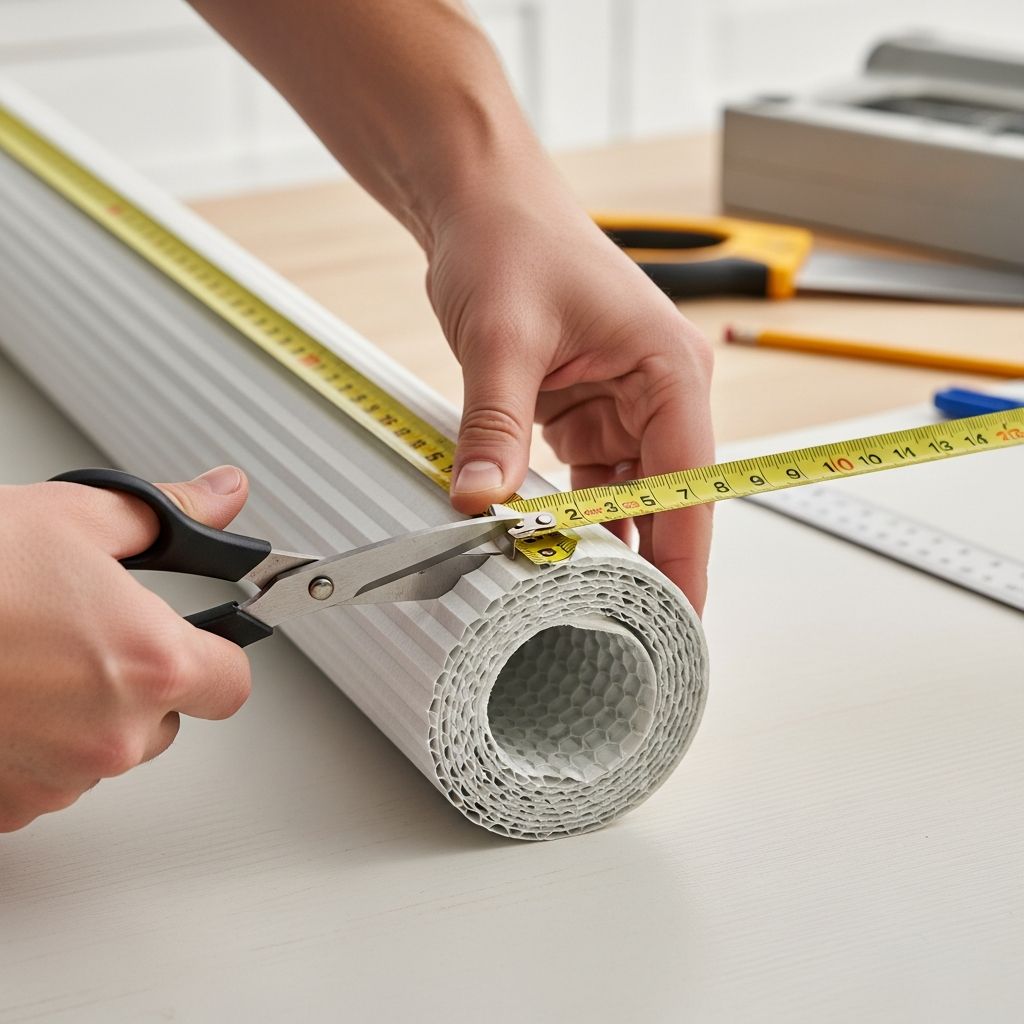
Honeycomb shades, also known as cellular shades, offer superior insulation and a sleek appearance for windows of all sizes. When off-the-shelf options don’t match your window dimensions, trimming them yourself provides a cost-effective solution. This guide details everything from preparation to finishing touches, ensuring clean cuts and functional results.
Understanding Honeycomb Shade Construction
These shades feature a unique cellular structure resembling beehives, which traps air for excellent thermal efficiency. The fabric forms pleated pockets that stack compactly when raised. Key components include the headrail, fabric cells, bottom rail, and operating mechanisms like cords or wands. Trimming affects width primarily, requiring adjustments to rails and fabric without damaging the cells or lift systems.
Single-cell shades have one layer of pockets, while double-cell versions double the insulation. Materials range from lightweight non-woven fabrics to durable synthetics, influencing cut quality. Precise trimming preserves light-blocking, privacy, and energy-saving properties.
Essential Tools and Materials for the Job
Gathering the right equipment prevents mishaps and ensures professional edges. Here’s what you’ll need:
- Fine-tooth saw: A miter or chop saw with a 60-62 tooth carbide blade for thin kerf and smooth cuts.
- Clamps or tape: To secure the rolled shade firmly, minimizing vibration.
- Measuring tools: T-square, pencil, and tape measure for accurate markings.
- Cutting aids: Utility knife or steak knife for plastic rails; sharp scissors for fabric touch-ups.
- Safety gear: Glasses, gloves, and ear protection—essential as fabric bits can fly.
- Router or file: For extending cord slots in headrail and bottom rail if trimming more than 1 inch per side.
A stable workbench elevates the process. Avoid loose clothing and distractions around power tools.
Preparation Steps: Measuring and Planning
Accuracy starts with precise measurements. Measure your window width at three points—top, middle, bottom—and use the narrowest. Subtract 1/4 to 1/2 inch total for clearance, splitting evenly on both sides for symmetry (e.g., 2.75-inch excess means 1.375 inches per side).
| Window Measurement | Shade Original Width | Amount to Trim (Per Side) |
|---|---|---|
| 48 inches | 50.75 inches | 1.375 inches |
| 36 inches | 38 inches | 1 inch |
| 60 inches | 62 inches | 1 inch |
Inspect the shade: note cord positions, end caps, and rail materials. Disassemble removable parts like end caps to trim separately. Roll the shade tightly from headrail to bottom, securing with rubber bands or tape at both ends. Stand it upright to align layers.
Step-by-Step Trimming Process
Follow these stages methodically for flawless results.
Step 1: Secure and Mark the Shade
Roll the shade fully, ensuring even tension. Tape or band the ends tightly to prevent shifting. Position bottom rail outward. Mark cut lines on the rail with pencil and T-square, confirming cord paths are clear.
Step 2: Cut the Fabric Assembly
Place on saw platform, propping if needed for level alignment. Clamp securely—hands-free operation is critical. Align blade to mark, using laser guide if available. Cut steadily at medium speed; hesitation causes fraying. Repeat opposite side. For cordless shades, protect mechanisms.
Post-cut, unroll and inspect. Trim stray fabric with scissors for straight edges.
Step 3: Modify Headrail and Bottom Rail
Remove end caps. Plastic rails cut easily with a knife to avoid melting from saw heat. For wooden rails, use saw carefully. Extend cord slots with router if trimming deeply—slots must accommodate new positions without visibility. Reattach caps securely.
Step 4: Test Functionality
Reinstall shade. Operate fully: raise, lower, check stacking. Adjust tension if cells bind. Ensure even light gaps and smooth movement.
Safety Protocols and Common Pitfalls
Safety gear is non-negotiable; reeds and dust pose eye risks. Use thin blades to reduce binding—thick ones snag fabric. Avoid rushing: practice on scrap shades refines technique.
Pitfalls include uneven rolling (causes wavy cuts), ignoring cords (renders inoperable), and over-trimming slots (exposes mechanisms). Sloppy edges compromise insulation and aesthetics. If cells fray, quality suffers operationally.
Advanced Techniques for Challenging Shades
Cordless or motorized shades require extra care—slide fabric from rails before cutting. Top-down/bottom-up models demand symmetric adjustments. For arches or odd shapes, professional help may suit, though straight trims work for most. Double-cell shades cut similarly but check inner layers post-trim.
Length adjustments are trickier, often needing headrail mods; focus on width for DIY success.
Maintenance and Longevity Tips
Post-trim, dust regularly with a vacuum brush or compressed air into cells. Avoid harsh cleaners. Honeycomb shades excel in energy savings, blocking drafts effectively. Custom-trimmed ones match pricier options in performance.
Operate gently to preserve pleats. For longevity, choose quality fabrics that resist fraying during cuts.
Benefits of DIY Trimming Over Custom Purchases
Stock shades cost less; trimming adds minimal expense versus custom pricing. Achieve exact fits without wait times. Enhances skills for future projects. Mid-range pricing makes them accessible.
Frequently Asked Questions (FAQs)
Can I trim honeycomb shades with regular scissors?
No—scissors suffice for minor fabric fixes, but saws are essential for clean, bulk cuts without tearing cells.
How much can I safely trim from each side?
Up to 2 inches per side typically, but extend slots accordingly. Test small amounts first.
Will trimming void any warranty?
Yes, most manufacturers void warranties on modifications. Proceed at your own risk.
What if my cut is uneven?
Sand lightly or recut with steadier pressure. Practice ensures confidence.
Are honeycomb shades suitable for all windows?
Ideal for standard rectangles; adaptable for bays with inside/outside mounts.
Conclusion: Perfect Windows Await
With patience and proper tools, trimming honeycomb shades yields pro-level results. Enjoy customized insulation, privacy, and style tailored to your home.
References
- How to Cut Down Woven Window Shades — Francois et Moi. N/A. https://francoisetmoi.com/diy/how-to-cut-woven-shades-down-to-size/
- Honeycomb Shades: Discover Key Differences, Quality Tips & Top … — EaseEase Curtains. N/A. https://easeeasecurtains.com/blogs/news/honeycomb-cellular-shades-guide
- Cutting Down a Cellular or Honeycomb Shade — YouTube (BLIND AMBITIONS). N/A. https://www.youtube.com/watch?v=Wok7ml4KlJQ
- Cutting Cordless Cellular Shades- DIY — YouTube. N/A. https://www.youtube.com/watch?v=qOTTzovRfVU
- What are Honeycomb Shades? — The Blind Gallery. N/A. https://blindgallerypa.com/what-are-honeycomb-shades/
Similar Articles







Read full bio of medha deb