Troubleshooting Dead Outlets: DIY Solutions
Learn how to diagnose and fix dead electrical outlets without calling an electrician.
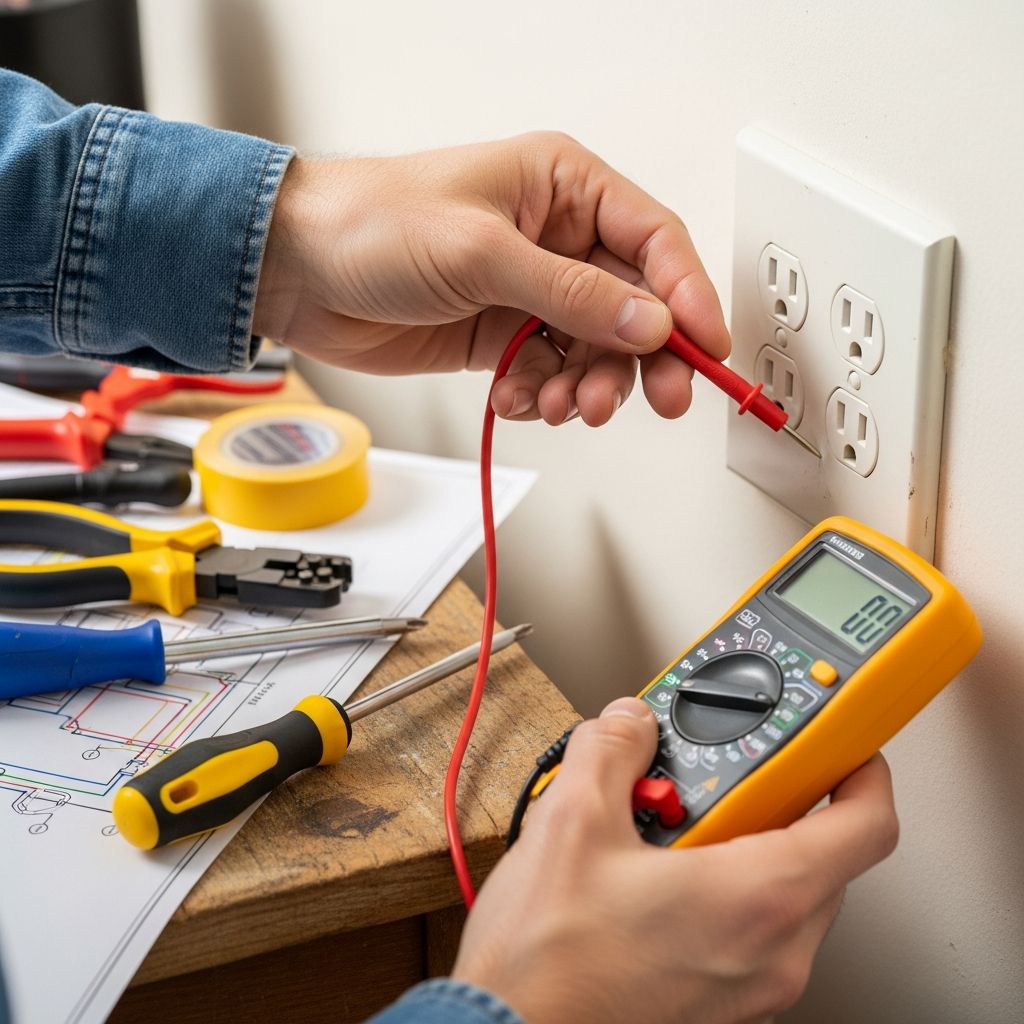
Troubleshooting Dead Outlets: DIY Solutions Before Calling an Electrician
Discovering that an electrical outlet isn’t working can be frustrating, especially when you need to charge a device or power an appliance. However, before you panic or reach for your phone to call an expensive electrician, there are several simple troubleshooting steps you can perform yourself. Many outlet problems have straightforward solutions that require minimal tools and technical knowledge. Understanding the most common causes of dead outlets and how to address them can save you significant time and money.
Understanding Your Home’s Electrical System
To effectively troubleshoot a dead outlet, it helps to understand how your home’s electrical system works. Outlets are typically connected in a series, much like a string of holiday lights. If one connection fails or becomes loose, all the outlets downstream from that failure point will also lose power. This is why multiple outlets throughout your home might suddenly stop working simultaneously. Improper wiring and excessive electrical loads can cause connections to fail at outlets or anywhere along the circuit, creating a domino effect of dead outlets.
Step 1: Check for GFCI Outlet Issues
One of the most common reasons for dead outlets is a tripped GFCI (Ground Fault Circuit Interrupter) outlet. GFCI outlets are special protective devices with built-in circuit breaker protection, typically found in kitchens, bathrooms, and areas near water sources. These outlets detect unusual electrical patterns and automatically shut off power to prevent electrical shock and fire hazards. New building codes require GFCI outlets within 6 feet of water sources like sinks.
When a GFCI outlet trips, it cuts off power not only to itself but to all outlets downstream on the same circuit. Fortunately, this is often the easiest problem to solve. Look for a GFCI outlet in your home—you’ll recognize it by the distinctive “RESET” and “TEST” buttons in the center of the outlet face. Simply press the RESET button firmly. If the outlet restores power and your devices work again, you’ve solved your problem. If pressing the reset button doesn’t restore power, you may need to investigate further or contact a professional electrician.
Step 2: Inspect Your Electrical Panel and Circuit Breakers
If resetting the GFCI outlet doesn’t solve the problem, the next step is to check your home’s electrical panel. Your circuit breaker panel contains switches that control the flow of electricity throughout your home. When a circuit becomes overloaded or experiences a short, the breaker automatically trips to protect your home from electrical fires and damage.
To check if a breaker has tripped, look at the switches in your electrical panel. A tripped breaker will appear to be in the middle position, not aligned with the other switches that are in the ON position. This misalignment is the key indicator of a tripped breaker. To reset it, firmly push the switch all the way to the OFF position, then switch it back to the ON position. If the breaker immediately trips back to the middle position, you likely have a serious electrical problem such as a short circuit that requires professional attention.
Common Causes of Dead Outlets
Understanding what causes outlets to stop working helps you prevent future issues and know when to call a professional. Several factors can lead to dead outlets in your home.
Circuit Overload
One of the most frequent causes of dead outlets is circuit overload. When too many lights or appliances draw power simultaneously, they can exceed the circuit’s capacity. This excessive load causes the circuit breaker to trip as a safety measure. If you frequently experience tripped breakers when using multiple high-power devices on the same circuit, you may need to redistribute your electrical load or have an electrician upgrade your panel’s amperage capacity.
Worn Contact Points
Outlets contain metal contact points that gradually wear down and loosen over time with repeated use. This deterioration increases electrical resistance and generates heat within the outlet, which can eventually blow fuses in the electrical panel or trip breakers. Outlets that appear cracked or burnt should be replaced immediately to prevent fire hazards and further electrical damage.
Loose Wiring Connections
Loose wire connections are another common culprit behind non-functioning outlets, particularly in older homes. Wires may come loose due to vibration, age-related deterioration, or improper installation. These loose connections prevent power from reaching the outlet, leaving it dead. If you suspect loose wiring, you can visually inspect the outlet after turning off the breaker and removing the faceplate, though any actual repairs should be performed by a licensed electrician.
Backstabbing Installation Errors
A wiring mistake called “backstabbing” occurs when wires are pushed directly into connectors on the back of an outlet rather than being secured with terminal screws. This method creates unreliable connections that can loosen over time, causing the outlet to fail. Improper wire nut usage can also lead to outlet malfunction by failing to keep wires properly covered and connected together.
Half-Hot Outlets
Some homes feature half-hot outlets, which means the upper outlet receives constant power while the lower outlet is controlled by a switch. If only one half of a dual outlet isn’t working, you may have a half-hot outlet situation. You can replace the outlet with a new one, leaving the metal tab between the brass screws intact if you want both outlets to always be energized, or remove the tab if you prefer to maintain the switched functionality.
Testing Whether the Problem Is the Outlet or Your Device
Before assuming your outlet is broken, determine whether the problem lies with the outlet itself or the device you’re trying to plug in. Plug a different device that you know works properly into the same outlet. If it powers up successfully, the problem is with your original device, not the outlet. Conversely, if multiple devices fail to work in the same outlet but work fine in other outlets, the outlet itself is the problem.
Checking Multiple Outlets
When troubleshooting dead outlets, check whether other outlets in the same room are also affected. If all outlets in a room are dead, you’re likely dealing with a tripped breaker or GFCI issue affecting the entire circuit. If only one outlet is dead while others work fine, the problem is localized to that specific outlet. Testing multiple outlets helps you determine the scope of the problem and whether you need a circuit-wide solution or a single outlet replacement.
When to Call a Professional Electrician
While many outlet problems have simple solutions, some situations definitely warrant professional help. If your circuit breaker continues to trip repeatedly after you reset it, you have a serious underlying electrical problem that needs expert diagnosis. Persistent electrical faults, damaged wiring, or complex installation errors should always be handled by a licensed electrician to ensure safety and code compliance.
Additionally, if you’ve checked the GFCI outlet, reset the breaker, tested different devices, and verified that multiple outlets are working, yet your outlet still doesn’t function, it’s time to contact a professional. Electricians have specialized equipment and training to locate and diagnose electrical issues that are difficult for homeowners to identify. They work within strict safety codes and can ensure the problem is resolved correctly.
Outlet Replacement Basics
If troubleshooting confirms that your outlet needs replacement, the process is relatively straightforward for those comfortable with electrical work. First, turn off the breaker that powers the outlet. Remove the outlet cover and use a screwdriver to disconnect the wires from the old outlet. Note the wire positions—typically black wires connect to brass screws, white wires to silver screws, and ground wires to green screws. Connect the wires to the new outlet in the same configuration, then push the outlet back into the box and secure the cover. Outlets should be replaced every 15 to 25 years or when they no longer firmly hold plugs.
Preventing Future Outlet Problems
Taking preventive measures can help you avoid dead outlet situations in the future. Avoid plugging too many high-power devices into the same circuit. Don’t use worn or damaged outlets—replace them promptly. If you hire someone to install outlets, ensure they’re a licensed electrician who uses proper installation techniques with screw terminals rather than backstabbing. Periodically test your GFCI outlets using their TEST buttons to ensure they’re functioning properly. Regular maintenance and awareness of your electrical system’s limits go a long way toward preventing frustrating outlet failures.
Frequently Asked Questions
What does a GFCI outlet do?
A GFCI (Ground Fault Circuit Interrupter) outlet detects dangerous electrical patterns and automatically shuts off power to prevent electrical shock and fire. It protects all outlets on the same circuit downstream from it.
How do I reset a tripped circuit breaker?
First, locate the breaker that’s in the middle or OFF position in your electrical panel. Firmly push it completely to the OFF position, then switch it back to ON. If it immediately trips again, you have a serious electrical problem requiring professional attention.
Why do multiple outlets stop working at the same time?
Outlets are connected in series, so when one fails or a GFCI trips, all outlets downstream on that circuit lose power. This is why you might see several dead outlets throughout your home simultaneously.
Can I replace an electrical outlet myself?
If you’re comfortable with electrical work and follow proper safety procedures by turning off the breaker first, outlet replacement is relatively simple. However, if you’re unsure, hiring a licensed electrician is always the safer choice.
How often should electrical outlets be replaced?
Outlets should be replaced every 15 to 25 years or immediately if they no longer firmly hold plugs, appear cracked, or show signs of burning or damage.
What’s the difference between a regular outlet and a GFCI outlet?
GFCI outlets have built-in ground fault protection and TEST/RESET buttons. They’re faster-acting than standard circuit breakers and are required within 6 feet of water sources for safety reasons.
Why does my circuit breaker keep tripping?
Persistent breaker tripping indicates an overloaded circuit, a short circuit, or faulty wiring. You should consult a licensed electrician to diagnose and fix the underlying problem.
References
- Troubleshooting Dead Outlets — Family Handyman. https://www.familyhandyman.com/project/troubleshooting-dead-outlets/
- Electrical Outlet Not Working: 7 Potential Causes — Angi. https://www.angi.com/articles/why-my-electrical-outlet-not-working.htm
- Breaker or Blown? Why my Outlet Doesn’t Work — Mister Sparky. https://www.mistersparky.com/expert-tips/circuits-and-wiring/breaker-or-blown-why-my-outlet-doesnt-work/
- Electrical Outlet Not Working? 8 Reasons Why—and How to Fix — Bob Vila. https://www.bobvila.com/articles/electrical-outlet-not-working/
- National Electrical Code (NEC) Safety Standards — National Fire Protection Association (NFPA). https://www.nfpa.org/codes-and-standards
Similar Articles




Read full bio of medha deb