Turn Clutter into Clever Storage: A Fresh Guide to Repurposing What You Already Own
Declutter your home by transforming unused items into hardworking, stylish storage.
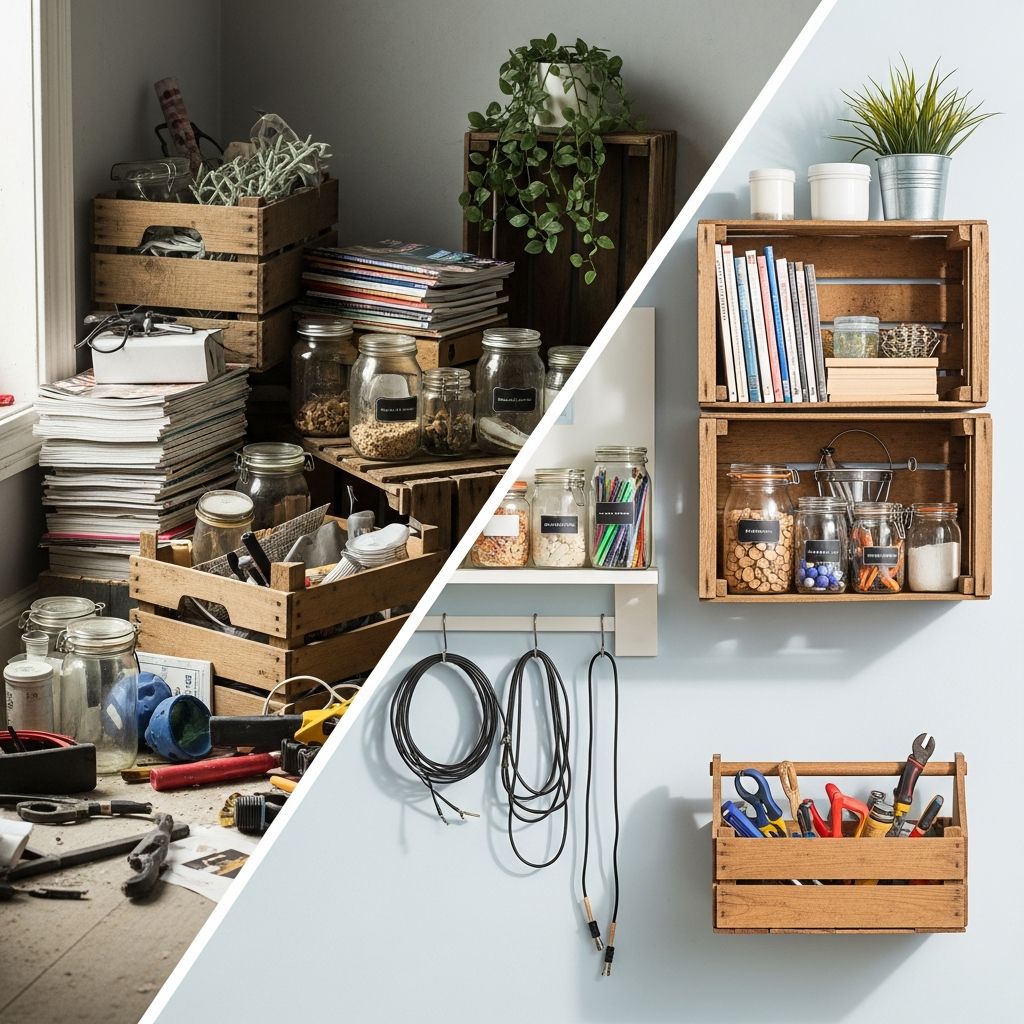
Decluttering does not always start with buying new bins or hiring a professional organizer. It often begins with looking at what you already own and deciding how those forgotten, underused, or awkward items can be transformed into smart storage and everyday helpers. By repurposing instead of discarding, you clear surfaces, save money, and give your home a more personal, creative feel.
Why Repurposing Beats More Storage Shopping
Many homes feel cluttered not because they lack storage, but because belongings do not have a defined purpose or place. Repurposing tackles both problems: it turns idle objects into storage tools and forces you to decide what truly deserves to stay. Instead of adding more containers to an overflowing room, you reduce what you own and make the rest work harder.
This approach is also budget and eco-friendly. Repurposing stretches the life of items you already paid for, cuts down on trips to the store, and keeps usable materials out of landfills. Over time, you build a home that reflects your creativity and priorities, not just what happened to be on sale in the storage aisle.
Start with a Purpose, Not a Pile
Before you begin repurposing, define how you want each room to function. Once the purpose is clear, you can decide which items support that purpose and which are simply adding visual noise. From there, it becomes much easier to see which pieces can be reimagined as storage or organizing tools.
- Identify the main activities in the space (work, sleep, play, dining, hobbies).
- List what constantly ends up on surfaces: mail, keys, toys, craft supplies, electronics, or clothing.
- Match those repeat offenders with possible repurposed solutions, such as trays, jars, baskets, or boxes you already own.
Think of this as designing a system rather than just cleaning. When everything has a clear role and container, clutter becomes easier to prevent instead of constantly having to fix.
Room-by-Room Repurposing Ideas
Every room in your home hides opportunities to repurpose objects into storage. Instead of viewing an item by its original label, focus on its size, durability, and shape. A baking dish can hold keys, a basket can corral blankets, and a toolbox can tame craft supplies.
Entryway and Hallway Fixes
The entryway is where clutter tends to land first, so turning existing objects into landing zones will make a big impact. Look for items with compartments, handles, or lids that can withstand daily use near the door.
- Repurpose a shallow serving tray as a drop zone for keys, sunglasses, and wallets on a small console table.
- Use a sturdy gift box or old shoebox, wrapped in fabric or contact paper, as a hidden container for dog leashes, lint rollers, and reusable shopping bags.
- Hang mismatched hooks or leftover cabinet pulls on a scrap piece of wood to create a custom coat and bag rack.
Living Room Storage Upgrades
Living rooms often overflow with remotes, blankets, magazines, and kids’ activities. With a few thoughtful repurposing moves, you can clear coffee tables and make cleaning up faster and easier.
- Turn a vintage suitcase or sturdy crate into a side table that doubles as hidden storage for board games and extra throws.
- Repurpose decorative bowls and ramekins into organizers for remotes, chargers, and small gadgets on a shelf or credenza.
- Use an old ladder or blanket rack as a vertical storage stand for quilts, newspapers, or even hanging baskets.
Kitchen and Dining Area Solutions
Kitchens tend to accumulate excess gadgets, containers, and cooking tools. Repurposing in this area focuses on keeping daily-use items within reach while tucking infrequent tools out of sight.
- Convert mason jars, jam jars, or candle jars into labeled storage for utensils, snack packs, or dry ingredients.
- Use baking tins, muffin pans, or divided containers to separate tea bags, seasoning packets, or snack bars in drawers.
- Turn a cake stand or lazy Susan into a countertop station for oils, spices, and frequently used condiments.
Bedroom and Closet Refresh
Bedrooms often hide clutter inside drawers and closets. Repurposed organizers help you see what you own, stop duplicates from sneaking in, and make getting dressed less stressful.
- Use small boxes from electronics or beauty products as drawer dividers for socks, underwear, and accessories.
- Convert decorative tins or hatboxes into storage for scarves, belts, and seasonal accessories on the top shelf of your closet.
- Repurpose sturdy shopping bags or fabric totes as vertical storage for purses, clutches, or flip-flops.
Bathroom and Laundry Helpers
In bathrooms and laundry rooms, limited space demands creative use of vertical and hidden storage. Repurposing keeps shelves tidy and makes daily routines smoother.
- Turn candle jars or small vases into holders for cotton pads, toothbrushes, makeup brushes, and razors.
- Use a cutlery tray or craft organizer in a vanity drawer to sort cosmetics, hair accessories, and skincare.
- Repurpose a tiered fruit basket or spice rack to hold toiletries, extra toilet paper, or cleaning supplies.
Kids’ Rooms, Hobbies, and Home Office
Spaces devoted to work, play, and hobbies can easily overflow with papers, toys, craft materials, or tools. Repurposing lets you set boundaries without investing in complicated systems.
- Use muffin tins, ice cube trays, or egg cartons to sort small craft supplies like beads, buttons, and screws.
- Repurpose clear food containers with lids as stackable storage for building blocks, puzzle pieces, and office supplies.
- Turn an unused magazine rack into a filing station for laptops, tablets, cutting boards, or sketchbooks.
From Clutter Object to Storage Hero: Quick Examples
To spark ideas, it helps to see how common household items can transform from clutter into practical storage. The goal is not perfection, but function: if an item makes your daily routine smoother and keeps surfaces clearer, it is a successful repurpose.
| Item That Feels Like Clutter | New Storage Role | Best Location |
|---|---|---|
| Old mugs and chipped cups | Pen, brush, and tool holders | Desk, vanity, craft table |
| Decorative shoeboxes | Cord organizers and photo storage | Closets, under-bed storage, office shelves |
| Outdated serving trays | Entry catchall or bedside organizer | Entry console, nightstand, coffee table |
| Metal tins and cookie cans | Sewing kits or small hardware storage | Laundry room, workshop, linen closet |
| Wooden crates | Open shelving for books or shoes | Living room, kids’ room, entryway |
Use this table as a springboard to walk through your home and list the items that are taking up space without providing value. Almost anything that is sturdy, easy to clean, and safe to handle can become storage if you give it a narrow, well-defined job.
Simple Steps to Declutter While You Repurpose
Repurposing is most effective when paired with actual decluttering. The goal is not to keep everything under the banner of “maybe I’ll use it someday,” but to intentionally select a few items worthy of a second life. A clear process keeps sentiment and indecision from taking over.
- Choose one small area. Focus on a single drawer, shelf, or corner instead of an entire room to avoid overwhelm.
- Sort into three categories. Keep, donate/sell, and recycle/trash. Only a limited number of items should go into a fourth category: repurpose.
- Set a repurpose limit. Decide how many items you will give a new job in that space (for example, three containers and one tray).
- Assign a clear role. For every repurposed object, name its job and where it will live before you put it back.
- Test and adjust. Live with the change for a week, then tweak placements or switch items if they are not functioning well.
By keeping the repurpose category deliberately small, you protect yourself from turning “creative organizing” into a new source of visual clutter. The goal is fewer items, more function, and a calmer home.
Design Tips to Keep Repurposed Storage Looking Stylish
Functional storage does not have to look haphazard or temporary. A few design tricks can unify a mix of repurposed pieces so they blend seamlessly with your existing decor. Think in terms of color, texture, and repetition.
- Stick to a simple color palette. Paint or wrap boxes and containers in two or three repeating colors or patterns.
- Use consistent labels. Handwritten tags, printed labels, or chalkboard markers instantly make repurposed items look intentional.
- Group similar materials. Cluster metal, glass, or woven containers together so they feel like a collection rather than random leftovers.
- Mind visibility. Use opaque containers for visual clutter (cords, kids’ toys) and clear or open pieces for attractive items (craft supplies, linens).
When repurposed storage looks cohesive, it adds character to your home instead of feeling like a stopgap solution. Over time, these personalized systems can become one of your favorite design features.
Common Mistakes to Avoid When Repurposing
Repurposing can easily slip into “creative hoarding” if you are not selective. The goal is not to justify keeping everything, but to give a few high-potential items a new lease on life. Setting clear boundaries prevents your project from reversing into more clutter.
- Saving everything “just in case.” If you cannot name a specific use and location for an item within a week, let it go.
- Ignoring safety and durability. Skip fragile, unstable, or sharp items, especially in kids’ spaces or high-traffic zones.
- Overcomplicating systems. If a storage idea requires multiple steps to use or maintain, it will not last in daily life.
- Forgetting maintenance. Even the most clever repurpose needs periodic editing; schedule quick check-ins to keep systems current.
When in doubt, choose simplicity. A single repurposed shoebox that everyone uses consistently is more valuable than an elaborate, rarely used organizing setup.
Maintaining Your New, Clutter-Light Home
Once your repurposed storage systems are in place, the focus shifts to maintaining them. Small, consistent habits matter more than occasional marathon cleanups. When every item has a designated landing spot, quick resets become part of your routine instead of a special event.
- Spend five to ten minutes each evening returning items to their repurposed containers.
- Use a “one in, one out” rule for categories prone to clutter, such as mugs, throw pillows, or storage baskets.
- Keep a donation bag or box accessible so you can quickly remove items that no longer serve a purpose.
As you live with your new systems, you will discover which repurposed solutions work best and which need adjustment. Treat this as an ongoing, creative process rather than a one-time project.
FAQs: Repurposing and Decluttering
Is repurposing just an excuse to keep clutter?
Repurposing becomes an excuse only if you use it to avoid making decisions. To keep it helpful, limit how many items you repurpose at a time and insist that each has a specific, immediately useful role. If an item cannot earn a job right away, it is better off donated or recycled.
How do I know which items are worth repurposing?
Look for sturdy, easy-to-clean pieces that match your home’s style and could naturally hold, contain, or separate other items. Boxes, baskets, jars, trays, and small furniture pieces are usually the best candidates. Single-purpose, fragile, or rarely used objects are often better released than repurposed.
Do I need to be crafty to repurpose effectively?
You do not need advanced DIY skills. Many of the most practical repurposing ideas involve nothing more than moving an item, labeling it, or using it in a new room. Painting, adding fabric, or installing hardware is optional and can be saved for weekend projects if you enjoy them.
What if my family does not use the new systems?
Involve other household members when you designate containers and locations so the setup reflects how everyone actually lives. Label clearly, keep the most-used items easy to reach, and be open to revising ideas after a trial period. Sometimes a small adjustment in placement or container size makes all the difference.
Can repurposing really make a big difference in small spaces?
In smaller homes, every inch counts, so repurposed storage can have an outsized impact. Vertical solutions like ladders, wall hooks, and stacked containers help reclaim floor space, while under-bed boxes and slim trays tame hidden clutter. When each container pulls double duty, your home feels more open, even without adding square footage.
Final Thoughts
Redesigning your home with repurposed storage is as much about mindset as it is about containers. By choosing fewer, better-used items and assigning them clear roles, you free up physical and mental space. Over time, decluttering through repurposing can turn your home into a calmer, more creative place that supports your daily life instead of competing with it.
Similar Articles


Read full bio of medha deb