Types of Greenhouses: A Complete Guide
Explore greenhouse types to find the perfect growing solution for your garden.
Types of Greenhouses: A Complete Guide to Growing Spaces
A greenhouse is an invaluable addition to any garden, extending your growing season and protecting plants from harsh weather conditions. Whether you’re a seasoned gardener or just starting out, understanding the different types of greenhouses available can help you make an informed decision about which structure best suits your needs. From traditional glass houses to modern polycarbonate designs, each greenhouse type offers unique advantages and considerations that impact your gardening success.
Understanding Greenhouse Basics
Before diving into specific types, it’s important to understand what makes a greenhouse function effectively. A greenhouse works by capturing solar radiation and creating a warm, controlled environment for plants to thrive. The structure traps heat inside, creating microclimates that allow you to grow plants that might not survive in your natural environment. Different greenhouse types achieve this in various ways, using different materials and structural designs.
The primary purpose of any greenhouse is to provide protection from temperature fluctuations, pests, wind, and excessive moisture. Some greenhouses also allow you to start seedlings early in the season, extend your harvest into late fall or winter, and store tender plants during harsh weather. Your choice of greenhouse type should align with these goals and your local climate conditions.
Glass Greenhouses
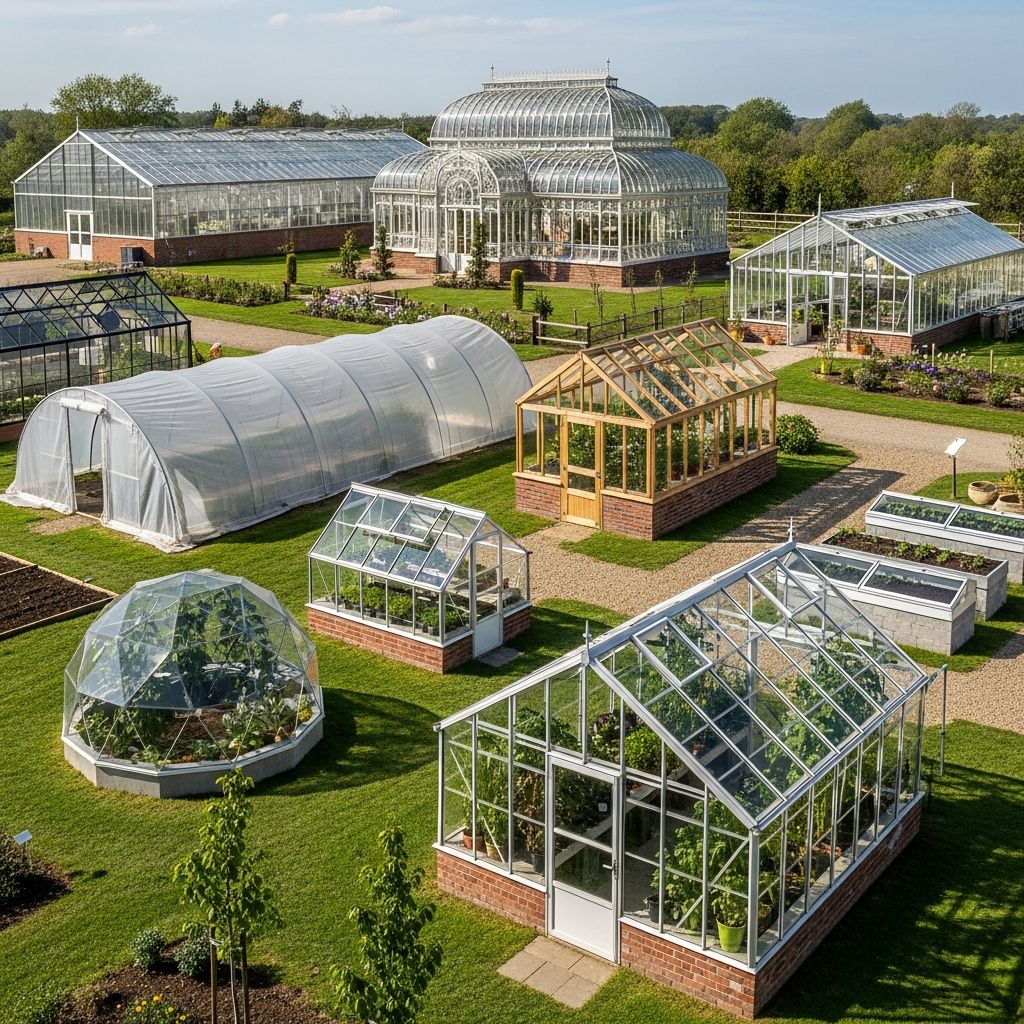
Glass greenhouses represent the classic choice for serious gardeners and commercial operations. These structures use glass panels for walls and roofs, providing exceptional clarity and light transmission. Glass allows approximately 90 percent of natural sunlight to pass through, making it ideal for light-hungry plants.
Advantages of glass greenhouses include:
– Excellent light transmission and clarity- Long-lasting and durable material- Provides superior aesthetics and curb appeal- Easy to clean and maintain visually- Allows for excellent visibility of plants
Disadvantages and considerations:
– Higher initial cost compared to other materials- Expensive to repair if glass breaks- Requires regular maintenance and cleaning- Heat loss occurs more rapidly in winter- Installation is more complex and labor-intensive
Glass greenhouses work particularly well in regions with moderate to high sunlight and where you want maximum light penetration. However, they require more heating in cold climates and can become too hot in summer without proper ventilation systems in place.
Polycarbonate Greenhouses
Polycarbonate greenhouses have become increasingly popular as a practical alternative to glass. This plastic material comes in various thicknesses, typically ranging from 4mm to 10mm, with options for single-wall or twin-wall construction. Twin-wall polycarbonate offers superior insulation properties compared to single-wall versions.
Key benefits of polycarbonate structures:
– Excellent insulation properties reduce heating costs- Lightweight and easier to install than glass- Diffuses sunlight evenly across the growing space- More affordable initial investment- More durable and resistant to breakage- Available in clear or frosted options
Potential drawbacks:
– Can become cloudy or discolored over time with UV exposure- May allow slightly less light transmission than glass (typically 80 percent)- Requires UV protection coating to prevent degradation- May need replacement after 10-15 years depending on quality
Polycarbonate is an excellent choice for gardeners seeking a balance between affordability and functionality. The diffused light it provides prevents hot spots and is particularly beneficial for delicate seedlings and shade-loving plants. Many modern residential greenhouses utilize polycarbonate because of its practical benefits and reasonable cost.
Plastic Film Greenhouses
Plastic film greenhouses, also called hoop houses or high tunnels when they feature arched designs, represent the most economical greenhouse option. These structures use layers of polyethylene plastic held in place with metal or PVC frames. They’re popular in commercial farming and among budget-conscious home gardeners.
Advantages of plastic film structures:
– Most affordable upfront cost- Quick and easy installation- Simple to modify or relocate- Lightweight and portable- Excellent for temporary growing seasons
Limitations to consider:
– Requires annual replacement of plastic sheeting- Lower light transmission compared to glass or polycarbonate- Shorter lifespan than other materials- More susceptible to tears and UV degradation- Requires more frequent maintenance
Plastic film greenhouses work well as transitional structures while you determine whether permanent greenhouse investment suits your gardening needs. They’re ideal for extending growing seasons in milder climates and for experimental gardeners.
Greenhouse Structure Types
Lean-to Greenhouses
Lean-to greenhouses attach directly to an existing building wall, making them space-efficient and cost-effective. They typically feature a sloped roof design and measure between 6-12 feet wide. The attached structure provides insulation and stability, and you can often connect directly to building utilities.
Lean-to advantages: Space efficiency, easier utility access, lower construction costs, wind protection from the attached building.
Considerations: Limited light exposure due to wall attachment, potential shading issues, dependent on building orientation for sunlight exposure.
Freestanding Greenhouses
Freestanding greenhouses stand independently and come in various shapes and sizes, from small 8×10 structures to large 20×40 commercial operations. The rectangular or A-frame design allows 360-degree sun exposure throughout the day.
Benefits of freestanding designs: Maximum light exposure, flexible positioning for optimal sun angles, expandable for future growth, independent functionality.
Drawbacks: Higher construction costs, require individual utility connections, need more protection from wind exposure.
Hoop House Greenhouses
Hoop houses feature a distinctive arched or tunnel-like shape created by bending pipes or metal frames and covering them with plastic film. These structures are popular in commercial agriculture and among gardeners seeking economical solutions.
Hoop house characteristics: Curved roof maximizes interior height, excellent for air circulation, simple construction, effective snow shedding in winter climates.
Greenhouse Sizing and Scale
| Greenhouse Size | Best For | Typical Dimensions | Cost Range |
|---|---|---|---|
| Hobby/Mini | Beginner gardeners, limited space | 6×8 to 8×10 feet | $500-$2,000 |
| Residential | Home gardeners, active growers | 10×12 to 12×20 feet | $2,000-$8,000 |
| Large Home | serious hobbyists, commercial small-scale | 16×20 to 20×30 feet | $8,000-$20,000 |
| Commercial | Professional growers, farming operations | 30×100+ feet | $20,000+ |
Material Comparison for Greenhouse Construction
Selecting the right covering material significantly impacts your greenhouse’s performance and longevity. Each material offers distinct advantages depending on your climate, budget, and long-term goals.
Glass provides the highest light transmission and most permanent solution but requires substantial investment. Polycarbonate balances affordability with durability and insulation. Plastic film offers maximum economy but demands frequent replacement. Fiberglass, another option, provides moderate light transmission and durability at medium cost levels.
Greenhouse Location and Climate Considerations
Proper greenhouse placement is crucial for maximizing sunlight exposure and protecting plants from harsh conditions. Position your greenhouse to receive maximum south-facing exposure in the Northern Hemisphere, typically requiring minimal 6-8 hours of direct daily sunlight.
In cold climates, polycarbonate or glass with proper insulation is essential for maintaining growing temperatures. In hot climates, adequate ventilation systems, shade cloths, and cooling mechanisms become critical. Consider wind exposure, water drainage, and accessibility when selecting your greenhouse site.
Essential Greenhouse Features and Systems
Beyond the basic structure, modern greenhouses benefit from several supporting systems. Proper ventilation through roof vents or exhaust fans prevents excessive heat buildup and strengthens plants by simulating natural wind conditions. Heating systems maintain appropriate temperatures during cold seasons, while cooling systems, shade cloths, and evaporative cooling address heat management in warm climates.
Irrigation systems automate watering and ensure consistent moisture levels. Grow lights extend the growing season and support seedling development in low-light conditions. Benching systems organize plants efficiently and maximize usable space within your greenhouse structure.
Frequently Asked Questions About Greenhouses
Q: Which greenhouse type is best for beginners?
A: Polycarbonate or plastic film greenhouses offer the best starting point for beginners. Polycarbonate provides durability and ease of use, while plastic film offers maximum affordability for testing your greenhouse commitment before major investment.
Q: How much does a greenhouse cost?
A: Costs vary significantly based on type and size. Mini hobby greenhouses range from $500-$2,000, residential greenhouses cost $2,000-$8,000, and larger commercial structures exceed $20,000. Material choice directly impacts price, with glass being most expensive and plastic film most economical.
Q: How long does a greenhouse last?
A: Glass greenhouses last 25-30+ years with proper maintenance. Polycarbonate structures typically last 10-15 years before requiring panel replacement. Plastic film greenhouses need annual or biennial plastic sheet replacement, making their effective lifespan shorter despite lower initial costs.
Q: Do I need a greenhouse foundation?
A: Yes, a proper foundation is essential. Options include concrete pads, gravel bases with landscape fabric, or raised wooden frames. A stable foundation ensures structural integrity, prevents shifting, and protects against pests and moisture issues.
Q: Can I heat a greenhouse during winter?
A: Yes, heating systems range from simple space heaters and propane units to sophisticated thermostatic controls and heat exchangers. Insulation quality through your covering material significantly affects heating requirements and fuel costs.
Q: What’s the ideal greenhouse orientation?
A: South-facing orientation maximizes winter sunlight in northern regions. In very hot climates, east-west orientation with shade protection may be preferable. Consider your latitude and seasonal sun angles when determining placement.
Q: How important is ventilation in a greenhouse?
A: Ventilation is critical for managing temperature, humidity, and air circulation. Without proper ventilation, greenhouses overheat and create conditions favorable to disease and pests. Roof vents, exhaust fans, and intake louvers should provide at least one air exchange per minute.
Choosing Your Perfect Greenhouse
Selecting the right greenhouse type requires balancing multiple factors including budget, available space, climate conditions, and gardening goals. Small hobby gardeners in moderate climates might thrive with affordable polycarbonate or plastic film structures. Serious growers in cold climates typically invest in insulated polycarbonate or glass greenhouses that justify higher upfront costs through extended functionality and durability.
Consider starting smaller than you think you’ll need—greenhouse gardening often becomes addictive, and expanding a proven setup is easier than managing unused space. Evaluate your local climate patterns, seasonal variations, and the specific plants you want to grow. Whatever greenhouse type you select, proper maintenance, adequate ventilation, and appropriate supplemental systems will maximize your growing success and extend your harvest season considerably.
References
- How to Build a Greenhouse — Family Handyman. 2022-07-29. https://www.familyhandyman.com/project/how-to-build-a-greenhouse/
- Greenhouse Materials and Construction Guide — Penn State University College of Agricultural Sciences. https://extension.psu.edu/greenhouse-structures-and-materials
- Choosing and Using Greenhouses for Home Gardening — University of Minnesota Extension. https://extension.umn.edu/gardening-and-yard-care/growing-season-extension
- Polycarbonate Greenhouse Panel Specifications — American Society of Agricultural and Biological Engineers (ASABE). https://www.asabe.org/
- Climate Control Systems for Commercial Greenhouses — U.S. Department of Agriculture. https://www.usda.gov/
Similar Articles




Read full bio of medha deb