Types of Weeds: Identification and Control Guide
Complete guide to identifying common weeds and effective removal strategies.
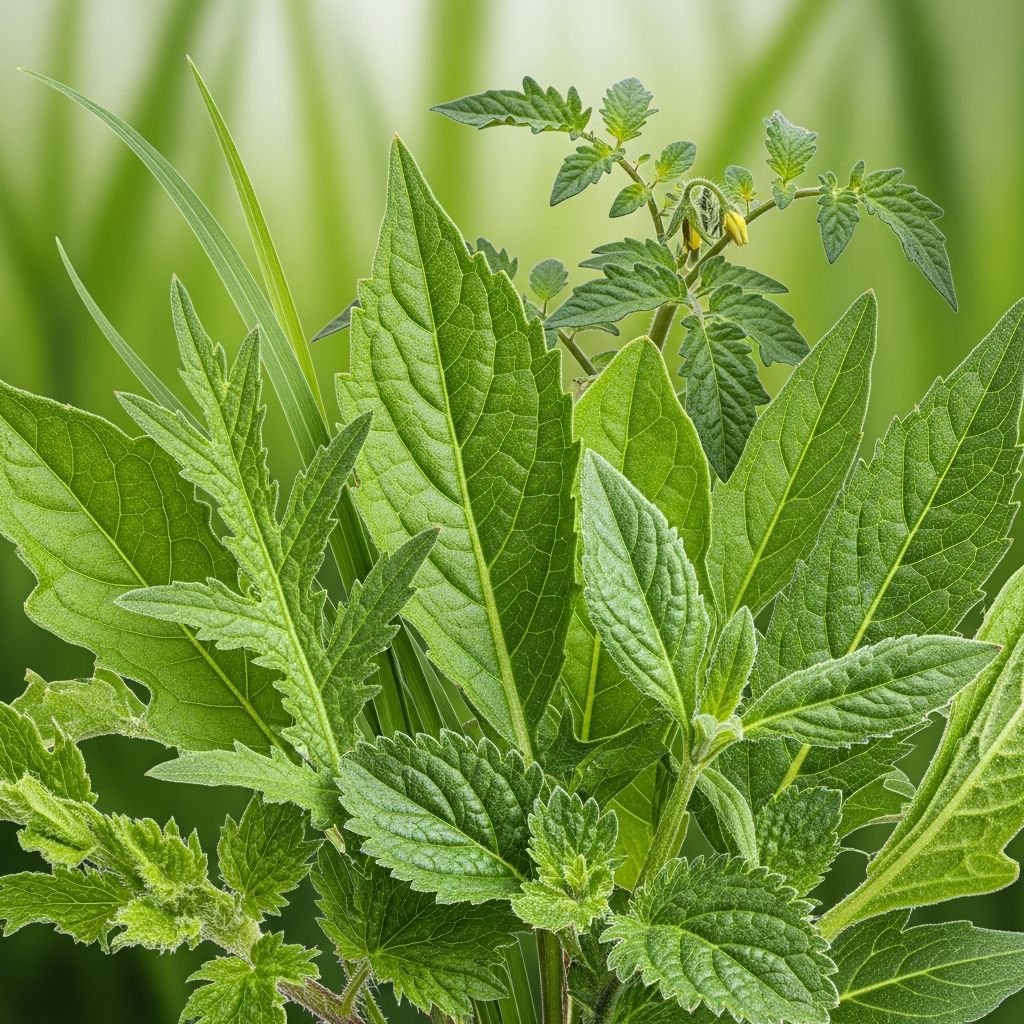
Weeds are one of the most persistent challenges that homeowners and gardeners face when maintaining a healthy lawn and garden. These unwanted plants compete with desirable vegetation for nutrients, water, and sunlight, often winning the battle due to their aggressive growth habits and resilience. Understanding the different types of weeds and how to identify them is the first step toward effective weed management. This comprehensive guide will help you recognize the most common weeds in residential landscapes and provide practical strategies for control.
Understanding Weeds: Definition and Classification
A weed is technically any plant growing where it is not wanted. However, from a botanical perspective, weeds are plants that have adapted to thrive in disturbed environments and spread rapidly. They typically have characteristics such as rapid seed production, efficient dispersal mechanisms, and the ability to survive in various soil conditions. Weeds are generally classified into three main categories: broadleaf weeds, grassy weeds, and sedge weeds. Each category requires different identification techniques and control strategies for optimal results.
Broadleaf Weeds: Characteristics and Identification
Broadleaf weeds are among the most common and recognizable weeds found in lawns and gardens. These plants are characterized by their wide, flat leaves that typically have a prominent vein structure. Broadleaf weeds are dicots, meaning they have two seed leaves, and their leaves generally grow in a rosette pattern close to the ground or along upright stems.
Common Broadleaf Weeds
- Dandelion: One of the most recognizable broadleaf weeds with distinctive jagged leaves and yellow flowers that transform into white seed heads. Dandelions have deep taproots that make them challenging to remove completely.
- Clover: Characterized by round, three-leafed clusters, clover is often found in nitrogen-deficient lawns. While some consider it a beneficial nitrogen-fixer, most homeowners treat it as a weed.
- Plantain: This weed features large, oval leaves with parallel veins. It forms a low rosette and produces tall flower spikes with small brown flowers.
- Chickweed: A low-growing weed with small, oval leaves and tiny white flowers. Chickweed thrives in cool, moist conditions and can quickly overtake lawn areas.
- Lamb’s Quarters: Recognizable by its triangular leaves with a white, powdery coating on the undersides, lamb’s quarters can grow quite tall in garden beds.
- Purslane: This succulent weed has thick, reddish stems and small, paddle-shaped leaves. It’s extremely drought-tolerant and produces small yellow flowers.
Grassy Weeds: Characteristics and Identification
Grassy weeds are particularly challenging for homeowners because their appearance resembles desirable turfgrass, making identification more difficult. These are monocots with narrow, blade-like leaves that grow from the base of the plant. Grassy weeds can be further divided into cool-season and warm-season varieties, depending on their growth patterns and optimal growing conditions.
Cool-Season Grassy Weeds
- Annual Bluegrass: This weed resembles fine fescue or bluegrass but grows in distinctive patches. It has lighter green color than desirable turfgrass and produces seed heads in spring.
- Foxtail: Identifiable by its distinctive spike-like seed head that resembles a fox’s tail, this weed is aggressive and difficult to control once established.
- Quackgrass: With thick, underground rhizomes, quackgrass spreads rapidly and creates unsightly patches in otherwise healthy lawns.
Warm-Season Grassy Weeds
- Crabgrass: This is perhaps the most notorious warm-season grassy weed. Crabgrass grows in low, dense clumps radiating from a central point and produces seed heads in midsummer.
- Goosegrass: Similar to crabgrass, goosegrass forms star-shaped patterns but is more challenging to control because it develops strength as summer progresses.
- Bermudagrass: While sometimes used intentionally as a turfgrass in warm climates, bermudagrass becomes invasive in cool-season lawns due to its aggressive rhizome and stolon growth.
Sedge Weeds: Characteristics and Identification
Sedge weeds are often confused with grassy weeds but have distinct characteristics that set them apart. Sedges have solid, triangular stems rather than hollow round stems like grasses. They typically have three rows of leaves and produce seed heads that look different from grass seed heads. Sedges generally prefer moist conditions and are often found in poorly drained areas of lawns and gardens.
Common Sedge Weeds
- Yellow Nutsedge: This sedge weed produces small, yellow-brown seed spikes and grows taller than surrounding turfgrass. It spreads through underground tubers and is particularly difficult to eliminate.
- Purple Nutsedge: Similar to its yellow counterpart, purple nutsedge produces purple-brown seed heads and is equally invasive and persistent.
- Kyllinga: Also called globe sedge, kyllinga produces distinctive round, greenish-white seed heads and spreads through rhizomes and seeds.
Perennial vs. Annual Weeds
Understanding whether a weed is annual or perennial is crucial for determining the most effective control strategy. Annual weeds complete their life cycle in one growing season, producing seeds before dying. Perennial weeds persist year after year through root systems or underground stems that survive winter dormancy.
| Weed Type | Life Cycle | Reproduction Method | Control Challenge |
|---|---|---|---|
| Annual Weeds | One season | Seeds only | Prevent seed production before maturity |
| Winter Annual Weeds | Two seasons (germinate in fall, flower in spring) | Seeds | Target in fall or early spring |
| Perennial Weeds | Multiple years | Seeds, rhizomes, runners, tubers | Remove complete root systems to prevent regrowth |
Weed Control Methods
Cultural Control
Cultural control involves managing your lawn and garden practices to prevent weeds from establishing. This includes maintaining proper lawn height, ensuring adequate soil drainage, correcting soil pH and nutrient deficiencies, and avoiding soil disturbance that brings dormant weed seeds to the surface. A dense, healthy turfgrass stand is one of the best defenses against weed invasion.
Mechanical Control
Mechanical methods involve physically removing weeds from your landscape. Hand-pulling is effective for isolated weeds, particularly in garden beds, but requires removing the entire root system to prevent regrowth. Digging with a weeding fork or knife helps extract deep taproots from weeds like dandelions. Mowing at the proper height can suppress some weeds but won’t eliminate persistent perennials.
Chemical Control
Herbicides are often the most efficient method for controlling widespread weed infestations. Pre-emergent herbicides prevent weed seeds from germinating and are most effective when applied in spring before warm-season weeds germinate and in fall before winter annuals. Post-emergent herbicides kill weeds that have already emerged and can be selective (targeting specific weed types) or non-selective (killing most vegetation they contact).
Mulching and Barrier Methods
Applying 2-4 inches of mulch to garden beds suppresses weed growth by blocking sunlight and creating a physical barrier. Landscaping fabric under mulch provides additional suppression, though it requires proper installation to be effective. Cardboard or newspaper can be layered under mulch for temporary barriers.
Weed Prevention Strategies
Prevention is always more cost-effective than treatment. Maintain your lawn at the correct height for your grass type, typically 2.5 to 3.5 inches for cool-season grasses. Water deeply but infrequently to encourage deep root systems in desirable plants while discouraging shallow-rooted weeds. Use quality seed when overseeding and avoid bringing weed seeds onto your property through contaminated mulch or compost. Keep landscape edges trimmed and prevent soil compaction that creates ideal conditions for certain weeds.
Seasonal Weed Management Timeline
Spring
Apply pre-emergent herbicides before warm-season weeds germinate. Hand-pull winter annual weeds before they flower. Begin mowing at proper heights and establish a regular maintenance schedule.
Summer
Monitor lawns for crabgrass and other warm-season weeds. Apply post-emergent herbicides to actively growing weeds. Maintain consistent watering and mowing practices to support healthy turfgrass that outcompetes weeds.
Fall
Apply pre-emergent herbicides to prevent winter annual weeds. Continue removing perennial weeds and address areas of thin turf that are susceptible to weed invasion. Apply fall fertilizer to strengthen cool-season grasses.
Winter
Use this dormant season to plan landscape improvements and research effective control strategies for problematic weeds. Avoid unnecessary foot traffic on frozen or dormant turf that could damage the sod.
Frequently Asked Questions About Weeds
Q: How can I distinguish between desirable grass and grassy weeds?
A: The best way to identify grassy weeds is to observe their growth pattern and seed head appearance. Most desirable turfgrasses grow uniformly in the lawn, while grassy weeds typically form distinctive patches or clumps. Crabgrass, for example, grows in circular patches radiating from a central point. Additionally, many grassy weeds are lighter or darker green than the surrounding lawn.
Q: Is vinegar an effective organic weed control method?
A: Vinegar containing 5% acetic acid can be effective on young, tender weeds but works better on broadleaf weeds than grassy weeds. Higher-concentration vinegar (20% acetic acid) is more effective but also more phytotoxic. Vinegar kills only the visible above-ground portion and won’t eliminate roots, so perennial weeds often regrow. It’s most effective as part of an integrated approach.
Q: Should I remove weeds before or after mowing?
A: This depends on the weed type. For broadleaf weeds, it’s often better to remove them before mowing to prevent accidentally spreading seeds. For grassy weeds integrated into the lawn, mowing at the proper height helps weaken them over time while supporting desirable grass growth. Always remove visible seed heads before they mature.
Q: Can I use landscape fabric to permanently prevent weeds?
A: While landscape fabric is effective at suppressing weeds, it’s not permanent. It works by blocking sunlight and preventing seed germination. However, organic matter accumulates on top of the fabric over time, providing a growing medium for new weeds. Landscape fabric also degrades with UV exposure and must be maintained properly, with mulch reapplied as it decomposes.
Q: What’s the best time to treat perennial weeds?
A: The optimal time to treat perennial weeds with post-emergent herbicides is during their active growth periods and when they’re moving energy into roots. For most perennials, fall is ideal because plants are translocating nutrients downward. Spring is the second-best option. Treating when plants are stressed from drought or cold is generally less effective.
Q: Are all weeds harmful to my lawn?
A: While most weeds are considered undesirable in lawns due to aesthetic reasons and competition with grass, some have benefits. Clover, for example, fixes nitrogen from the atmosphere, enriching soil. However, most homeowners prefer a monoculture lawn, and weeds generally indicate underlying lawn health issues that should be addressed through improved maintenance practices.
References
- Weed Management in Lawns and Turf — University of Maryland Extension. 2024. https://extension.umd.edu/find-research/research-projects/weed-management-landscape-ornamental-and-turf
- Common Lawn Weeds: Identification and Control — Penn State College of Agricultural Sciences. 2023. https://extension.psu.edu/common-lawn-weeds
- Integrated Pest Management: Weeds — University of California Agriculture and Natural Resources. 2024. https://ipm.ucanr.edu/PMG/selectnewpest.landscape.html
- Pre-emergent and Post-emergent Herbicides — Purdue University Cooperative Extension Service. 2023. https://www.extension.purdue.edu/extmedia/ay/ay-314.pdf
- Sedge Control in Turf — University of Illinois Extension. 2023. https://extension.illinois.edu/blogs/field-crop-ipm/2023-08-02-sedge-control-turf
Similar Articles







Read full bio of Sneha Tete