Ultimate Guide to Choosing the Best Lawn Mower
Find the perfect lawn mower for your yard with our comprehensive buying guide.
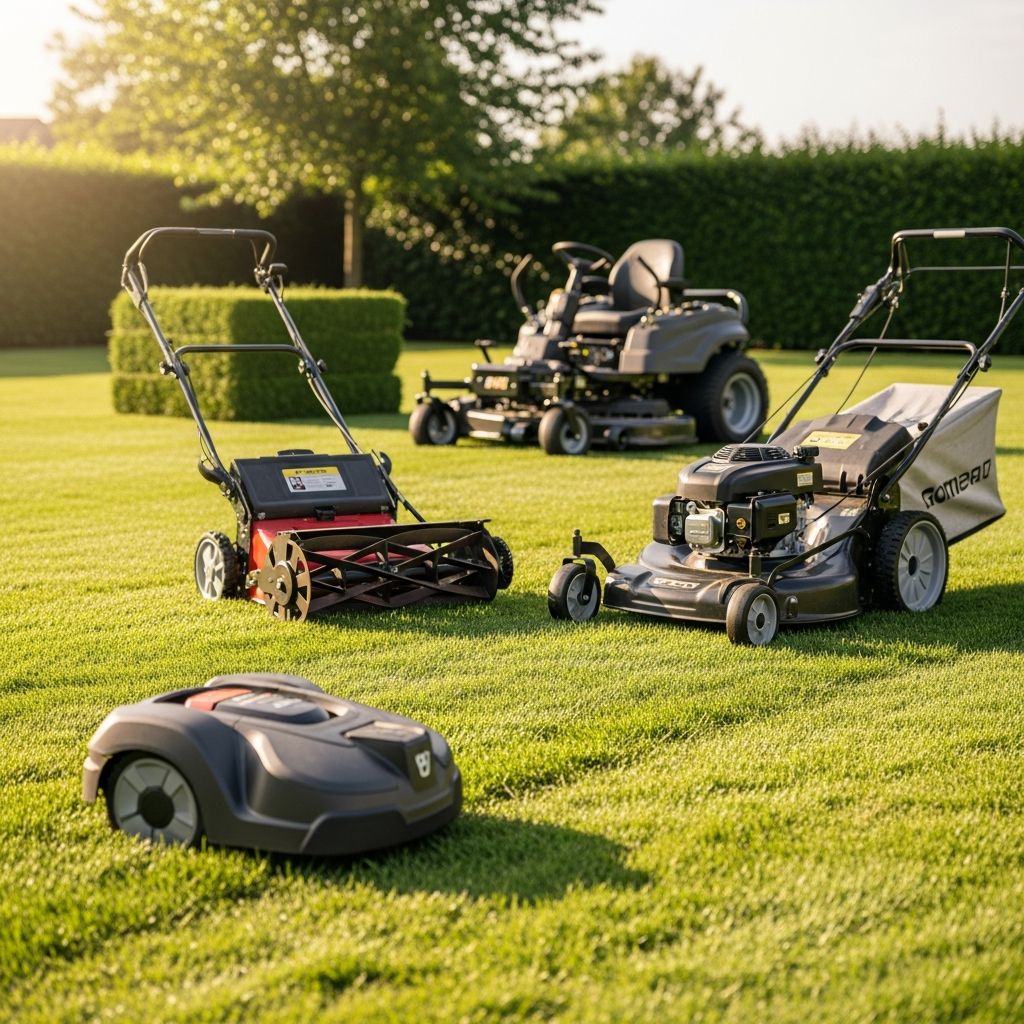
Ultimate Guide to Choosing the Best Lawn Mower for Your Yard
Maintaining a healthy, attractive lawn requires the right equipment, and a quality lawn mower is essential for any homeowner. With numerous options available on the market today, selecting the perfect mower can feel overwhelming. Whether you have a small residential lot or a sprawling property, understanding the different types of lawn mowers and their features will help you make an informed decision that suits your specific needs and budget.
The lawn mower market offers solutions for every type of property and preference, from traditional gas-powered models to modern battery-operated options. Each type comes with distinct advantages and disadvantages that impact factors like maintenance requirements, operating costs, noise levels, and environmental impact. By understanding these differences, you can select a mower that delivers optimal performance while aligning with your lifestyle and values.
Types of Lawn Mowers Explained
Understanding the various lawn mower categories is the first step in making a smart purchasing decision. Each type serves different yard sizes and terrain conditions, and knowing these distinctions will streamline your selection process.
Gas-Powered Lawn Mowers
Gas-powered mowers have been the industry standard for decades and remain popular among homeowners with larger properties. These mowers rely on combustion engines powered by gasoline, delivering consistent cutting power across various grass heights and types. Gas mowers typically offer superior performance on thick, overgrown grass and can handle challenging terrain without performance degradation.
- Powerful engines ideal for larger yards (typically 0.5+ acres)
- Extended runtime without the need for charging
- Capable of handling wet, dense, or tall grass conditions
- Wide range of brands and models with varying price points
- Require regular maintenance including oil changes and tune-ups
- Higher operating costs due to fuel and maintenance expenses
- Generate emissions and noise pollution
Electric Lawn Mowers (Corded)
Corded electric mowers represent an environmentally friendly alternative to gas-powered models. These mowers draw power through an extension cord connected to a household outlet, eliminating the need for fuel or batteries. They’re particularly well-suited for small to medium-sized yards where cord reach is not a limiting factor.
- Quiet operation, ideal for residential neighborhoods
- Zero emissions, contributing to environmental conservation
- Minimal maintenance requirements
- Lower operating costs compared to gas models
- Limited by cord length, typically 100-150 feet of effective cutting range
- Requires proximity to power outlets
- Cord management can be cumbersome during operation
Battery-Powered Lawn Mowers
Battery-powered cordless mowers have revolutionized lawn care by combining environmental benefits with convenience. These mowers use rechargeable lithium-ion batteries, offering true freedom of movement without the cord constraints of electric models. Modern battery technology has dramatically improved runtime and performance, making cordless mowers viable for most residential properties.
- Complete freedom of movement without cords
- Extremely quiet operation
- Low maintenance and minimal servicing
- Eco-friendly with zero emissions
- Limited runtime per charge (typically 30-60 minutes)
- Batteries require charging time between uses
- Higher upfront investment than corded models
- Battery replacement costs over time
Riding Lawn Mowers
For properties exceeding one acre, riding mowers offer efficiency and comfort during longer mowing sessions. These sit-down mowers allow operators to cover large areas quickly while reducing physical fatigue. They’re available in gas-powered and battery-powered configurations, with various features and cutting widths.
- Covers large areas efficiently (cutting decks of 42-54+ inches)
- Reduces operator fatigue on larger properties
- Can feature mulching, bagging, and side-discharge options
- Available with advanced features like cruise control and power steering
- Significant space requirement for storage and operation
- Higher purchase cost than walk-behind models
- Maintenance-intensive, especially gas-powered versions
Push Reel Mowers
Traditional push reel mowers offer a chemical-free, human-powered solution for lawn maintenance. These mechanical devices feature rotating blades that cut grass as you push, making them ideal for small lawns and environmentally conscious homeowners. While they require more physical effort than motorized options, they provide excellent precision and a satisfying connection to lawn care.
- Zero emissions and completely silent operation
- Excellent precision cutting for manicured appearance
- Minimal maintenance and low cost
- Great exercise alternative
- Limited effectiveness on tall or thick grass
- Requires physical exertion unsuitable for all users
- Slower mowing process for larger areas
Key Features to Consider When Selecting a Lawn Mower
Beyond the basic mower type, several important features impact performance, comfort, and results. Understanding these specifications helps ensure you choose a mower that will reliably serve your needs for years to come.
Cutting Width and Deck Size
The cutting width determines how much grass is cut with each pass. Larger cutting widths cover more ground per pass, reducing overall mowing time. For small yards (under 0.25 acres), 18-21 inch decks suffice. Medium properties benefit from 21-30 inch decks, while larger yards should consider 36+ inch decks for efficiency.
Cutting Height Range
The ability to adjust cutting height is essential for different grass types and seasons. Quality mowers offer multiple height settings, typically ranging from 1.5 to 4 inches. This flexibility allows you to maintain optimal grass health throughout different growing seasons.
Mulching and Discharge Options
Different mowing situations benefit from varied discharge methods. Mulching finely shreds clippings and returns nutrients to the lawn. Bagging collects clippings for composting or disposal. Side discharge throws clippings to the side for quick coverage. Premium mowers offer interchangeable systems for maximum flexibility.
Maneuverability and Control
Ease of operation significantly impacts the mowing experience. Features like adjustable handles, self-propulsion, power steering on riding mowers, and lightweight construction enhance comfort and control. Consider your physical capabilities when evaluating these factors.
Noise and Vibration Levels
Noise levels vary dramatically between mower types. Battery-powered and corded electric mowers operate at 60-75 decibels, while gas mowers typically reach 85-90 decibels. Lower noise levels reduce neighborhood complaints and hearing fatigue.
Maintenance Requirements
Different mower types demand varying levels of upkeep. Gas mowers require seasonal tune-ups, oil changes, air filter replacement, and spark plug servicing. Electric and battery-powered models need occasional blade sharpening and cleaning but minimal other maintenance.
Matching Mower Type to Your Yard Size
| Yard Size | Recommended Mower Type | Cutting Width | Best Features |
|---|---|---|---|
| Under 0.25 acres | Corded Electric or Push Reel | 16-21 inches | Lightweight, quiet, low maintenance |
| 0.25-0.5 acres | Battery-Powered or Corded Electric | 20-22 inches | Good runtime, zero emissions, easy control |
| 0.5-1 acre | Battery-Powered or Gas-Powered | 21-30 inches | Extended runtime or continuous power, mulching capability |
| 1+ acres | Riding Mower (Gas or Battery) | 36-54+ inches | Large cutting deck, comfortable seating, efficiency |
Budget Considerations and Cost Analysis
Lawn mower prices range dramatically based on type, brand, and features. Budget-friendly options start around $150-$300 for basic corded electric or push reel mowers. Mid-range battery-powered and gas models typically cost $400-$800. Premium riding mowers and professional-grade equipment can exceed $2,000. When evaluating cost, consider not only the purchase price but also ongoing operational expenses including fuel, maintenance, and potential repairs.
Battery-powered mowers typically feature lower operating costs but higher upfront investment. Gas mowers have moderate initial costs but accumulate expenses through fuel and seasonal maintenance. Corded electric mowers offer excellent value with minimal ongoing costs, making them economical for small properties. Over a ten-year ownership period, total cost of ownership varies significantly based on usage patterns and maintenance practices.
Environmental and Health Considerations
Environmental impact represents an important factor in modern lawn mower selection. Gas-powered mowers contribute to air and noise pollution while consuming fossil fuels. A typical residential gas mower produces emissions equivalent to driving a car for approximately 140 miles. Battery-powered and electric mowers eliminate direct emissions, reducing your environmental footprint while improving air quality in your neighborhood.
Noise pollution affects both your quality of life and that of your neighbors. Electric and battery-powered mowers operate quietly, allowing early morning or evening mowing without disturbing others. This is particularly important in densely populated residential areas where noise restrictions may apply.
Storage and Maintenance Guide
Proper storage and maintenance extend mower lifespan and ensure reliable performance when needed. Store mowers in dry locations protected from weather elements. For gas mowers, drain fuel at the end of the season or add stabilizer to prevent carb gumming. Regularly sharpen blades for clean cutting and lubricate moving parts according to manufacturer specifications. Battery-powered mowers should be stored with batteries at partial charge in cool, dry locations. Annual professional tune-ups help identify issues before they become expensive problems.
Frequently Asked Questions About Lawn Mowers
Q: How often should I sharpen lawn mower blades?
A: Sharpen blades every 20-50 hours of operation or at least twice per mowing season. Dull blades tear grass rather than cutting cleanly, leading to brown tips and increased disease susceptibility. Sharp blades improve cut quality and mower efficiency.
Q: Is a battery-powered mower powerful enough for thick grass?
A: Modern battery-powered mowers with quality lithium-ion batteries handle most residential grass types effectively. However, for consistently thick, overgrown, or wet conditions, gas-powered mowers may provide more consistent performance. Test models before purchasing for your specific conditions.
Q: Can I use a corded electric mower in wet conditions?
A: Most manufacturers recommend avoiding corded electric mowers on wet grass due to electrical shock hazard. Always check the manual for specific wet-weather guidelines. Battery-powered and gas mowers typically handle wet conditions better.
Q: What’s the ideal cutting height for healthy grass?
A: Most lawn grass thrives at 2.5-3.5 inches. Never remove more than one-third of the blade length in a single mowing. Taller grass shades soil, retains moisture better, and crowds out weeds while supporting deeper root systems.
Q: How long do lawn mower batteries typically last?
A: Quality lithium-ion batteries last 3-5 years of regular use before performance noticeably diminishes. Replacement batteries cost $100-$300 depending on voltage and capacity. Proper storage and charging practices extend battery lifespan significantly.
Q: Should I mulch or bag grass clippings?
A: Mulching returns nutrients to the soil, reducing fertilizer needs and promoting lawn health. Bag clippings if they’re excessively long or if disease is present. For typical weekly mowing, mulching provides superior environmental and economic benefits.
Q: What safety equipment should I wear while mowing?
A: Wear long pants, closed-toe shoes with good traction, and eye protection. Consider hearing protection for gas-powered mowers. Keep hands and feet away from discharge chutes and spinning blades. Never refuel gas mowers while operating or hot.
Q: How do I winterize my gas lawn mower?
A: At season’s end, add fuel stabilizer to a full tank and run the mower until fuel lines clear. Alternatively, drain the fuel tank completely. Change the oil, inspect the air filter, and store in a dry location. This prevents gum buildup and corrosion during winter storage.
References
- Lawn Mower Safety — Consumer Product Safety Commission. 2024. https://www.cpsc.gov/Safety-Education/Safety-Guides/Consumer-Guide-Lawn-Mowers
- Environmental Impact of Small Gasoline Engines — United States Environmental Protection Agency. 2024. https://www.epa.gov/small-engines
- Battery-Powered Lawn Equipment Guide — U.S. Department of Energy. 2024. https://www.energy.gov/energysaver/electric-lawn-mowers
- Optimal Grass Cutting Height and Lawn Care Practices — National Association of Landscape Professionals. 2024. https://www.nalp.org/
- Lawn Mower Maintenance and Care Guide — American Society of Agricultural and Biological Engineers. 2023. https://www.asabe.org/
Similar Articles






Read full bio of medha deb