The Ultimate Home Freezer Playbook: What You Can (and Shouldn’t) Freeze
Save money, cut food waste, and simplify weeknights with smarter freezing habits.
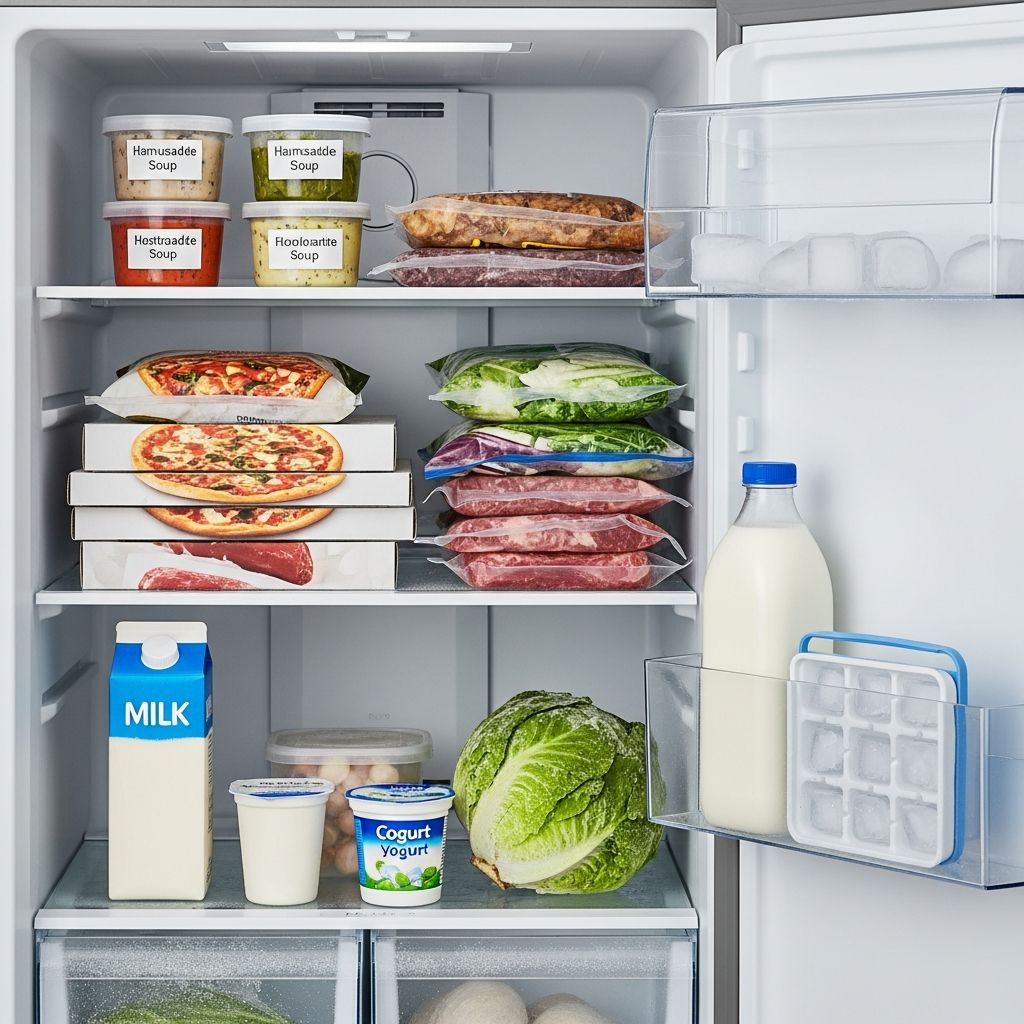
Your freezer can be one of the most powerful tools in your kitchen, but only if you know what belongs in there and what is better left on the counter or in the fridge. Used wisely, it saves you money, reduces food waste, and makes dinner far less stressful.
Why Freezing Food Is So Powerful
Freezing slows down the growth of microorganisms and the chemical reactions that cause food to spoil, which means you can safely store many foods for weeks or even months. It also lets you buy in bulk, batch cook, and stretch seasonal produce well beyond its normal lifespan.
However, not all foods handle freezing in the same way. Some keep their flavor and texture beautifully, while others turn grainy, watery, rubbery, or just unappealing once thawed.
Freezer Basics: Set Yourself Up for Success
Before deciding what to freeze, it helps to understand a few simple freezer best practices that will keep food safer and tasting better for longer.
- Keep the temperature consistent. Aim to maintain your freezer at 0°F (about -18°C) or below for best quality and food safety.
- Cool hot foods first. Let cooked dishes cool closer to room temperature before freezing so they don’t warm up everything around them.
- Avoid overstuffing. Air should still be able to circulate; packing the freezer too tightly can cause uneven freezing and soft spots.
- Use airtight packaging. Remove as much air as possible from bags and containers to prevent freezer burn and off flavors.
Best Foods to Freeze for Everyday Convenience
Many staple ingredients and make-ahead dishes actually improve your routine when stored in the freezer. Here are some all-stars you can rely on.
1. Meat, Poultry, and Fish
Animal proteins freeze very well as long as they are fresh when frozen and properly wrapped. Use them to build quick weeknight meals with minimal prep.
- Raw chicken, beef, and pork: Portion into meal-size bundles, wrap tightly, and label with cut and date.
- Ground meat: Flatten in resealable bags so it freezes and thaws more quickly.
- Fish fillets: Wrap individual pieces so you can thaw only what you need.
2. Bread and Baked Goods
Freezing bread products helps prevent mold and staling, especially if you live in a warm or humid climate. It’s also a smart way to keep homemade treats from going to waste.
- Sandwich bread and rolls: Freeze whole loaves or sliced; toast directly from frozen or thaw at room temperature.
- Muffins, quick breads, and cookies: Cool completely, then freeze in a single layer before transferring to bags or containers.
- Cookie dough: Portion into balls, freeze on a tray, and then bag so you can bake a few at a time.
3. Fruits for Smoothies and Baking
Most fruits freeze well for blended drinks, sauces, and baked goods, even if they lose some of their firm texture. Their flavor and color usually remain appealing in cooked or blended recipes.
- Berries: Spread in a single layer on a baking sheet, freeze, then transfer to bags to prevent clumping.
- Bananas: Peel first, then freeze whole or sliced for smoothies or banana bread.
- Stone fruits and mango: Pit, peel, and slice before freezing for cobblers, crisps, or compotes.
4. Vegetables for Cooking
Many vegetables freeze well when they will be cooked after thawing. Their crispness might change, but they remain great for soups, stir-fries, casseroles, and sides.
- Peas, corn, and green beans: These handle freezing especially well and maintain good flavor and color.
- Broccoli and cauliflower: Cut into florets, briefly blanch in boiling water, cool, pat dry, and then freeze.
- Onions and bell peppers: Chop and freeze raw in small portions to toss directly into recipes.
5. Soups, Stews, and Casseroles
One of the biggest time-savers is stocking your freezer with full meals you only need to reheat. Not all recipes freeze equally, but many hearty dishes do very well.
- Chunky soups and stews: Broth-based or tomato-based versions often maintain excellent flavor and texture.
- Chili, curries, and braises: Rich, saucy dishes usually taste just as good or better after freezing.
- Casseroles: Assemble, wrap tightly, and freeze unbaked or partially baked, then finish in the oven.
Foods You Should Think Twice About Freezing
Some ingredients technically freeze safely but may disappoint once thawed. The main issue is usually texture: ice crystals form, then melt, leaving foods mushy, grainy, or separated.
1. High-Water Vegetables
Vegetables with a lot of water inside their cells often collapse or become limp after freezing. They can still be used in cooked dishes in some cases but rarely work fresh.
- Cucumbers, lettuce, and salad greens: Typically turn soggy; not suitable for fresh salads.
- Raw tomatoes: Become watery and soft; better used cooked in sauces or soups after freezing.
- Raw zucchini and summer squash: Often lose structure; grating and using in baked dishes is a better bet.
2. Some Dairy Products
Dairy can be tricky. Certain items freeze fine for cooking, while others separate or become grainy. Think about how you plan to use them before freezing.
- Hard cheeses: Can be frozen grated or in small blocks for melting into recipes.
- Soft cheeses and fresh cheese spreads: Often turn crumbly or watery once thawed.
- Milk and cream: May separate; better suited for cooking and baking rather than drinking straight.
3. Fragile Egg and Cream Dishes
Delicate textures do not always survive extreme cold. While you can freeze eggs in some forms, not every egg-based dish will return to its original state.
- Whole eggs in the shell: Should not be frozen; the shells can crack and cause a mess.
- Custards, cream pies, and some cheesecakes: Often weep liquid or become rubbery.
- Mayonnaise-based salads: The dressing can break, leaving a watery, separated mixture.
Freezer-Friendly vs. Freezer-Fussy: At a Glance
The table below summarizes how different categories of food generally respond to freezing, so you can make quicker decisions at home.
| Food Category | Freezer Rating | Best Uses After Freezing | Key Tip |
|---|---|---|---|
| Raw meat & poultry | Excellent | Grilling, roasting, stir-fries, slow cooking | Portion and wrap tightly to reduce freezer burn. |
| Fish & seafood | Good to excellent | Baking, pan-searing, stews, chowders | Freeze in thin, flat packages for quicker thawing. |
| Bread & baked goods | Excellent | Toasting, snacking, desserts, breakfast | Wrap well and remove as much air as possible. |
| Fruits | Good | Smoothies, baking, sauces | Freeze in a single layer so they don’t clump. |
| Cooking vegetables | Good | Soups, casseroles, sautés | Blanch some vegetables first to preserve color and texture. |
| Salad greens | Poor | Occasionally in cooked dishes | Avoid freezing if you want them crisp and fresh. |
| Soft fresh cheeses | Fair | Cooking where texture matters less | Expect a more crumbly, less creamy texture after thawing. |
| Hearty soups & stews | Excellent | Ready-to-heat meals | Cool completely, then freeze in labeled portions. |
How to Package Food for the Freezer
Good packaging is one of the biggest differences between freezer food that tastes fresh and food that tastes like ice and cardboard. Air and temperature fluctuations are the main enemies here.
- Choose the right container: Use heavy-duty freezer bags, rigid plastic containers, or glass containers designed for freezing.
- Remove excess air: Squeeze out as much air as possible from bags or press plastic wrap directly onto the surface of sauces and soups.
- Double-wrap for longer storage: For items like bread, meat, and baked goods, use both an inner wrap and an outer bag to prevent freezer burn.
Labeling and Organizing Your Freezer
Freezer chaos leads to forgotten leftovers and wasted food. A simple labeling habit can change everything by helping you see what you have and use it in time.
- Include what, when, and sometimes how: Note the name of the item, the date, and any reheating instructions if needed.
- Group by category: Keep meats on one shelf, vegetables in another area, and ready-to-eat meals in their own section.
- Use the “first in, first out” rule: Place newer items behind older ones so the older packages get used first.
Smart Strategies for Freezing Leftovers
Leftovers can easily transform into future quick meals when frozen thoughtfully instead of shoved into the back of the fridge. The key is portioning and planning.
- Freeze in single portions: Smaller servings thaw faster and reduce the temptation to re-freeze extras.
- Avoid freezing the full pot: Spread soups and sauces into shallow containers so they cool and freeze more evenly.
- Skip freezing if quality will be poor: If a dish is already overcooked or unappealing, freezing won’t improve it.
Thawing and Reheating Safely
How you bring frozen food back to eating temperature matters for both food safety and taste. Some methods are safer and more reliable than others.
- Refrigerator thawing: Allow frozen foods to thaw slowly in the fridge; this keeps them safely cold while they defrost.
- Cold-water thawing: For faster results, seal food in a leak-proof bag and immerse in cold water, changing the water regularly.
- Direct-from-frozen cooking: Many baked goods, vegetables, and some meats can be cooked straight from the freezer with adjusted cooking times.
Maximizing Quality: Texture, Flavor, and Color
Even safe frozen food can be disappointing if it looks dull or tastes flat. A few simple habits can help you maintain as much quality as possible over time.
- Avoid long storage times: While many foods remain safe for months, flavor and texture gradually decline, so rotate stock regularly.
- Blanch certain vegetables: Briefly cooking and cooling some vegetables before freezing helps preserve color, structure, and taste.
- Season lightly before freezing: Salt and spices can intensify or fade; adjust seasonings after reheating if needed.
Quick FAQ: Common “Can I Freeze This?” Questions
Can you freeze cooked pasta?
Yes, you can freeze cooked pasta, but it is best done when the pasta is slightly under-cooked and coated with a bit of sauce or oil. This helps prevent it from turning mushy when you reheat it.
Is it okay to freeze coffee?
Whole coffee beans can be frozen if they are tightly sealed and not repeatedly thawed and refrozen. Ground coffee is more prone to absorbing odors and losing aroma, so store it in small, well-sealed portions if you choose to freeze it.
Can you freeze fresh herbs?
Yes, many fresh herbs freeze well, especially when chopped and frozen in oil or water in ice cube trays. Delicate herbs may wilt but still add good flavor to soups, sauces, and sautés.
What about yogurt?
Yogurt can be frozen, though the texture often becomes grainy once thawed. It still works in smoothies, baking, or cooking even if it is less pleasant to eat by the spoonful.
Can you refreeze thawed food?
As a general rule, once raw meat or seafood has been fully thawed in the refrigerator, it is safer to cook it before freezing again. Cooked foods that were thawed in the fridge can often be refrozen, though each freeze-thaw cycle can reduce quality.
Putting Your Freezer to Work
When you know which foods freeze well and how to store them, your freezer becomes more than a cold box—it becomes a planning tool that supports easier, less stressful cooking. Instead of wondering whether something can be frozen, you can confidently decide what to stock up on, what to batch cook, and what to skip.
Start with a small clean-out, label what you keep, and gradually build a stash of freezer-friendly staples and ready-to-heat meals. Over time, your future self will be grateful every time you open the door and discover dinner already waiting there.
Similar Articles






Read full bio of medha deb