Unlocking Cactus Blooms: A Complete Guide
Master the art of getting your indoor and outdoor cacti to flower abundantly
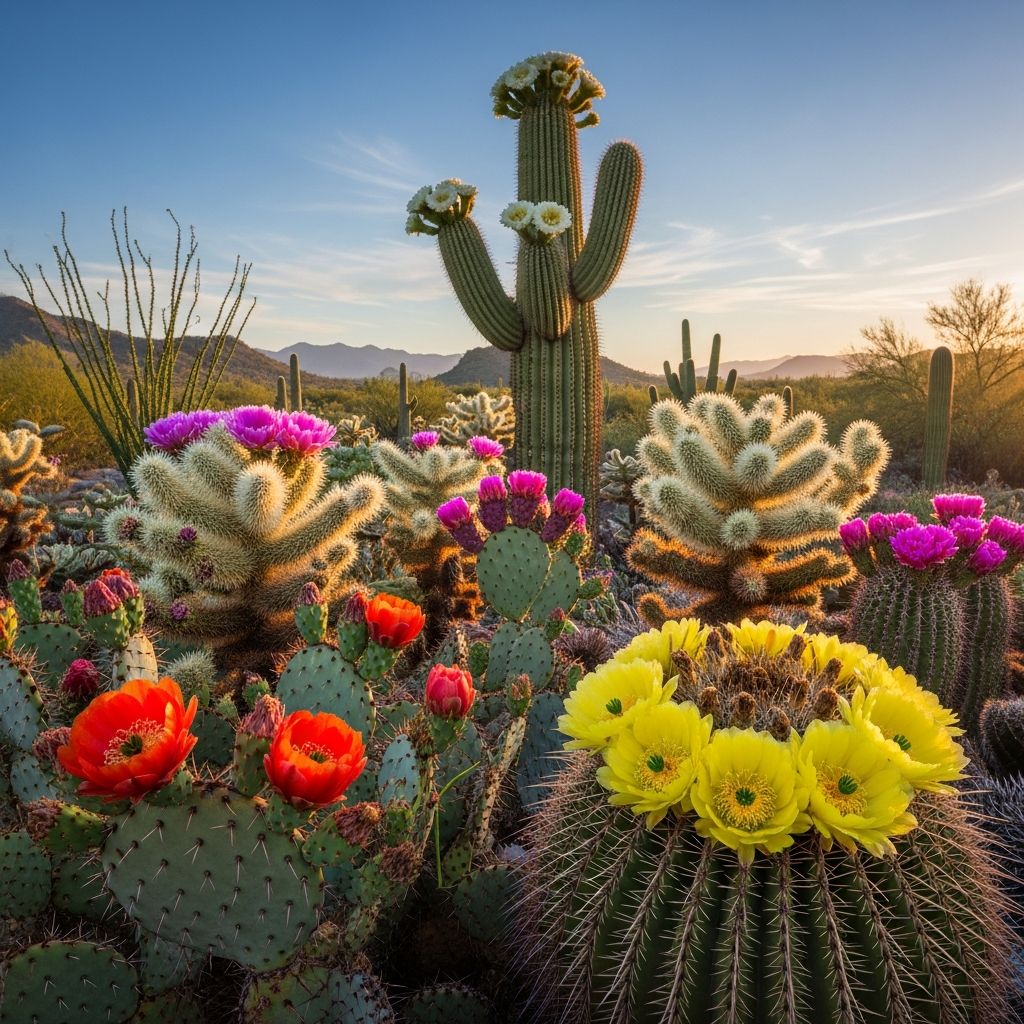
Unlocking Cactus Blooms: A Complete Guide to Encouraging Flowering
Cacti represent some of nature’s most remarkable flowering plants, yet many indoor gardeners struggle to achieve those stunning blooms. The challenge lies in understanding that cacti blooming requirements differ significantly from typical houseplants. While cacti are known for their resilience and minimal care needs, triggering their flowering mechanism demands specific environmental conditions that replicate their native desert habitats. This comprehensive guide explores the science behind cactus blooming and provides actionable strategies to transform your collection into a vibrant display of colorful flowers.
Understanding Why Cacti Bloom
Cacti flowers serve a fundamental biological purpose: reproduction and species survival. In their natural arid environments, flowering represents a critical life stage where cacti invest energy into attracting pollinators and producing seeds before harsh seasonal conditions arrive. This reproductive strategy has evolved over millions of years, making cactus blooming deeply connected to seasonal patterns and environmental stress factors.
The flowers themselves are evolutionary marvels. Many cactus species produce blooms that are disproportionately large compared to the plant’s overall size, making them visually striking and easily visible to their specialized pollinators. Some cacti flowers last only hours, while others persist for days, creating a sense of urgency and rarity that makes witnessing their blooms a genuinely special experience. Additionally, numerous cactus species have adapted to nocturnal blooming, attracting bats and moths during cooler evening temperatures. Understanding these biological imperatives helps explain why simply placing a cactus on a windowsill rarely produces flowers—the plant requires environmental cues that signal favorable conditions for reproduction.
The Role of Light in Triggering Blooms
Light intensity stands as one of the most critical factors influencing cactus flowering. Most cacti are heliotropic plants, meaning they thrive in exceptionally bright conditions and require substantial light exposure to initiate the flowering process. In desert environments, cacti experience unobstructed sunlight for eight to twelve hours daily, a condition rarely replicated indoors.
Positioning and Natural Light: Place cacti in south-facing windows to capture maximum natural sunlight throughout the day. This orientation provides the most direct and intense light available indoors. If your home lacks sufficient natural light or you’re growing cacti during winter months when daylight diminishes, supplemental grow lights become essential. These specialized horticultural lights emit wavelengths specifically calibrated to support plant growth and flowering, delivering light intensity that standard household bulbs cannot match.
Light Duration and Photoperiodism: Many cactus species are photoperiodic, meaning they detect changes in day length and use these signals to regulate flowering cycles. In nature, shorter days during autumn and winter trigger physiological changes that prepare cacti for dormancy and subsequent spring blooming. Indoor environments with artificially consistent day lengths throughout the year can confuse this biological clock. To address this, you can manipulate light exposure using blackout curtains to create shorter effective day lengths during the dormant season, or employ timers on grow lights to regulate light duration precisely.
Temperature Management and Dormancy Cycles
Temperature fluctuations represent another essential component of cactus flowering. Desert cacti experience dramatic temperature swings—scorching days followed by cool nights. This temperature differential, combined with seasonal variations, serves as a critical signal for flowering initiation.
Creating Temperature Fluctuations: Ideally, maintain daytime temperatures between 70-85°F and allow nighttime temperatures to drop to 50-55°F. This 20-35 degree temperature differential mimics natural desert conditions and stimulates flowering in many species. Avoid placing cacti near heating vents, air conditioning units, or other sources of extreme temperature fluctuations, as these can stress the plant inappropriately. Instead, choose locations with stable temperature ranges that you can modify gradually.
Winter Dormancy Requirements: Perhaps the most overlooked factor in indoor cactus cultivation is the necessity of winter dormancy. Many cactus species evolved in regions with distinct seasonal cycles, requiring a prolonged cool period to accumulate the physiological changes needed for spring flowering. This dormant phase typically lasts 2-4 months with temperatures below 15°C (59°F). During this period, reduce watering dramatically—think of conditions in a winter desert with minimal precipitation. This cooling period essentially forces the plant to “rest,” after which spring conditions trigger vigorous growth and flowering.
Mastering Watering Techniques
Water management profoundly impacts whether cacti flower. Overwatering represents perhaps the most common mistake made by well-intentioned cactus owners, as it contradicts the plant’s native growing conditions.
Growing Season Watering: During spring and summer growth periods, water cacti deeply but infrequently, allowing soil to dry completely between waterings. This approach mirrors the sporadic rainfall in desert regions. The key principle: it’s far better to underwater than overwater. Prolonged soil moisture invites root rot and fungal diseases that directly inhibit flowering.
Water Stress as a Flowering Trigger: Interestingly, periods of controlled water stress can actually stimulate blooming in certain cacti species. In their native habitats, cacti often flower during or immediately after drought periods, as blooming allows reproduction before more severe dry conditions develop. By intentionally reducing water availability during specific seasons, you can leverage this evolutionary adaptation to encourage flowering.
Dormancy Season Watering: During the winter dormant period, minimize watering to nearly zero. Some cacti require almost no water for several months. This dramatic reduction in moisture, combined with cool temperatures, constitutes the primary trigger for spring flowering in many species. Resume normal watering only when temperatures warm and new growth appears.
Selecting Fertilizers and Nutrients
While cacti adapted to nutrient-poor desert soils require minimal fertilization compared to other houseplants, strategic nutrient application can support blooming.
Potassium-Rich Formulations: Use high-potassium cactus-specific fertilizers during the growing season to encourage flower development. Potassium supports flowering and fruiting processes across plant species, and cacti benefit from supplemental applications during spring and early summer. However, avoid nitrogen-heavy fertilizers, which promote vegetative growth at the expense of blooming.
Seasonal Fertilization Schedule: Apply balanced cactus fertilizer from spring through early summer, gradually reducing applications as autumn approaches. Cease fertilizing entirely by fall to support the transition into dormancy. This seasonal approach reinforces natural blooming cycles by providing nutrients when growth is active while withholding them during rest periods.
Choosing Appropriate Cactus Species
Not all cacti respond equally to indoor cultivation. Some species bloom readily with minimal effort, while others prove frustratingly reluctant. Selecting inherently cooperative species dramatically improves your success rate.
Indoor-Friendly Blooming Cacti: Easter Lily Cactus (Echinopsis spp.) and Christmas Cactus (Schlumbergera spp.) rank among the most reliable bloomers for indoor gardeners. These species naturally adapt to household conditions and respond predictably to dormancy triggers. Prickly Pear cacti typically flower reliably when dormancy requirements are met, displaying vibrant yellow or magenta blooms in spring. Research your specific species’ native habitat and seasonal patterns before implementing care strategies, as requirements vary considerably.
Environmental Humidity and Air Circulation
Indoor environments typically maintain higher humidity levels than the arid conditions cacti evolved to tolerate. Excessive humidity discourages flowering and increases disease susceptibility, particularly fungal infections that compromise plant health.
Improve air circulation by positioning cacti in well-ventilated areas and using fans to gently move air around plants. This prevents moisture accumulation at the soil surface and around the base of the plant. For indoor cacti, maintaining humidity below 40% creates conditions closer to their native deserts. Avoid grouping cacti with tropical plants that prefer higher moisture; instead, position them separately with good spacing to allow air movement.
Seasonal Transition and Light Adjustment Techniques
Gradually acclimating cacti to changing seasonal conditions prevents shock while optimizing flowering triggers. If you’re transitioning cacti from indoor conditions to outdoor environments during warmer months, implement gradual exposure rather than sudden placement in full sun.
Gradual Light Exposure Protocol: Begin by placing the cactus in a dark location for approximately one week, essentially shocking its system with reduced light. Follow this with progressive light exposure: place it in shade for one day, then provide 30 minutes of direct sunlight the following day. Incrementally increase daily sunlight exposure by approximately one hour each day until reaching your target duration of 5+ hours. This gradual approach prevents sunburn while conditioning the plant to enhanced light conditions that trigger blooming.
Handling Established Plants and Preventing Disruptions
Once cacti develop flower buds, minimize disturbances to the plant. A fundamental principle in cactus cultivation: avoid rotating or moving potted cacti that show signs of budding. Even minor repositioning can cause bud drop, preventing flowering entirely. Additionally, cacti approaching bloom often require minimal water as they redirect energy into flower development.
Common Obstacles to Cactus Flowering
Understanding potential barriers helps diagnose why your cacti fail to bloom. Young cacti may simply lack sufficient maturity to flower—some species require 3-5 years before reaching reproductive age. Environmental factors present additional challenges: inadequate light is the most common cause of blooming failure in indoor cacti. Insufficient winter dormancy also prevents many species from initiating flowering cycles. Additionally, lack of specific pollinators indoors means cacti produce flowers without setting seeds, though they still develop visibly.
Frequently Asked Questions About Cactus Flowering
Can I force my cactus to bloom faster?
While you cannot rush the fundamental processes cacti require for flowering, you can optimize conditions to encourage blooming at the appropriate time. Providing intense light, implementing proper dormancy periods, and maintaining temperature fluctuations will produce blooms as quickly as the plant’s physiology allows. Attempting to force faster blooming through excessive fertilization or heat typically backfires, producing vegetative growth instead of flowers.
What if my cactus has never bloomed despite proper care?
Patience proves essential—some cacti take years to mature sufficiently for flowering. Continue providing optimal care without expecting immediate results. Alternatively, your specific cactus species may naturally resist indoor flowering regardless of conditions. In this case, consider whether outdoor cultivation during warm months might trigger blooming by providing conditions impossible to replicate indoors.
Do all cacti require winter dormancy?
Most desert cacti benefit from dormancy, but tropical cacti like Christmas Cactus prefer slightly different conditions. Research your particular species’ native habitat to determine specific dormancy requirements. Some cacti thrive without pronounced dormancy, while others absolutely demand it for flowering.
How long does it take to see results after implementing these strategies?
Changes take time. After establishing proper conditions, expect to see flowering within one to two growing seasons for responsive species. Some cacti may require multiple years of optimal care before producing blooms, particularly if they’ve been neglected previously.
Comprehensive Cactus Blooming Requirements Summary
| Requirement | Spring/Summer (Growing Season) | Fall/Winter (Dormancy) |
|---|---|---|
| Light | 8-12 hours bright, direct light daily | Reduced light; use blackout curtains or natural short days |
| Temperature | 70-85°F daytime, 50-55°F nighttime | Below 59°F (15°C), maintain cool conditions consistently |
| Water | Deep watering when soil completely dry | Minimal watering; allow extended drying periods |
| Humidity | Below 40%; ensure air circulation | Low humidity; maintain ventilation |
| Fertilizer | High-potassium formula monthly | No fertilization; cease applications |
Conclusion: Creating Your Blooming Cactus Paradise
Successfully encouraging cactus blooms requires patience, precision, and understanding of these remarkable plants’ evolutionary adaptations. By implementing the strategies outlined—maximizing light exposure, establishing proper dormancy cycles, managing water carefully, and providing appropriate temperature fluctuations—you create an indoor environment that triggers the flowering mechanisms cacti evolved over millennia. The reward is witnessing those spectacular, often unexpected blooms that justify the meticulous care investment. Whether your cacti eventually produce flowers depends largely on your commitment to replicating their native environmental conditions as closely as possible within your home. Start with one or two specimens, master the requirements, and gradually expand your collection. Each successfully blooming cactus represents a triumph of horticultural knowledge and patient cultivation.
References
- Cactus Flower 101: How to Make Cactus Bloom — Succulents Box. 2024. https://succulentsbox.com/blogs/blog/cactus-flower-101-how-to-make-cactus-bloom
- How to Grow Cacti & How to Get a Cactus to Flower — The Greedy Vegan. 2024. https://thegreedyvegan.com/how-to-grow-cacti/
- How to Make a Cactus Bloom (ABUNDANTLY) — YouTube. 2024. https://www.youtube.com/watch?v=ru0VF5VoAuM
- When Do Cacti Flower? A Seasonal Guide to Their Stunning Blooms — Wekiva Foliage. 2024. https://www.wekivafoliage.com/blogs/plant-care/when-do-cacti-flower-a-seasonal-guide-to-their-stunning-blooms
- The Ultimate Guide to Blooming Cactus: Tips for a Colorful Display — Bumble Plants. 2024. https://www.bumbleplants.com/blogs/plants/blooming-cactus
- A Monthly Guide to Cactus Blooms — The Joshua Tree House. 2023-05-17. https://www.thejoshuatreehouse.com/2023/05/17/cactus-flowers/
- Care for cacti with flower buds — CactiGuide.com. 2024. https://cactiguide.com/forum/viewtopic.php?t=46271
- How to Get Your Cactus to Flower — Dengarden. 2024. https://dengarden.com/gardening/how-to-get-your-cactus-to-flower
Similar Articles








Read full bio of Sneha Tete