Unlocking File Cabinet Drawers: Complete Guide
Master techniques to release stuck file cabinet drawers, perform maintenance, and ensure long-term smooth operation for any cabinet type.
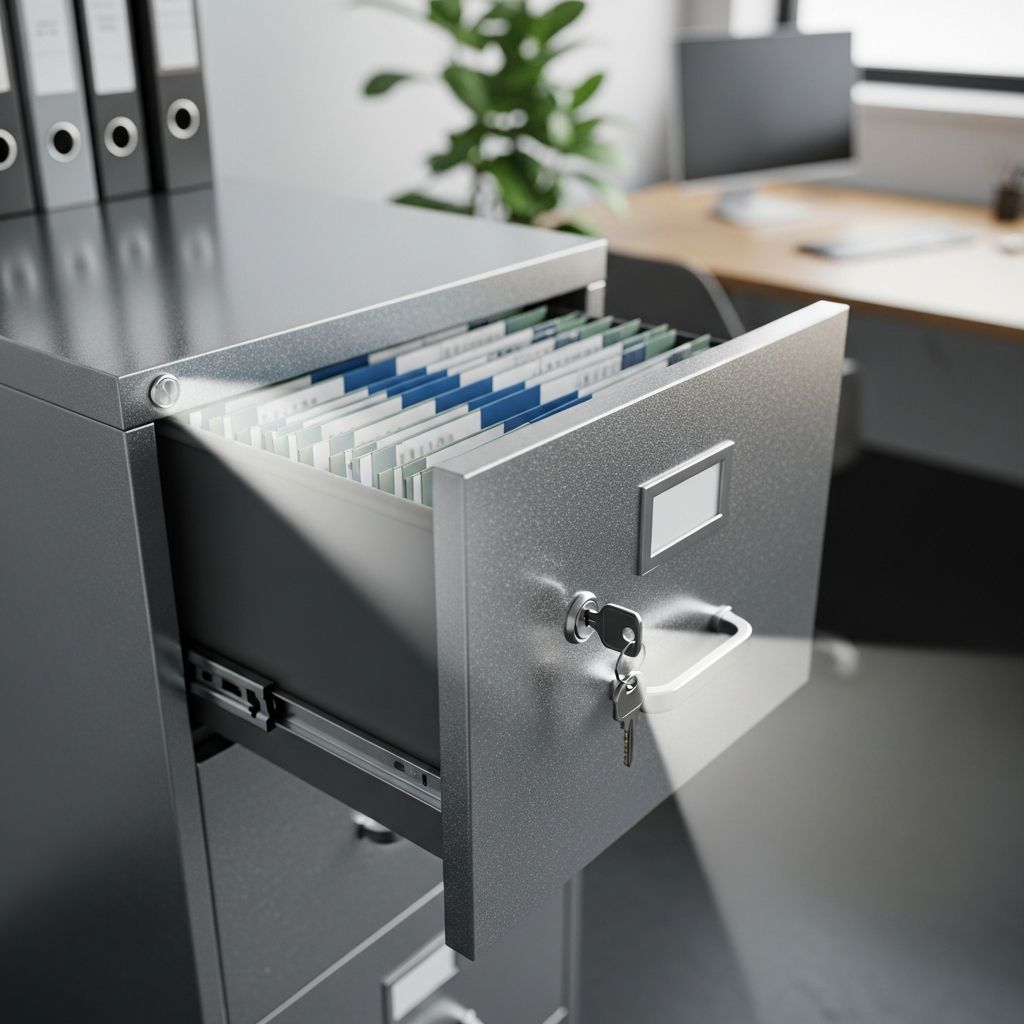
File cabinets are essential for organizing documents in homes and offices, but when drawers get stuck, it can disrupt workflows and cause frustration. This guide provides detailed, safe methods to release jammed drawers, address underlying causes like misalignment or dirt buildup, and implement maintenance routines for optimal performance. Whether dealing with lateral files, vertical cabinets, or wooden units, these techniques ensure quick fixes and longevity.
Understanding Drawer Mechanisms in File Cabinets
File cabinet drawers operate using various slide systems designed for smooth extension and secure closure. Common types include ball-bearing slides, roller mechanisms, and cradle suspensions, each with unique release points. Ball-bearing slides, prevalent in modern metal cabinets, use steel balls for low-friction movement and often feature levers for easy removal. Roller systems rely on wheels that can accumulate debris, while cradle assemblies in vertical files support heavy loads but require periodic cleaning without lubrication.
Stuck drawers typically result from misalignment, rust, dirt, or safety locks engaging unexpectedly. Proper understanding prevents damage during removal. For instance, lateral file cabinets may have lock bars that bind if the unit is unevenly leveled. Regular inspection reveals wear early, as 70% of issues stem from neglected maintenance.
Safe Techniques to Release Stuck Drawers
Before applying force, assess the cabinet type and jam severity. Always empty drawers partially to reduce weight and risk.
Method 1: Lever or Clip Disengagement for Ball-Bearing Slides
- Extend the drawer fully until it stops.
- Locate release levers on the slide sides, typically near the rear inside the cabinet.
- Press or lift levers simultaneously while pulling the drawer forward.
- If levers are stiff, apply gentle upward pressure on the drawer front while activating.
This method works for 80% of modern slides, allowing complete removal for deeper cleaning.
Method 2: Overcoming Lock Bar Jams in Lateral Cabinets
Lateral files often feature a metal lock bar that drops and binds drawers. Insert a thin, rigid tool like a putty knife between the drawer front and cabinet side to lift the bar. Ensure the cabinet is level, as uneven footing causes binding—adjust leveling feet if needed. Test by opening adjacent drawers; if they move, repeat on the stuck one.
Method 3: Manual Extraction for Wooden or Older Cabinets
- Gently rock the drawer: Apply alternating pressure side-to-side while pulling.
- Lubricate edges: Spray silicone lubricant on visible slide edges (avoid wood interiors).
- Lift and tilt: Raise the front slightly (1-2 inches) and pull straight out, disengaging wooden runners.
Avoid prying with screwdrivers to prevent scratches. If unsuccessful, proceed to disassembly.
| Drawer Type | Best Release Method | Tools Needed |
|---|---|---|
| Ball-Bearing Metal | Lever press | None |
| Lateral Lock Bar | Putty knife lift | Thin tool |
| Wooden Runners | Lift and rock | Lubricant |
| Cradle Suspension | Full extension release | Soft cloth |
Diagnosing and Fixing Common Drawer Problems
Once released, diagnose to prevent recurrence. Inspect slides for rust, bent tracks, loose screws, or debris.
Realigning Misaligned Slides
Misalignment occurs from overloaded drawers or settling cabinets. Remove the drawer fully. Loosen mounting screws 1/4 turn, adjust slides 3/32″ to 1/8″ from cabinet face, and use a level for evenness. Tighten and test insertion—repeat if rubbing persists. Shims (thin wood/plastic) correct minor cabinet warp.
Addressing Rust and Corrosion
Rust binds metal slides. Sand affected areas with fine-grit paper, apply rust inhibitor, and touch-up paint. For prevention, position cabinets away from moisture and use protective mats. Annual checks catch spots early.
Repairing Dents and Physical Damage
Minor dents on drawer fronts or slides: Place a wood block over the dent, tap gently with a hammer, sand smooth, and repaint. Replace severely bent slides by measuring length/width and matching type.
Step-by-Step Cleaning and Lubrication Routine
Cleaning restores smoothness; lubricate sparingly to avoid attracting dirt. Perform biannually or more for heavy use.
Cleaning Process
- Separate components: Remove drawer via levers.
- Wipe members: Use dry microfiber cloth on all surfaces, moving ball retainers to access raceways.
- Deep clean: Damp cloth with mild soap for stubborn grime; dry thoroughly.
- Cradle channels: Wipe suspension runs annually; no soap needed.
Lubrication Best Practices
- Spray dry lubricant (silicone/PTFE) 8-10 inches away on moving parts.
- Work slide back/forth to distribute.
- Avoid oil-based products on metal to prevent gum-up.
Test post-maintenance: Smooth glide indicates success.
Preventive Maintenance for Long-Lasting Cabinets
Proactive care extends life. Dust surfaces weekly with microfiber. Avoid overload (check manufacturer limits). Level units on stable floors, away from sunlight/moisture. For powder-coated finishes, damp cloth suffices—no harsh chemicals. Inspect quarterly for loose hardware; tighten promptly.
Advanced Repairs: Replacing Slides
If slides are irreparable, replace them. Measure old slides, purchase matches (e.g., Accuride ball-bearing). Unscrew old, align new at proper depth, secure, and test. Professional help suits complex installs.
Frequently Asked Questions (FAQs)
Q: Why won’t my file cabinet drawer open even with the key?
A: Likely a lock bar jam or misalignment from uneven leveling. Use a putty knife to lift the bar and check feet.
Q: Can I lubricate wooden drawer slides?
A: Use paste wax sparingly; avoid liquids that swell wood. Clean first.
Q: How often should I clean file cabinet slides?
A: At least twice yearly; monthly for high-traffic offices.
Q: What if the drawer is completely stuck and won’t budge?
A: Empty adjacent drawers for leverage, rock gently, or remove top drawers to access slides from above.
Q: Are there safety risks in fixing drawers?
A: Wear gloves for sharp edges; support heavy drawers to avoid tip-over. Work on level surfaces.
Conclusion
Mastering drawer release and maintenance keeps file cabinets functional for years. Consistent care prevents most issues, saving time and replacement costs. Implement these steps for seamless organization.
References
- How to Fix Drawer Slides Easily in 3 Steps — Woodworker Express. 2025-02. https://woodworkerexpress.com/blog/2025/02/how-to-fix-drawer-slides/
- How to Maintain and Care for Metal Filing Cabinets — Avios Singapore. Accessed 2026. https://www.avios.com.sg/maintain-and-care-for-metal-filing-cabinets/
- 5 Steps To Clean And Lubricate Your Drawer Slides — Accuride. Accessed 2026. https://www.accuride.com/en-us/blog/how-to-install-drawer-slides/5-steps-to-clean-lubricate-drawer-slide-like-new
- Fix A Lateral File Cabinet If The Drawers Won’t Open — YouTube. Accessed 2026. https://www.youtube.com/watch?v=gjqKdHlZNJo
- CARE & MAINTENANCE Instructions — Invincible Furniture. Accessed 2026. https://invinciblefurniture.com/downloads/Instructions_Care_Maintenance.pdf
Similar Articles



Read full bio of Sneha Tete