Unlocking Plumeria Blooms: Expert Care Guide
Master the art of coaxing vibrant, fragrant flowers from your plumeria with proven cultivation techniques and seasonal strategies.
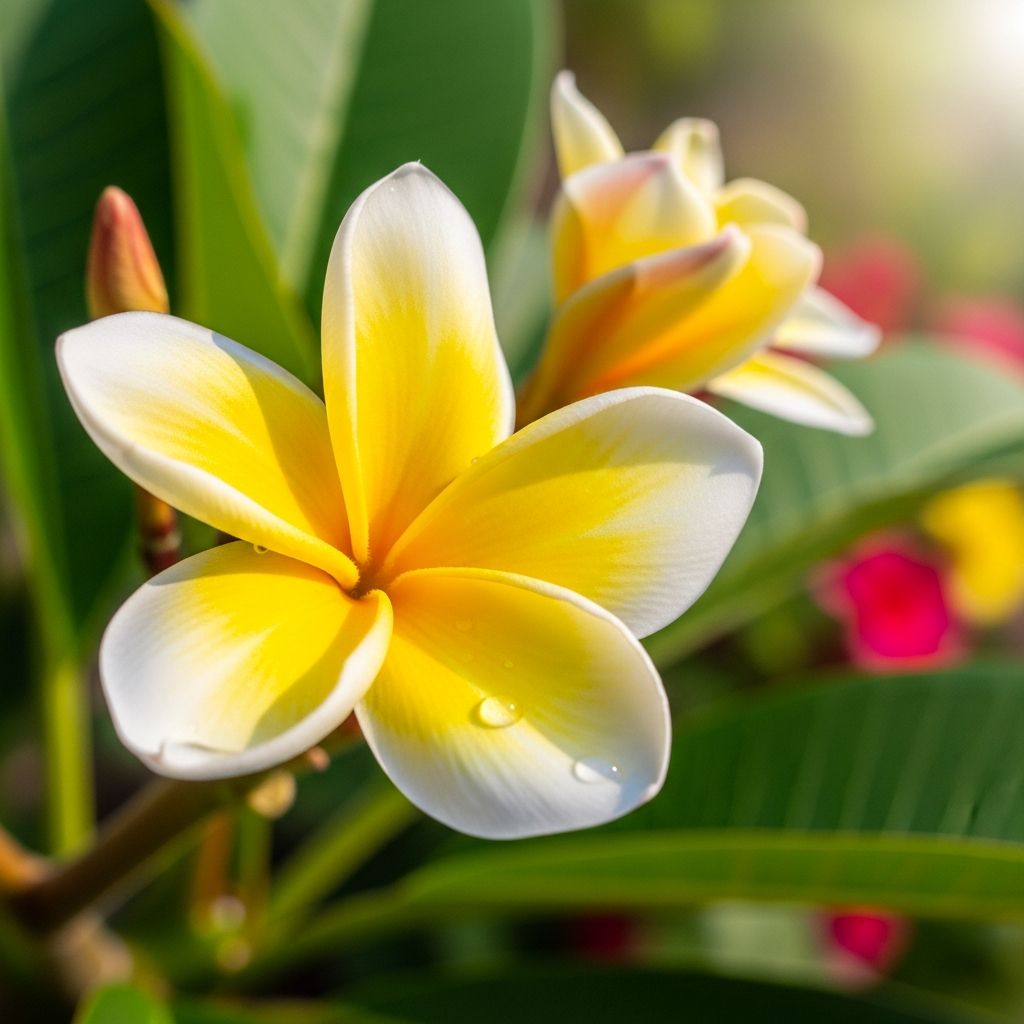
Plumeria, also known as frangipani, captivates gardeners with its clusters of exquisitely scented flowers in shades of white, pink, yellow, and red. These tropical beauties thrive in warm conditions and reward dedicated care with prolonged blooming periods from midsummer into fall. Achieving consistent flowering requires understanding their unique needs for light, nutrients, water, and rest. This guide draws on horticultural best practices to help you cultivate thriving plumeria that produce abundant, long-lasting blooms.
Selecting the Perfect Environment for Optimal Growth
Plumeria plants flourish in environments mimicking their native tropical habitats, demanding ample warmth and sunlight. Position your plumeria in a spot receiving morning sun until around noon, followed by afternoon shade in hotter climates to prevent leaf scorch. Full sun works well in cooler regions, but filtered light protects delicate foliage and encourages bud formation. These plants revel in temperatures above 60°F (15°C), with daytime highs ideally between 80-90°F (27-32°C) during the growing season.
Soil choice is critical: opt for well-draining mixes like cactus or succulent potting soil amended with perlite or sand. Plumeria roots resent soggy conditions, so elevate pots or plant in raised beds to ensure excess water escapes quickly. In ground plantings, dig holes twice as wide as the root ball and incorporate organic matter for aeration without compacting the medium.
- Ideal light exposure: 6-8 hours of direct morning sun plus bright indirect light.
- Temperature range: Daytime 75-95°F (24-35°C); avoid drops below 50°F (10°C).
- Soil pH: Slightly acidic to neutral, 6.0-7.0 for nutrient uptake.
Watering Strategies to Promote Bud Development
Watering plumeria follows a simple rule: thorough but infrequent. During active growth from spring to early fall, allow the top 1-2 inches of soil to dry completely before watering deeply. This mimics natural dry spells that trigger flowering hormones. Overwatering leads to root rot, stunting blooms, while underwatering causes wrinkled stems signaling stress.
In hotter months, check soil moisture by inserting a finger or wooden skewer; water only when dry. Container-grown plumeria may need weekly drinks, but ground plants often suffice with bi-weekly deep soaks. Reduce frequency as temperatures cool in autumn, tapering to minimal during winter dormancy—perhaps once a month if leaves shrivel severely.
| Season | Watering Frequency | Key Signs to Watch |
|---|---|---|
| Spring/Summer (Growth) | Every 7-14 days, soil dry 1-2″ deep | New leaves emerging, firm stems |
| Fall (Transition) | Every 2-3 weeks | Leaves yellowing, preparing for drop |
| Winter (Dormancy) | Once monthly or less | Leaf drop complete, bare branches |
Nutrition Essentials: Fertilizers That Trigger Flowering
Fertilization is the cornerstone of plumeria blooming success. Begin applications as new growth appears in spring, using a high-phosphorus formula like 10-30-10 or similar bloom boosters. Phosphorus supports root development and flower production, while moderate nitrogen prevents excessive foliage at the expense of buds. Apply every 2-3 weeks through August, diluting to half-strength to avoid burn.
Incorporate micronutrients such as magnesium and iron via foliar sprays if leaves yellow. Organic options like bone meal or fish emulsion provide slow-release phosphorus. Cease feeding by late summer to allow natural dormancy, resuming only with spring warmth. Consistent nutrition yields clusters holding up to 200 buds, opening sequentially over months.
- Recommended NPK ratio: Low N (nitrogen), high P (phosphorus), moderate K (potassium).
- Application timing: Bi-weekly from March to August in temperate zones.
- Pro tip: Water before fertilizing to protect roots.
Pruning Techniques for Enhanced Bloom Production
Strategic pruning shapes plumeria for better airflow and light penetration, directly boosting flower output. Perform major cuts in late winter or early spring before bud swell, using sharp, sterilized tools to make clean 45-degree angles. Remove dead, crossing, or inward-growing branches to maintain an open, vase-like structure visible during dormancy.
Avoid heavy pruning mid-season, as it diverts energy from blooms to recovery. Tip-pruning young tips encourages branching and more inflorescences. For propagation, take 12-18 inch cuttings, let callus for a week, then root in dry soil. These new plants often bloom prolifically the following year.
Light annual shaping suffices for mature specimens; severe pollarding delays flowering but controls size in small spaces.
Navigating Dormancy: Preparing for Next Season’s Blooms
Plumeria naturally enters dormancy post-bloom as days shorten and temperatures drop, shedding leaves to conserve energy. This rest period—typically November to March—lasts 3-6 months. Withhold water almost entirely, storing bare plants in a cool, dry spot above freezing (garage or shed ideal). No fertilizer or pruning during this phase.
In colder zones (below USDA 10), overwinter indoors near a south-facing window or under grow lights. Resume care in spring: gradual watering and full sun trigger leaf and bud emergence within weeks. Healthy dormancy ensures vigorous blooming cycles, with flowers appearing 8-10 weeks after buds form.
Overcoming Common Challenges to Blooming
Several issues hinder plumeria flowering. Insufficient light results in leggy growth without buds—relocate to sunnier spots. Nutrient imbalances show as pale leaves; test soil and adjust fertilizers. Pests like spider mites or mealybugs suck sap, weakening plants—treat with neem oil or insecticidal soap.
Rust fungus on leaves signals high humidity; improve air circulation. If no buds by midsummer, assess phosphorus levels and pruning history. Patience pays off: established plants bloom reliably with consistent care.
Indoor Cultivation and Container Growing Tips
For non-tropical gardeners, containers allow mobility. Use 5-15 gallon pots with drainage holes, repotting annually into larger sizes. Indoor plumeria under LED grow lights (12-14 hours daily) mimic outdoors, blooming year-round with humidity trays. Move outside post-frost for natural cues.
Floating harvested blooms in bowls or arranging in vases extends enjoyment without harming the plant—clusters regenerate quickly.
Frequently Asked Questions (FAQs)
Why won’t my plumeria produce flowers?
Common culprits include excess nitrogen fertilizer, insufficient sunlight, or disrupted dormancy. Switch to phosphorus-rich feeds, ensure 6+ hours of sun, and allow winter dry rest.
How long from bud to bloom?
Expect 8-10 weeks for buds to fully open, influenced by warmth and light. Track progress weekly for anticipation.
Can I grow plumeria in cold climates?
Yes, via containers: overwinter indoors above 45°F, resuming outdoor life in spring after frost risk passes.
Is pruning necessary for more blooms?
Yes, winter pruning promotes branching and bud sites. Light cuts suffice; heavy ones may delay flowering.
What fertilizer ratio boosts flowers best?
High phosphorus like 10-30-10 every 2 weeks during growth. Halt in fall.
Year-Round Blooming Calendar
| Month | Key Actions | Expected Developments |
|---|---|---|
| January-March (Dormancy) | Minimal water, store cool/dry | Bare branches rest |
| April-May (Wake-up) | Increase water/sun, start fertilizer | New leaves, early buds |
| June-August (Peak Bloom) | Regular feed/water, deadhead | Abundant flowers |
| September-October (Wind-down) | Reduce inputs | Leaves drop |
By synchronizing care with this calendar, your plumeria will deliver season after season of intoxicating fragrance and color.
References
- How to Grow & Care for Plumeria — SummerWinds Nursery. Accessed 2026. https://www.summerwindsnursery.com/az/inspire/blog/how-to-care-for-plumeria/
- Plumeria (Frangipani) Planting & Growing Guide — Easy to Grow Bulbs. Accessed 2026. https://www.easytogrowbulbs.com/pages/plumeria-planting-guide
- Plumeria or Frangipani Growing Guide — Almost Eden Plants. Accessed 2026. https://www.almostedenplants.com/shopping/growing_guides/Almost%20Eden%20Plumeria%20Growing%20Guide.pdf
- Plumeria Flower Log — Staze.org. Accessed 2026. https://www.staze.org/plumeria-flower-log/
- Plumeria — University of Wisconsin Horticulture Extension (hort.extension.wisc.edu). Accessed 2026. https://hort.extension.wisc.edu/articles/plumeria/
Similar Articles





Read full bio of medha deb