Unsticking Nested Cookware: Methods to Separate Pots
Master proven techniques to safely separate stuck pots without damage or frustration.
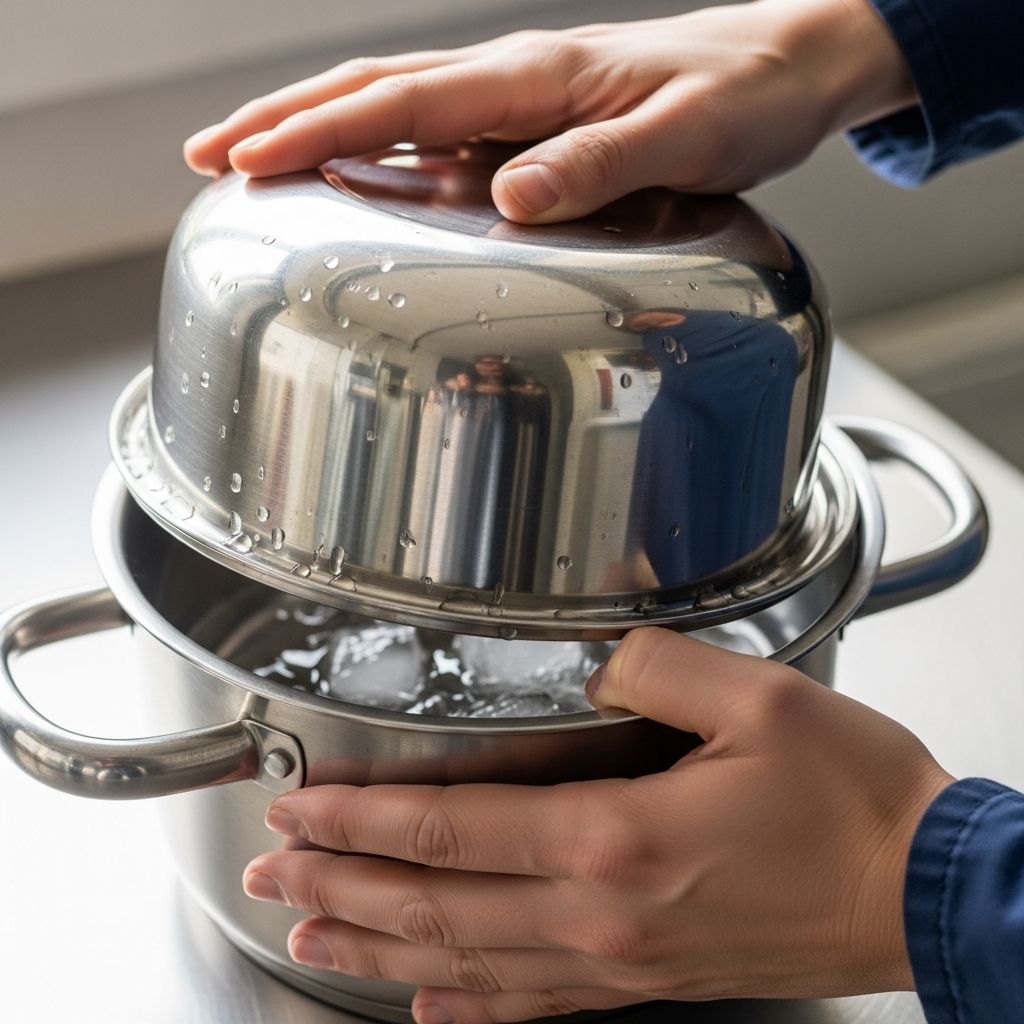
Understanding Why Cookware Gets Stuck Together
One of the most frustrating kitchen mishaps occurs when two pots or pans become nested and refuse to separate. This common problem happens more frequently than many home cooks realize, particularly when cookware is stored by nesting pieces together to save cabinet space. The issue arises from a combination of factors including slight warping of the metal during use, moisture accumulation between the surfaces, and the natural fit of one pot inside another creating an airtight seal that functions like a vacuum.
When pots become stuck, the seal between them becomes increasingly difficult to break through brute force alone. Attempting to forcefully pull them apart risks damaging the cookware, denting the rims, or causing personal injury from the sudden release of pressure. Understanding the mechanics behind why they stick together is the first step toward choosing the right separation method for your specific situation.
The Heat-Based Expansion Method
One of the most reliable and widely recommended approaches involves using heat to cause the metal to expand, thereby breaking the tight seal. This method works on the principle that metal expands when heated and contracts when cooled, creating the opportunity to manually separate the pots.
The Standard Heat Approach: Begin by filling the lower pot with water through the rim opening. You need enough water to create steam when heated. Place the nested pots on the stove over medium to medium-high heat and allow the water to come to a boil. As the steam builds up inside the lower pot, it creates pressure that will gently push the upper pot upward. The expanding metal of the lower pot also contributes to breaking the seal. After several minutes, carefully attempt to lift the upper pot. The combination of steam pressure and thermal expansion typically causes the pots to separate without excessive force.
The advantage of this technique is that it’s straightforward and requires no special tools or materials. Most kitchens have everything needed already on hand. However, safety must be your priority when working with hot water and steam. Always use oven mitts or towels when handling the pots, and be prepared for the sudden release if the pots separate unexpectedly.
The Temperature Contrast Method
Another effective strategy leverages the different rates at which metal materials heat and cool. This dual-temperature approach creates differential expansion and contraction that helps dislodge the upper pot from the lower one.
Implementing the Contrast Technique: First, heat the bottom pot by either placing it over a flame or submerging it in a sink filled with hot water. Simultaneously, fill the top pot with ice cubes or place it under a stream of cold water. The heat causes the lower pot’s metal to expand outward, while the cold causes the upper pot’s metal to contract inward. This opposite action creates space between the two surfaces, allowing them to separate more easily. Many users report that after maintaining this temperature differential for a few minutes, gentle pulling or twisting motions can successfully separate the pots.
This method is particularly effective because it works with the natural properties of metal rather than relying solely on steam pressure. The time required typically ranges from five to fifteen minutes depending on the pot materials and initial temperature conditions. This approach is safer than direct flame heating in some respects, though you must still handle hot water with appropriate caution.
The Freezing Overnight Solution
For those who prefer a gentler, low-risk method that requires minimal active involvement, freezing offers a surprisingly effective solution. This passive approach relies on the material properties of metal and the effects of prolonged cold exposure.
The Freezer Method Process: Place the stuck pots in your freezer and leave them overnight or for at least eight hours. The extended exposure to cold causes the metal to contract gradually and uniformly. In many cases, simply placing the pots on a sturdy surface and gently tapping or dropping them from a low height onto concrete or another hard surface causes them to separate cleanly. The gentle shock, combined with the contracted metal state, typically breaks the seal without damaging the cookware.
This method is ideal for those who don’t want to risk burns from hot water or steam, and it requires virtually no special skill or equipment. The downside is the time investment required, as you must plan ahead and wait until the next day. Additionally, this method works best with aluminum or lighter metals and may be less effective with very heavy stainless steel cookware that takes longer to fully contract.
Lubrication and Mechanical Approaches
Sometimes the most effective solution involves reducing friction between the two surfaces through lubrication or carefully introducing a thin implement to break the seal.
Oil-Based Lubrication: Spray or pour a thin penetrating oil such as WD-40 or even vegetable oil around the rim where the two pots meet. Allow the oil to seep into the narrow gap between them. After several minutes, attempt to gently rotate and pull the upper pot. The lubricant reduces friction and can help break the seal, especially if combined with gentle mechanical manipulation. Some users report that spraying lubricant and then placing the pots in the freezer overnight yields superior results compared to either method alone.
The Thin Implement Technique: A very thin knife blade, a piece of plastic, or even a thin aluminum pie pan can be carefully inserted between the rims of the pots. Gently work the implement around the entire circumference to gradually break the seal. This method requires patience and care to avoid scratching the cookware or damaging the knife blade. This approach is best used as a supplementary technique rather than a primary solution.
Combining Multiple Methods for Stubborn Cases
When dealing with particularly stubborn pots that resist single-method approaches, combining techniques often proves most effective. Many users report success by applying lubricant first, then either using heat or cold, and finally attempting separation.
The Multi-Step Approach: Start by applying penetrating oil around the rim. Next, either heat the lower pot while cooling the upper pot, or place both in the freezer. After conditioning the pots with temperature changes, attempt separation. If this doesn’t work, reapply the lubricant and try again. The combination of reduced friction, altered metal dimensions, and persistent but gentle effort usually succeeds where any single method might fail.
Safety Considerations and Precautions
Regardless of which method you choose, several safety principles should guide your efforts:
- Always wear appropriate protection when handling hot pots, including thick oven mitts or wrapped towels around your hands
- Never attempt to forcefully wrench pots apart, as this risks serious injury and cookware damage
- Ensure the cooking surface is stable and clear of other items before applying heat
- Use ventilation when applying chemical lubricants like WD-40
- Keep children and pets away from the heating pots to prevent accidents
- If using the freezer method, ensure the pots fit safely without obstruction
- Be prepared for the sudden separation of pots when using heat or cold methods
Preventing Future Pot Adhesion
Once you’ve successfully separated your pots, taking preventive measures can help avoid this frustrating situation in the future. Store pots with paper towels or coffee filters between nested pieces to provide cushioning and air circulation. Ensure pots are completely dry before nesting them together. Consider using specialized pot organizers or wall-mounted racks instead of nesting cookware for storage. These preventive strategies are far simpler than managing stuck pots and protect your cookware investment from wear and potential damage.
Frequently Asked Questions
Q: How long does the freezer method typically take to work?
A: The freezer method requires at least eight hours of exposure, though overnight (twelve or more hours) tends to be most effective. Some users report success after leaving pots in the freezer for 24 hours, especially with larger or heavier cookware.
Q: Is it safe to heat pots with water inside on the stove?
A: Yes, heating water in the lower pot to create steam is a safe and effective method. Always use oven mitts and be prepared for the pots to separate suddenly. The steam pressure is generally not strong enough to cause the pots to launch with dangerous force, though you should still exercise caution.
Q: Can I use regular cooking oil instead of WD-40?
A: Yes, vegetable oil, olive oil, or mineral oil can work as lubricants. WD-40 is more effective at penetrating tight spaces, but cooking oils are safer if you plan to cook in the pots immediately afterward. Allow any oil to soak for several minutes before attempting separation.
Q: What if none of these methods work?
A: If all methods fail, try combining approaches such as applying oil followed by freezing, or applying oil and then using heat. If your pots are valuable, consulting a professional kitchen equipment service may be worthwhile, though most stuck pots eventually yield to patient application of these techniques.
Q: Will attempting to separate stuck pots damage them?
A: The methods described here are designed to minimize damage. Gentle techniques involving heat, cold, and lubrication rarely cause problems. Only forceful pulling or wrenching creates serious damage risk. Even if you see minor cosmetic changes, the cookware typically remains fully functional.
Q: How can I prevent my pots from sticking together in the first place?
A: Store pots with separators like paper towels between them, ensure they’re completely dry before nesting, and consider alternative storage solutions like pot racks or wall-mounted organizers. These preventive measures are much simpler than dealing with stuck pots.
References
- Separating Pots That Are Stuck Together — ThriftyFun Community. Accessed 2026-01-16. https://www.thriftyfun.com/Separating-Pots-That-Are-Stuck-Together-2.html
- HOW TO SEPARATE TWO POTS STUCK TOGETHER — HOW TO Channel on YouTube. 2022-05-05. https://www.youtube.com/watch?v=xmOMvm8gnZE
- Doing The Unstuck — Ask MetaFilter Community. 2007-12-05. https://ask.metafilter.com/77893/Doing-The-Unstuck
Similar Articles








Read full bio of medha deb