Unusual Outdoor Plants: Expert Guide To Transform Your Garden
Discover striking and uncommon plants to transform your outdoor space into a captivating garden wonderland full of surprises.
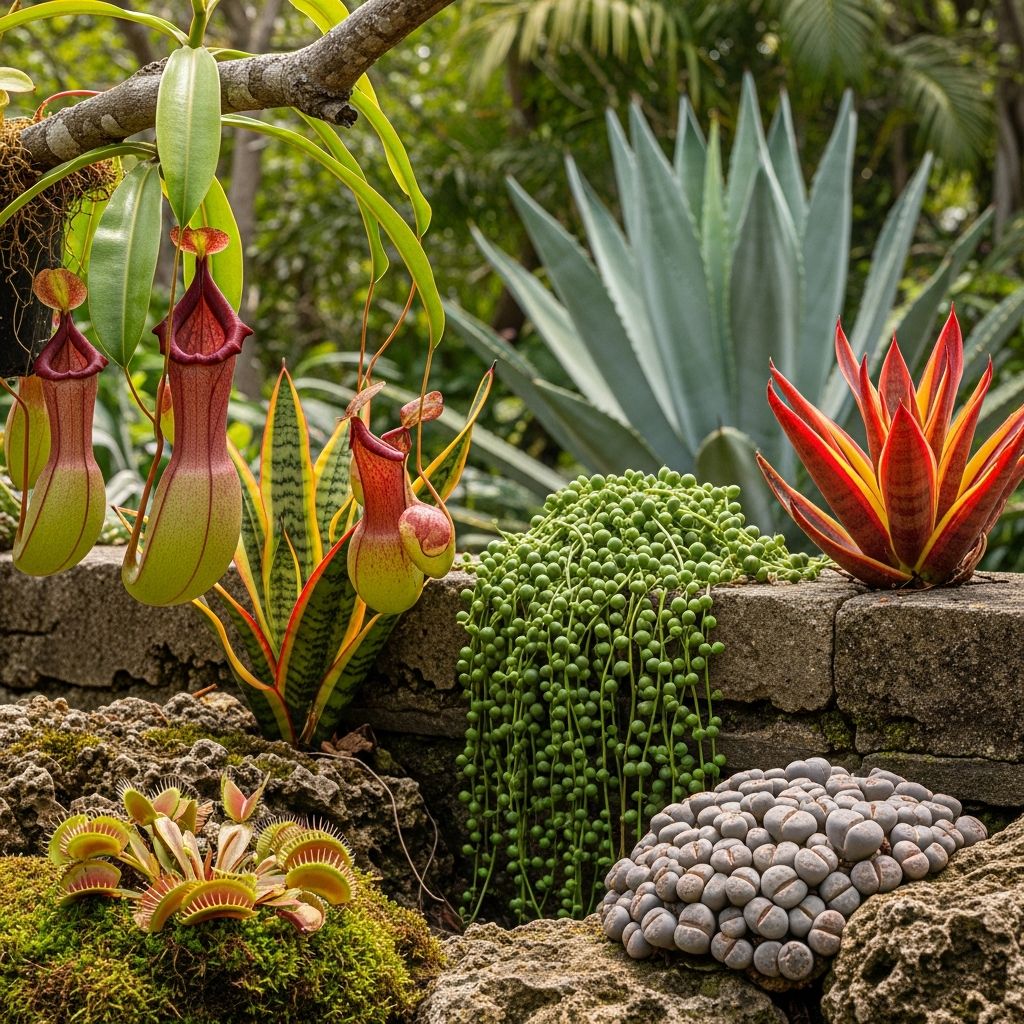
Unusual Outdoor Plants: Transforming Gardens with the Extraordinary
Bringing unusual outdoor plants into your garden elevates a standard landscape into something truly memorable. These plants, often hailing from distant ecosystems, feature dramatic shapes, vivid colors, and surprising behaviors that captivate visitors and spark conversations. While they demand specific care, their rewards include year-round visual interest and biodiversity enhancement. This guide delves into standout species, cultivation techniques, and design strategies to help you integrate them seamlessly.
Why Choose Unusual Plants for Your Outdoor Space
Uncommon plants distinguish your garden by introducing elements not found in typical nurseries. They promote ecological diversity, as growing rare varieties supports conservation efforts indirectly. Beginners can start with hardy cultivars of familiar species, ensuring accessibility without overwhelming complexity. For instance, selecting a variegated form of a common shrub adds novelty while maintaining ease of growth.
- Biodiversity boost: Rare plants encourage genetic variety in home gardens.
- Visual drama: Bold forms and hues create focal points.
- Conversation starters: Guests will inquire about these eye-catching specimens.
Assess your climate zone, soil type, and sunlight availability before purchasing. This ensures plants thrive outdoors rather than requiring constant intervention.
Standout Carnivorous Wonders for Outdoor Gardens
Carnivorous plants like pitcher plants and Venus flytraps offer a thrilling twist for outdoor settings. These natural pest controllers trap insects in specialized structures, adding a prehistoric allure. They prefer boggy, acidic soils mimicking their wetland origins.
Pitcher plants (Nepenthes and Sarracenia species) feature tubular pitchers filled with digestive enzymes. In temperate zones, hardy Sarracenia can overwinter outdoors with mulch protection. Water them using rainwater to avoid mineral buildup, and position in full sun for optimal pitcher production.
| Plant | Hardiness Zone | Key Care Tip |
|---|---|---|
| Pitcher Plant | 5-9 | Half peat moss, half perlite soil mix |
| Venus Flytrap | 7-10 | Dormant period in cooler months |
Venus flytraps snap shut on prey with sensitive trigger hairs, thriving in sunny, moist spots. Avoid overfeeding; let them capture their own meals for healthiest growth.
Architectural Foliage That Demands Attention
Plants with bold, sculptural leaves serve as living sculptures in gardens. Gunnera manicata, known as giant rhubarb, produces massive, umbrella-like leaves up to 8 feet wide, perfect for creating a prehistoric pond edge effect. It requires damp soil and winter protection in colder areas by covering crowns with fleece.
Equisetum hyemale, or horsetail, features jointed, reed-like stems evoking bamboo forests. This ancient survivor spreads via rhizomes, so contain it in pots sunk into the ground. Its silica-rich structure makes stems useful for natural scrubbing.
- Gunnera: Thrives in moist, fertile soil; mulch heavily for winter.
- Horsetail: Prefers wet areas; control spread with barriers.
These selections provide texture contrast against softer perennials, enhancing garden depth.
Exotic Blooms with Unconventional Charm
Flowers that defy norms inject personality into borders. Amorphophallus titanum, the corpse flower, releases a rotting flesh scent to attract pollinators, blooming rarely but spectacularly. Smaller relatives like Arum italicum offer glossy, arrow-shaped leaves with bizarre berry clusters.
Canna lilies in unusual varieties boast striped leaves and fiery flowers. Frost-tender, they overwinter mulched or indoors in cooler climates but grow vigorously in summer heat.
Fritillaria species, such as checkered lilies, display pendulous bells in mottled patterns, evoking fairy-tale whimsy. Plant bulbs in well-drained soil for spring displays.
Edible Oddities for Productive Gardens
Combine weirdness with utility via edible unusuals. Egyptian walking onions produce topknot bulbils that ‘walk’ by toppling over, self-propagating. Harvest stalks like chives or bulbs like shallots; they’re perennial and cold-hardy.
Watermelon radishes reveal crimson flesh inside green-tinged skins, ideal for late summer sowing. Their sweet, mild flavor suits salads. Indigo Rose tomatoes offer anthocyanin-rich, purple skins that ripen mahogany, drought-tolerant for reliable yields.
| Edible Plant | Harvest Time | Unique Trait |
|---|---|---|
| Egyptian Walking Onion | Year-round | Self-propagating bulbils |
| Watermelon Radish | Fall | Vibrant interior color |
| Indigo Rose Tomato | Summer | Antioxidant-packed skin |
Design Strategies for Showcasing the Bizarre
Integrate odd plants thoughtfully for cohesion. Create a ‘weird garden’ corner with repetition of creepy colors like deep purples and electric yellows. Contrast dark foliage with silver-leaved companions for drama.
- Focal points: Position giants like voodoo lily centrally.
- Groupings: Cluster similar oddities for impact.
- Contrast: Pair spiky forms with rounded ones.
Use containers for tender exotics, allowing mobility to sunnier spots or winter storage. Greenhouse extensions enable year-round cultivation of borderline hardy types.
Cultivation Essentials for Thriving Unusuals
Success hinges on replicating native conditions. Most demand well-draining yet moisture-retentive soils; amend with perlite or bark for aeration. Watering varies: bog plants need constant dampness, while succulents prefer dry spells.
Light management is key—full sun for carnivores, dappled shade for tropicals. Temperature control via mulch or cloches protects against frosts. Regular monitoring prevents pests; opt for organic sprays on early infestations.
For greenhouse supplementation, maintain 60-80% humidity and 65-85°F for tropicals. Group by needs to streamline care.
Overcoming Challenges with Rare Plants
Rare plants may face propagation hurdles, but divisions or seeds yield multiples. Pests like aphids target tender growth; introduce beneficial insects. Diseases from overwatering call for vigilant drainage checks.
Winter prep includes mulching roots and pruning dead matter. In harsh climates, prioritize zone-hardy selections or pot culture.
FAQs
Can beginners grow carnivorous plants outdoors?
Yes, with bog pots in sun and rainwater; they’re resilient pest fighters.
What soil suits most unusual plants?
Well-draining mixes with peat or perlite tailored to species.
How to winterize tender oddities?
Mulch crowns or move pots to sheltered spots.
Do weird plants attract pollinators?
Many do, especially scented or brightly colored varieties.
Where to source rare varieties?
Specialty nurseries or online rare plant sellers.
References
- Exotic Greenhouse Plants: How to Cultivate Unique Varieties Year-Round — Dakota Storage. 2023. https://www.dakotastorage.com/blog/exotic-greenhouse-plants-how-to-cultivate-unique-varieties-year-round
- How to make your garden different with unusual plants — The Middle-Sized Garden. 2023. https://www.themiddlesizedgarden.co.uk/how-to-make-your-garden-different-with-unusual-plants/
- 12 Unusual Plants to Grow this Summer — Vego Garden. 2023. https://www.vegogarden.com/blogs/academy/unusual-plants-to-grow-in-the-summer
- Rare and Exotic Plants: A Guide to Unique Additions for Your Garden — Thursd. 2023. https://thursd.com/articles/guide-to-unique-additions-for-your-garden
- 5 Ways to Incorporate Weird Plants Into Your Garden — Easy to Grow Bulbs. 2023. https://www.easytogrowbulbs.com/blogs/articles-and-tips/5-ways-to-incorporate-weird-plants-into-your-garden
Similar Articles








Read full bio of Sneha Tete