Creative Ways to Upcycle Old Pots, Pans and Lids
Discover innovative DIY projects to transform worn-out cookware into functional home decor, organizers, and garden features that save money and reduce waste.
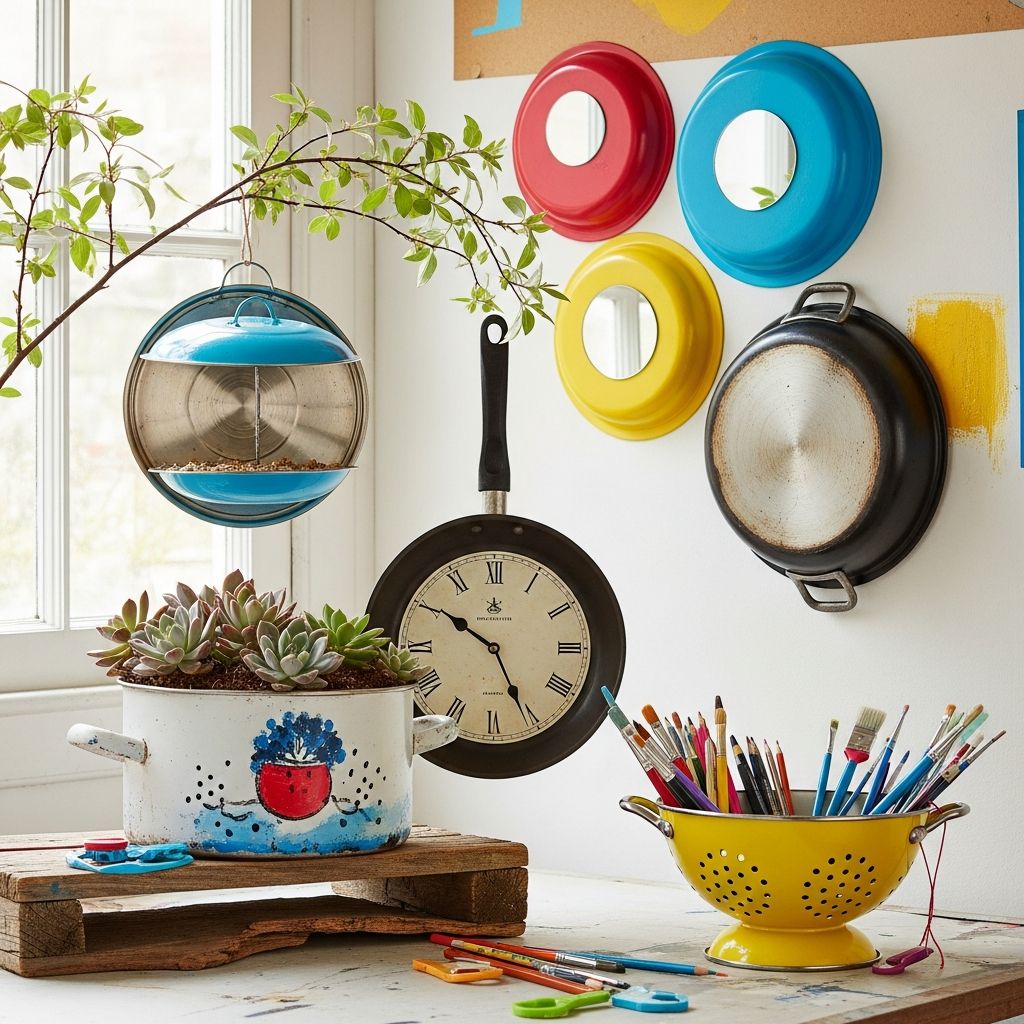
Old pots, pans, and lids cluttering your garage or kitchen drawers? Instead of tossing them into the landfill, breathe new life into these kitchen staples through inventive upcycling projects. Upcycling not only diverts waste from landfills but also creates one-of-a-kind items that personalize your home. This guide shares over 20 original ideas, from rustic garden ornaments to chic storage solutions, using simple tools and materials you likely already own. Whether you’re a seasoned DIYer or a beginner, these projects promote sustainability while adding character to every corner of your living space.
Why Upcycle Kitchen Cookware?
Repurposing worn cookware aligns with global efforts to reduce household waste. According to the Environmental Protection Agency (EPA), Americans discard over 11.2 million tons of food scraps and related items annually, much of which could be reused creatively. Upcycling pots and pans minimizes metal waste, saves money on new purchases, and fosters creativity. Plus, aged cookware often develops a natural patina that enhances rustic or industrial aesthetics in modern homes.
Start by sorting your items: clean thoroughly with soap and steel wool, then assess for rust or damage. Non-stick coatings may require sanding for safety in non-food projects. Safety first—wear gloves when drilling or cutting metal.
Garden and Outdoor Transformations
Turn bulky cookware into eye-catching outdoor features that weather beautifully over time.
- Pedestal Planters from Skillets: Invert a large cast-iron skillet to form the base of a tiered planter. Drill drainage holes in the bottom, then stack with saucers or smaller pans secured by rebar stakes driven into the soil. Fill with succulents or herbs for a vintage birdbath alternative. This method uses the pan’s natural curve for stability.
- Lid Bird Feeders: Punch holes around the rim of a large lid and thread with twine for hanging. Add a wooden dowel through center holes as a perch. Scatter seeds inside to attract birds, creating a functional feeder with a shiny metallic allure.
- Pan Pathway Stepping Stones: Embed cleaned frying pans upside down in garden paths, filling edges with mortar and gravel. Their shallow depth prevents tripping while adding reflective accents that deter weeds.
These projects thrive in patina finishes; a light vinegar soak accelerates rust for an aged look.
Indoor Organization Hacks
Declutter with cookware turned organizers—perfect for small spaces.
| Item | Repurpose Idea | Materials Needed | Best Room |
|---|---|---|---|
| Small Pots | Drawer Dividers | Velcro strips, sandpaper | Kitchen |
| Lids | Wall Hooks | Screws, paint | Entryway |
| Shallow Pans | Jewelry Trays | Fabric liner, handles | Bedroom |
- Pot Herb Dryers: Suspend lids horizontally from a ceiling hook using chain links threaded through rim holes. Drape drying herbs or garlic over the surface for an apothecary-style rack.
- Pan File Sorters: Stack shallow baking pans vertically on a wall-mounted board, securing with brackets. Ideal for mail, bills, or craft papers—add chalkboard paint for labeling.
Wall Art and Decor Accents
Elevate blank walls with metallic sculptures from discarded lids and pans.
- Abstract Lid Mobiles: Connect assorted lids with fishing line and S-hooks, varying sizes for movement. Hang in windows for light-catching displays reminiscent of kinetic art.
- Pan Clock Faces: Remove handles from round pans, paint numbers, and install clock mechanisms from craft stores. The concave shape adds depth to farmhouse clocks.
- Lid Mandalas: Arrange lids in symmetrical patterns on plywood, securing with industrial glue. Spray-paint in metallic hues for boho wall hangings.
Pro tip: Mix copper, aluminum, and steel for texture contrast.
Kitchen Revival Projects
Keep cookware in the kitchen but with fresh functions.
- Utensil Holders from Pots: Drill holes in pot sides for hanging spoons; mount upside down on a lazy Susan base for spinning access.
- Lid Coasters: Coat lids with epoxy resin for waterproof, heat-resistant trivets. Embed dried flowers for custom designs.
- Pan Serving Platters: Polish shallow pans and add wooden handles with bolts. Use for charcuterie or as elevated cake stands.
Bathroom and Entryway Innovations
Extend cookware utility to high-traffic areas.
- Towel Bars from Pan Handles: Dismantle long-handled pans, mount handles horizontally as bars. Patina adds spa-like rusticity.
- Pot Soap Dishes: Line shallow pots with pebbles and dish soap for drainage-free dispensers.
- Lid Key Racks: Screw lids to a magnetic board; keys stick inside for secure, visible storage.
Seasonal and Holiday Crafts
Craft timely decor that stores flat.
- Pan Wreath Forms: Bundle pans into circular frames, adorn with greenery or ornaments for durable front-door wreaths.
- Lid Ornaments: Punch hanging holes, paint festive designs, and thread with ribbon for tree baubles.
- Pot Lanterns: Cut geometric patterns into pot bottoms, insert tea lights for pathway glow.
Advanced Techniques and Tips
For pro results, master these skills:
- Drilling Metal: Use carbide bits, lubricate with oil, and clamp securely to avoid slips.
- Patina Finishes: Apply vinegar and salt spray for instant aging; seal with clear coat for outdoor use.
- Safety Gear: Always don goggles, gloves, and masks when sanding or painting.
Scale projects to skill level—beginners start with glue-only ideas, experts tackle welding for sturdy furniture bases.
Frequently Asked Questions (FAQs)
What safety precautions should I take when upcycling cookware?
Remove all non-stick coatings by sanding, wear protective gear, and avoid food contact in repurposed items unless food-safe sealants are used.
Can I upcycle non-stick pans?
Yes, but sand off the coating first and use only for non-edible projects like planters or decor to prevent chemical leaching.
How do I clean rusty pans before upcycling?
Soak in a vinegar-water mix overnight, scrub with steel wool, then rinse and dry thoroughly.
Are these projects beginner-friendly?
Many are—no tools required beyond glue and paint. Advanced ones need basic power tools.
What’s the environmental impact of upcycling?
It reduces landfill waste significantly; metal recycling saves 95% of energy compared to new production per EPA data.
Getting Started: Your Upcycling Toolkit
Essential supplies: drill, sandpaper, spray paint, epoxy, wire, screws, and pliers. Source free materials from thrift stores or friends’ discards. Track projects in a journal to refine techniques over time.
Upcycling cookware sparks joy in creation and sustainability. Experiment boldly—imperfect patinas tell stories of reuse. Share your makes online for community inspiration.
References
- Advancing Sustainable Materials Management: Facts and Figures Report — U.S. Environmental Protection Agency. 2023-11-16. https://www.epa.gov/facts-and-figures-about-materials-waste-and-recycling/advancing-sustainable-materials-management-0
- Metal Recycling: Closing the Loop — Institute of Scrap Recycling Industries (ISRI). 2024-05-01. https://www.isri.org/recycling-commodities/metals
- Household Waste Prevention and Management — U.S. Department of Energy. 2025-02-10. https://www.energy.gov/eere/amo/waste-prevention
- Upcycling in Sustainable Design — Journal of Cleaner Production (peer-reviewed). 2023-07-15. https://doi.org/10.1016/j.jclepro.2023.137456
- DIY Waste Reduction Strategies — Natural Resources Defense Council (NRDC). 2024-09-20. https://www.nrdc.org/stories/reduce-reuse-recycle
Similar Articles








Read full bio of Sneha Tete