Creative Upcycled Dresser Ideas for Your Home
Transform old dressers into stunning furniture with creative upcycling techniques and ideas.
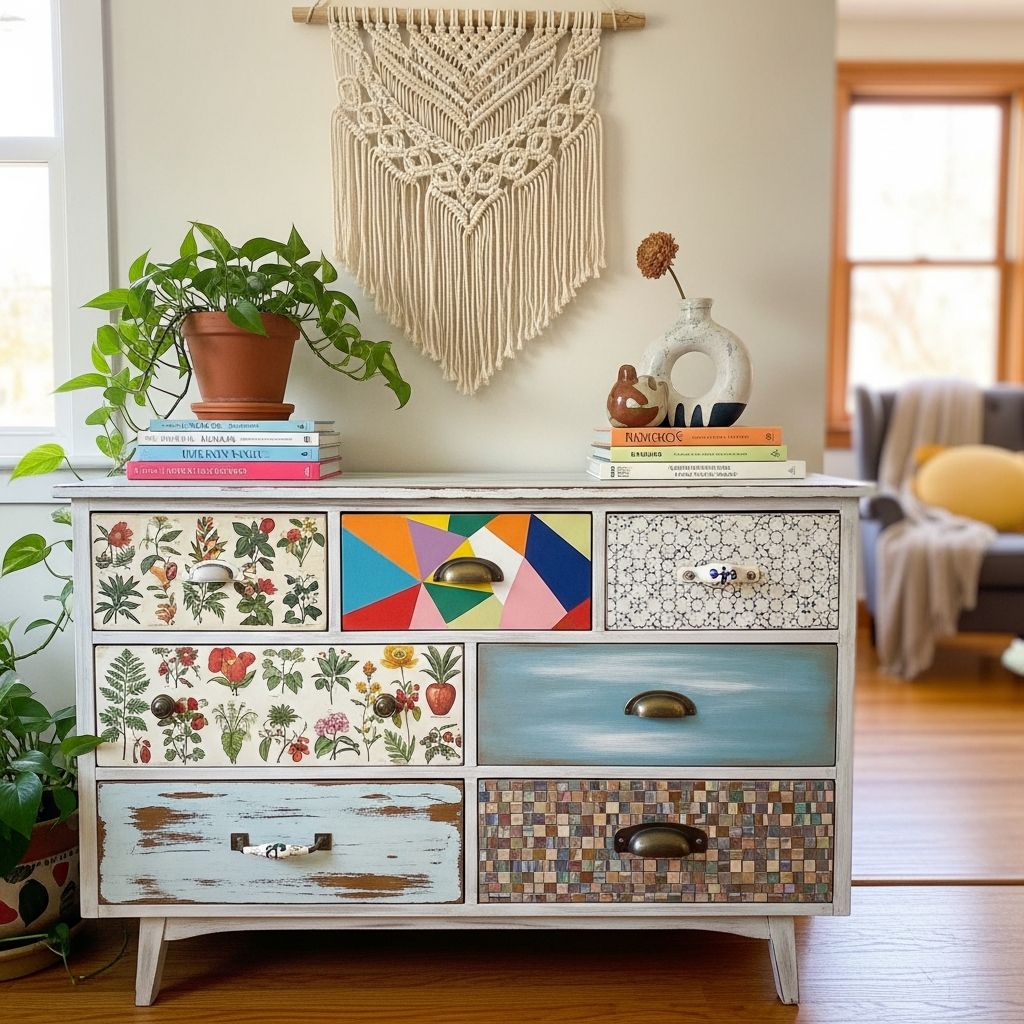
Old dressers don’t have to end up in landfills or forgotten in attics. With a little creativity, elbow grease, and some basic tools, you can transform a worn-out dresser into a stunning piece of furniture that fits perfectly into your home décor. Upcycling furniture not only saves money but also allows you to express your personal style while reducing environmental waste. Whether you’re looking for a weekend project or a complete bedroom overhaul, these upcycled dresser ideas will inspire your next DIY adventure.
Why Upcycle Your Dresser?
Upcycling offers numerous benefits beyond just saving money. It gives old furniture a second life, reduces the demand for new manufacturing, and allows you to customize pieces exactly how you want them. A thrifted or inherited dresser can become a focal point in your room when given the right treatment. Plus, the satisfaction of completing a DIY project yourself is incomparable to simply purchasing new furniture.
Classic Paint and Stain Transformations
Fresh Paint Makeovers
One of the easiest and most dramatic ways to upcycle a dresser is with a fresh coat of paint. Before painting, prepare your dresser by cleaning it thoroughly and sanding the surface lightly to help the paint adhere better. Remove all drawers and hardware, and consider using a primer designed for furniture to ensure long-lasting results.
Choose a paint color that complements your room’s palette. Bold, jewel-toned colors like emerald green, navy blue, or burgundy can create a sophisticated statement piece. Alternatively, soft pastels, whites, or grays offer a more subtle, elegant transformation. Apply multiple thin coats rather than one thick coat to avoid drips and achieve an even, professional-looking finish.
Two-Tone and Ombre Effects
For a more contemporary look, consider painting the dresser in two complementary colors. Paint the body one color and the drawers another, or create an ombre effect by gradually transitioning from one shade to another. This technique adds visual interest and allows you to play with color combinations that work with your existing décor.
Staining for Natural Elegance
If your dresser has beautiful wood underneath old finish, consider stripping and restaining it. Wood stain can range from light honey tones to dark espresso finishes. Staining preserves the natural grain of the wood while updating the appearance. For an even more sophisticated look, combine staining with strategic painting—stain the body and paint the drawers, or vice versa.
Hardware and Accent Upgrades
Changing the hardware is one of the quickest ways to update a dresser’s appearance. Old, tarnished knobs and pulls can instantly be swapped for new ones in brass, chrome, ceramic, leather, or carved wood. Hardware choices can dramatically change the style of your dresser, from farmhouse to mid-century modern to contemporary industrial.
Beyond knobs and pulls, consider adding decorative trim, molding, or beadboard to the dresser’s facade. These accents can be adhered with wood glue and finished to match or contrast with your paint color. Metal corners, decorative feet, or corbels can also elevate the dresser’s visual appeal and give it a custom, high-end appearance.
Creative Drawer Liner and Interior Touches
While the exterior of your dresser gets the attention, don’t forget about the interior. Line the drawers with decorative contact paper, wallpaper, or fabric to add a surprise element when drawers are opened. This thoughtful touch adds personality and can help protect drawer bottoms from dust and wear.
Consider using drawer dividers, organizers, or custom-cut felt to maximize storage and keep contents tidy. These interior improvements make the dresser more functional while adding an extra layer of polish to your upcycled piece.
Unique Transformation Ideas
Turning a Dresser into a Vanity
Transform an old dresser into a stylish bedroom or bathroom vanity by adding a mirror and lighting. Mount a decorative mirror above the dresser and install vanity lights on either side for a spa-like setup. You can even add a marble or glass top to create a polished surface perfect for organizing beauty products and personal care items.
Creating a Media Console or Bar
A dresser’s height and width make it ideal for a media console to hold your TV and entertainment equipment. Paint it in a color that matches your living room, add cable management solutions inside the drawers, and style the top with decorative items. Similarly, a dresser can be converted into a stylish bar with glass doors added to some drawers and a decorative top surface.
Kitchen Island or Workspace
For those with kitchen or craft space to fill, a sturdy dresser can be repurposed as a kitchen island or work table. Add a butcher block or wood top, install casters for mobility, and paint it in kitchen-friendly colors. The drawers provide excellent storage for kitchen utensils, craft supplies, or office materials.
Dog Bed or Pet Storage
Create a cozy pet bed by removing the bottom drawer and replacing it with a cushion. Paint the dresser in pet-appropriate colors, add a decorative gate or fabric to create an enclosed space, and fill upper drawers with pet supplies. This keeps your pet’s belongings organized while providing them with a comfortable, designated sleeping area.
Decoupage and Mixed Media Techniques
For a more artistic approach, try decoupage—adhering decorative paper, fabric, or napkins to the dresser’s surface with special glue. This technique allows for endless design possibilities, from botanical prints to vintage maps, geometric patterns, or custom artwork. Seal the finished design with a clear polyurethane to protect it from wear and tear.
Mixed media techniques can incorporate stencils, stamps, hand-painted designs, or combination of paint colors to create truly one-of-a-kind pieces. Mandala patterns, florals, geometric designs, and abstract art are all popular choices that can transform a plain dresser into a gallery-worthy statement piece.
Upholstery and Fabric Additions
Add texture and softness to your upcycled dresser with upholstered drawer fronts or fabric panels. Tufted or quilted fabric can create a sophisticated, bedroom-appropriate look, while patterned textiles add visual interest. Velvet, linen, or faux leather can all be used to cover dresser surfaces, creating a luxurious appearance that complements various décor styles.
Essential Tools and Materials
Before starting your upcycled dresser project, gather the necessary tools and materials:
| Item | Purpose |
|---|---|
| Sandpaper (various grits) | Prepares surface for painting or staining |
| Primer | Helps paint adhere and ensures even coverage |
| Paint or stain | Provides color and finish to dresser |
| Paintbrushes and rollers | Applies paint evenly |
| Drop cloth or tarp | Protects floors from paint drips |
| Screwdriver set | Removes hardware and drawers |
| Wood filler | Repairs holes or damaged areas |
| New hardware (optional) | Updates the dresser’s appearance |
Step-by-Step Basic Upcycling Process
Preparation Phase
Start by thoroughly cleaning your dresser with soap and water to remove dust and grime. Once dry, remove all drawers and hardware, labeling them for easy reassembly. Inspect the dresser for damage and use wood filler to repair any holes, dents, or damage. Sand the entire surface lightly to help new paint or stain adhere properly.
Priming and Painting
Apply a quality primer suitable for furniture, following the manufacturer’s instructions. Once dry, apply your chosen paint color in thin, even coats, allowing adequate drying time between coats. Typically, two to three coats provide the best coverage and durability. Use quality brushes or rollers for a professional-looking finish.
Finishing Touches
Once the paint is completely dry, reinstall hardware and drawers. If desired, apply a protective topcoat of polyurethane to ensure durability, especially if the dresser will be in a high-traffic area or exposed to moisture. Finally, style your newly upcycled dresser with decorative items, photos, or plants to showcase your handiwork.
Frequently Asked Questions
Q: How long does it take to upcycle a dresser?
A: A basic paint transformation can take 8-16 hours spread over 2-3 days, accounting for drying time. More complex projects with decoupage or multiple techniques may take a week or more, depending on the intricacy of the design.
Q: What type of paint works best for furniture?
A: Acrylic latex paint, chalk paint, or oil-based enamel paint all work well for furniture. Chalk paint provides excellent coverage and a matte finish, while oil-based enamel offers superior durability. Always use a primer designed for furniture to ensure lasting results.
Q: Can I upcycle a dresser with veneer instead of solid wood?
A: Yes, veneer dressers can be upcycled successfully. However, avoid aggressive sanding that might damage the veneer layer. Use medium-grit sandpaper gently, and consider painting rather than staining, as stain may not take evenly on veneer.
Q: How do I ensure my paint job lasts?
A: Proper preparation is key. Clean thoroughly, use primer, apply quality paint in multiple thin coats, and seal with polyurethane if desired. This preparation and protection process ensures your upcycled dresser will maintain its beauty for years.
Q: Where can I find old dressers to upcycle?
A: Check thrift stores, estate sales, garage sales, online marketplaces like Facebook Marketplace or Craigslist, or family heirlooms. Many people are happy to give away old furniture for free if you can haul it away.
Q: Do I need special skills to upcycle a dresser?
A: No special skills are required for basic upcycling projects. Painting and hardware changes are beginner-friendly. More advanced techniques like decoupage or woodworking require practice, but numerous tutorials and resources are available to help you learn.
References
- Sustainable Furniture Practices and Upcycling Benefits — U.S. Environmental Protection Agency. 2024. https://www.epa.gov/sustainable-materials-management
- DIY Furniture Restoration and Best Practices — Family Handyman Official Guide. 2024. https://www.familyhandyman.com
- Wood Finishing and Paint Application Standards — American Coatings Association. 2023. https://www.paint.org
- Furniture Upcycling: Creative Reuse in Home Design — The Spruce. 2024. https://www.thespruce.com
Similar Articles







Read full bio of Sneha Tete