Upgrading Door Levers to Knobs: A Complete DIY Guide
Transform your home's interior with this practical guide to swapping door hardware
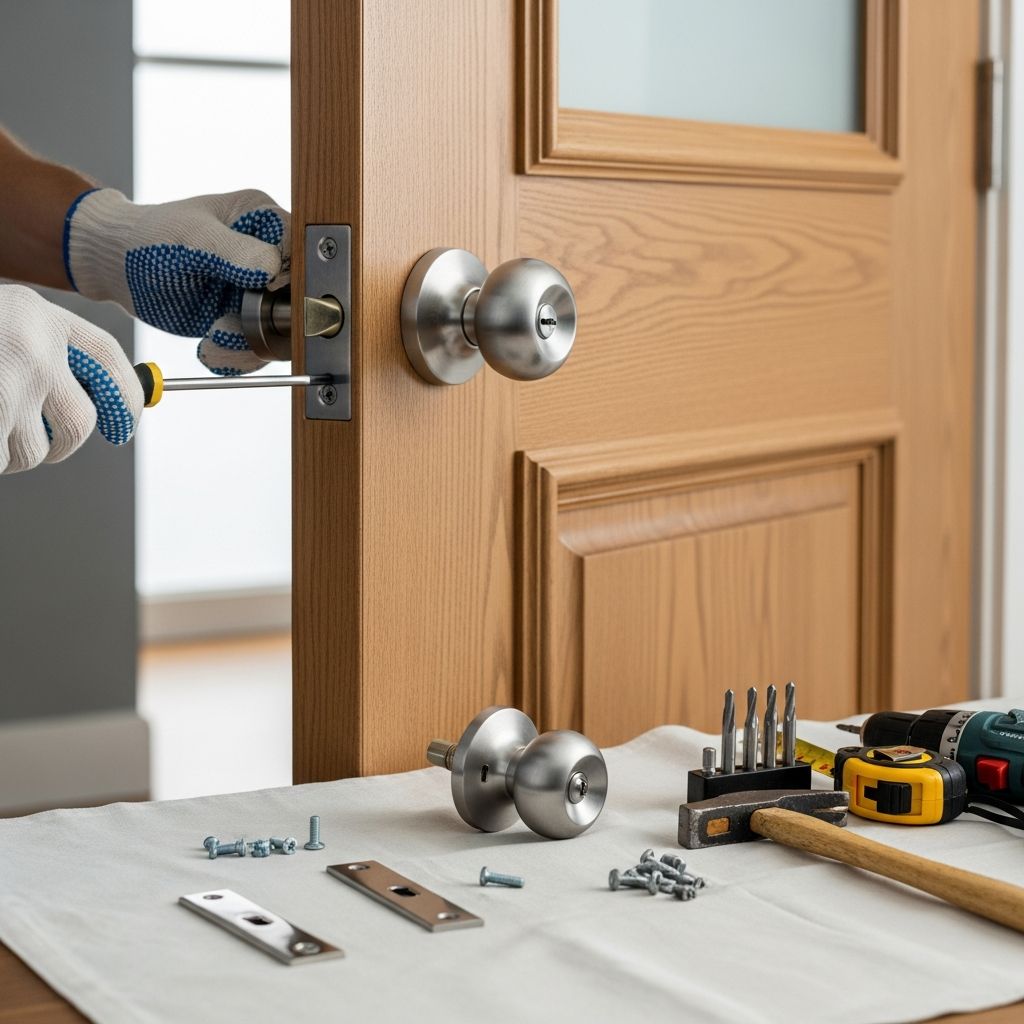
Modern homes often feature door levers as standard hardware due to their accessibility and contemporary aesthetic. However, many homeowners prefer the classic appearance and feel of traditional door knobs. Whether you’re renovating your home, updating its design scheme, or simply prefer knob-style hardware, converting from levers to knobs is a straightforward project that requires minimal tools and technical expertise. This comprehensive guide walks you through the entire process, from preparation to final testing.
Understanding the Hardware Differences
Before beginning your conversion project, it’s important to understand how levers and knobs differ structurally. Door levers operate through a handle mechanism that rotates around a spindle, making them ideal for accessibility since they require minimal grip strength. Door knobs, conversely, function through a rotating sphere that connects to the internal latch mechanism via a spindle shaft. Both types typically accommodate similar hole sizes and latch mechanisms, meaning most doors designed for one can easily accommodate the other with minimal modifications.
The primary difference lies in the aesthetic presentation and the way they interface with your door’s existing hardware. Understanding this distinction helps you appreciate why the conversion is relatively simple—the infrastructure supporting your current lever hardware largely remains the same.
Essential Tools and Materials You’ll Need
Successful completion of this project requires gathering the right equipment before you begin. Having everything on hand prevents interruptions and ensures a smoother workflow.
- Screwdrivers: Both Phillips-head and flat-head varieties are essential, as different components use different screw types
- Small nail or paper clip: Used to depress release mechanisms on lever handles that lack visible screws
- New door knob set: Purchase a complete set rated for your door type (interior or exterior) and verify compatibility with your existing hole dimensions
- Adjustable wrench or Allen key: May be needed depending on your specific hardware configuration
- Lubricant: A general-purpose silicone or graphite lubricant helps with smooth operation during installation
- Small container: Keep all removed screws and components organized to prevent loss
Preparing Your Work Area
Begin by selecting the door you’ll be converting and ensuring adequate lighting in the work area. Open the door fully and prop it in place so both sides remain easily accessible. Clear any obstacles near the door to prevent tripping hazards. Gather all tools and your new hardware at an accessible location. Taking these preparatory steps prevents frustration and ensures you can work methodically through each stage.
Examine the current lever hardware carefully. Most modern levers feature either visible screws or concealed release mechanisms. Identifying which type you have determines your removal approach.
Removing Your Existing Door Lever
For Levers with Visible Screws
If your lever hardware displays visible screws on the rose plate (the decorative flange surrounding the lever shaft), you’ll follow the most straightforward removal method. Locate each screw carefully and use the appropriate screwdriver to remove them one at a time. Place removed screws immediately into your container to prevent misplacement. Once all screws are extracted, gently pull the entire lever assembly away from the door. You may need to apply slight pressure, but avoid forcing components as this can damage the door or hardware.
After removing the lever, the rose plate should slip off easily, exposing the underlying mounting plate. Remove any remaining screws holding this internal plate and set it aside. The latch mechanism—the metal component embedded in the door’s edge—should now be visible.
For Levers with Hidden Release Mechanisms
Many modern lever sets feature internal release buttons rather than external screws. To identify this mechanism, examine the area where the lever shaft enters the door. You should find a small slot or depression. Insert a paper clip or thin nail into this slot and press firmly. You’ll feel the mechanism engage, releasing the lever. Pull the lever away from the door with steady pressure. The rose plate can then be removed by either prying it gently with a flat-head screwdriver or, in some cases, twisting it counterclockwise.
Extracting the Latch Mechanism
With the lever assembly removed, the latch mechanism—the metal component housed in the door’s edge—is now accessible. This component remains part of your door structure and must be removed before installing new hardware. Locate the screws securing the latch plate and use a Phillips-head screwdriver to remove them. Once freed, gently pull the entire latch assembly out of the door’s edge. Handle this component carefully as it contains springs that may be under tension.
Inspect the latch as you remove it. Note its dimensions and style, as your replacement knob hardware should accommodate the same measurements. If your new knob hardware includes a latch, verify that it matches the existing hole configuration in your door.
Installing Your New Door Knob Hardware
Preparing the Door Opening
Before installing new hardware, verify that your door’s existing holes accommodate your new knob’s specifications. Most standard interior doors use consistent measurements, but confirming this prevents installation problems. If your new hardware includes instructions specifying required hole dimensions or backset measurements (the distance from the door’s edge to the spindle hole), ensure your door matches these requirements.
Clean the door areas around the hardware openings, removing any debris or old lubricant residue. This ensures proper seating of new components.
Installing the New Latch
Insert your new latch mechanism into the door’s edge, ensuring it sits flat and properly aligned. The beveled or curved side of the latch should face toward the jamb (the door frame), allowing it to properly engage the strike plate. If resistance prevents the latch from seating fully, gently tap it using a hammer and wooden block to avoid damaging the mechanism. Never force a component that doesn’t fit smoothly. Once positioned correctly, secure the latch using the provided screws, tightening them firmly but not excessively.
Installing the Exterior Knob
The exterior knob—the one visible from outside—typically installs next. Align the knob’s internal shaft or axle with the latch mechanism’s center hole. Slide the knob into position, ensuring it rests flush against the door. Align the knob’s mounting posts with the corresponding holes in the latch assembly, then secure all screws using a Phillips-head screwdriver. Tighten these screws firmly, as loose exterior hardware creates a poor appearance and compromises security.
Attaching the Interior Knob
With the exterior knob secured, align the interior knob with the exterior knob’s shaft, ensuring both handles point in the same direction. Slide the interior knob into position until it rests against the door’s inside surface. The rose plates (decorative flanges) of both knobs should be parallel and evenly spaced from the door. Hand-tighten all mounting screws initially, then use a screwdriver to tighten them firmly. Avoid over-tightening, which can strip screw holes or warp the rose plates.
Adjusting the Strike Plate
The strike plate is the metal component on the door jamb with a hole that receives the latch bolt. If you’re reusing an existing strike plate from lever hardware, verify that it aligns properly with your new latch mechanism. Open the door and observe whether the latch passes cleanly through the strike plate opening when the door closes. If misalignment exists, remove the strike plate screws and reposition it slightly. The latch should enter the opening smoothly without binding or sticking.
If your original strike plate doesn’t align with the new latch, you may need to install a new one. Measure and mark the correct position based on your latch height, then install the new plate using the provided hardware.
Testing and Fine-Tuning Your Installation
Before considering the project complete, thoroughly test your new hardware. Turn the knobs clockwise and counterclockwise through their full range of motion, verifying smooth operation with no grinding or resistance. Open and close the door multiple times, paying attention to how the latch engages the strike plate. The latch should catch solidly without requiring excessive force to operate the knob.
If the latch doesn’t catch properly, the strike plate likely needs repositioning. If the knobs feel stiff or grinding occurs, the latch may not be perfectly centered in the hole, requiring slight adjustment to the latch position before final tightening.
Troubleshooting Common Installation Issues
| Problem | Possible Cause | Solution |
|---|---|---|
| Stiff or difficult-to-turn knobs | Over-tightened mounting screws or misaligned latch | Slightly loosen screws and verify latch alignment. Apply lubricant to the latch mechanism. |
| Latch won’t catch the strike plate | Strike plate misalignment | Remove strike plate and reposition it to align with the latch opening. Reinstall and test. |
| Loose or rattling knobs | Under-tightened mounting screws | Carefully tighten all screws on the rose plates and latch assembly. Do not over-tighten. |
| Uneven gap between door and frame | New hardware dimensions differ from old lever hardware | Verify that hardware is properly seated. Check door alignment. May require adjusting door hinges if gap is significant. |
| Key won’t turn smoothly (for locks) | Internal pins misaligned or debris inside lock cylinder | Apply penetrating lubricant or contact hardware manufacturer for specific lock adjustments. |
Maintenance Tips for Your New Door Hardware
Proper maintenance extends the lifespan of your new door knobs and keeps them functioning smoothly. Periodically check that all screws remain tight, as vibrations from door closing can gradually loosen them over time. Clean the knobs and rose plates regularly using a soft, dry cloth to prevent accumulation of dust and debris. If the knobs become stiff to operate, apply a small amount of silicone lubricant to the latch mechanism—never apply lubricant to the knob exterior, as this creates a slippery grip.
Inspect the strike plate and latch alignment annually, particularly on doors used frequently. Weather changes and house settling can gradually shift door frames, requiring minor strike plate repositioning to maintain smooth operation.
Frequently Asked Questions
Can I replace levers with knobs on all door types?
Most interior and exterior doors designed for one hardware type can accommodate the other, provided hole sizes and latch mechanisms are compatible. Verify your new hardware specifications against your existing door dimensions before purchasing.
How long does the conversion typically take?
A straightforward conversion usually requires 30 to 60 minutes per door, depending on the age and condition of existing hardware. Older doors or those with stubborn components may require additional time.
Do I need special tools to complete this project?
Basic screwdrivers and a paper clip constitute the essential toolkit for most installations. Additional tools like adjustable wrenches or specialty bits are rarely necessary for standard residential hardware.
What should I do with my old lever hardware?
Save old hardware in case you need to revert the change or require replacement parts. If discarding, check with your local recycling facility, as metal hardware is often recyclable.
Is professional installation necessary?
For standard interior doors with existing holes, professional installation is unnecessary. However, if your doors lack proper openings or you require modifications, consulting a locksmith or carpenter may be advisable.
Can I install different styles of knobs on different doors?
Absolutely. While maintaining consistency throughout your home creates a cohesive design, you can select different knob styles for different rooms or areas based on your preferences and design vision.
Conclusion
Converting your home’s door levers to traditional knobs represents a manageable DIY project that refreshes your interior aesthetic while maintaining full functionality. By following these systematic steps, gathering appropriate tools, and attending carefully to each stage of the process, you’ll successfully complete installations that rival professional-grade results. The satisfaction of updating your home’s hardware through your own effort, combined with the cost savings of avoiding professional installation fees, makes this an ideal weekend project for homeowners seeking to personalize their spaces.
References
- The Ultimate DIY Guide: How to Remove, Replace, and Fix Any Door Knob, Handle or Lock — Swift Locksmiths Australia. Accessed 2026. https://swiftlocksmiths.com.au/the-ultimate-diy-guide-how-to-remove-replace-and-fix-any-door-knob-handle-or-lock/
- How to Replace a Door Knob or Lever — Lowe’s. Accessed 2026. https://www.lowes.com/n/how-to/install-a-lockset
- How to Change a Door Knob — Bunnings Workshop Australia. Accessed 2026. https://www.workshop.bunnings.com.au/t5/How-To/How-to-change-a-door-knob/ba-p/170367
- A DIY Guide to Replacing Internal Door Handles with Ease — Doors Plus. Accessed 2026. https://www.doorsplus.com.au/dptv/blog-informational/how-to-replace-internal-door-handles/
Similar Articles







Read full bio of Sneha Tete