Vinegar-Based Natural Fungicide for Plants
Harness the power of household vinegar to create an effective, eco-friendly spray that combats plant fungi and keeps your garden thriving without harsh chemicals.
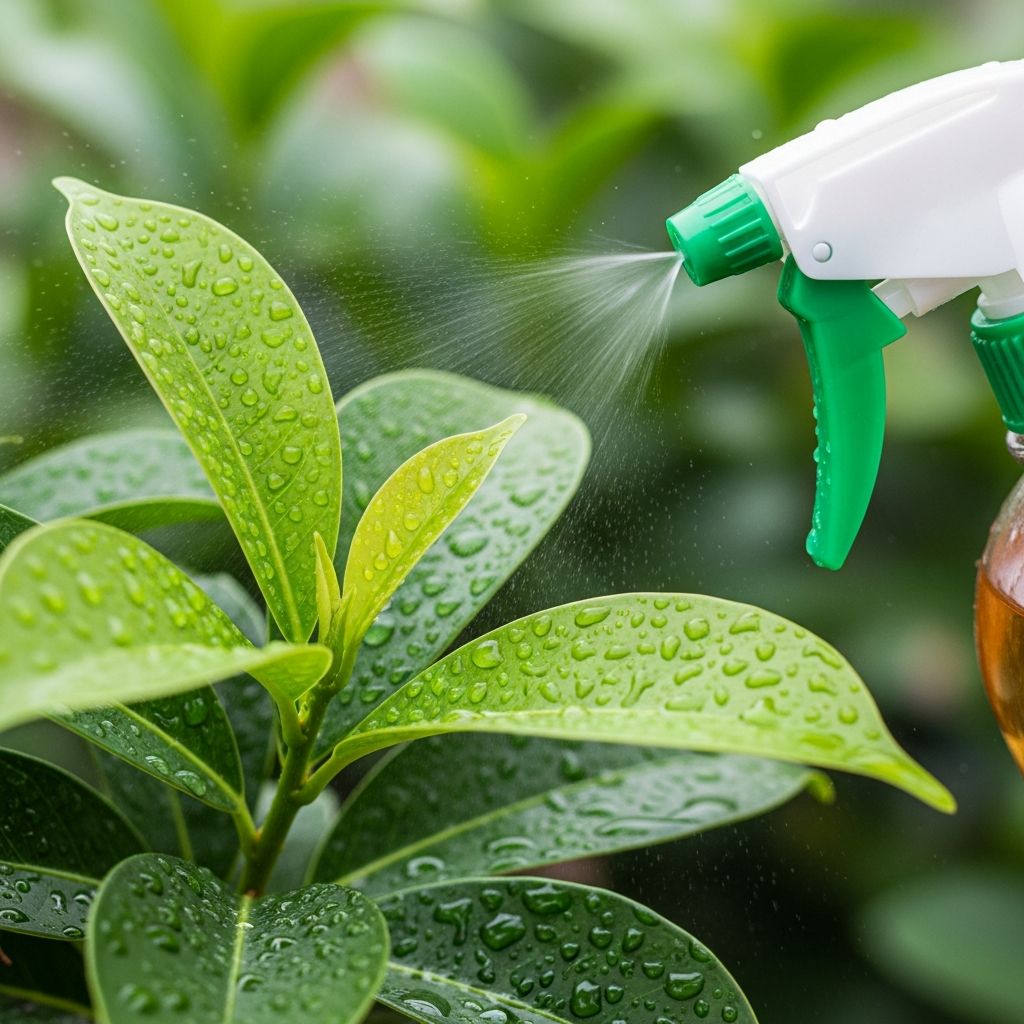
Household vinegar serves as a potent, accessible ingredient for crafting homemade fungicides that target common plant pathogens without introducing synthetic chemicals into your garden. Diluted properly, its acetic acid content disrupts fungal growth, making it ideal for treating issues like powdery mildew, black spots, and leaf blight on vegetables, flowers, and ornamentals.
Understanding Fungal Threats in Your Garden
Fungal infections thrive in humid, poorly ventilated conditions, spreading via spores that land on leaves and stems. Common culprits include powdery mildew, which appears as white powdery coatings, and anthracnose, causing dark lesions. These problems weaken plants, reduce yields, and can devastate crops if unchecked.
Early detection is crucial: look for discolored spots, wilting, or fuzzy growths. High humidity, overcrowding, and excess moisture from overhead watering exacerbate risks. By intervening with natural solutions like vinegar sprays, gardeners can restore plant health while promoting sustainability.
Why Vinegar Excels as a Fungicide
Vinegar’s acetic acid alters the pH on plant surfaces, inhibiting spore germination and mycelial growth. Apple cider vinegar, with its additional enzymes, offers enhanced antifungal properties, effectively clearing black spots on roses and aspen trees. Studies and practical applications confirm its efficacy against a range of fungi when used at 5-10% concentrations.
Unlike commercial fungicides, vinegar biodegrades quickly, posing minimal risk to beneficial insects and soil microbes. It’s cost-effective—often under $1 per gallon of spray—and readily available in kitchens worldwide.
Step-by-Step Recipe for Basic Vinegar Fungicide
- Gather ingredients: 2-4 tablespoons apple cider vinegar (5% acidity), 1 gallon water, optional 1 teaspoon mild dish soap for adhesion.
- Mix solution: Combine in a clean spray bottle. Shake vigorously to emulsify.
- Test first: Apply to a small leaf section and wait 24 hours for adverse reactions.
- Apply: Spray affected areas thoroughly, covering both leaf tops and undersides, preferably early morning or evening to avoid sun scorch.
- Repeat: Every 7-10 days or after rain, up to three applications.
This recipe treats most foliar fungi safely. For stronger cases, increase vinegar to 3 tablespoons per quart.
Enhanced Vinegar Variations for Specific Issues
| Fungal Issue | Recipe Variation | Application Notes |
|---|---|---|
| Powdery Mildew | 1 tbsp vinegar + 1 tsp baking soda + 1 gal water | Spray weekly; baking soda boosts alkalinity |
| Black Spots (Roses) | 2 tbsp apple cider vinegar + 1 gal water | Targets spores rapidly; reapply post-rain |
| Leaf Blight/Anthracnose | 4 tbsp vinegar + 1 gal water + 1 tsp neem oil | Neem prevents spread; use on vegetables |
| Damping Off (Seedlings) | 1:10 vinegar-water soil drench | Apply sparingly to avoid root burn |
These tailored mixes address diverse symptoms while minimizing plant stress.
Safe Application Guidelines
- Avoid full-strength vinegar—it burns foliage.
- Never apply in direct sunlight to prevent leaf scorch.
- Wear gloves; rinse skin if contact occurs.
- Suitable for edibles after thorough rinsing pre-harvest.
- Monitor for phytotoxicity on sensitive species like ferns.
Integrate with cultural practices: water at soil level, prune for airflow, and space plants adequately.
Complementary Natural Fungicides
Pair vinegar with these for broader protection:
- Milk Spray: 1 part milk to 9 parts water; proteins antagonize fungi.
- Baking Soda Mix: 1 tbsp soda + few drops soap + 1 gal water; alters pH.
- Neem Oil: Dilute per label; smothers spores, repels vectors.
- Chamomile Tea: Brew strong, cool, spray; sulfur compounds fight damping off.
- Cinnamon Dust: Sprinkle on soil/seedlings; inhibits root fungi.
Rotate remedies to prevent resistance.
Prevention Strategies for a Fungus-Resistant Garden
Proactive measures outperform cures:
- Crop Rotation: Change planting sites yearly to break fungal cycles.
- Debris Removal: Clear fallen leaves weekly to eliminate spore sources.
- Optimal Spacing: Ensure 12-18 inches between plants for airflow.
- Pruning: Remove infected parts immediately, sterilize tools.
- Soil Health: Add compost for balanced microbes; test pH annually.
These habits reduce infection rates by up to 70% in home gardens.
Frequently Asked Questions (FAQs)
Can vinegar harm my plants?
Diluted correctly (under 5%), it’s safe for most species. Test sensitive plants first.
How often should I spray vinegar fungicide?
Every 7-14 days or after heavy dew/rain, not exceeding 3 consecutive uses.
Is apple cider vinegar better than white vinegar?
Yes, its malic acid enhances efficacy against spots and mildews.
Does it work on indoor plants?
Absolutely; ideal for houseplant mildew in low-light, humid spots.
Can I use it on edible crops?
Yes, rinse produce well before consuming.
Long-Term Garden Health Benefits
Adopting vinegar and natural fungicides fosters resilient ecosystems. Beneficial fungi like mycorrhizae thrive, improving nutrient uptake and drought tolerance. Over time, gardens require fewer interventions, yielding bountiful, chemical-free harvests.
Track progress with a journal: note treatments, weather, and outcomes to refine your approach seasonally.
References
- Natural ways to get rid of fungus in your garden — AllThatGrows. 2023. https://www.allthatgrows.in/blogs/posts/eliminate-fungus-home-garden-naturally
- 5 Best Natural Fungus Treatment for Plants — Ugaoo. 2023. https://www.ugaoo.com/blogs/garden-maintenance/plant-fungal-infection-control
- Battling Garden Fungus! — Stoney Creek Farm. 2022. https://stoneycreekfarmtennesee.com/battling-garden-fungus/
- Organic Treatments for Fungal Infections — Fifth Season Gardening. 2023. https://fifthseasongardening.com/organic-treatments-for-fungal-infections
- How To Make Natural Fungicide That Won’t Hurt Plants — Gardening Know How. 2024-01-15. https://www.gardeningknowhow.com/garden-how-to/info/homemade-fungicide.htm
Similar Articles





Read full bio of medha deb